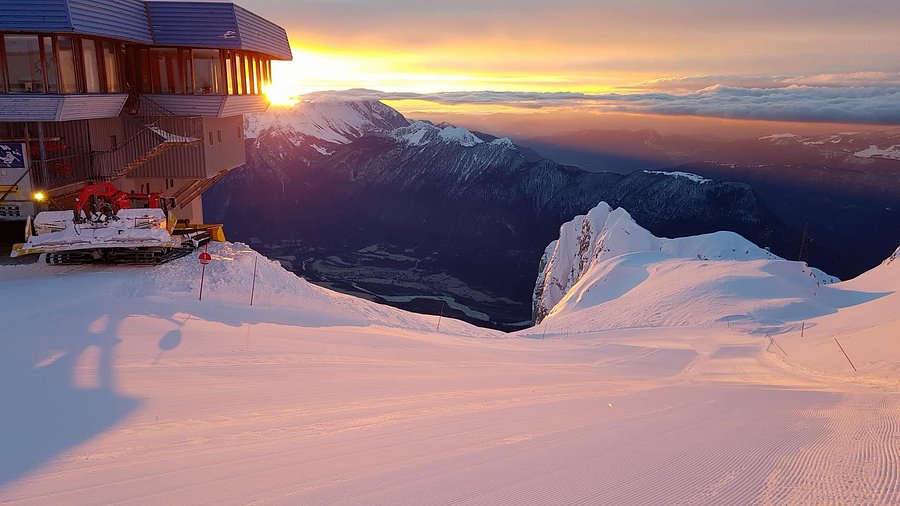
Kanin-Sella Nevea
Primorska, Slovenia
€44
day pass
Opens in 16 days
published season date
Our top picks for best ski resorts in slovenia 2027 are Kanin-Sella Nevea, Areh, Bela - Slovenj Gradec, Golte and Kobla, ranked from live snow depth, verified 2026/27 lift-pass prices and confirmed opening dates.
Slovenia offers a compelling choice for eco-conscious skiers, blending natural beauty with a growing commitment to sustainability. These resorts, often smaller and community-focused, provide an authentic experience that minimizes environmental impact while maximizing enjoyment. From family-friendly slopes to quiet cross-country trails, the emphasis is on preserving the pristine alpine environment. Choosing a sustainable resort here means supporting local economies and practices that prioritize ecological balance, ensuring these beautiful landscapes remain for future generations. It's about enjoying the snow responsibly, making every turn count for both you and the planet.
For those prioritizing sustainability, Slovenia's ski areas present an opportunity to connect with nature without compromise. Many of these resorts are inherently eco-friendly due to their scale and operational ethos, often integrating public transport options, energy-efficient infrastructure, and waste reduction programs. This guide highlights resorts that align with these values, offering practical advice for planning your trip across the season. Whether you're seeking gentle slopes for beginners or peaceful ski touring, you'll find options that respect the environment and offer excellent value, demonstrating that a sustainable ski holiday doesn't have to mean sacrificing quality or experience.
For early season beginners and families, consider resorts like Ribniško Pohorje (season from Dec 7) or Bela - Slovenj Gradec (from Dec 14). These smaller, budget-friendly areas often have less infrastructure, reducing their environmental footprint. Focus on resorts accessible by carpooling or public transport where feasible, and inquire about their energy practices. Early season also means fewer crowds, enhancing the natural, quiet atmosphere at these sustainable spots.
During midwinter, embrace the tranquility at resorts like Trije Kralji or Areh, both in Styria, offering quiet slopes and cross-country opportunities. These locations are ideal for experiencing nature with minimal disturbance. Look for accommodations that promote local food sourcing and energy conservation. Sviščaki, starting Dec 27, is excellent for ski-touring, allowing you to explore pristine areas responsibly, leaving only tracks behind.
As spring approaches, resorts like Ribniško Pohorje and Soriška Planina (both open until late March) offer longer daylight hours and often softer snow. This is a great time to visit via train to Kobla, reducing your carbon footprint. Focus on day trips to minimize overnight energy consumption. With warmer temperatures, less intensive heating is required, making spring a naturally more energy-efficient time to ski sustainably.
Sustainable skiing can also be budget-friendly. Resorts like Rudno (day pass around €21) or Sviščaki (day pass around €20) offer excellent value. These smaller resorts typically have lower operating costs and a simpler setup, inherently supporting a more sustainable model. Opt for multi-day passes, such as a 6-day pass for around €100 at Sviščaki, to reduce individual transaction impacts and often save money.
For an eco-conscious night skiing experience, consider Straža Bled or Bela - Slovenj Gradec. While night skiing uses energy, choosing resorts that utilize efficient lighting or renewable energy sources is key. Inquire about their power supply. By supporting resorts that are transparent about their energy use, you encourage further investment in sustainable practices, ensuring these unique experiences can continue responsibly.
Live prices and weather — click any resort to see the full forecast, lift status, and trail map.
Primorska, Slovenia
day pass
Opens in 16 days
published season date
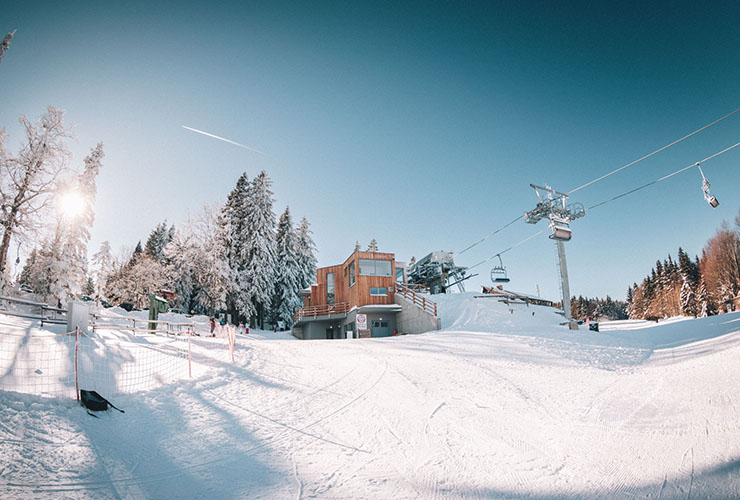
Styria, Slovenia
day pass
Snow report pending
updates in season
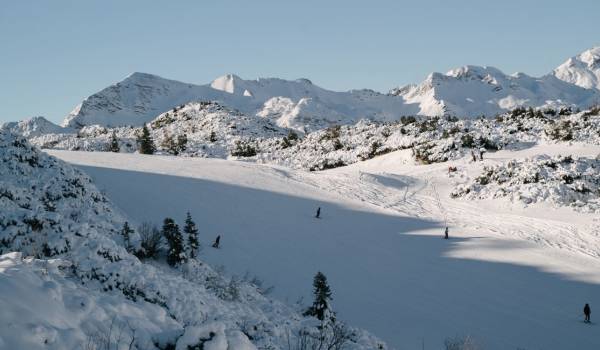
Carinthia, Slovenia
day pass
Opens in 26 days
published season date
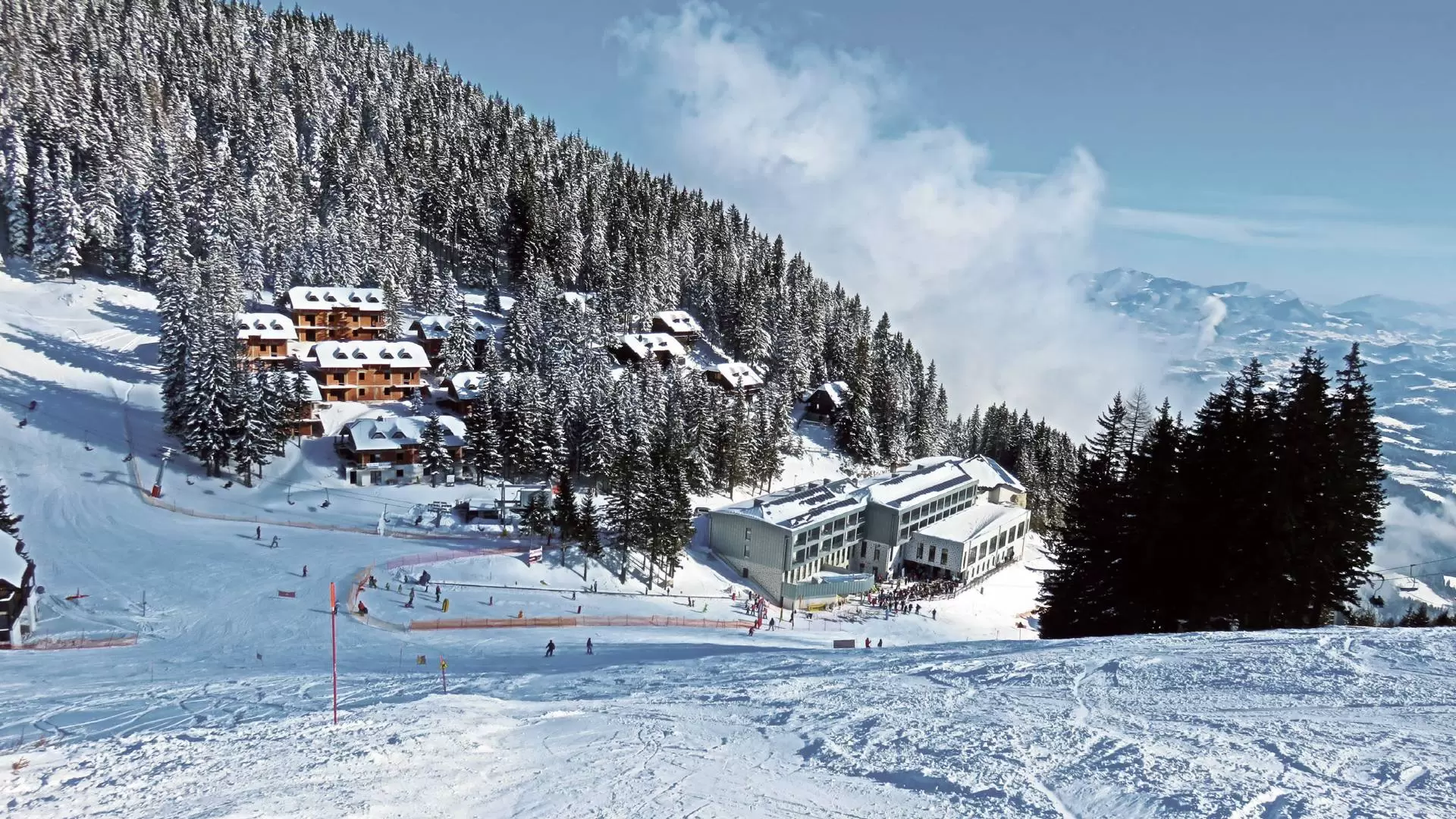
Savinjska Region, Slovenia
day pass
Opens in 21 days
published season date
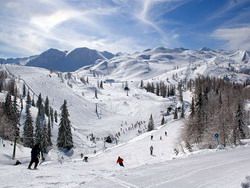
Upper Carniola, Slovenia
day pass
Opens in 31 days
published season date
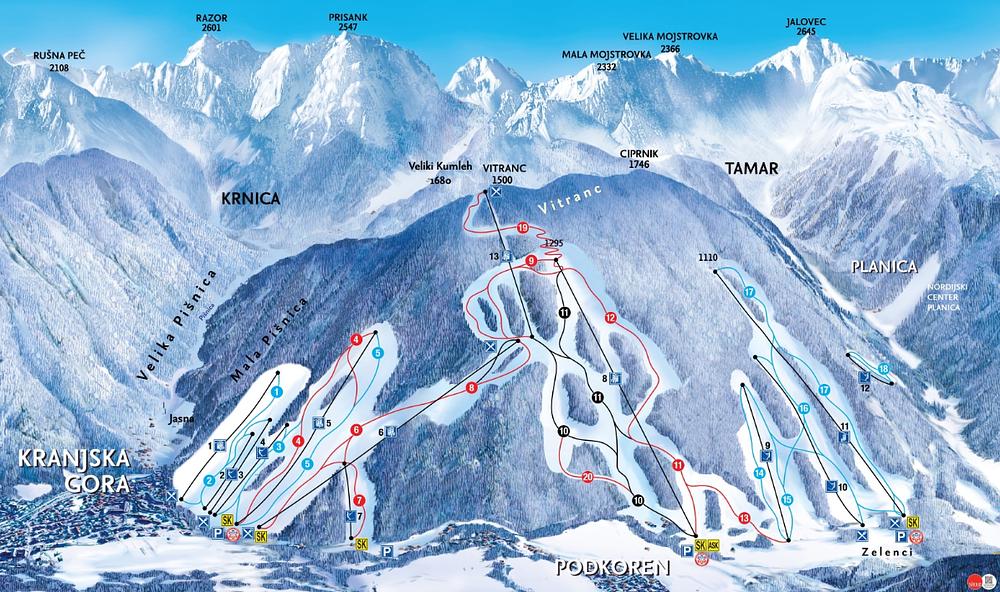
Upper Carniola, Slovenia
day pass
Opens in 31 days
published season date
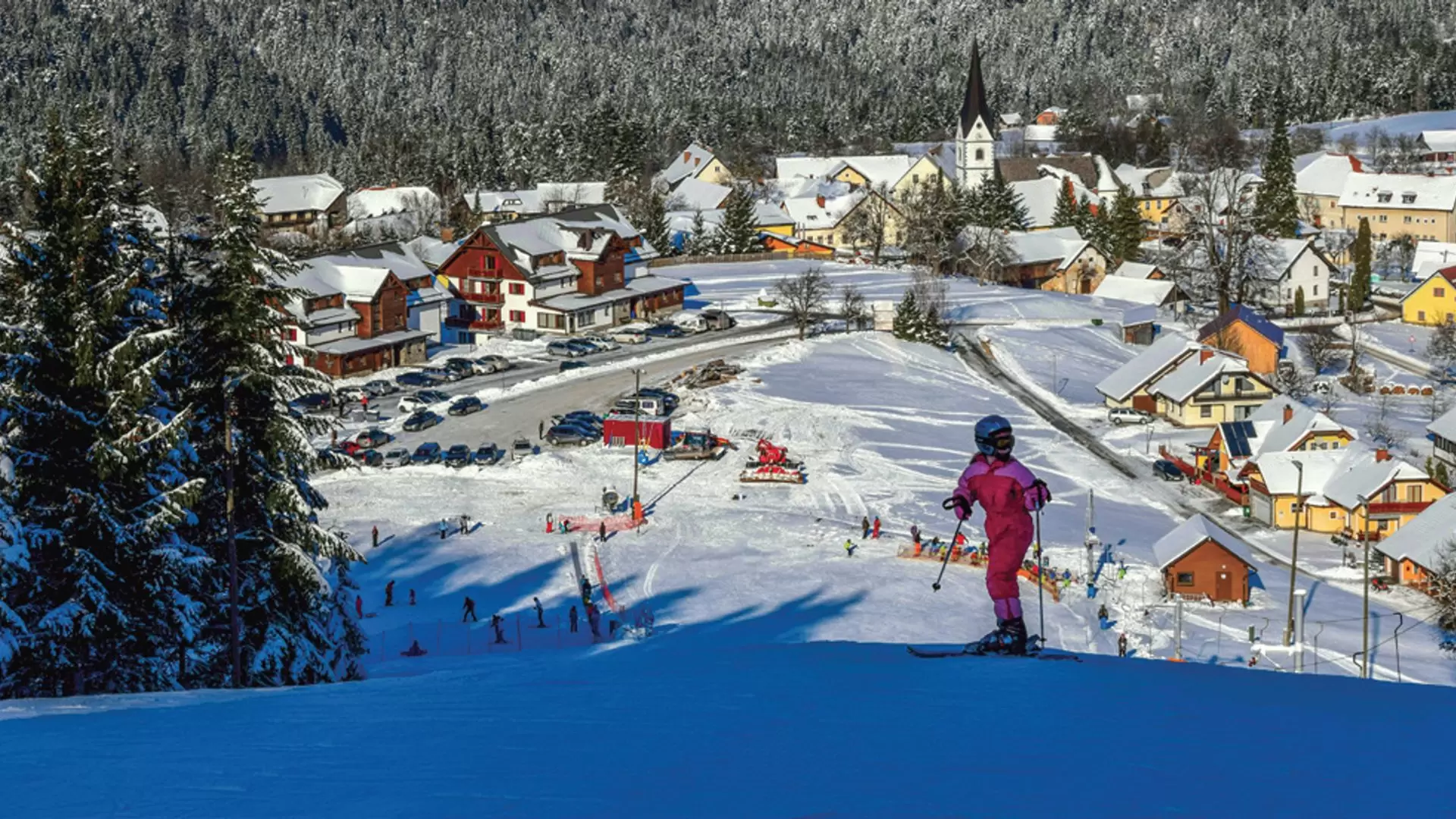
Styria, Slovenia
day pass
Opens in 18 days
published season date
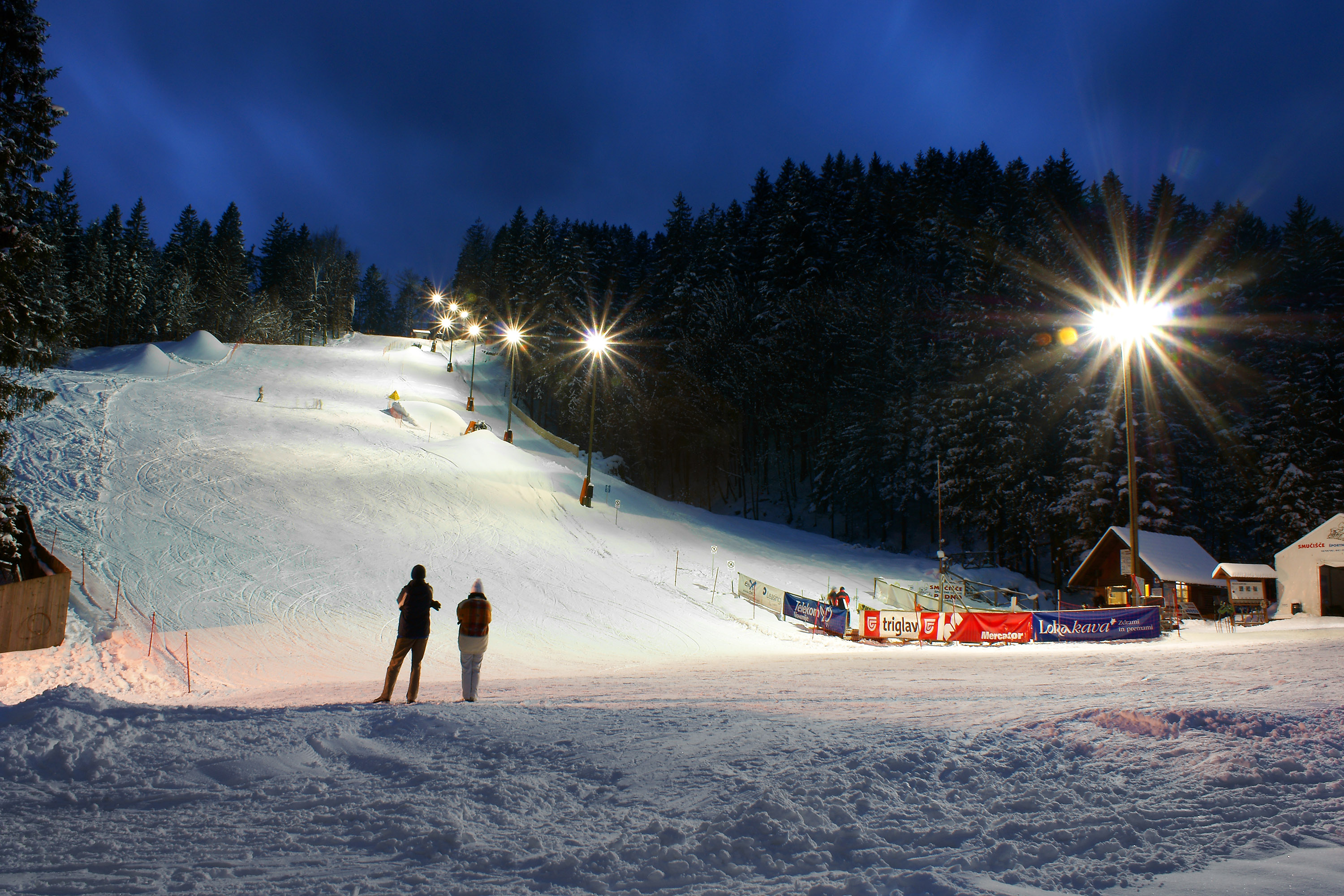
Upper Carniola, Slovenia
day pass
Opens in 31 days
published season date
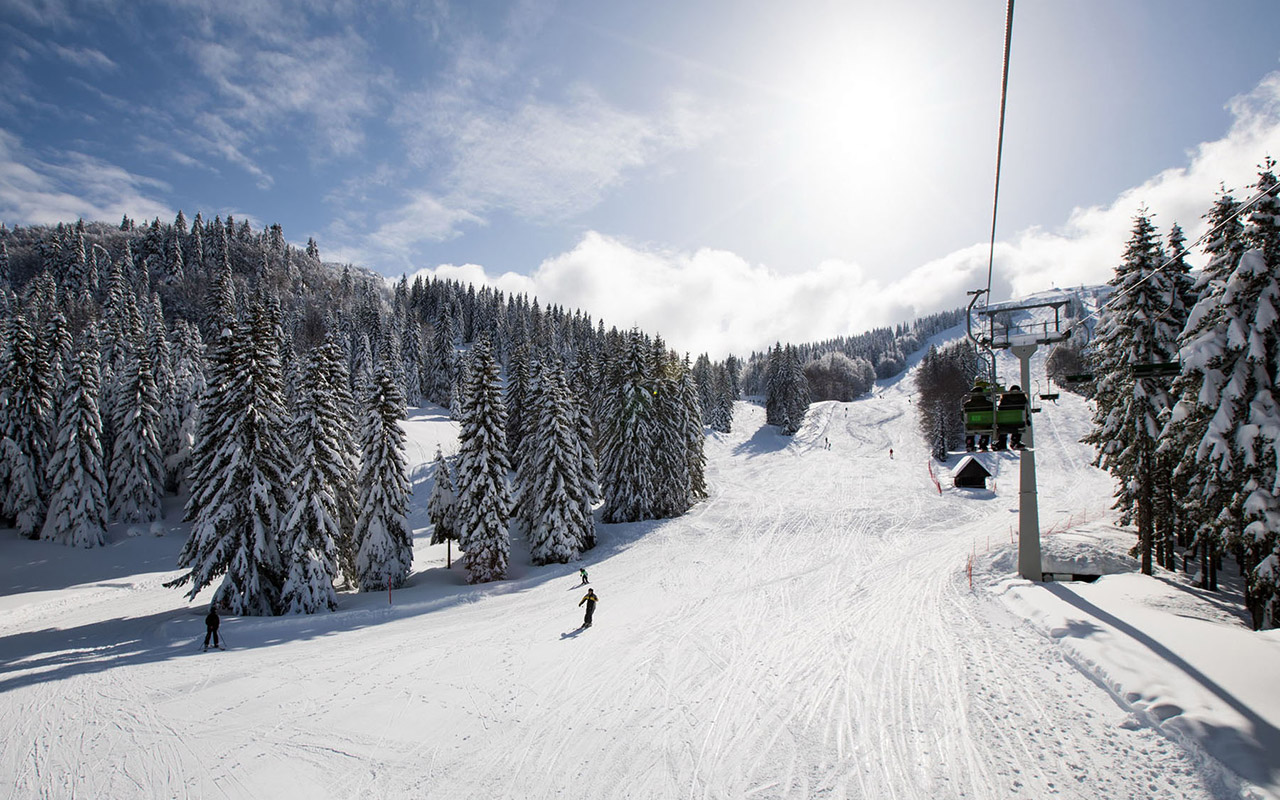
Upper Carniola, Slovenia
day pass
Opens in 16 days
published season date
Upper Carniola, Slovenia
day pass
Opens in 31 days
published season date
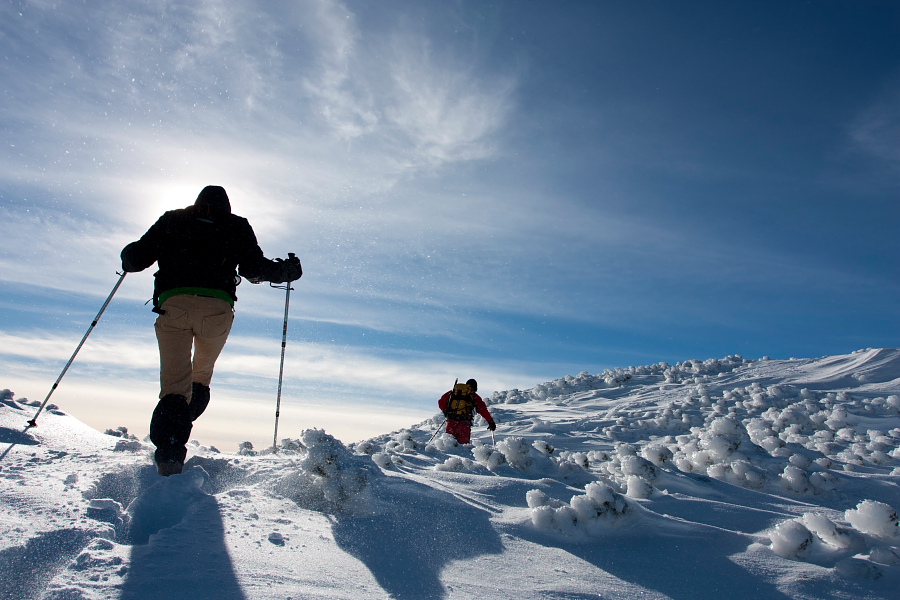
Primorska, Slovenia
day pass
Opens in 38 days
published season date
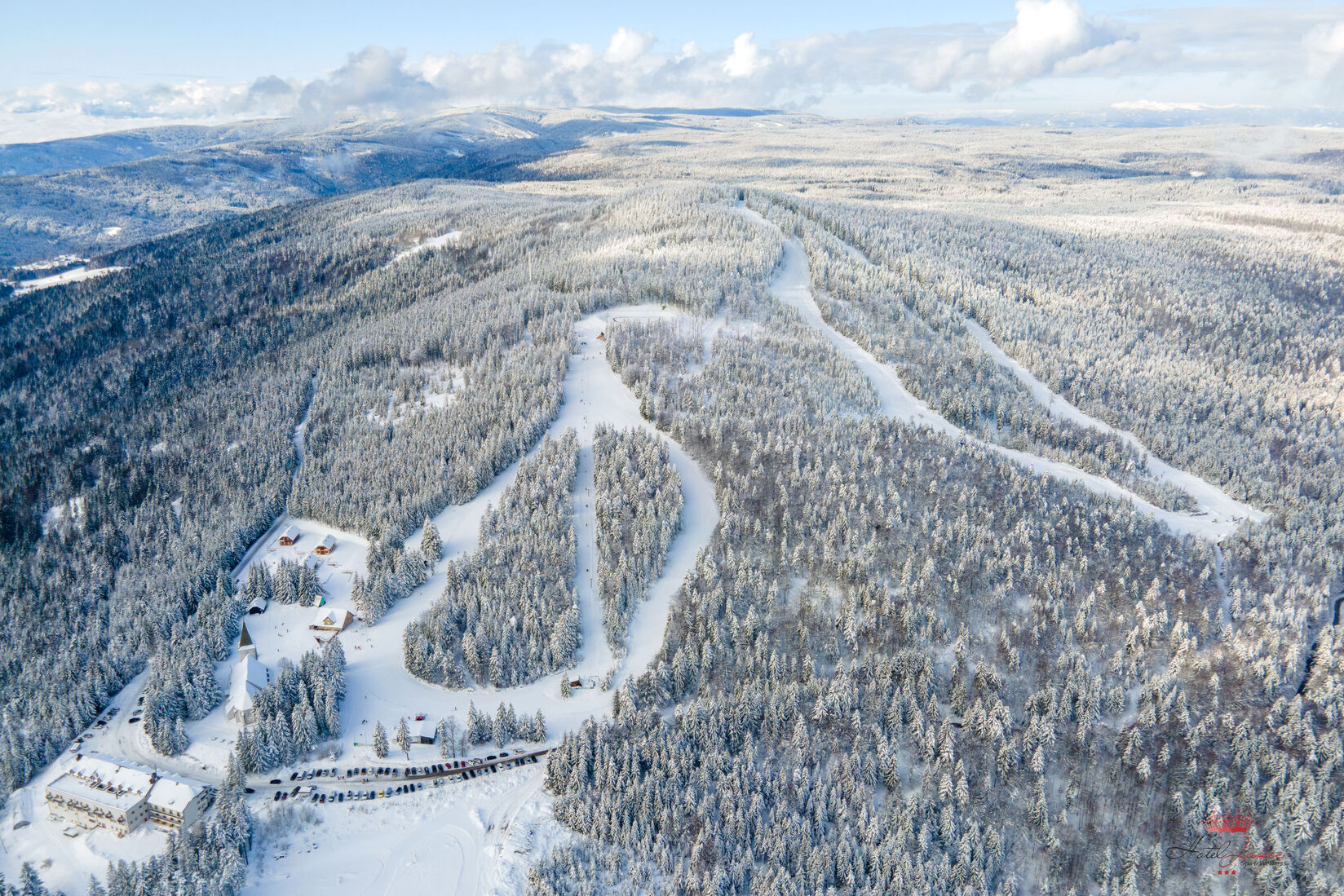
Styria, Slovenia
day pass
Opens in 26 days
published season date
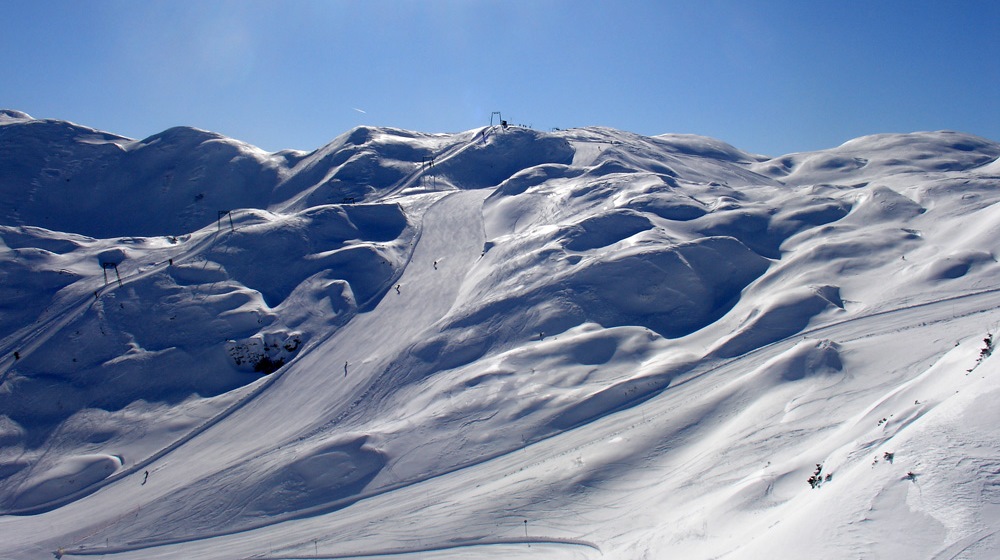
Upper Carniola, Slovenia
day pass
Opens in 16 days
published season date
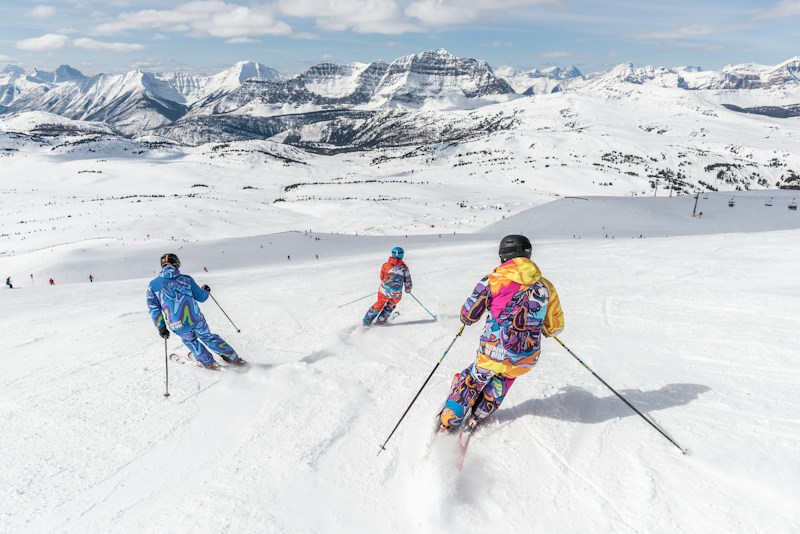
Goriška Region, Slovenia
day pass
Opens in 26 days
published season date
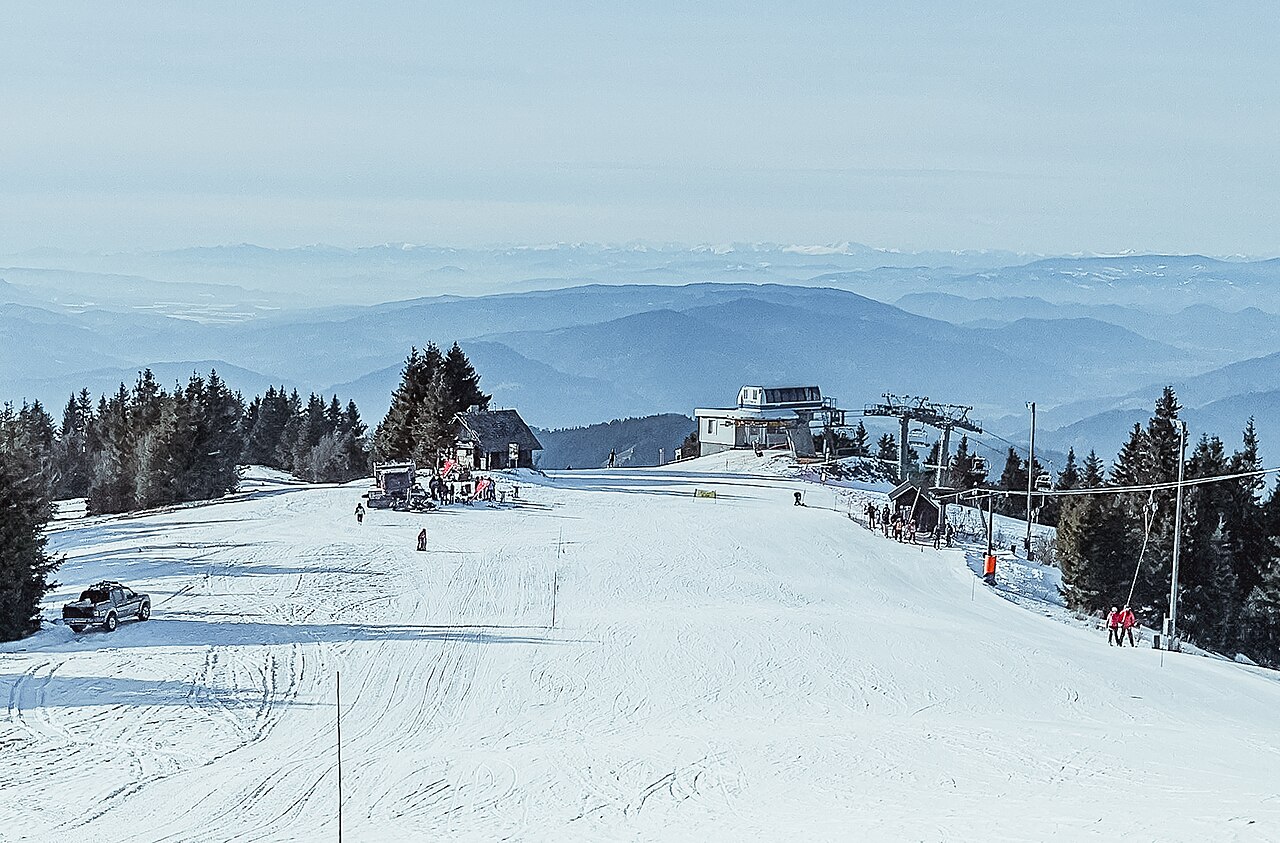
Styria, Slovenia
day pass
Opens in 8 days
published season date
Upper Carniola, Slovenia
day pass
Opens in 16 days
published season date
Upper Carniola, Slovenia
day pass
Opens in 10 days
published season date
Pohorje Mountains, Slovenia
day pass
Opens in 12 days
published season date
Upper Carniola, Slovenia
day pass
Opens in 57 days
published season date
Styria, Slovenia
day pass
Opens in 132 days
published season date
Upper Carniola, Slovenia
day pass
Opens in 57 days
published season date
The best time for a sustainable ski trip depends on your priorities. Early season (December) at resorts like Ribniško Pohorje or Bela - Slovenj Gradec offers fewer crowds and a fresh start to the winter. Midwinter (January-February) provides reliable snow, perfect for quiet slopes at Trije Kralji or Areh. Spring (March) at resorts like Soriška Planina offers warmer temperatures and longer days, naturally reducing energy demands for heating. Opting for quieter periods or shoulder seasons can also lessen your environmental impact by reducing strain on local resources and infrastructure.
Yes, many of Slovenia's smaller, family-oriented resorts are inherently budget-friendly and sustainable. Resorts like Rudno, with a day pass around €21, or Sviščaki, around €20, offer excellent value. These resorts often have a simpler infrastructure and focus on natural experiences, which aligns with sustainable principles. Their lower operating costs translate to more affordable passes, such as a 6-day pass for around €100 at Sviščaki. Choosing these local gems supports smaller communities and often means a more authentic, less commercialized ski experience.
To reduce your carbon footprint, prioritize sustainable travel methods. Consider taking the train to resorts like Kobla, which is train-accessible, or carpooling to others. Once there, utilize local public transport if available, or choose accommodation within walking distance of the slopes. Opt for resorts that are smaller and locally run, as they often have a lower overall environmental impact. Minimizing flights and choosing direct routes also significantly reduces emissions. Supporting businesses that source locally and have eco-certifications further enhances your sustainable travel efforts.
Slovenia offers several excellent choices for families prioritizing an eco-friendly ski experience. Resorts like Bela - Slovenj Gradec, Macesnovec, and Ribniško Pohorje are all categorized as family-friendly and budget-conscious. These smaller resorts typically provide a safe, less crowded environment ideal for children learning to ski, with less extensive infrastructure than larger resorts, contributing to lower environmental impact. They often focus on a relaxed atmosphere, encouraging appreciation for nature. Look for places that emphasize local engagement and provide basic, authentic amenities rather than large-scale commercial developments.
When choosing a sustainable Slovenian ski resort, look for several key practices. Prioritize resorts that actively manage waste, use energy-efficient snowmaking and lift operations, and source renewable energy. Support those that protect local biodiversity and water resources. Resorts that promote public transport or carpooling, offer locally sourced food, and engage with the local community are also excellent choices. Smaller resorts like Sviščaki or Rudno often embody these principles through their scale and focus on natural experiences, making them inherently more sustainable options for the eco-conscious skier.