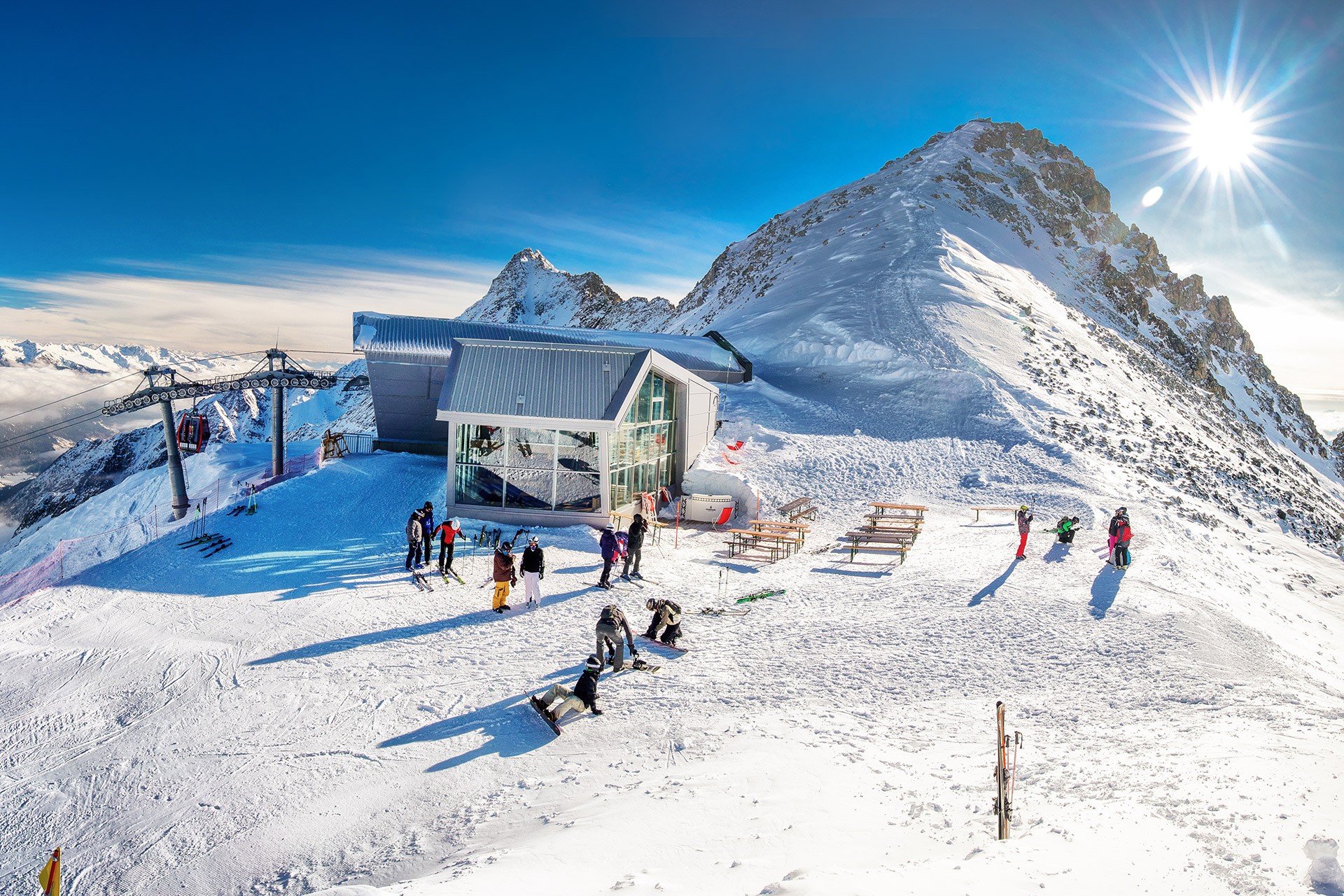
Ponte di Legno-Tonale
Lombardy-Trentino, Italy
€70
day pass
Opens in 15 days
published season date
Our top picks for best ski resorts in italy 2027 are Ponte di Legno-Tonale, Alagna Valsesia, Passo Tonale, Monterosa Ski and Breuil-Cervinia, ranked from live snow depth, verified 2026/27 lift-pass prices and confirmed opening dates.
Italy, with its stunning Dolomites and Alpine peaks, offers an increasing number of ski resorts committed to environmental stewardship. For the eco-conscious skier, selecting a destination that prioritizes sustainability means supporting practices like renewable energy, waste reduction, and responsible water management. This guide highlights Italian resorts where you can enjoy world-class skiing while minimizing your environmental footprint, from areas focusing on sustainable transport to those preserving natural landscapes. Discover how to align your winter adventure with your values, ensuring a memorable and responsible trip.
Choosing a sustainable ski resort in Italy also often means supporting local communities and economies, fostering a more authentic and impactful travel experience. Many resorts are actively working to protect the delicate mountain ecosystems, ensuring their beauty and biodiversity for future generations. From the long seasons of high-altitude destinations to budget-friendly options, this selection caters to various preferences, all while keeping sustainability at its core. Plan your next eco-friendly ski holiday with confidence, knowing you're contributing positively to the regions you visit.
For an early start to the season, consider resorts like Breuil-Cervinia, opening late October, or Kronplatz, opening late November. These high-altitude destinations often have reliable early snow, reducing the need for extensive artificial snowmaking. Opting for resorts with longer natural seasons minimizes energy consumption associated with snow production, aligning with eco-conscious travel. Check their specific sustainability initiatives for transport or energy use.
During midwinter, focus on resorts with excellent public transport links or car-sharing options to reduce emissions. Many Italian resorts in regions like Trentino-Alto Adige, such as Ortisei and Kronplatz, are part of wider transport networks. Inquire about local ski buses powered by renewable energy or train connections. This significantly lowers your carbon footprint compared to driving, making your mid-season trip more sustainable.
Embrace spring skiing for a naturally sustainable experience. Resorts like Breuil-Cervinia, open until early May, benefit from ample natural snow, reducing reliance on energy-intensive snowmaking. The warmer temperatures mean less need for heating in accommodations. Enjoy longer daylight hours and softer snow while contributing to a lower environmental impact. Courmayeur, open until early April, also offers great spring conditions.
Sustainable travel doesn't have to break the bank. Resorts like Bardonecchia, with day passes around €49 and 6-day passes around €237, offer more affordable options. Aprica and Crevacol also provide budget-conscious choices. Choosing these resorts often means supporting local, smaller-scale operations that inherently have a lower environmental footprint than larger, more commercialized destinations, making them a smart eco-choice.
For advanced skiers and freeriders, resorts like Monterosa Ski, Courmayeur, and San Martino di Castrozza offer extensive off-piste opportunities. When exploring these areas, always hire a local guide. This not only ensures your safety but also supports local experts who understand and respect the delicate mountain environment. Adhere to designated areas and follow Leave No Trace principles to preserve these pristine landscapes.
Live prices and weather — click any resort to see the full forecast, lift status, and trail map.
Lombardy-Trentino, Italy
day pass
Opens in 15 days
published season date
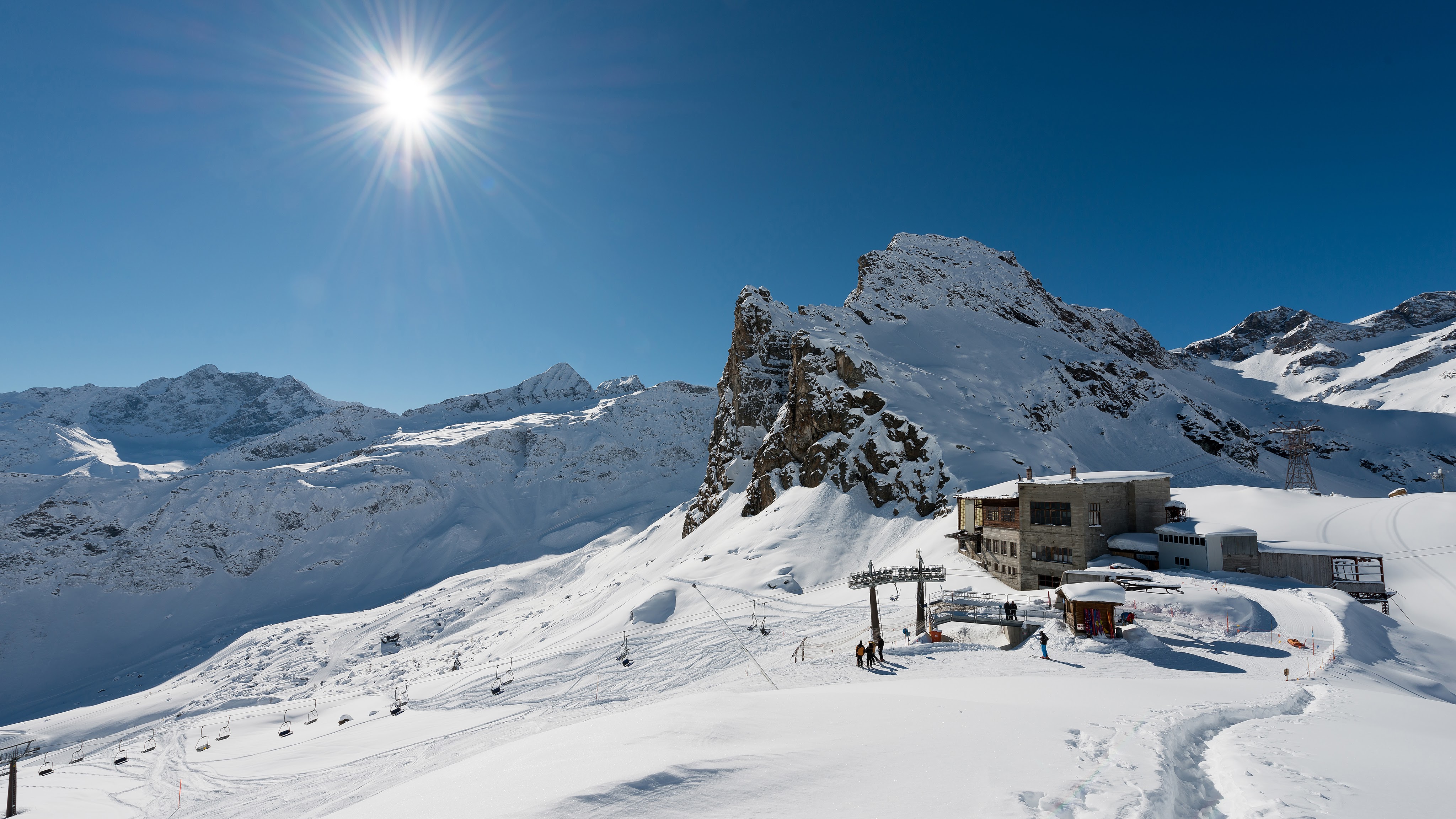
Monte Rosa, Piedmont, Italy
day pass
Opens in 9 days
published season date
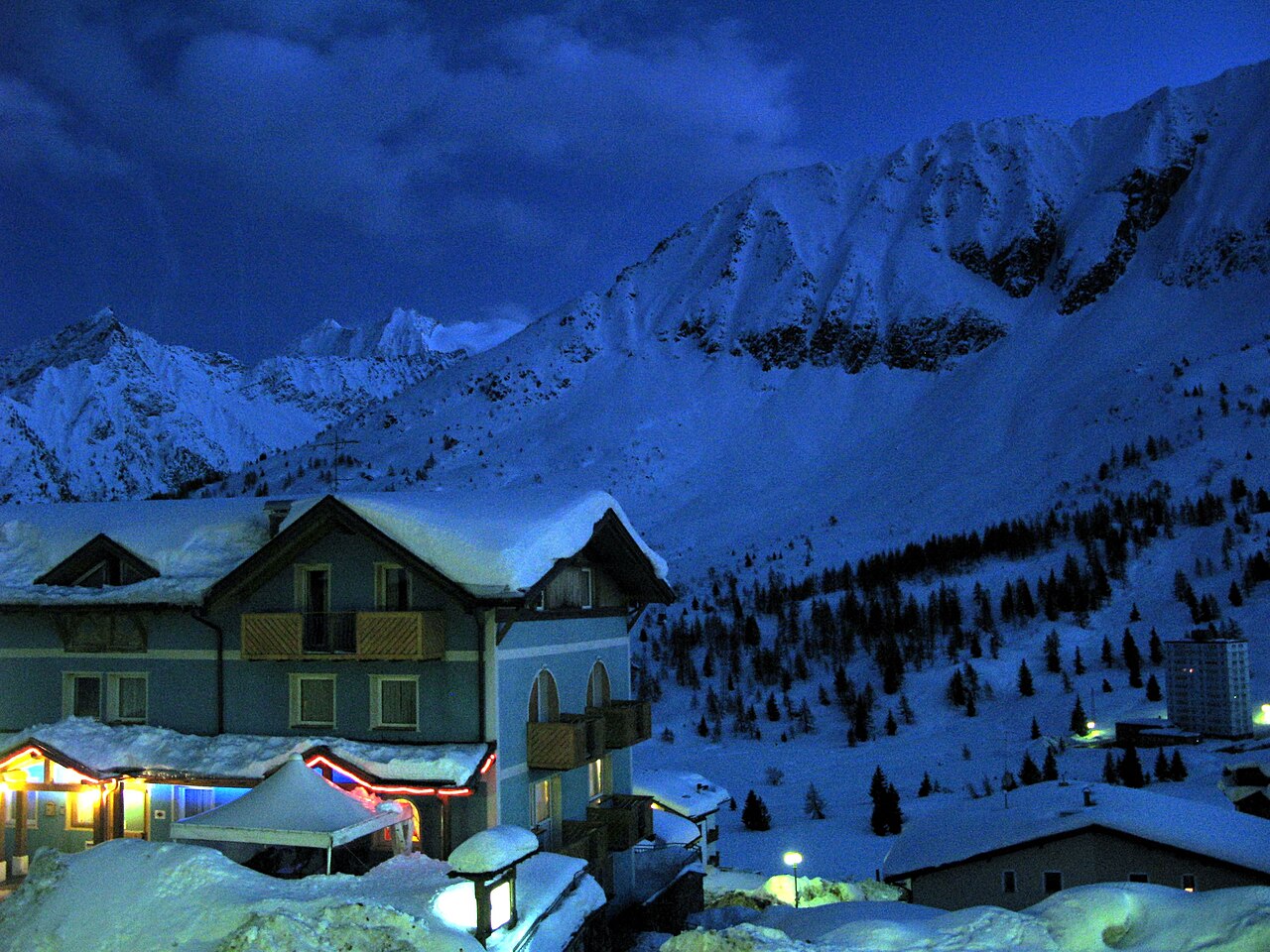
Trentino, Italy
day pass
Snow report pending
updates in season

Aosta Valley, Italy
day pass
Opens in 9 days
published season date
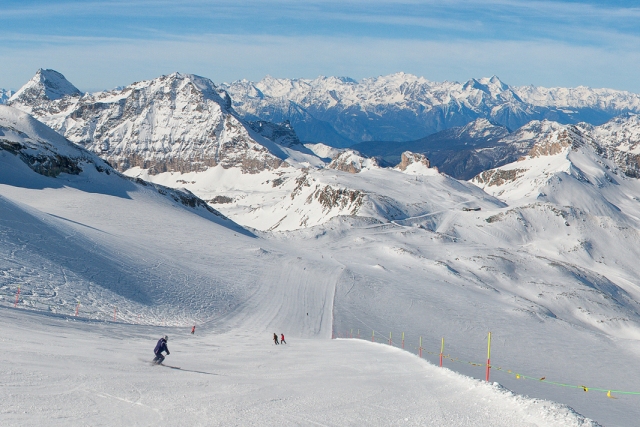
Valle d Aosta, Italy
day pass
Snow report pending
updates in season
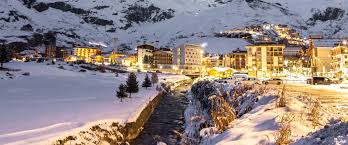
Valle d'Aosta, Italy
day pass
Snow report pending
updates in season
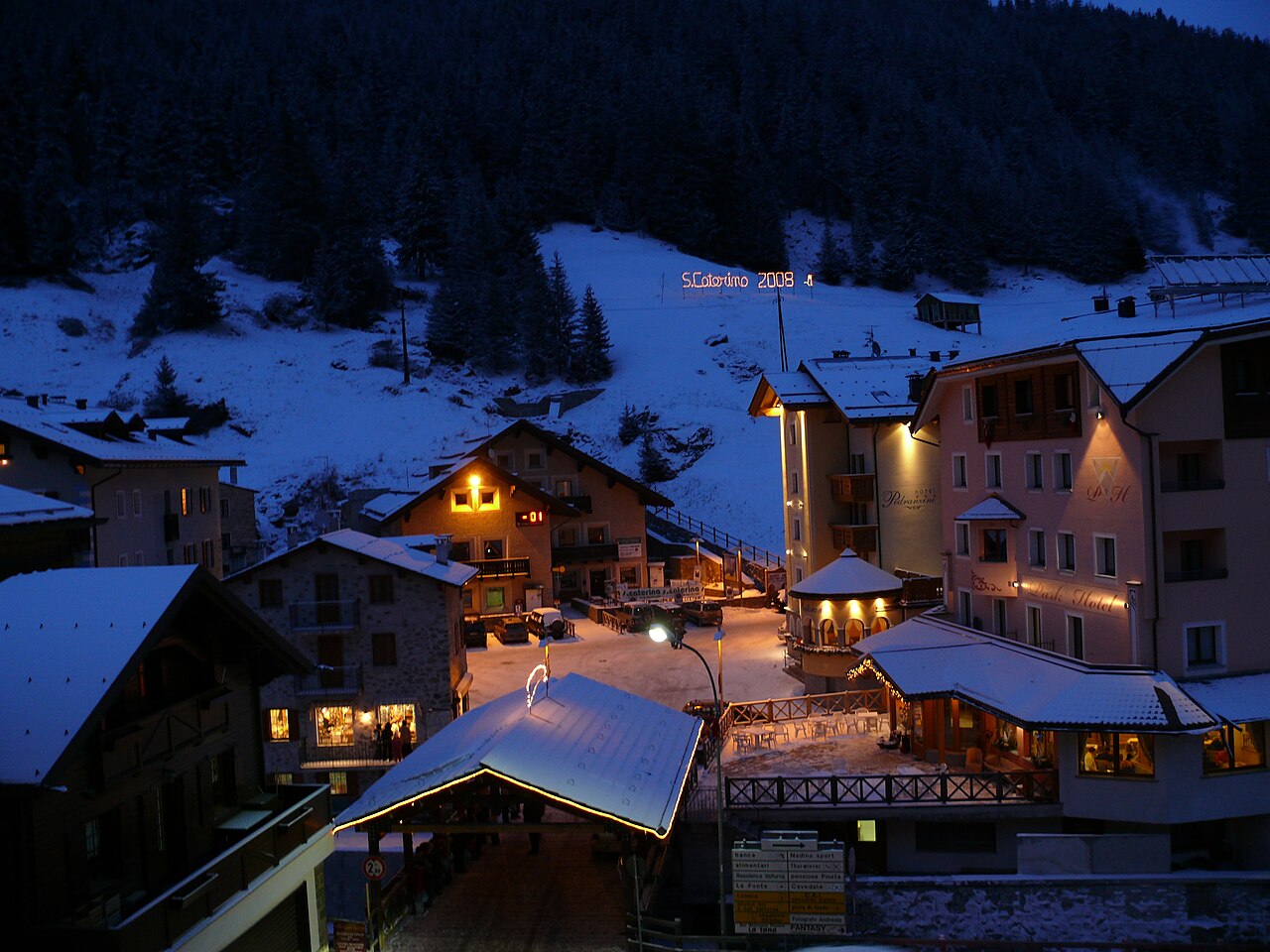
Lombardy, Italy
day pass
Opens in 15 days
published season date
Lombardy, Italy
day pass
Opens in 9 days
published season date
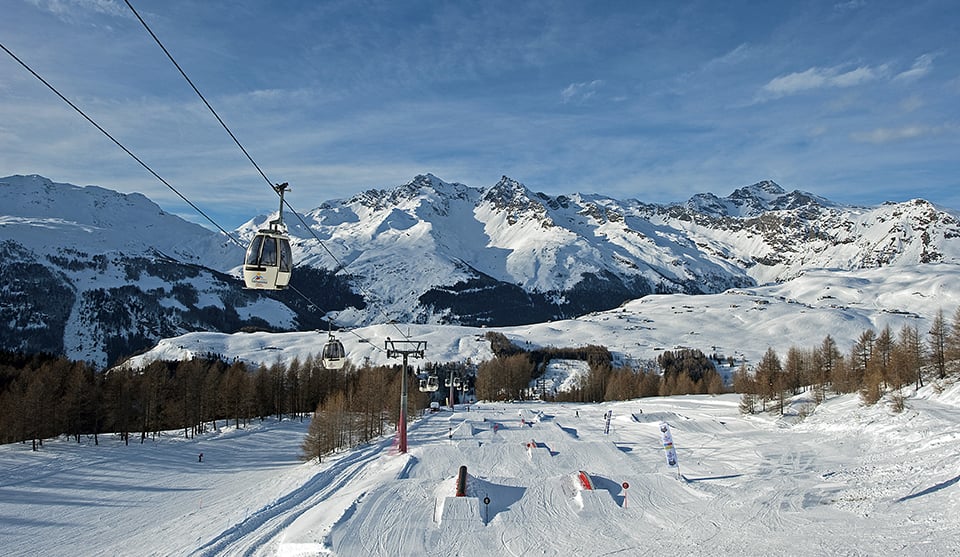
Lombardy, Italy
day pass
Opens in 8 days
published season date
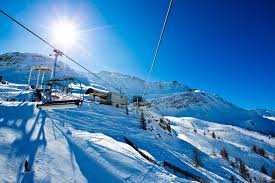
Valle d'Aosta, Italy
day pass
Opens in 9 days
published season date
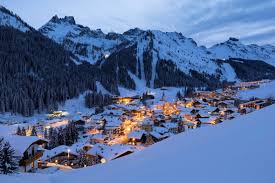
Veneto, Italy
day pass
Opens in 15 days
published season date
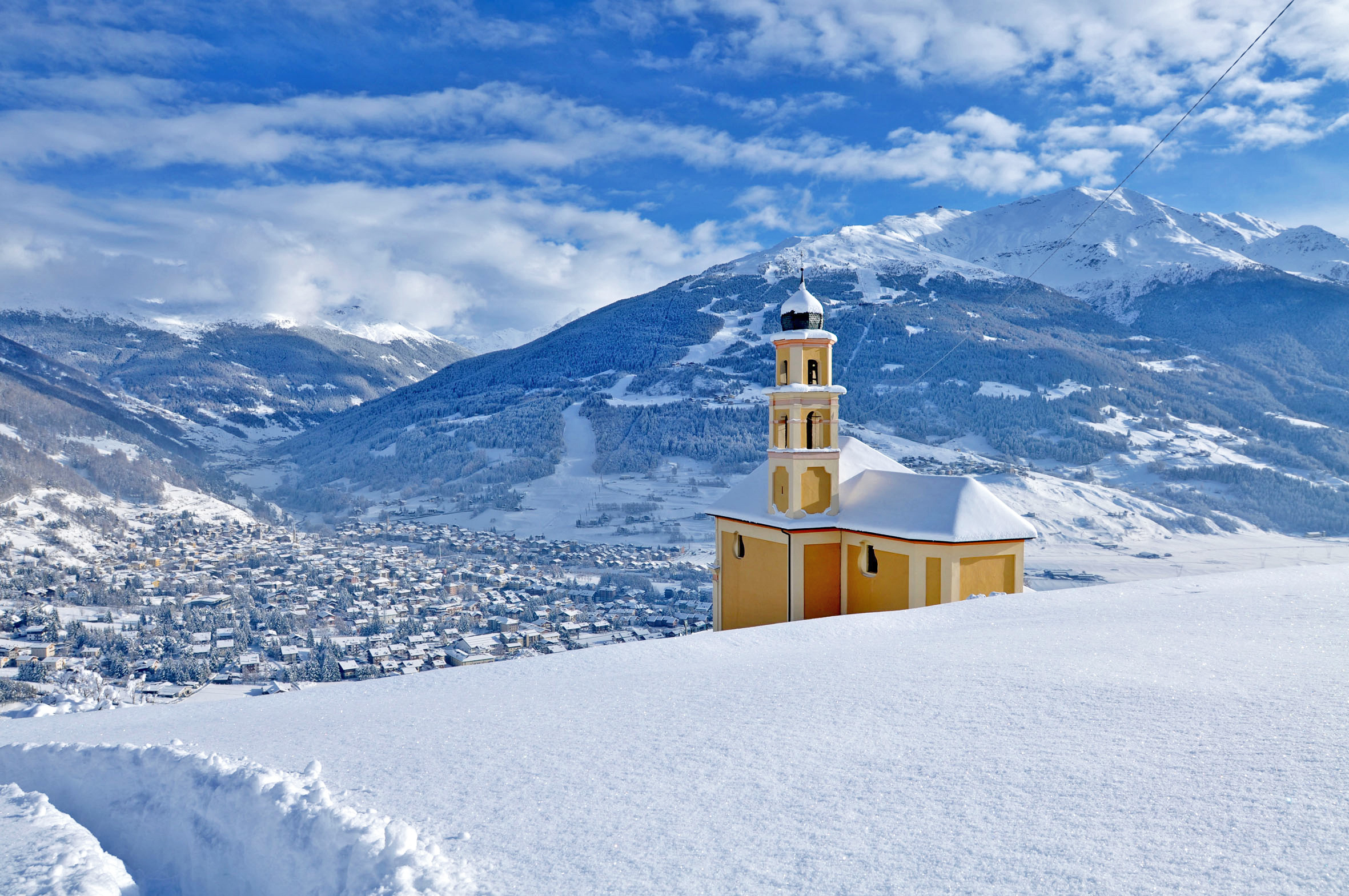
Lombardy, Italy
day pass
Opens in 15 days
published season date
Trentino, Italy
day pass
Opens in 15 days
published season date
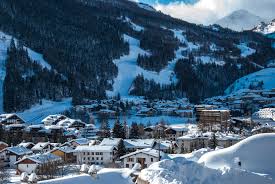
Valle d'Aosta, Italy
day pass
Opens in 9 days
published season date
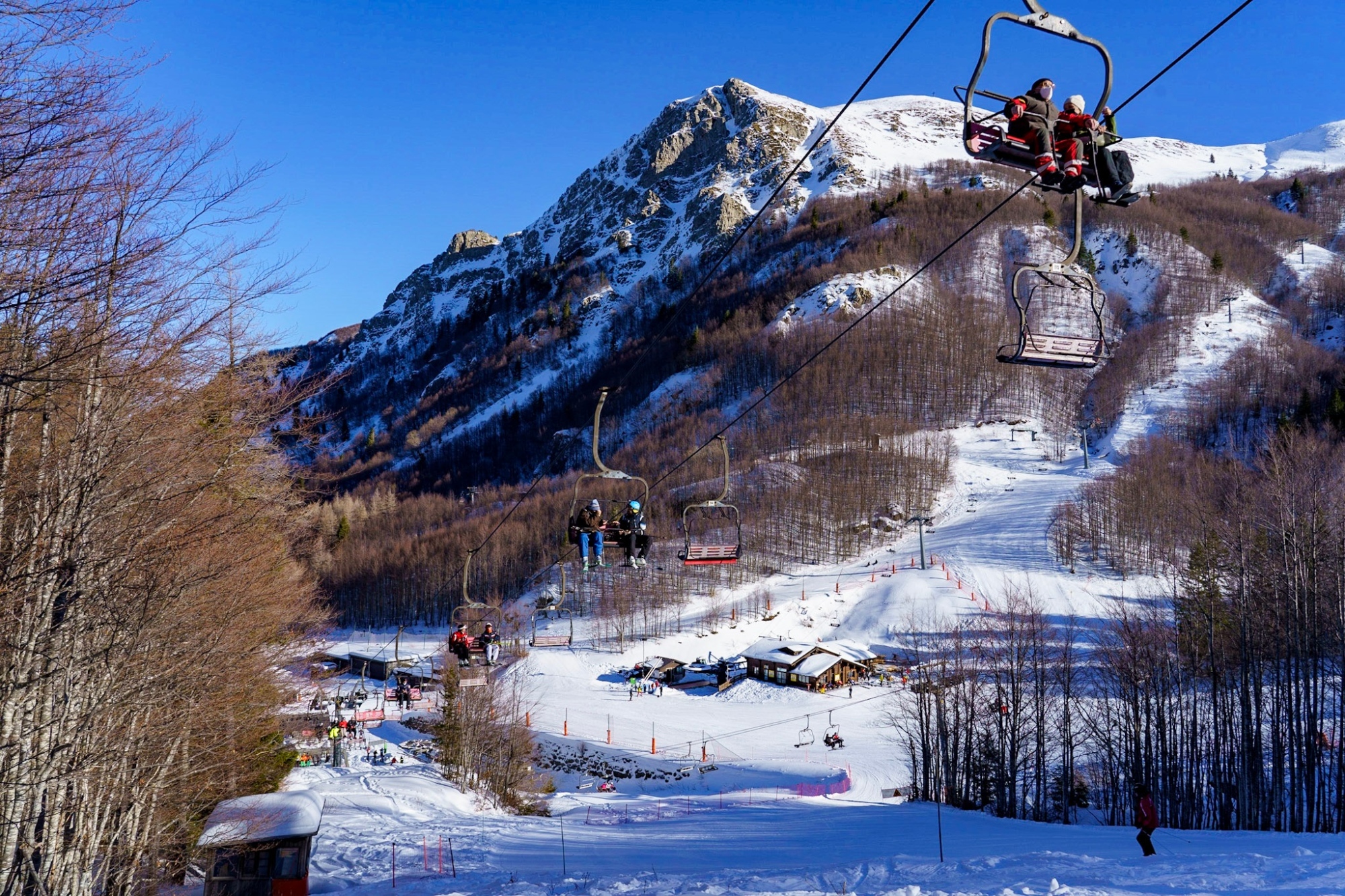
Tuscany, Italy
day pass
Opens in 16 days
published season date
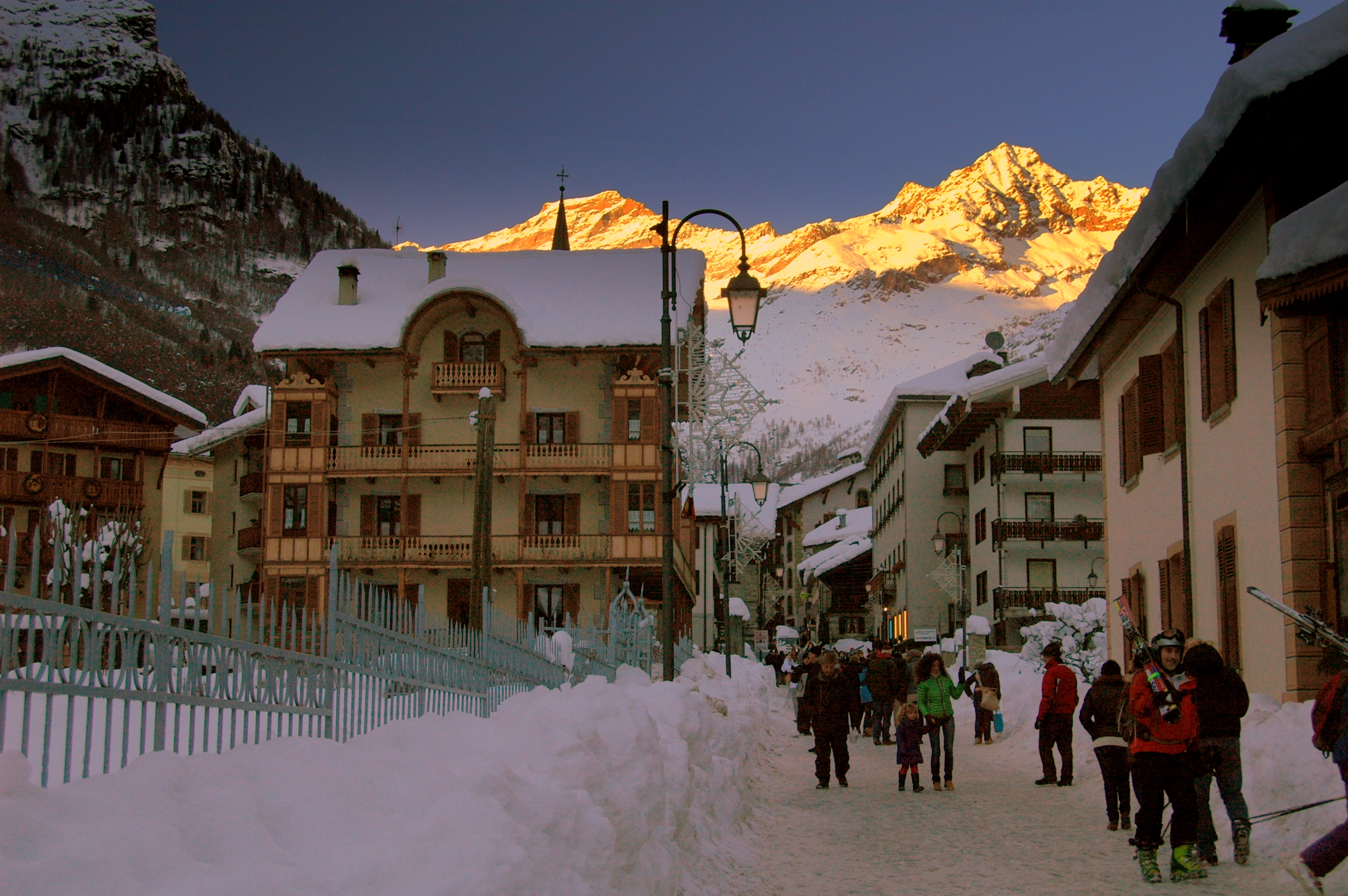
Piedmont, Italy
day pass
Opens in 9 days
published season date
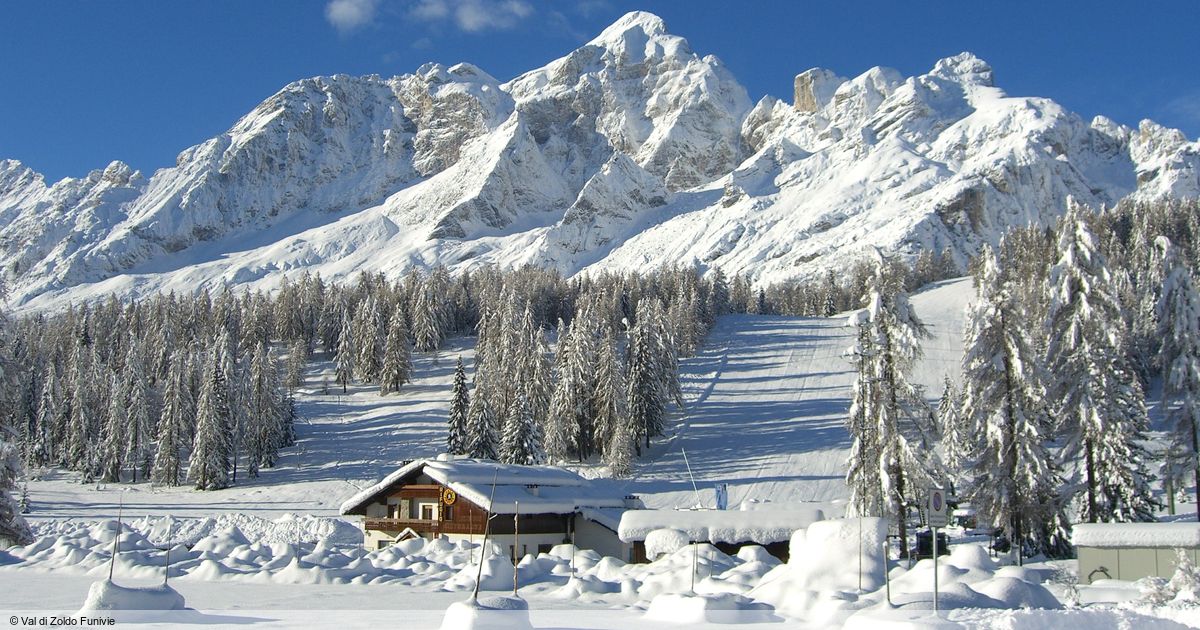
Veneto, Italy
day pass
Opens in 16 days
published season date
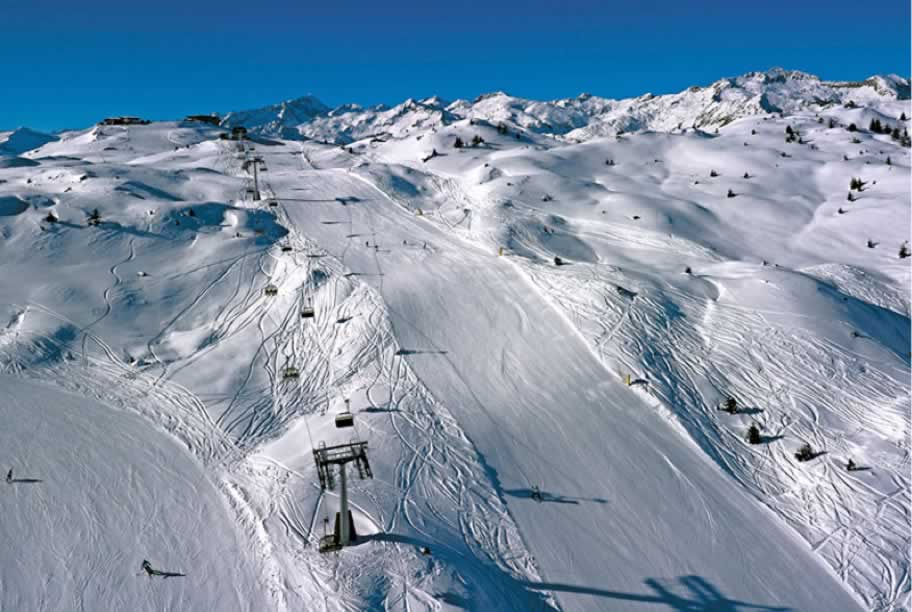
Trentino, Italy
day pass
Opens in 12 days
published season date
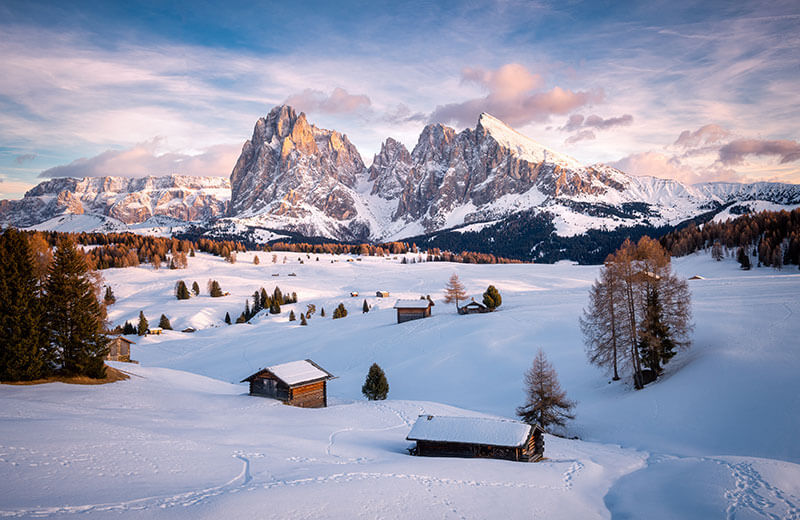
South Tyrol, Italy
day pass
Opens in 15 days
published season date
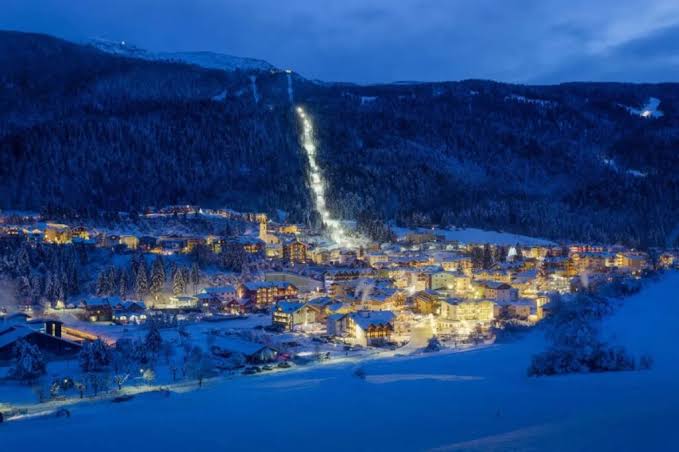
Trentino, Italy
day pass
Opens in 9 days
published season date
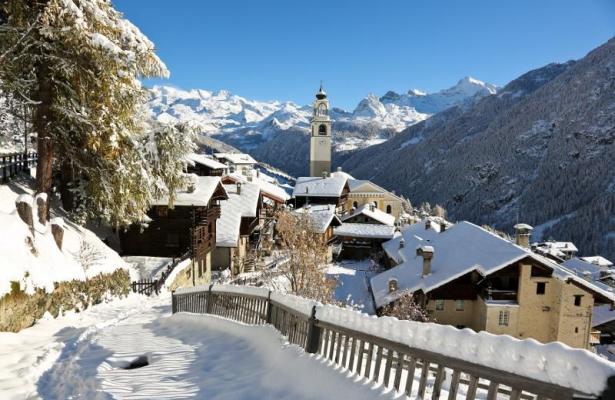
Aosta Valley, Italy
day pass
Opens in 16 days
published season date
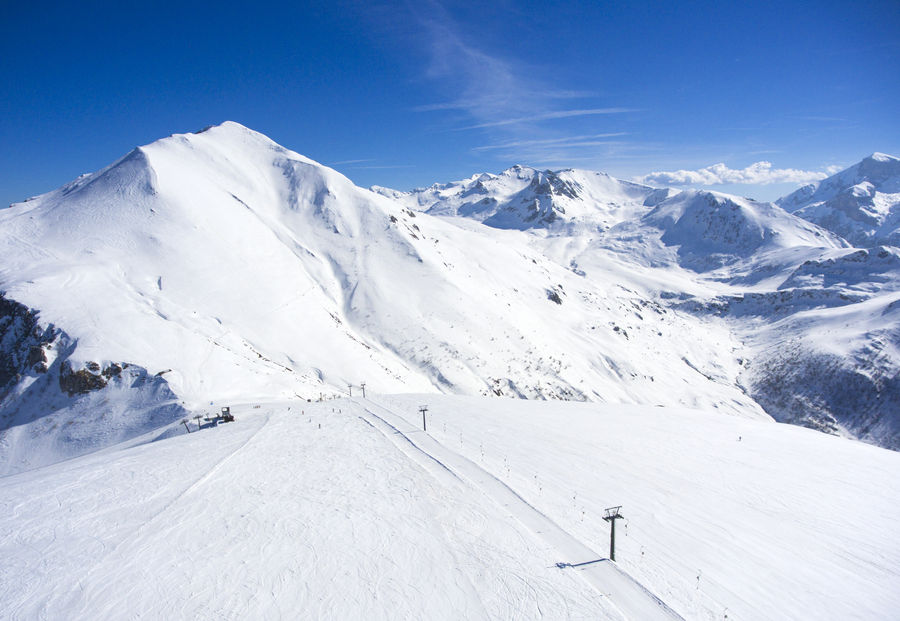
Piedmont, Italy
day pass
Opens in 16 days
published season date
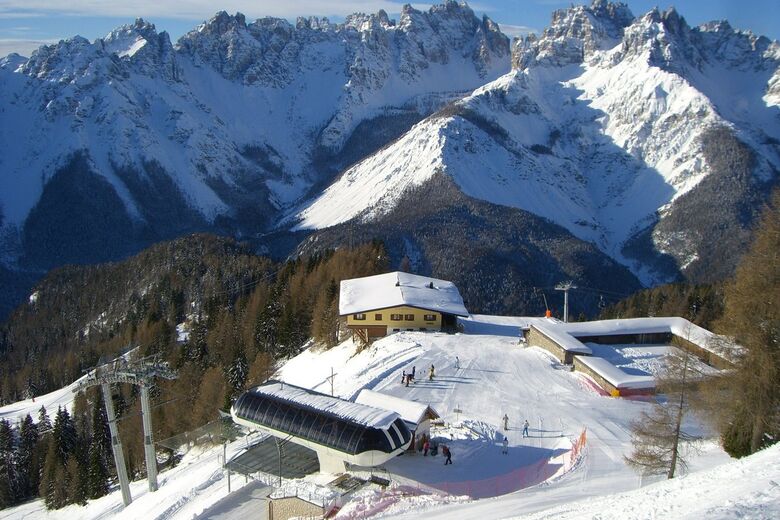
Veneto, Italy
day pass
Opens in 26 days
published season date
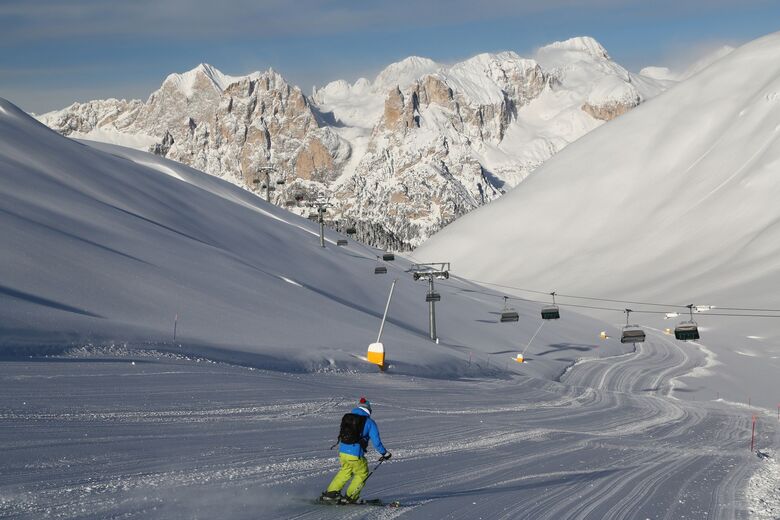
Trentino, Italy
day pass
Opens in 15 days
published season date
For a sustainable trip, consider early and late season. Early season (late November to mid-December) at high-altitude resorts like Breuil-Cervinia or Kronplatz often benefits from natural snow, reducing artificial snowmaking needs. Late season (mid-March to early May) also relies on abundant natural snow and offers warmer temperatures, lowering energy consumption for heating. Midwinter can be sustainable by focusing on resorts with robust public transport options, like those in Trentino-Alto Adige, minimizing car use and supporting resorts with certified green energy initiatives. Check specific resort websites for their sustainability reports.
Not necessarily. While some eco-certified resorts might invest more in sustainable infrastructure, this doesn't always translate to higher lift pass prices. For example, budget-friendly options like Bardonecchia (day pass ≈ €49) and Aprica (day pass ≈ €51) can also be sustainable choices, often due to their smaller scale or local focus. The key is to research the resort's specific environmental practices and compare prices across various options, including accommodation and transport, to find a sustainable trip that fits your budget.
Look for resorts that prioritize renewable energy sources for lifts and buildings, implement comprehensive waste management and recycling programs, and use sustainable water management for snowmaking. Excellent public transport links (e.g., electric ski buses), protection of local biodiversity, and support for local businesses are also strong indicators. Resorts like Kronplatz and Ortisei in Trentino-Alto Adige are often leaders in these areas due to regional commitments to sustainability. Check for environmental certifications or detailed sustainability reports on their official websites.
To minimize your personal impact, choose resorts accessible by train or bus, like many in the Dolomites. Opt for public transport or car-sharing once there. Reduce waste by bringing a reusable water bottle and coffee cup. Choose accommodations with strong eco-credentials. Support local businesses for food and gear rental. Ski on marked trails to protect local flora and fauna. Consider resorts with longer natural snow seasons, such as Breuil-Cervinia, to reduce reliance on energy-intensive artificial snowmaking.
For families, resorts like Ortisei, Kronplatz, and San Martino di Castrozza are excellent choices that often combine family-friendly amenities with strong sustainability efforts. These resorts typically offer good beginner slopes and activities for children while being located in regions known for their environmental consciousness. Bardonecchia and Aprica also cater to families and are more budget-conscious, often implying a smaller, more locally integrated operation with a lower environmental footprint. Always check for specific family programs and eco-friendly certifications when planning.