
Kaprun
Salzburg, Austria
€82
day pass
Snow report pending
updates in season
Our top picks for best ski resorts in austria 2027 are Kaprun, Stubaier Gletscher, Lech Zürs, Silvretta Montafon and Gasteinertal, ranked from live snow depth, verified 2026/27 lift-pass prices and confirmed opening dates.
Austria, renowned for its breathtaking Alpine landscapes and world-class ski resorts, is increasingly embracing sustainable practices to preserve its natural beauty for future generations. For environmentally conscious skiers, selecting resorts committed to ecological stewardship is paramount. This guide focuses on Austrian destinations that are actively working towards reducing their environmental footprint, from energy efficiency and waste management to promoting public transport and protecting local ecosystems. We highlight resorts that integrate sustainability into their operations, ensuring your ski holiday contributes positively to the region's long-term viability while still offering exceptional on-piste and off-piste experiences.
Our curated selection of sustainable and eco-friendly ski resorts in Austria provides practical advice for planning your trip, considering factors like season timing, resort amenities, and budget. Whether you're seeking early-season snow, midwinter adventures, or spring skiing, we offer insights into how to make your visit as green as possible. From resorts like Ski Arlberg, known for its extensive terrain and luxury, to family-friendly options such as Alpbach – Ski Juwel Alpbachtal Wildschönau, discover how to enjoy Austria's slopes responsibly, minimizing your impact while maximizing your enjoyment of the pristine mountain environment.
For early season skiing with a lower environmental impact, consider resorts with reliable natural snow or those investing in green snowmaking technologies. Silvretta Montafon, opening around November 22, 2026, offers robust early-season conditions. Focus on resorts accessible by train to reduce carbon emissions. Opt for accommodations that prioritize energy efficiency and local sourcing. Be mindful of snow depth and stick to marked trails to protect fragile early-season ecosystems.
Midwinter offers peak conditions, and sustainable choices remain key. Resorts like Ski Arlberg (from December 3, 2026) are ideal for advanced skiers and off-piste enthusiasts. Look for resorts that use renewable energy for lifts and facilities. Support local businesses and choose restaurants that highlight regional, seasonal produce. If driving, carpool or use electric vehicles. Respect wildlife and designated protected areas, especially during deep snow periods.
Spring skiing can be incredibly rewarding and eco-friendly due to warmer temperatures and often less need for artificial snow. Obergurgl-Hochgurgl, with a season extending to April 19, 2027, is known for its snow-sure conditions. Take advantage of longer daylight hours to minimize energy consumption in accommodations. Pack reusable water bottles and reduce waste by avoiding single-use plastics. Enjoy the softer snow and consider exploring resorts that are actively rewilding or protecting meltwater streams.
Sustainable skiing doesn't have to break the bank. Wildschönau, opening around December 7, 2026, offers a budget-conscious option with a 6-day pass around €260. Choosing resorts with lower lift pass prices often means a more local, less commercialized experience, which can inherently be more sustainable. Opt for self-catering accommodation, use public transport, and bring your own gear to avoid rentals. Support small, family-run establishments that often have a lower environmental footprint.
For families seeking sustainable options, resorts like Alpbach – Ski Juwel Alpbachtal Wildschönau (from December 5, 2026) or Ellmau – SkiWelt Wilder Kaiser-Brixental (from December 6, 2026) are excellent choices. Teach children about environmental responsibility on the slopes, such as not littering and respecting nature. Inquire about resort initiatives for kids, like eco-education programs. Choose resorts with good public transport links to minimize car use and reduce emissions as a family.
Live prices and weather — click any resort to see the full forecast, lift status, and trail map.
Salzburg, Austria
day pass
Snow report pending
updates in season
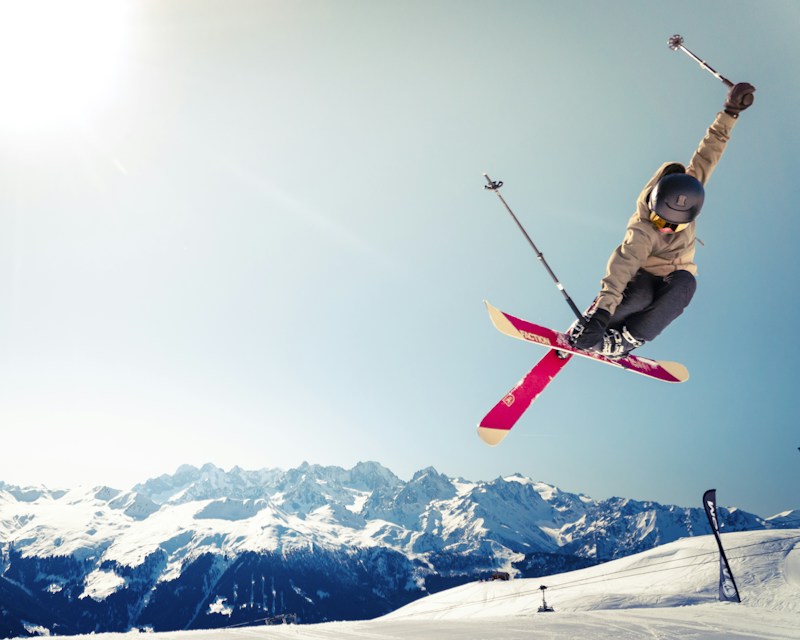
Stubai Valley, Tyrol, Austria
day pass
Snow report pending
updates in season
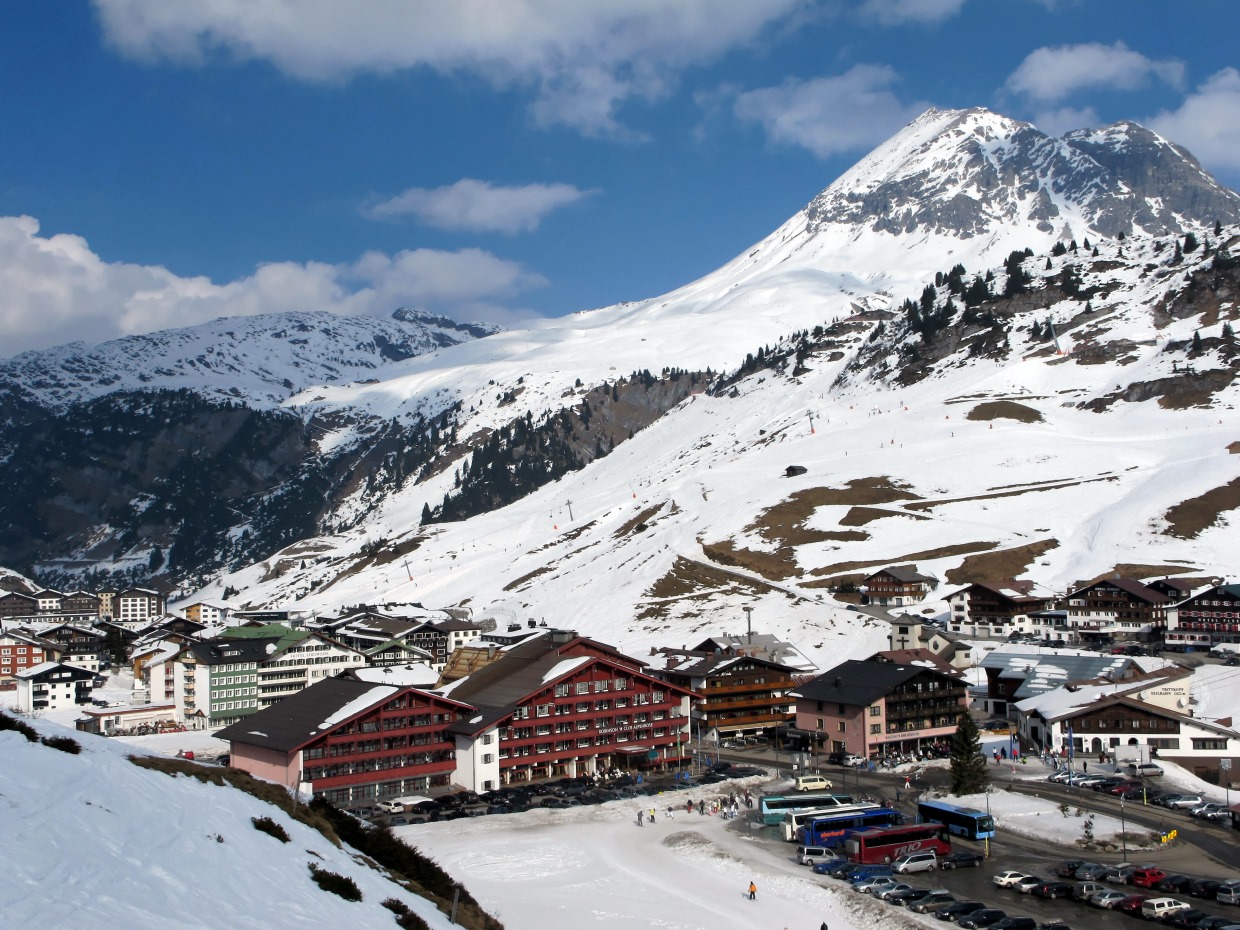
Vorarlberg, Austria
day pass
Opens in 13 days
published season date
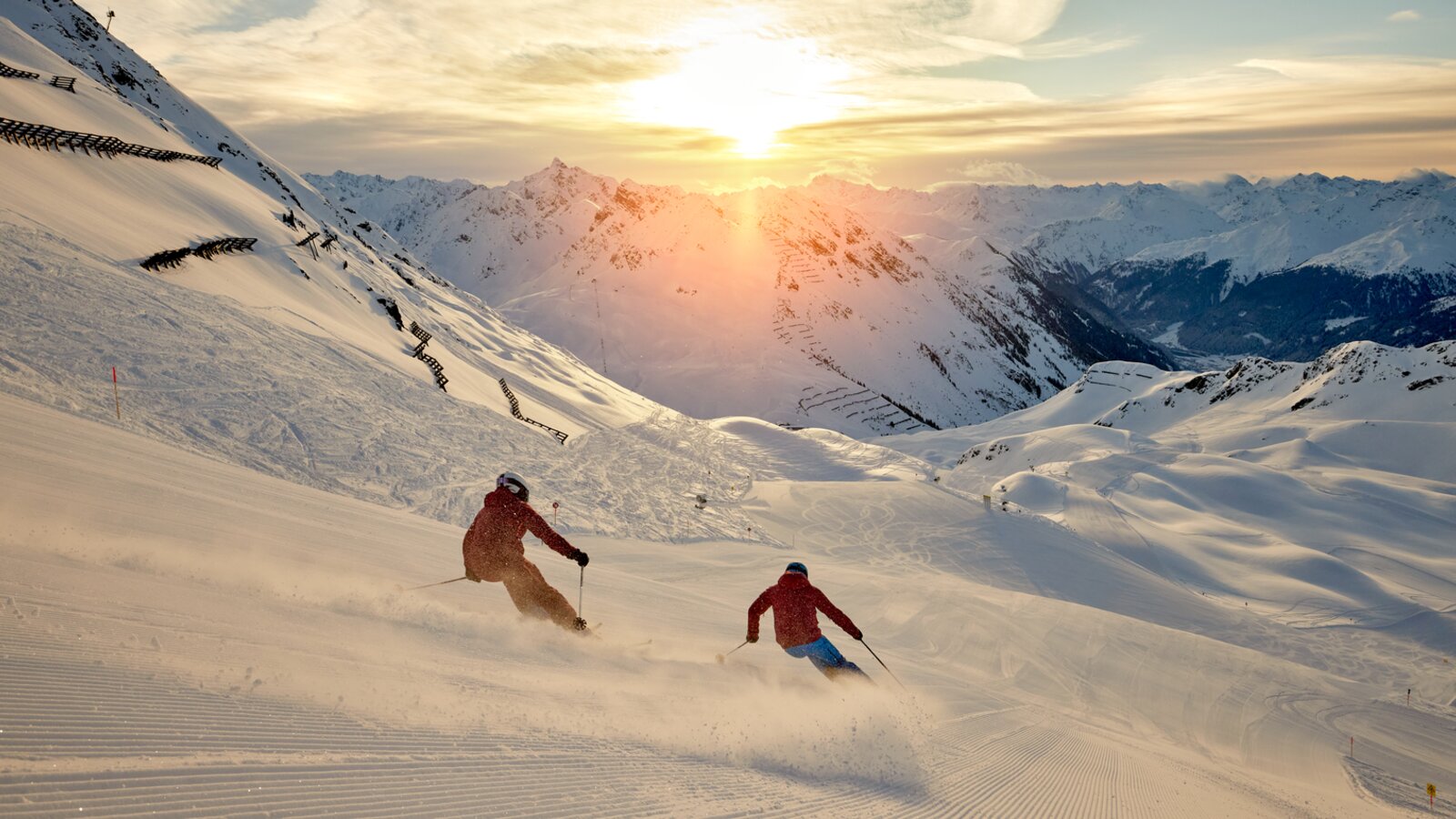
Montafon Valley, Vorarlberg, Austria
day pass
Opens in 8 days
published season date
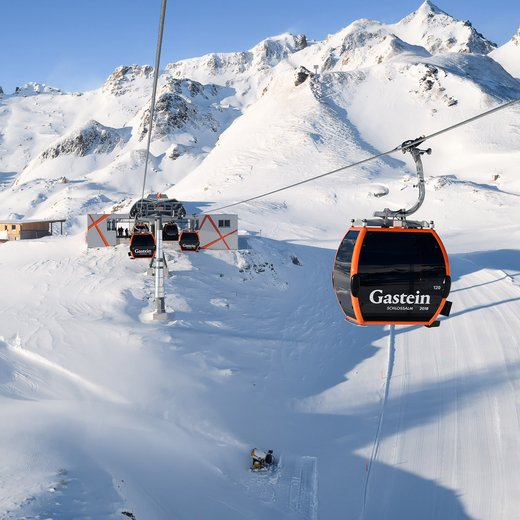
Bad Gastein, Salzburg, Austria
day pass
Opens in 8 days
published season date
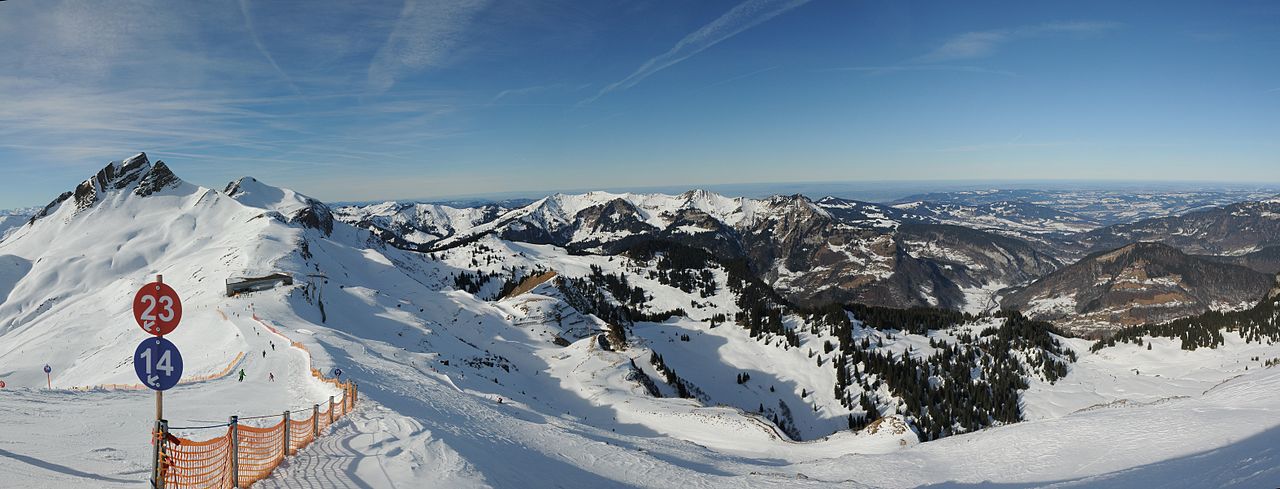
Vorarlberg, Austria
day pass
Opens in 15 days
published season date
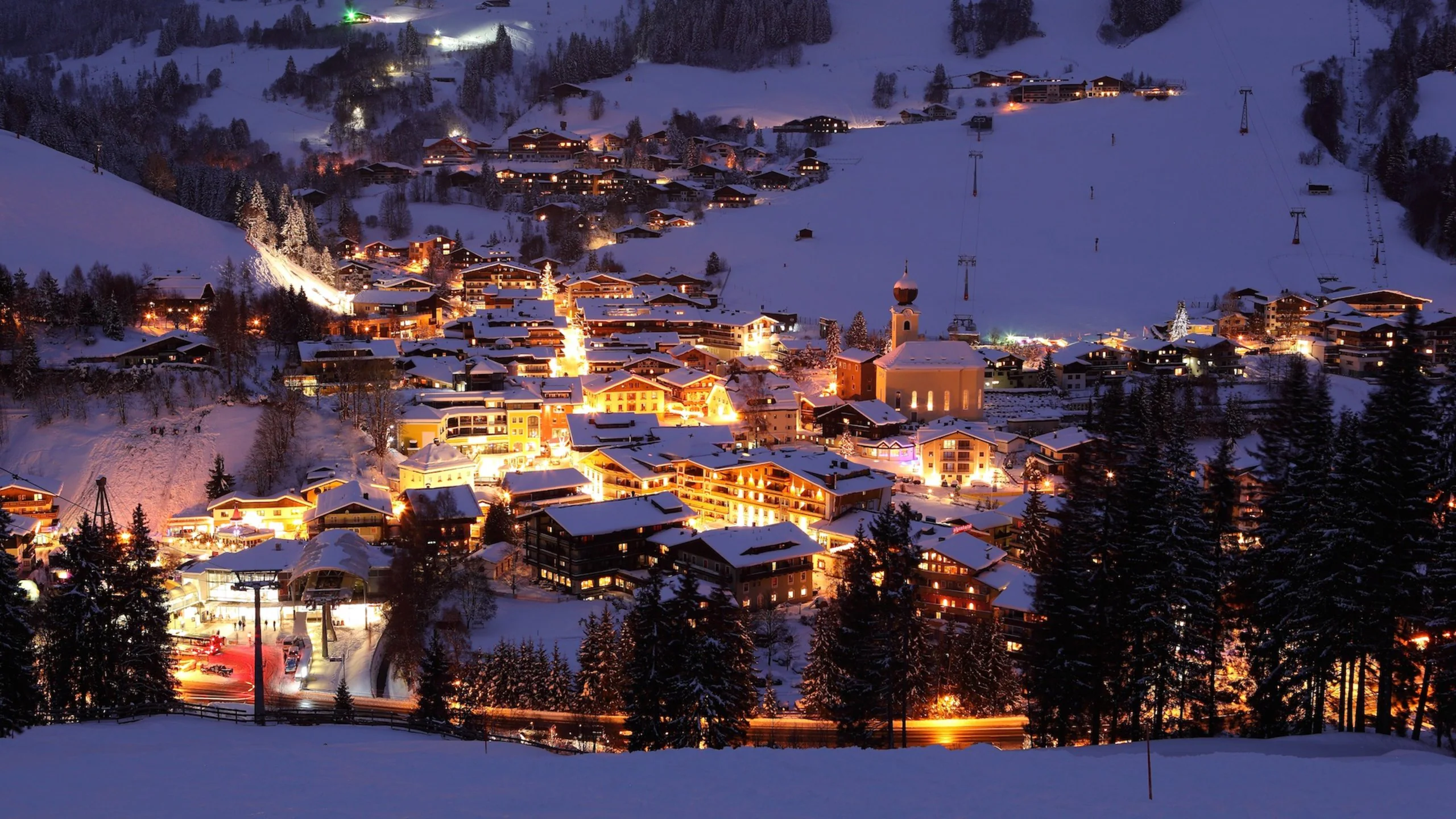
Salzburg, Austria
day pass
Opens in 8 days
published season date
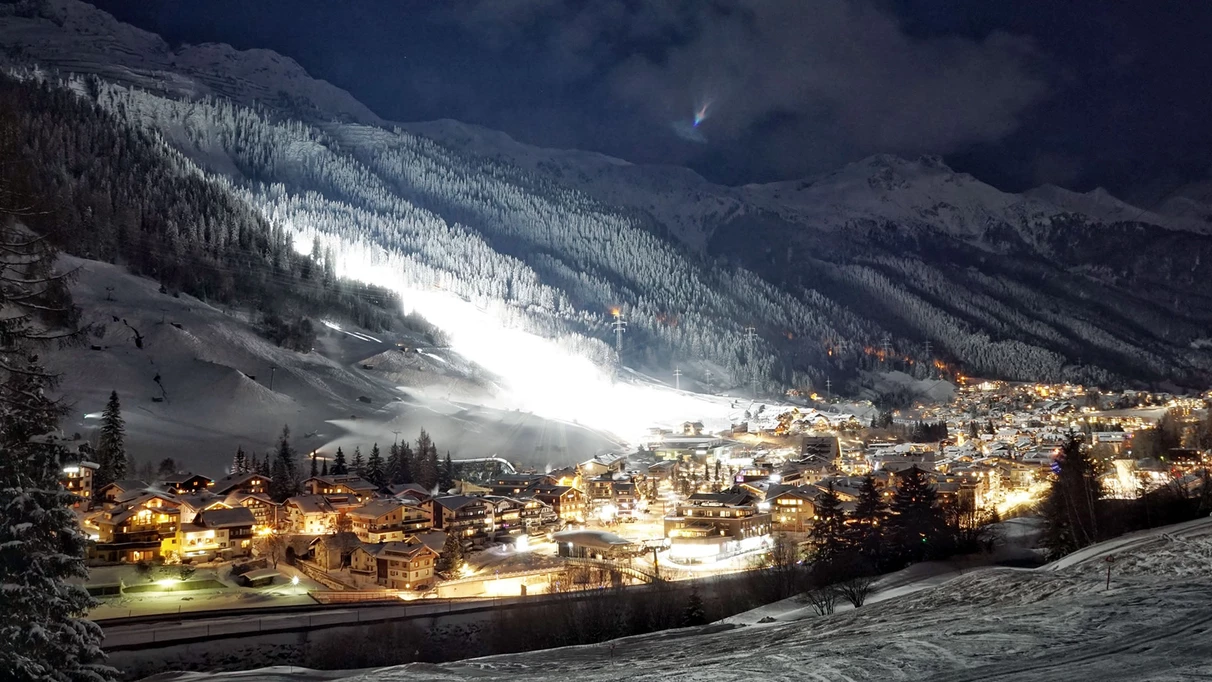
Tirol, Austria
day pass
Opens in 13 days
published season date
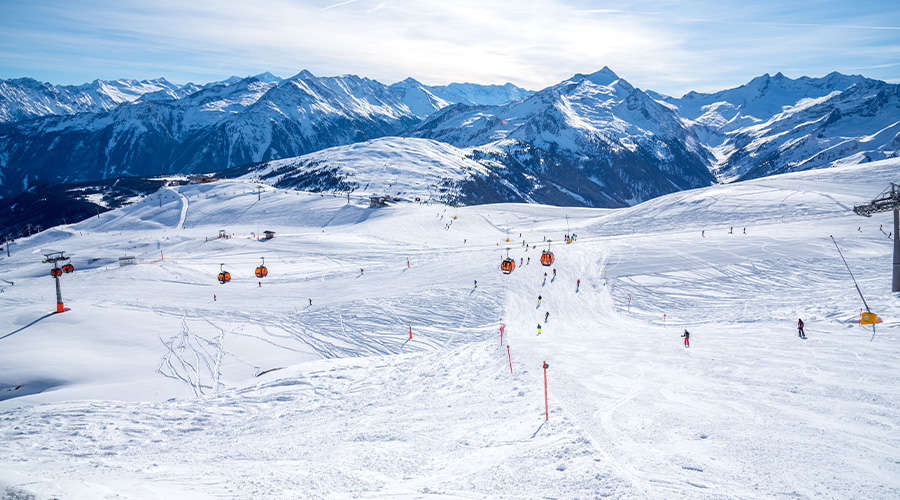
Zillertal Valley, Tyrol, Austria
day pass
Opens in 15 days
published season date

Maria Alm, Salzburg, Austria
day pass
Opens in 16 days
published season date
Tyrol, Austria
day pass
Opens in 16 days
published season date
Alpbach, Austria
day pass
Opens in 15 days
published season date
Salzburg, Austria
day pass
Opens in 15 days
published season date
Lower Austria, Austria
day pass
Opens in 26 days
published season date
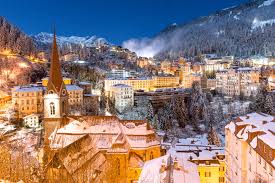
Gastein ski region, Austria
day pass
Opens in 30 days
published season date
Salzburg, Austria
day pass
Opens in 8 days
published season date
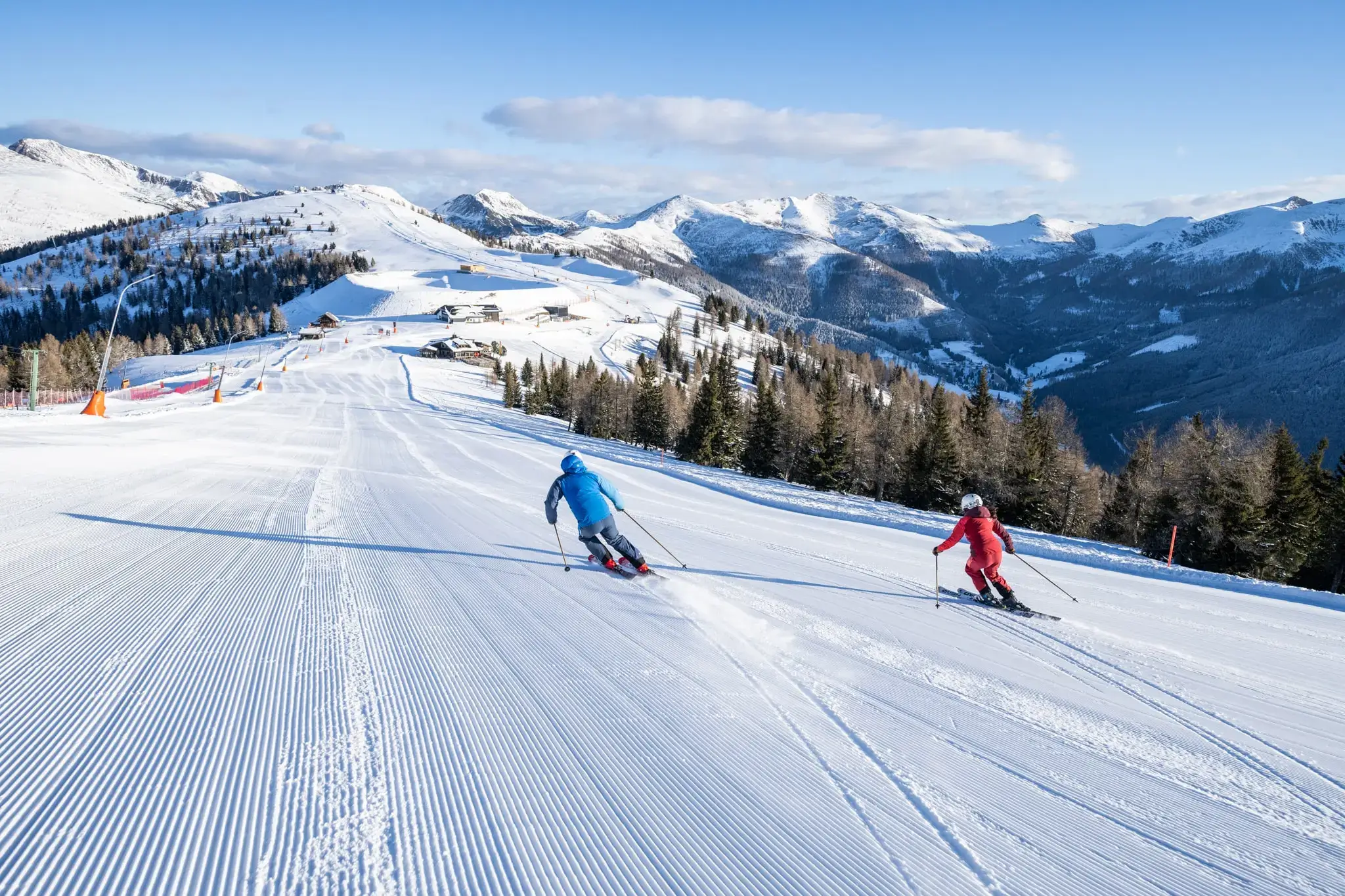
Carinthia, Austria
day pass
Opens in 15 days
published season date
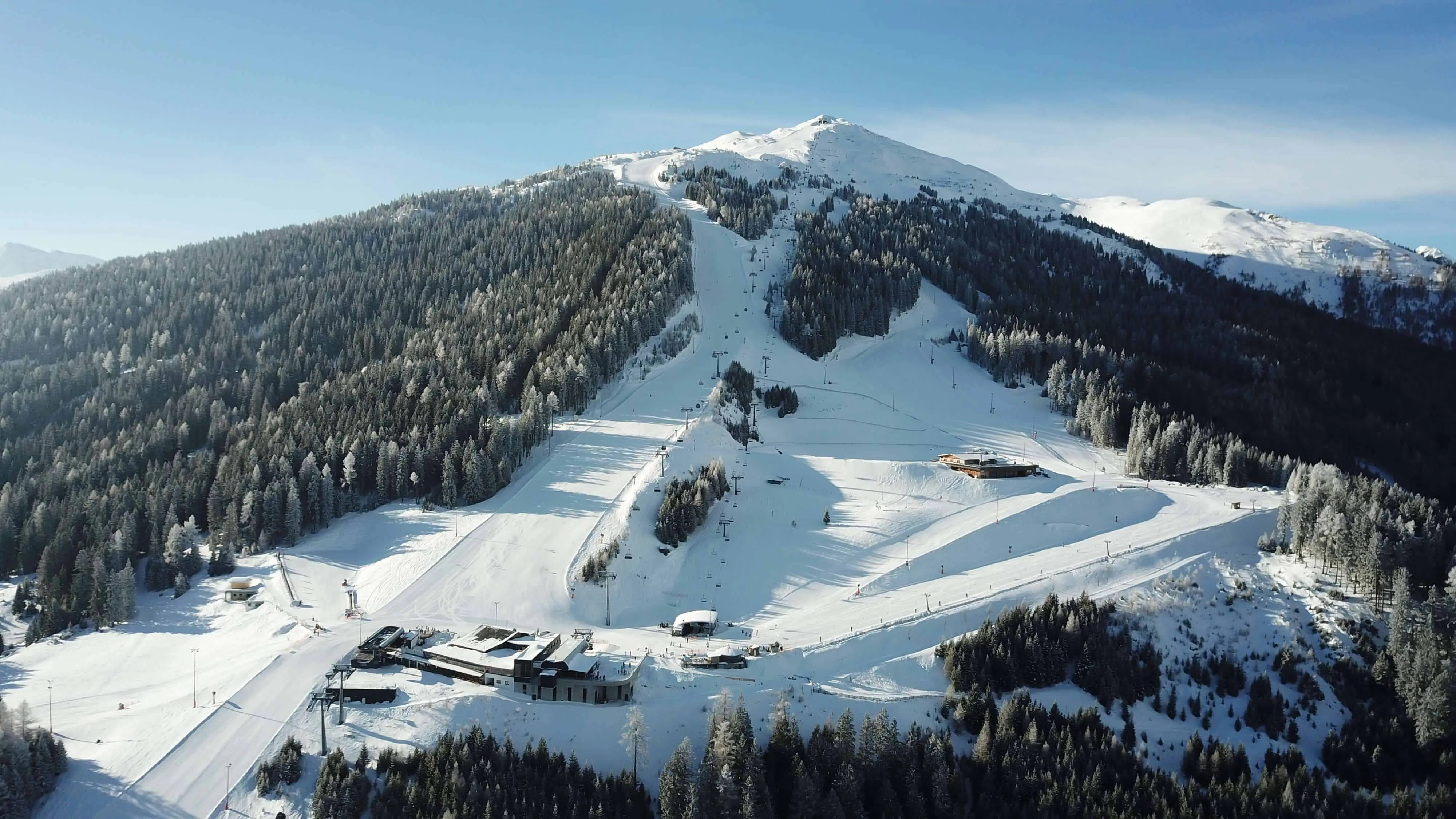
Tirol, Austria
day pass
Opens in 9 days
published season date
Tirol, Austria
day pass
Opens in 29 days
published season date
Vorarlberg, Austria
day pass
Opens in 36 days
published season date
Vorarlberg, Austria
day pass
Opens in 9 days
published season date
Vorarlberg, Austria
day pass
Opens in 23 days
published season date
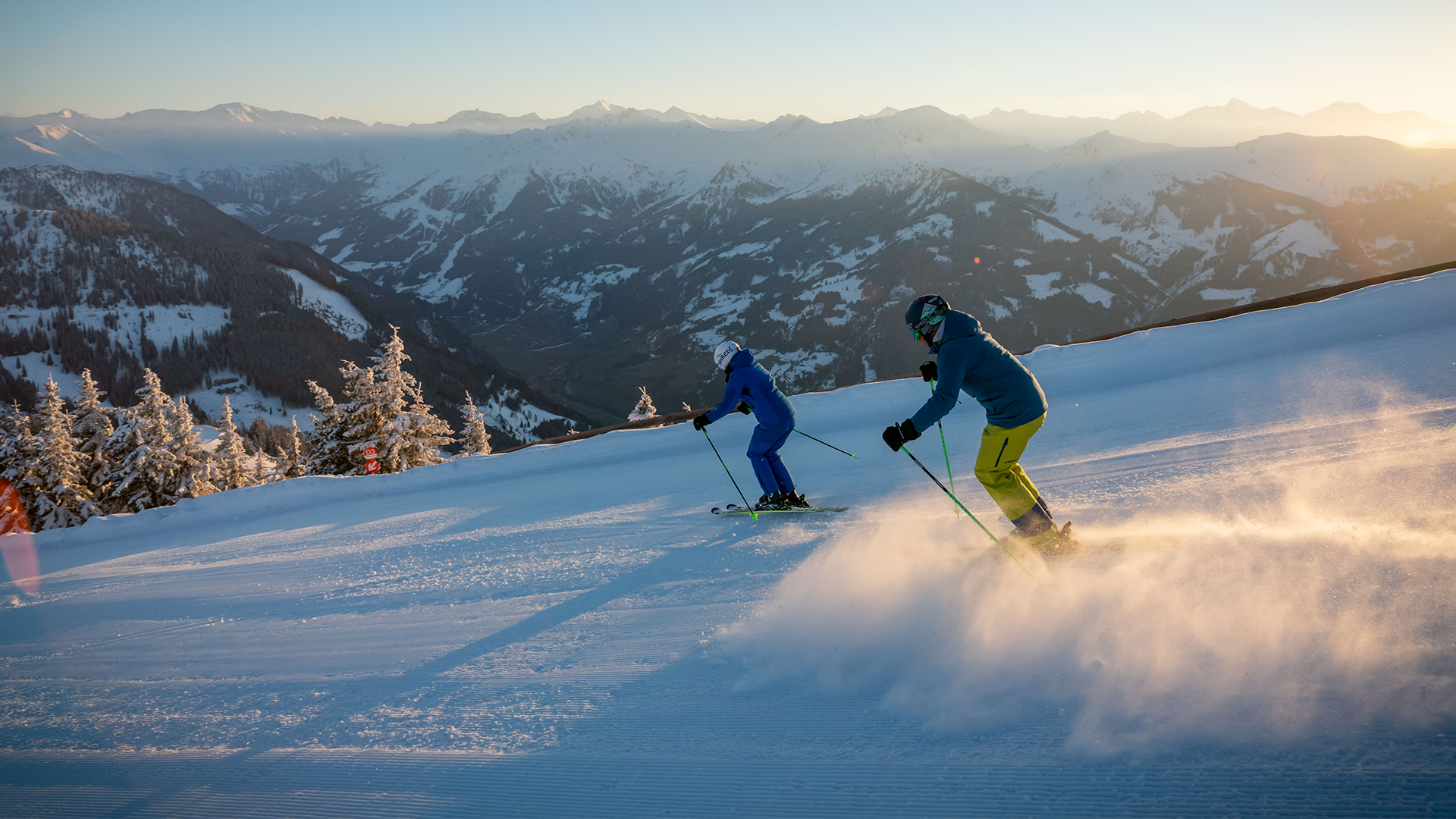
Salzburg, Austria
day pass
Opens in 16 days
published season date
Tirol, Austria
day pass
Opens in 22 days
published season date
Sustainable Austrian ski resorts typically implement a range of initiatives to reduce their environmental impact. This includes using renewable energy sources for lifts and snowmaking, efficient waste management and recycling programs, protecting local biodiversity, and promoting public transport options to and within the resort. They might also invest in eco-certified accommodations and restaurants, support local economies, and manage water resources responsibly. Examples include efforts by larger areas like Ski Arlberg to reduce energy consumption, or smaller resorts focusing on preserving traditional alpine culture and landscapes, ensuring a holistic approach to environmental stewardship.
The 'best' time depends on your priorities. Early season (late November/early December) and late season (March/April) can sometimes offer lower crowds and potentially less impact, provided resorts rely on natural snow. Resorts like Silvretta Montafon open in late November, while Obergurgl-Hochgurgl extends into April. Midwinter (January/February) provides the most reliable snow, but also higher demand. Regardless of the timing, choosing resorts committed to sustainability, minimizing travel impact, and respecting mountain environments are key. Always check specific resort opening and closing dates, as these can vary slightly year to year.
Not necessarily. While some luxury resorts like Obergurgl-Hochgurgl may have higher prices (a 6-day pass around €460), their sustainability efforts are part of their premium offering. However, many resorts with strong eco-credentials, such as Wildschönau (6-day pass around €260), are also budget-friendly. The cost is more influenced by the resort's size, infrastructure, and amenities than solely its sustainability focus. Eco-conscious travel can sometimes even save money through choices like public transport or self-catering. It's about making informed choices rather than assuming a higher price tag for sustainability.
Minimizing your carbon footprint involves several steps. Firstly, prioritize public transport: many Austrian resorts, including those in the Montafon Valley or Ötztal valley, are increasingly accessible by train and bus. If driving, carpool or consider an electric vehicle. At the resort, use ski buses instead of your car. Choose accommodations that are energy-efficient or have eco-certifications. Reduce waste by bringing reusable water bottles and coffee cups. Support local businesses and eat locally sourced food. Even small actions, like turning off lights and conserving water, contribute to a more sustainable ski holiday.
Several Austrian resorts are making significant strides. While specific certifications vary, resorts like Ski Arlberg have invested in renewable energy and extensive public transport networks. Silvretta Montafon focuses on energy efficiency and waste management. Areas within SkiWelt Wilder Kaiser-Brixental, including Ellmau, are recognized for their commitment to environmental protection and responsible tourism. Obergurgl-Hochgurgl, known for its snow reliability, also engages in sustainable practices. When planning, look for resorts that transparently communicate their environmental initiatives, as this indicates a genuine commitment beyond basic compliance.