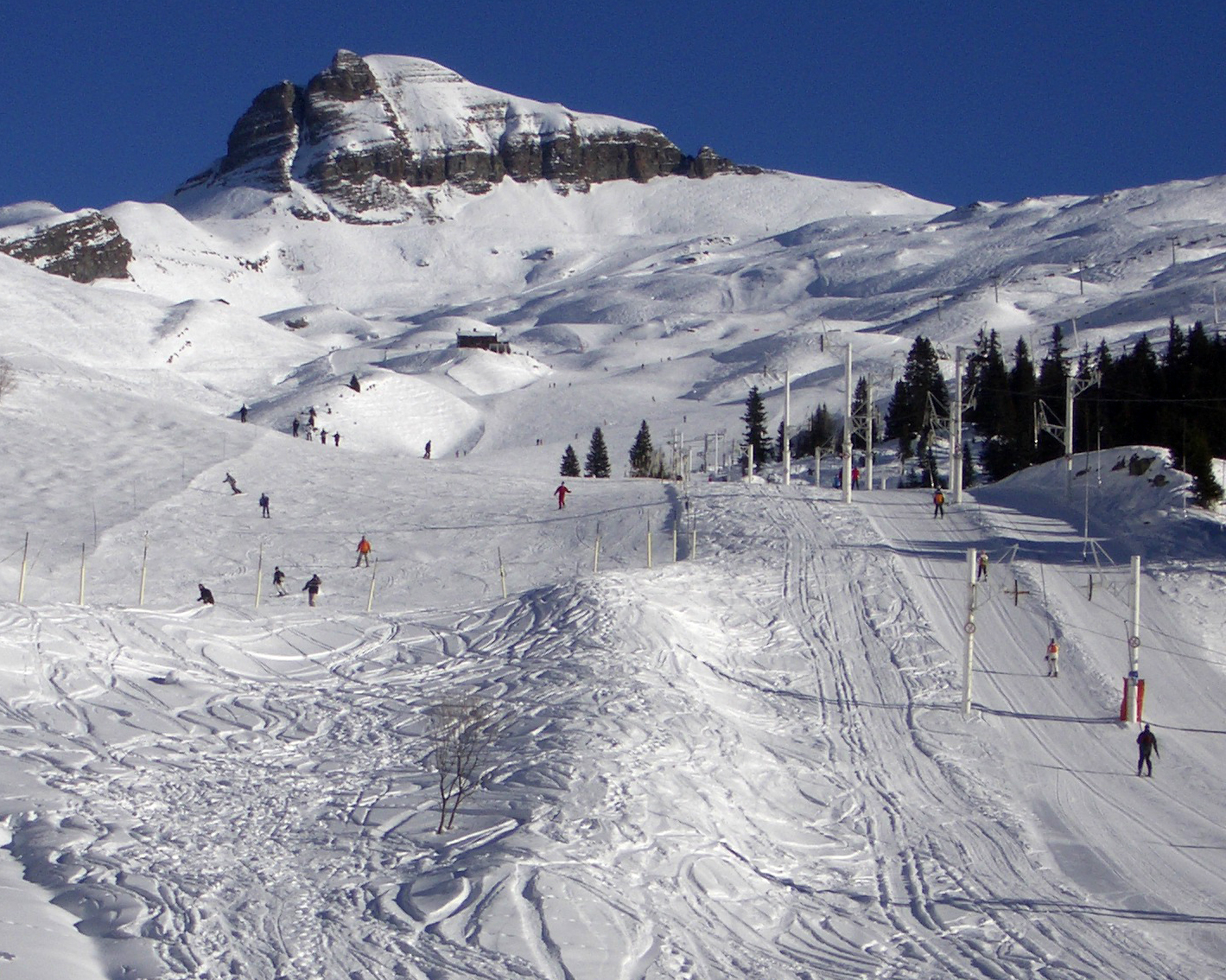
Flaine
Grand Massif, Haute-Savoie, France
€61
day pass
Opens in 16 days
published season date
Our top picks for best ski resorts in france 2027 are Flaine, Les Menuires, Val Thorens, Tignes and La Rosière, ranked from live snow depth, verified 2026/27 lift-pass prices and confirmed opening dates.
Choosing a sustainable ski holiday in France means looking beyond the pistes to the operational practices of resorts. Many French destinations are making significant strides in environmental protection, from renewable energy use to waste reduction and support for local economies. This guide highlights resorts that are actively pursuing eco-friendly initiatives, ensuring your winter escape has a lighter footprint. We focus on destinations committed to preserving the natural beauty of the mountains while still offering exceptional skiing experiences for all levels.
Sustainable travel also involves conscious choices about when and how you ski. Opting for resorts with good public transport links, supporting local businesses, and being mindful of energy consumption are key. Our selections consider factors like resort size, accessibility, and commitment to environmental certifications. By planning your trip with sustainability in mind, you contribute to the longevity of these cherished mountain environments, ensuring they remain pristine for future generations of skiers and snowboarders.
For an eco-conscious start to the season, consider resorts like Auron (Alpes-Maritimes, France) or Cauterets (Hautes-Pyrénées, France), both opening early December 2026. These resorts, particularly Cauterets, often benefit from natural snowfall, reducing the need for extensive snowmaking. Early season skiing can also mean fewer crowds, lessening the environmental impact from traffic and infrastructure strain. Look for resorts that prioritize local sourcing for food and services.
During midwinter, when snow is typically abundant, focus on resorts with strong public transport links or car-sharing initiatives. La Clusaz (Haute-Savoie, France) and Font Romeu (Pyrénées Catalanes, Occitanie, France) are excellent choices, offering competitive prices and often promoting sustainable transport. Their commitment to local communities and responsible tourism helps minimize environmental impact during peak periods. Check for resorts using renewable energy for lifts.
As the season winds down, spring skiing offers warmer temperatures and longer days. Resorts like La Plagne (Savoie, France) and La Clusaz (Haute-Savoie, France) extend their seasons into late April 2027, often relying on natural snow cover. This period can be ideal for reducing energy consumption associated with artificial snow. Choose resorts that actively manage water resources and promote responsible waste disposal, especially during the melt.
Sustainable skiing doesn't have to break the bank. Resorts like La Rosière (Espace San Bernardo, Savoie, France) and Cauterets (Hautes-Pyrénées, France) offer great value, with 6-day passes around €275 and €270 respectively. Budget-conscious travel often aligns with sustainability by encouraging simpler choices and supporting smaller, local establishments. These resorts are often praised for their community integration and lower environmental footprint per visitor.
For families seeking sustainable options, resorts like Flaine (Grand Massif, Haute-Savoie, France) and Valloire (Savoie, France) are excellent. Flaine, with its car-free centre, significantly reduces local emissions. Valloire focuses on preserving its traditional village charm, promoting local culture and reducing environmental impact. Engaging children in eco-friendly practices during their holiday can also foster a lifelong appreciation for sustainable travel and nature.
Live prices and weather — click any resort to see the full forecast, lift status, and trail map.
Grand Massif, Haute-Savoie, France
day pass
Opens in 16 days
published season date
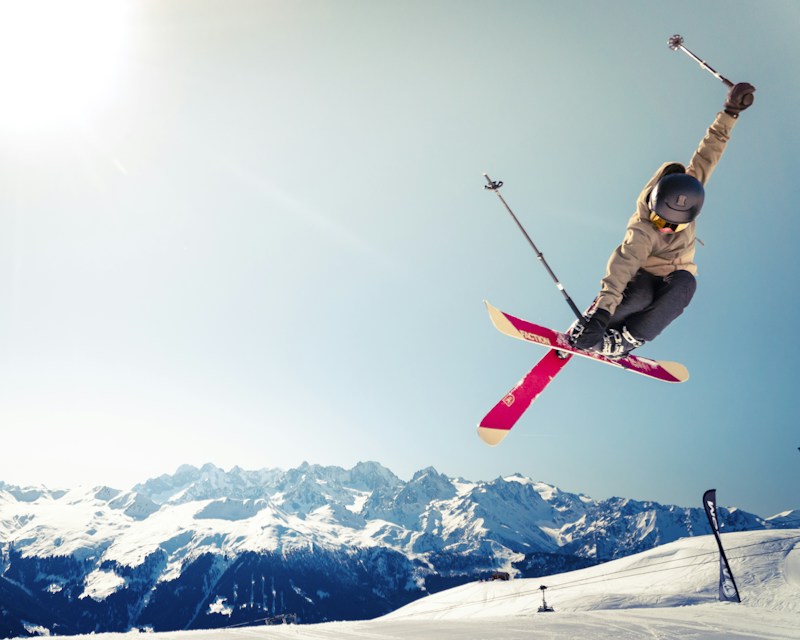
3 Vallées, Savoie, France
day pass
Opens in 16 days
published season date
Savoie, France
day pass
Opens in 2 days
published season date
Savoie, France
day pass
Opens in 2 days
published season date
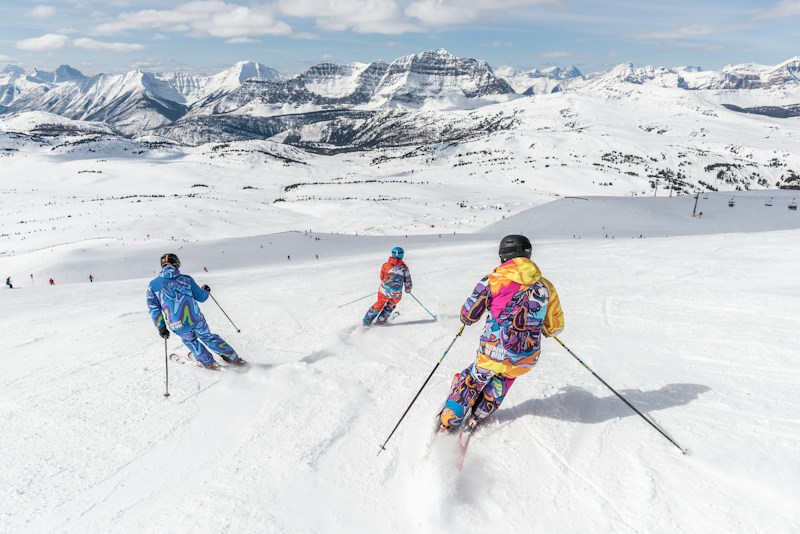
Espace San Bernardo, Savoie, France
day pass
Opens in 23 days
published season date
Isère, France
day pass
Opens in 9 days
published season date
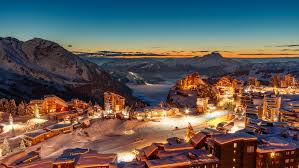
Haute-Savoie, France
day pass
Opens in 22 days
published season date
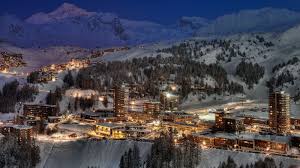
Savoie, France
day pass
Opens in 23 days
published season date
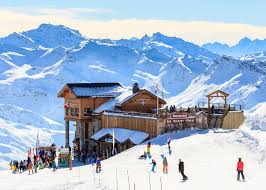
Savoie, France
day pass
Opens in 15 days
published season date
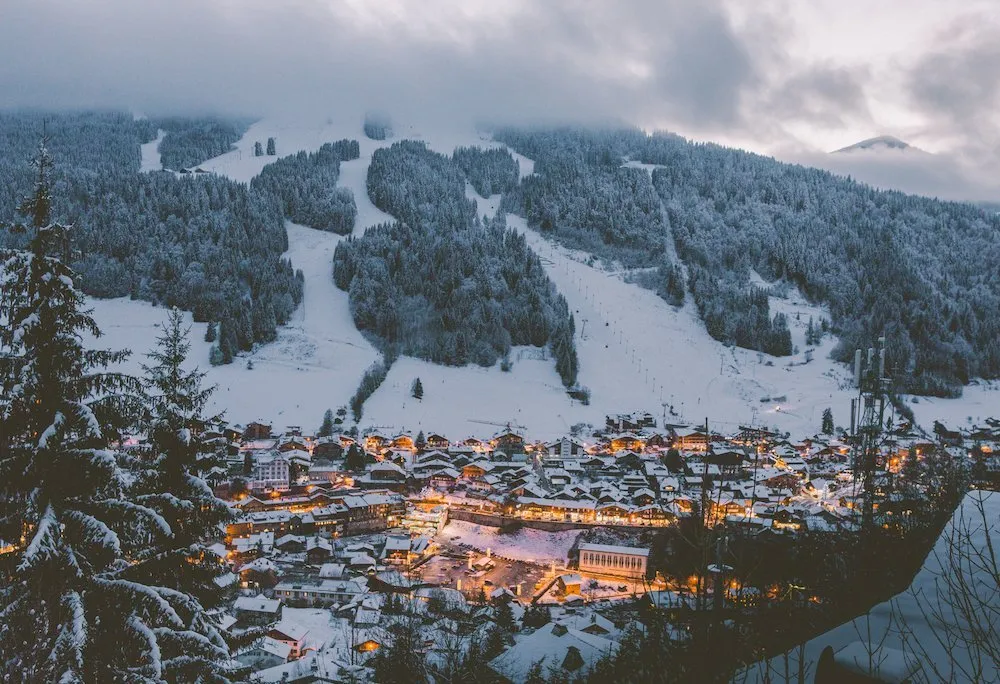
Portes du Soleil, Haute-Savoie, France
day pass
Opens in 30 days
published season date
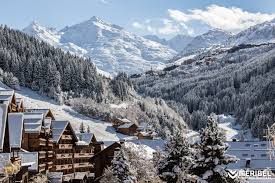
Savoie, France
day pass
Opens in 16 days
published season date
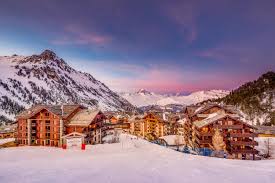
Savoie, France
day pass
Opens in 23 days
published season date
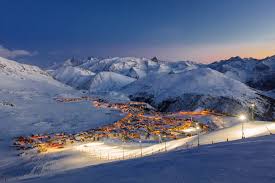
Isère, France
day pass
Opens in 16 days
published season date
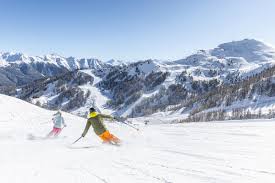
Hautes-Alpes, France
day pass
Opens in 16 days
published season date
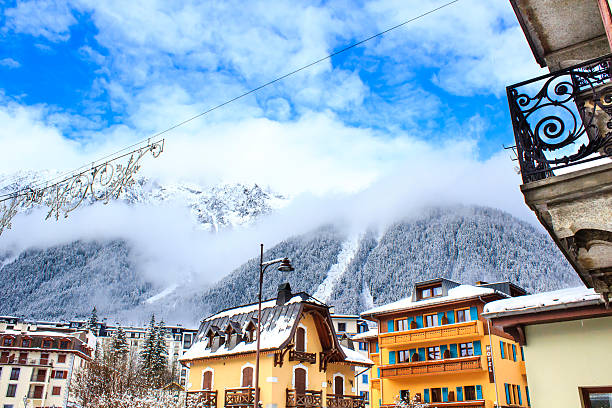
Haute-Savoie, France
day pass
Opens in 9 days
published season date
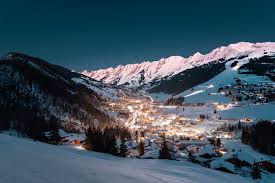
Haute-Savoie, France
day pass
Opens in 24 days
published season date
Savoie, France
day pass
Opens in 9 days
published season date

Pyrénées Catalanes, Occitanie, France
day pass
Opens in 15 days
published season date
Savoie, France
day pass
Opens in 30 days
published season date
Hautes-Pyrénées, France
day pass
Opens in 6 days
published season date
Haute-Savoie, France
day pass
Opens in 23 days
published season date
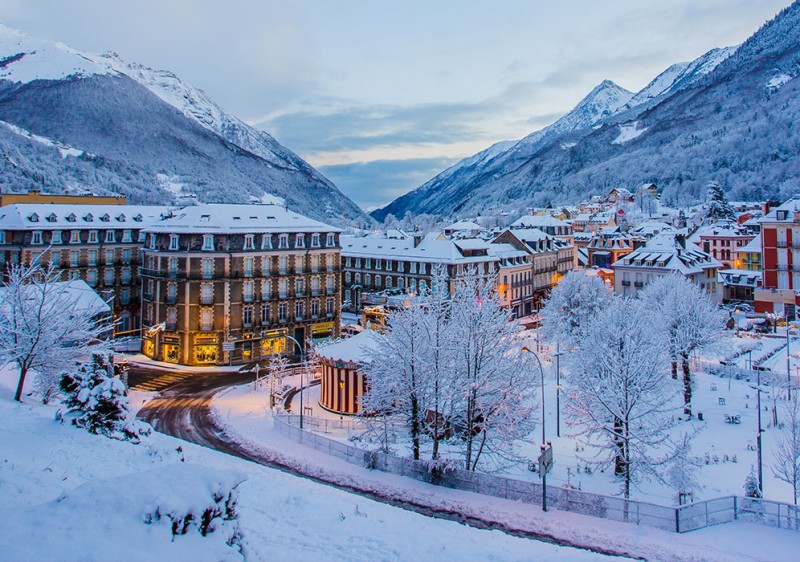
Hautes-Pyrénées, France
day pass
Opens in 8 days
published season date
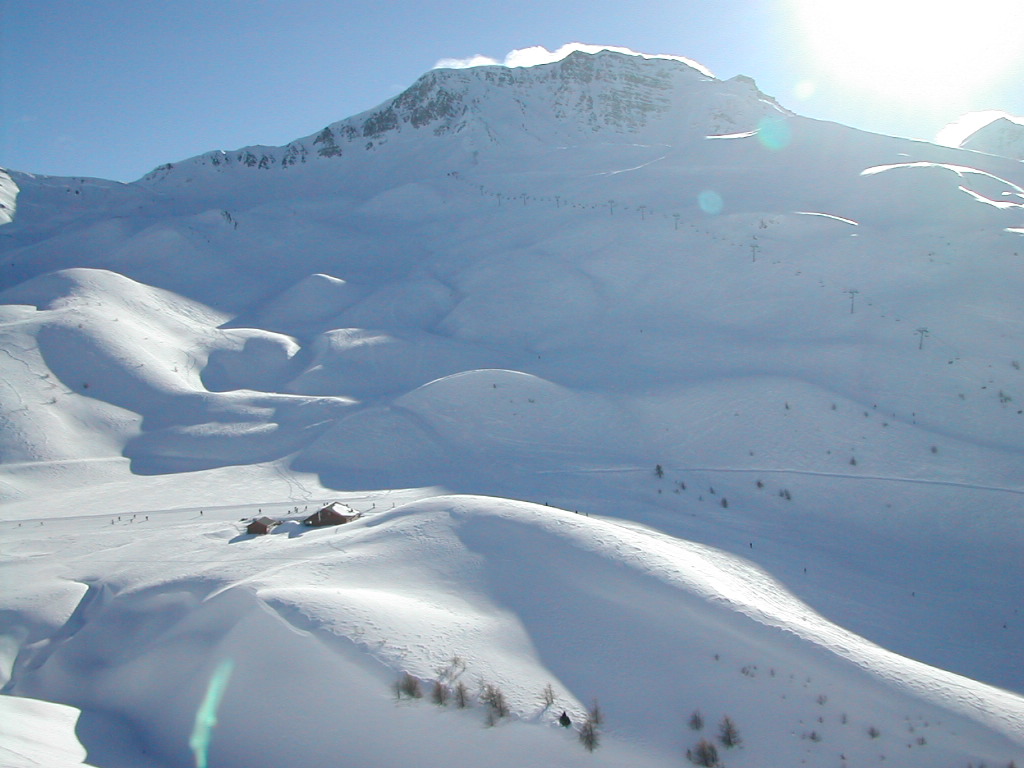
Hautes-Alpes, France
day pass
Opens in 16 days
published season date
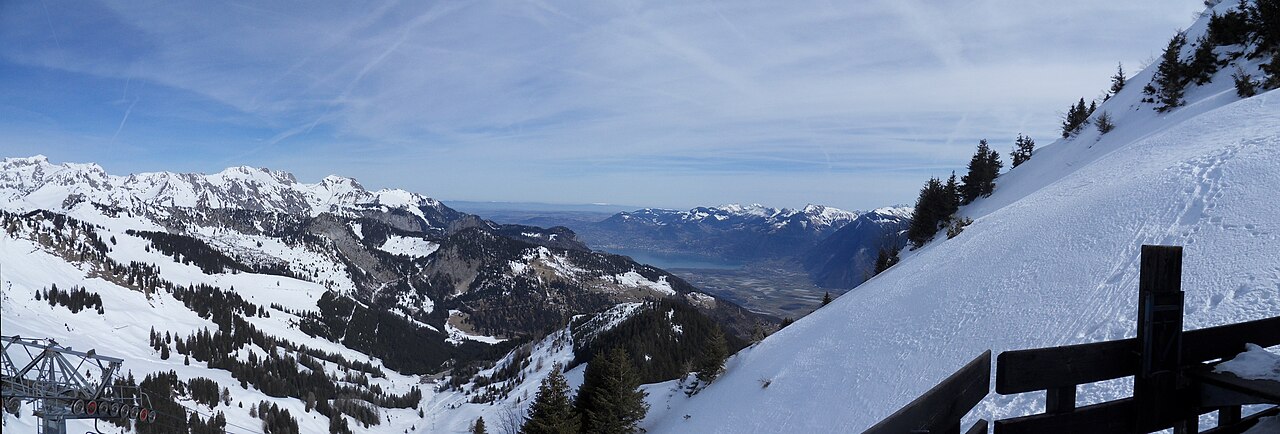
Haute-Savoie, France
day pass
Opens in 16 days
published season date
Sustainable French ski resorts typically implement various environmental initiatives. These can include using renewable energy for ski lifts and buildings, efficient snowmaking systems that minimize water usage, waste reduction and recycling programs, and promoting public transport or carpooling. They often support local economies by sourcing food and services locally, and invest in protecting biodiversity. Resorts like La Clusaz actively work on reducing their carbon footprint, focusing on preserving the natural mountain environment for future generations of skiers.
Not necessarily. While some eco-friendly initiatives might incur costs, many sustainable practices also lead to efficiencies. Resorts like Font Romeu (Pyrénées Catalanes, Occitanie, France) and La Rosière (Espace San Bernardo, Savoie, France) offer competitive prices, with 6-day passes around €261 and €275 respectively, demonstrating that sustainability can be accessible. Choosing budget-friendly resorts often aligns with sustainable travel by encouraging simpler, less resource-intensive holidays, proving that eco-conscious skiing doesn't always come with a premium price tag.
The best time for a sustainable ski trip often depends on natural snow conditions. Early season (December) and late season (April) can be good, as resorts like Auron (Alpes-Maritimes, France) and La Plagne (Savoie, France) often rely on natural snowfall during these periods, reducing the need for energy-intensive artificial snow. Midwinter also offers reliable snow. Opting for less crowded periods, if possible, also reduces the overall environmental impact from visitor numbers and infrastructure strain, contributing to a more sustainable experience.
To reduce your environmental impact, consider taking public transport to resorts like Alpe d'Huez or Méribel, or carpooling. Choose accommodation that prioritizes energy efficiency and waste reduction. Support local businesses and restaurants, reducing the carbon footprint associated with imported goods. Be mindful of your energy and water consumption, and dispose of waste responsibly. Opting for resorts like Flaine, which is car-free, inherently minimizes local emissions, making your personal choices align with the resort's sustainable efforts for a greener holiday.
Absolutely. Sustainable resorts in France cater to a wide range of visitors. For example, La Plagne (Savoie, France) and Flaine (Grand Massif, Haute-Savoie, France) are excellent for families and beginners, while Valloire (Savoie, France) offers terrain for intermediates and advanced skiers, including snowparks. Many sustainable resorts understand the importance of diverse offerings to attract and retain visitors, ensuring that eco-conscious choices don't mean compromising on the quality or variety of your ski experience for any skill level or group type.