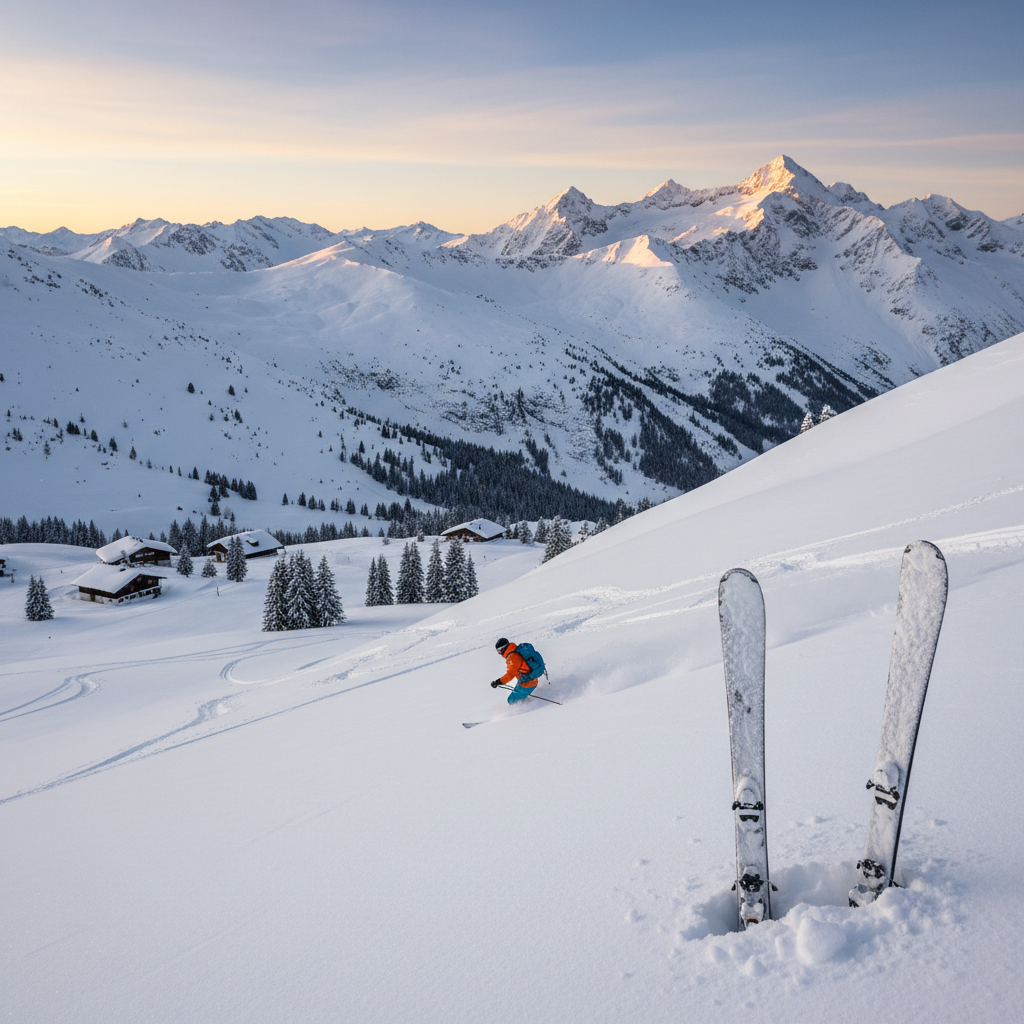
Best Powder Skiing Destinations Worldwide: Where to Chase the Deepest Snow
If you live for face shots, cold smoke and that weightless feeling of floating through untouched snow, choosing the right powder skiing destination matters almost as much as your skis. Some resorts get reliable dumps every week; others deliver only occasional storms. Knowing where – and when – to go is the difference between tracking up leftovers and lapping bottomless fresh.
In this guide, we’ll dig into the best powder skiing destinations worldwide and share practical advice on timing, terrain, and trip planning. We’ll also point you to detailed resort and country guides on Where to Ski so you can turn your powder dreams into a real itinerary.
Hotels near Japan ski resorts
What Makes a Great Powder Destination?
Before diving into specific resorts, it helps to understand what “great powder” really means. Powder destinations share a few key traits:
- High annual snowfall – You want resorts that regularly see deep storm totals, not just the occasional big event.
- Cold, consistent temperatures – To keep snow light and dry, the air needs to stay cold, especially overnight.
- Favourable geography – Proximity to moisture sources (oceans, lakes) and mountain orientation amplifies snow.
- Snow-sure terrain – High elevations, north-facing slopes and, in some cases, glacier access or strong snowmaking to keep conditions dependable.[2]
Japan: The World Capital of Consistent Powder
Niseko and Hokkaido
Japan’s northern island of Hokkaido has become legendary among powder skiers for its combination of huge snowfall and consistently cold temperatures. Storms roll in from the Sea of Japan, dropping light, dry snow day after day.
The most famous destination is Niseko, a multi-area ski region with tree-lined off-piste terrain, accessible backcountry gates, and a nightlife that caters to international visitors. Niseko regularly records several meters of snowfall each season, with January often delivering nearly daily top-ups.
Why Niseko is a powder magnet:
- Maritime climate with continuous storm cycles.
- Cold Siberian air meeting moist sea air, producing repeated snow events.
- Extensive off-piste and sidecountry accessible via gates (for experienced riders with avalanche gear).
- Best time: Late December through early February, with January the sweet spot for most consistent deep days.
- Crowds: Powder reputation means busy slopes; start early and explore lesser-known gates.
- Gear: Bring wider skis (100–115 mm underfoot) and consider a helmet-mounted headlamp for pre-dawn starts.
The Alps: Big Vertical and Storm-Driven Powder
The Alps deliver some of the most dramatic powder skiing in the world when Atlantic and Mediterranean storms roll through. Conditions can be more variable than Japan or interior North America, but when it’s on, it’s unforgettable.
To compare Alpine regions and see a broad overview, start with our Alps ski resorts guide, then drill down into specific countries and resorts.
France: High Altitude and Big-Scale Powder
France offers several high, snow-sure areas that combine powder potential with huge ski domains.
- Val Thorens – Three Valleys
- Chamonix – Freeride Mecca
Powder strategy in France:
- Use high, snow-sure bases like Val Thorens as your home resort and day-trip to nearby areas when storms align.
- For late-season powder, aim for north-facing slopes and higher sectors, ideally resorts listed in our snow-sure resort index.
Switzerland and Austria: Reliable Winter, Deep Days
Switzerland and Austria mix reliable winter snow with classic Alpine culture.
- Zermatt – High Alpine Snow-Sure Terrain
- Verbier – Freeride and Backcountry Powder
- St. Anton am Arlberg – Austria’s Powder Playground
If you’re planning an Austria-focused powder trip, our best Austrian ski resorts guide highlights the most snow-sure and freeride-friendly options in the country.
North America: Deep, Dry, and Lift-Accessible
North America – particularly the Rockies, Sierra Nevada, and Coast Mountains – is synonymous with deep, dry powder, especially in interior regions where cold temperatures keep snow light.
For a big-picture comparison, start at our North America ski resorts overview, then dive into regional guides for the Rockies, USA and Canada.
USA: Colorado and Beyond
Colorado regularly grabs headlines for powder storms and bluebird days. Elevations are high, temperatures cold, and many resorts sit in ideal storm corridors.
- Vail
- Aspen Snowmass
For a detailed look at US options, from Intermountain powder hubs to Sierra snow-machines, read our best ski resorts in the USA and best Colorado ski resorts guides.
Practical powder tips in the USA:
- Timing: January and February are the most reliable months for deep snow in many Rockies resorts.[4]
- Booking: Peak weeks (Christmas and Presidents’/February breaks) require early lodging reservations; if you want powder with fewer crowds, target early to mid-January or early March.[4]
- Flexibility: For multi-resort trips, use storm tracking apps and be ready to change resorts mid-week to chase fresh snow.
Canada: Whistler, Rockies, and Interior Deep Days
Canada combines Pacific-driven storm cycles with cold continental interiors, offering some of the most consistently deep snow on the planet.
- Whistler Blackcomb
- Canadian Rockies and Interior BC
For a country-wide overview of Canada’s best snow destinations, including both big-name and sleeper powder mountains, check best ski resorts in Canada.
Scandinavia and Nordic Powder: Colder, Shorter Days, But Gorgeous
When people think powder, Scandinavia isn’t always top of mind – but northern Sweden and Norway offer reliable winter conditions and excellent tree skiing, with the added bonus of fewer crowds.
- Åre, Sweden
- Trysil and Hemsedal, Norway
To understand how Sweden and Norway compare for a ski trip, read our Sweden vs Norway skiing comparison, and for a broader Nordic perspective including cross-country, see Nordic skiing comparison.
Emerging Powder Destinations: Asia and China
The classic powder destinations are well-known, but newer regions are beginning to make a mark.
Gulmarg and the Himalayas
In India, Gulmarg has attracted advanced skiers looking for big-mountain powder with a lower price tag.[3] A week-long trip including lodging, lifts, and gear can be significantly cheaper than equivalent time in the Alps or North America, and the Himalayan setting offers massive vertical.
Key considerations for Gulmarg:
- Terrain and snowpack are more complex, requiring solid avalanche knowledge.
- Infrastructure is improving but still less polished than Western resorts.
- Powder potential is huge when storms align, but you must be prepared for variability.
China’s Cold, Continental Snow
Northern Chinese resorts like Yabuli offer cold winter temperatures and solid snowfall, catering more to advanced skiers ready to explore off-piste sections.[5] The best snow generally falls late December through early February, with January the most reliable month for cold, dry conditions.[5]
While infrastructure and crowd management (especially around Chinese New Year) can be challenging, for adventurous powder hunters, these destinations represent an intriguing frontier.
When to Go: Timing Your Powder Trip
Even at the best powder destinations, timing matters. A few general rules apply:
Mid-Winter Is King
Across most of the Northern Hemisphere, mid-winter (late December to mid-February) is peak time for dependable powder:
- Cold temperatures preserve snow quality and keep surface layers light and dry.[5]
- Storm frequency is highest in many regions during this window, increasing your odds of scoring fresh tracks.
Shoulder Season Powder: Early and Late
Shoulder months can still deliver fantastic powder days:
- Early season (late November to early December) – Best at high, snow-sure resorts with good base elevation and snowmaking. See our early-season ski resorts guide for destinations that typically open with solid coverage.
- Late season (March and early April) – Warmer temperatures mean more variable snow, but high-elevation, snow-sure resorts can still deliver surprise powder days.[2] For ideas, consult our snow-sure April resorts guide.
Flexibility Beats Certainty
No matter where you go, powder is never fully guaranteed. To maximize your chances:
- Build flexibility into your trip – Choose a region with multiple resorts within driving distance, so you can move to whichever mountain is getting the most snow.
- Watch forecast tools – Frequent checks of snow forecasts and storm tracking data help you decide where to ski each day.
- Avoid peak holiday weeks – Crowds and higher prices make powder hunting harder; midweeks in January or early March are often ideal.[4]
Practical Advice for Powder Skiers
Choose the Right Destination for Your Skill Level
Powder skiing is more demanding than groomed runs. Make sure your destination matches your experience:
- Beginners and low intermediates – Look for resorts with gentle off-piste and well-managed sidecountry; our beginner-friendly resorts guide can help you find mountains where you can safely progress.
- Strong intermediates – Aim for resorts with tree runs and mellow bowls, plus good guiding services. Many destinations listed in our family-friendly ski resorts guide offer accessible powder terrain.
- Experts – If you’re comfortable with steep, complex terrain and avalanche gear, focus on freeride hubs. Our off-piste destinations guide highlights resorts where powder and advanced terrain are the main event.
Gear Setup for Deep Days
To get the most out of powder, consider tuning your gear:
- Skis – For consistent powder, aim for 100–115 mm underfoot with some rocker in the tip and tail. In super-deep or Japan-style conditions, 115–125 mm can make life easier.
- Bindings – Ensure DIN settings match your weight and ability; too low and you’ll pre-release in heavy snow, too high and falls become risky.
- Avalanche kit – For any off-piste or sidecountry, carry a transceiver, shovel, probe, and know how to use them.
Safety and Local Knowledge
Powder skiing in ungroomed terrain comes with increased risk:
- Always check the avalanche forecast and obey closures.
- Consider hiring a local guide, especially in complex terrain like Chamonix, Verbier or Gulmarg.
- If you’re new to powder, start in-bounds on mellow slopes; many resorts offer off-piste clinics.
Actionable Takeaways: How to Plan Your Next Powder Trip
To turn all this information into a concrete plan, follow these steps:
1. Pick your region based on priorities - Want maximum consistency? Target Japan’s Niseko and surrounding Hokkaido resorts. - Prefer big vertical and iconic landscapes? Look to the Alps – especially Val Thorens, Chamonix, Zermatt, Verbier or St. Anton. - Want deep, dry snow and lift-accessed bowls? Explore Vail, Aspen and other Rockies resorts via our North America overview.
2. Match timing to local climate - Aim for late December–early February for most Northern Hemisphere destinations, with January as the prime window.[4][5] - For late-season powder, choose higher, snow-sure resorts and consult the guaranteed snow resorts guide and April snow-sure resorts.
3. Align destination with your ability - If you’re still building confidence, use our beginner-friendly resorts and family resorts guides to pick mountains where powder terrain is accessible but not extreme. - Strong skiers ready for serious off-piste should consult the off-piste destinations guide and expert ski resorts theme to identify freeride-focused areas.
4. Plan for safety and coaching - Factor in the cost of local guides and avalanche courses; these not only improve safety but can dramatically increase your chances of finding the best snow. - If you’re traveling with family or a mixed-ability group, balance powder objectives with blue and red pistes, and consider choosing larger ski areas with varied terrain.
5. Stay flexible and chase storms - Whenever possible, book flights and lodging with changeable terms. - In regions with multiple resorts close together (e.g., Three Valleys, Arlberg, Colorado Rockies), be ready to switch mountains if another area is getting better snow.
Build your dream powder itinerary by combining these steps with our in-depth country and resort guides – whether that’s Japan’s stormy forests, the high Alpine bowls of France and Switzerland, or the deep, dry snowfields of Colorado and British Columbia. With the right destination, timing, and preparation, your next ski trip can be one long, blissful series of face shots and floating turns.
Sources
This article was researched using data from OnTheSnow, Skiinfo, Freeride, and other leading ski industry sources.Planning a ski trip to Japan?
Compare hotels, chalets & apartments near the slopes on Hotels.com