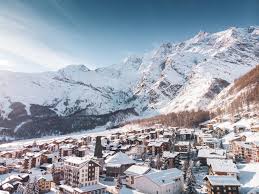
Saas-Fee
Valais, Switzerland
€91
day pass
Snow report pending
updates in season
Our top picks for best ski resorts in switzerland 2027 are Saas-Fee, Aletsch Arena, Andermatt, Flims Laax Falera and Engelberg, ranked from live snow depth, verified 2026/27 lift-pass prices and confirmed opening dates.
Switzerland offers an unparalleled heliskiing experience, blending breathtaking alpine scenery with access to untouched powder. Unlike traditional resort skiing, heliskiing provides an exclusive opportunity to descend pristine slopes, often far from groomed runs and crowds. This guide focuses on maximizing your heliskiing adventure in Switzerland, considering seasonal variations and the specific offerings of top resorts. Understanding the best times to go, what to expect, and how to prepare is crucial for a successful and memorable trip. We delve into practical advice, leveraging insights from premier Swiss destinations to help you plan your ultimate powder pursuit.
While heliskiing isn't a direct resort offering in the same way as a lift pass, many top Swiss resorts serve as excellent bases for heliskiing operations, offering luxury accommodations, expert guides, and convenient access to helipads. Resorts like Zermatt, St. Moritz, and Gstaad are renowned for their high-end services and proximity to prime heliskiing terrain. Our focus is on practical, seasonal advice to ensure you choose the right time and location for optimal conditions, whether you're seeking deep mid-winter powder or adventurous spring descents. Prepare for an unforgettable journey into the Swiss backcountry.
For early season heliskiing, target resorts with high-altitude access and reliable snowfall. From early November, destinations like Zermatt and Engelberg offer potential for fresh powder. Engage local guides to assess snowpack stability and choose routes. While the full backcountry might not be open, these resorts provide a strong base for early adventures, allowing you to be among the first to experience untouched terrain as the season begins.
Mid-winter, from December through February, is prime for deep powder heliskiing. Resorts such as Zermatt, St. Moritz, and Davos Klosters serve as excellent hubs for accessing vast, untracked terrain. Look for operations based near these resorts, which benefit from consistent snowfall and offer experienced guides. This period typically provides the most reliable conditions for significant powder descents, making it ideal for advanced skiers seeking the ultimate thrill.
As spring arrives, particularly from March into May, consider heliskiing options that include glacier access for extended seasons and stable snow. Zermatt and Engelberg, with their high-altitude glaciers, are excellent choices. Spring heliskiing often means longer days, warmer temperatures, and corn snow conditions, offering a different but equally rewarding experience. Confirm guide availability and specific glacier routes that remain viable late into the season.
For a truly luxurious heliskiing trip, base yourself in resorts like St. Moritz or Gstaad. These destinations cater to discerning travelers, offering premium accommodations, fine dining, and seamless access to private heliskiing charters. While the day pass at St. Moritz is around €405, the focus here is on bespoke experiences, combining world-class powder with unparalleled comfort and service, ensuring every aspect of your trip is exceptional.
Before embarking on a heliskiing trip, utilize resorts known for their challenging off-piste terrain to hone your skills. Flims Laax Falera and Mürren-Schilthorn offer extensive advanced and off-piste opportunities. Practicing in these areas will prepare you for the varied snow conditions and challenging descents encountered during heliskiing. Many operations require a high level of proficiency, so pre-trip training at these resorts is highly recommended.
Live prices and weather — click any resort to see the full forecast, lift status, and trail map.
Valais, Switzerland
day pass
Snow report pending
updates in season
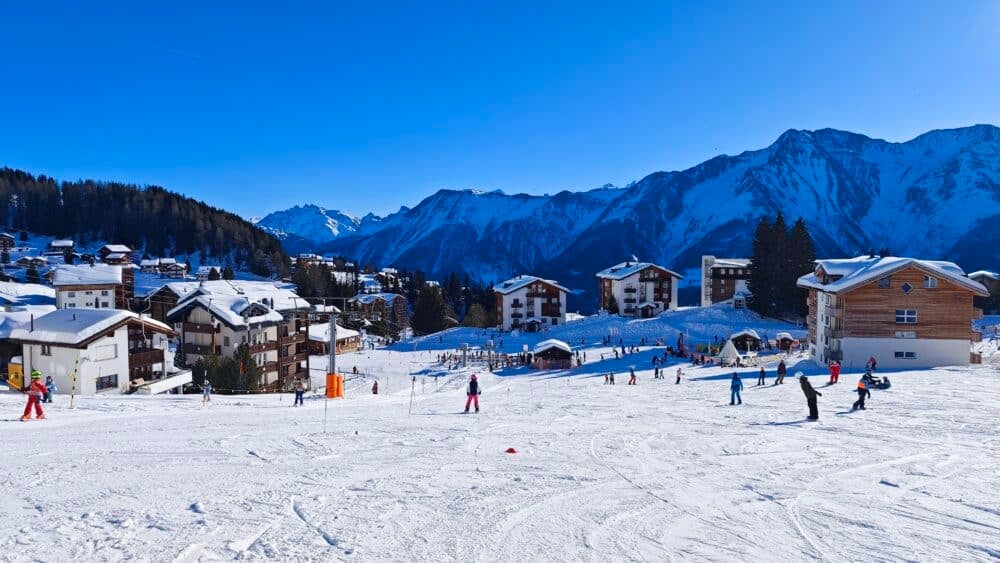
Riederalp-Bettmeralp, Valais, Switzerland
day pass
Opens in 16 days
published season date
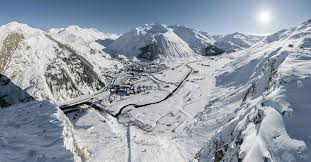
Uri, Switzerland
day pass
Snow report pending
updates in season
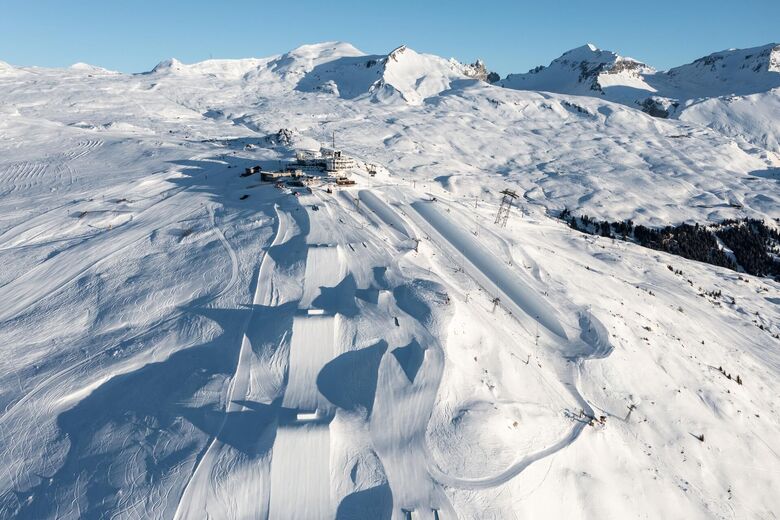
Graubünden, Switzerland
day pass
Opens in 9 days
published season date
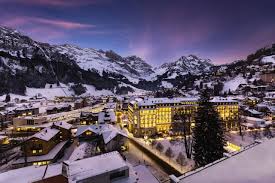
Central Switzerland, Switzerland
day pass
Snow report pending
updates in season
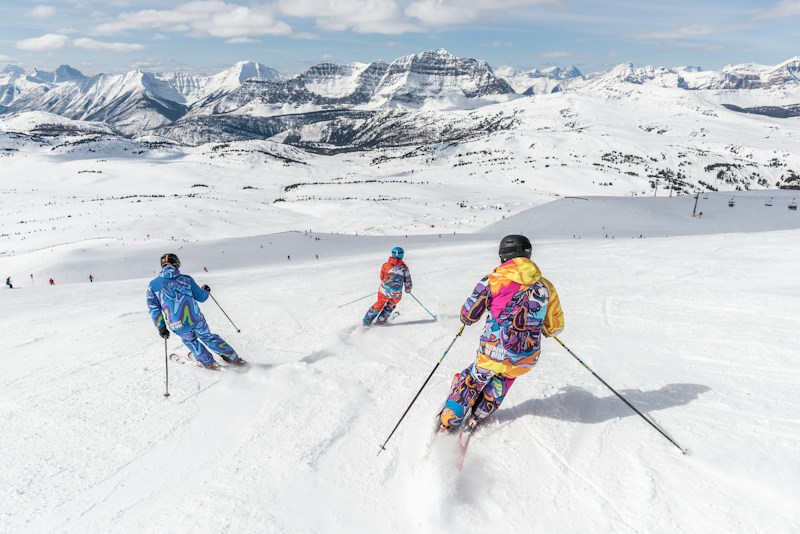
Silvretta Arena, Graubünden, Switzerland
day pass
Opens in 7 days
published season date
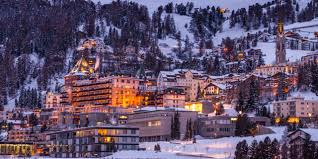
Engadin, Switzerland
day pass
Opens in 2 days
published season date
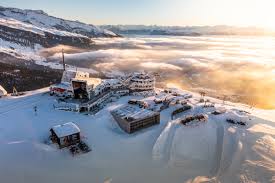
Graubünden, Switzerland
day pass
Opens in 9 days
published season date
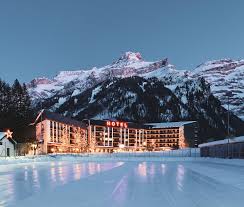
Vaud Alps, Switzerland
day pass
Opens in 12 days
published season date
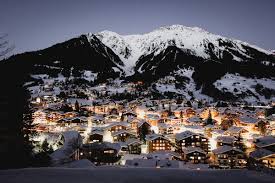
Graubünden, Switzerland
day pass
Snow report pending
updates in season
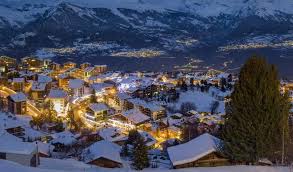
Valais, Switzerland
day pass
Snow report pending
updates in season
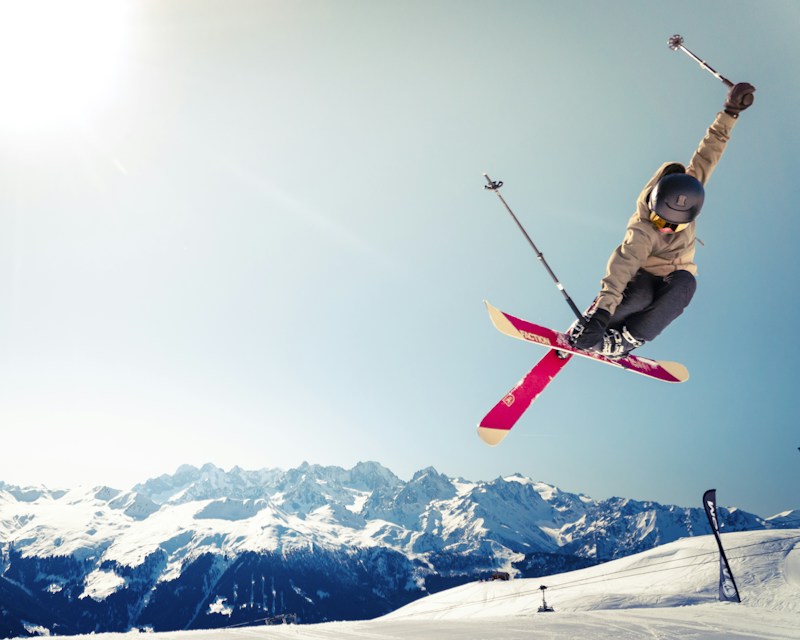
Champéry, Valais, Switzerland
day pass
Opens in 9 days
published season date
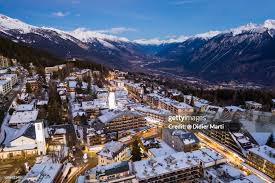
Valais, Switzerland
day pass
Opens in 9 days
published season date
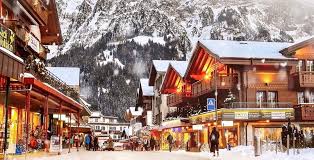
Bernese Oberland, Switzerland
day pass
Opens in 2 days
published season date
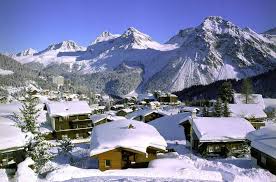
Graubünden, Switzerland
day pass
Opens in 9 days
published season date
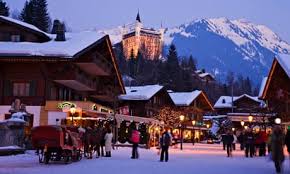
Bernese Oberland, Switzerland
day pass
Snow report pending
updates in season
Bernese Oberland, Switzerland
day pass
Opens in 30 days
published season date
Bernese Oberland, Switzerland
day pass
Opens in 2 days
published season date
Bernese Oberland, Switzerland
day pass
Opens in 16 days
published season date
Bernese Oberland, Switzerland
day pass
Opens in 2 days
published season date
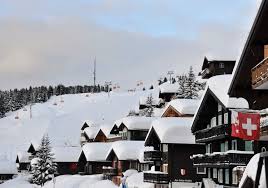
Valais, Switzerland
day pass
Opens in 16 days
published season date
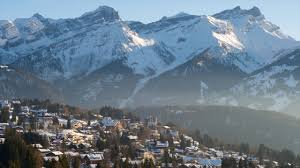
Vaud Alps, Switzerland
day pass
Opens in 15 days
published season date
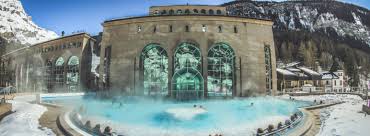
Valais, Switzerland
day pass
Opens in 23 days
published season date
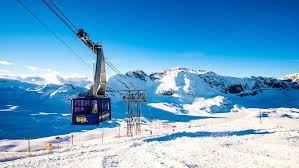
Obwalden, Switzerland
day pass
Opens in 23 days
published season date
The prime season for heliskiing in Switzerland typically runs from mid-December through April. Mid-winter (January-February) often provides the deepest powder, while spring (March-April) offers more stable snowpacks, longer daylight hours, and often warmer temperatures, ideal for corn snow. Resorts like Zermatt and Engelberg offer extended seasons, sometimes starting in November and running into early May, thanks to their high-altitude and glacier access. Always consult with local guides for current conditions and optimal timing based on your skill level and desired snow type.
Heliskiing in Switzerland is a premium experience, and costs vary significantly based on the number of drops, group size, and operator. Expect prices to start from around €800-€1500 per person for a single day, which typically includes guide fees, helicopter transport, and safety equipment. This does not include resort day passes, which can range from around €64 at Crans-Montana to around €405 at St. Moritz. Opting for multi-day packages or private charters will increase the overall cost, but often provides a more tailored experience. Always confirm inclusions when booking.
While you don't need to be an Olympic athlete, a strong advanced to expert skiing ability is generally required for heliskiing. You should be comfortable skiing confidently and in control in varied off-piste conditions, including deep powder, crud, and steeper terrain. Resorts like Flims Laax Falera and Mürren-Schilthorn offer excellent advanced and off-piste terrain to practice. Operators will assess your skill level, and some may offer introductory heliskiing experiences for strong intermediate skiers, but the majority of terrain demands high proficiency and stamina.
Many premier Swiss resorts serve as excellent bases for heliskiing operations, offering access to helipads and experienced guides. Zermatt is a top choice, renowned for its extensive high-alpine terrain and luxury amenities. St. Moritz and Gstaad also stand out for their upscale services and proximity to exclusive heliskiing zones, perfect for those seeking a luxury experience. Engelberg is another strong contender, particularly for its reputation for deep powder and advanced off-piste options. These resorts provide world-class infrastructure and services to complement your heliskiing adventure.
Safety is paramount in heliskiing. All participants are typically required to carry essential avalanche safety equipment, including an avalanche transceiver, shovel, and probe. Many operators also provide an avalanche airbag backpack. Guides are highly trained professionals who assess snow stability, weather conditions, and choose appropriate routes. Briefings on helicopter safety and backcountry protocols are mandatory. While heliskiing offers unparalleled freedom, the inherent risks of backcountry travel are mitigated through strict adherence to guide instructions and proper equipment. Resorts like Zermatt often have strong local guide networks.