
Kaprun
Salzburg, Austria
€82
day pass
Snow report pending
updates in season
Our top picks for best ski resorts in austria 2027 are Kaprun, Stubaier Gletscher, Lech Zürs, Silvretta Montafon and Gasteinertal, ranked from live snow depth, verified 2026/27 lift-pass prices and confirmed opening dates.
Austria, renowned for its stunning alpine landscapes and deep-rooted ski culture, offers a unique gateway to heliskiing adventures, albeit with specific regulations. While traditional heliskiing in the sense of being dropped directly onto untouched peaks is highly restricted, several resorts provide guided off-piste experiences that leverage helicopter access for transfers or offer extensive touring options that mimic the heliskiing sensation. This guide focuses on maximizing your off-piste and backcountry potential within Austria's legal framework, ensuring an exhilarating and safe experience. Understanding the nuances of Austrian heliskiing is key to planning an unforgettable trip, blending the thrill of remote descents with the comfort of world-class resort amenities.
For those seeking the ultimate freedom of untracked powder, Austria's approach to heliskiing often involves helicopter transfers to designated touring start points or access to vast, lift-accessed off-piste terrain. Resorts like Ski Arlberg and Silvretta Montafon are celebrated for their extensive off-piste opportunities, attracting advanced skiers and snowboarders. The focus shifts from direct heli-drops to expertly guided backcountry tours, where a helicopter might be used for logistical support or scenic transfers rather than direct descent access. This allows for exploration of remote areas, often culminating in exhilarating descents through pristine snow, all within a regulated and safety-conscious environment.
Target early season for potential fresh snow and fewer crowds on off-piste terrain. Resorts like Kitzbühel, opening early November, or Ischgl and Obergurgl-Hochgurgl, both starting late November, offer good chances. While direct heliskiing is restricted, these resorts provide excellent lift-accessed backcountry. With colder temperatures, early snow tends to be lighter, ideal for exploring accessible powder stashes with a guide before they become tracked out. Focus on higher-altitude areas for best snow reliability.
Midwinter, from late December through February, typically brings the most consistent and deepest snowfalls. This is prime time for guided off-piste tours. Ski Arlberg, known for its extensive advanced and off-piste terrain, is an excellent choice. Silvretta Montafon also offers significant challenges for advanced skiers. Engage local guides to navigate the best untracked lines and ensure safety. Be prepared for varied snow conditions, from deep powder to wind-affected snow, requiring adaptable skiing techniques.
As spring approaches in March and April, conditions can stabilize, offering ideal opportunities for longer backcountry tours and corn snow. Resorts like Ischgl, which extends its season into early May, or Obergurgl-Hochgurgl, closing mid-April, can provide excellent spring touring. The longer daylight hours and generally warmer temperatures make for more comfortable ascents and descents. Always prioritize avalanche safety and hire certified guides, as spring snowpack can be complex and unpredictable.
For advanced skiers focusing on off-piste without the direct heli-drop expense, consider resorts like Ski Arlberg. Its 6-day pass is around €265, offering exceptional value for extensive terrain. Pair this with a local guide for safe backcountry access. Silvretta Montafon, with a 6-day pass around €358, is another strong contender for its challenging off-piste. These resorts provide the infrastructure and terrain to simulate a heliskiing experience through expert guiding and lift access.
For luxury seekers desiring premium off-piste experiences, Obergurgl-Hochgurgl and Ischgl stand out. Both offer high-end accommodations and dining, complementing their challenging terrain. While direct heliskiing is limited, these resorts excel in providing exclusive guided backcountry tours, often including private transfers or unique access points. Kitzbühel also caters to luxury clientele with its advanced terrain and world-class amenities. Expect day passes around €79-€80 at these resorts, reflecting the premium experience.
Live prices and weather — click any resort to see the full forecast, lift status, and trail map.
Salzburg, Austria
day pass
Snow report pending
updates in season
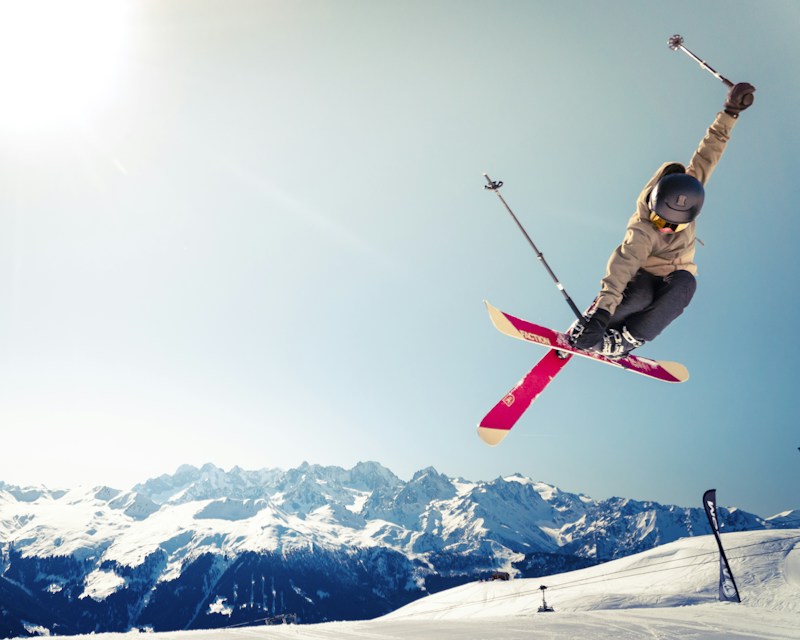
Stubai Valley, Tyrol, Austria
day pass
Snow report pending
updates in season
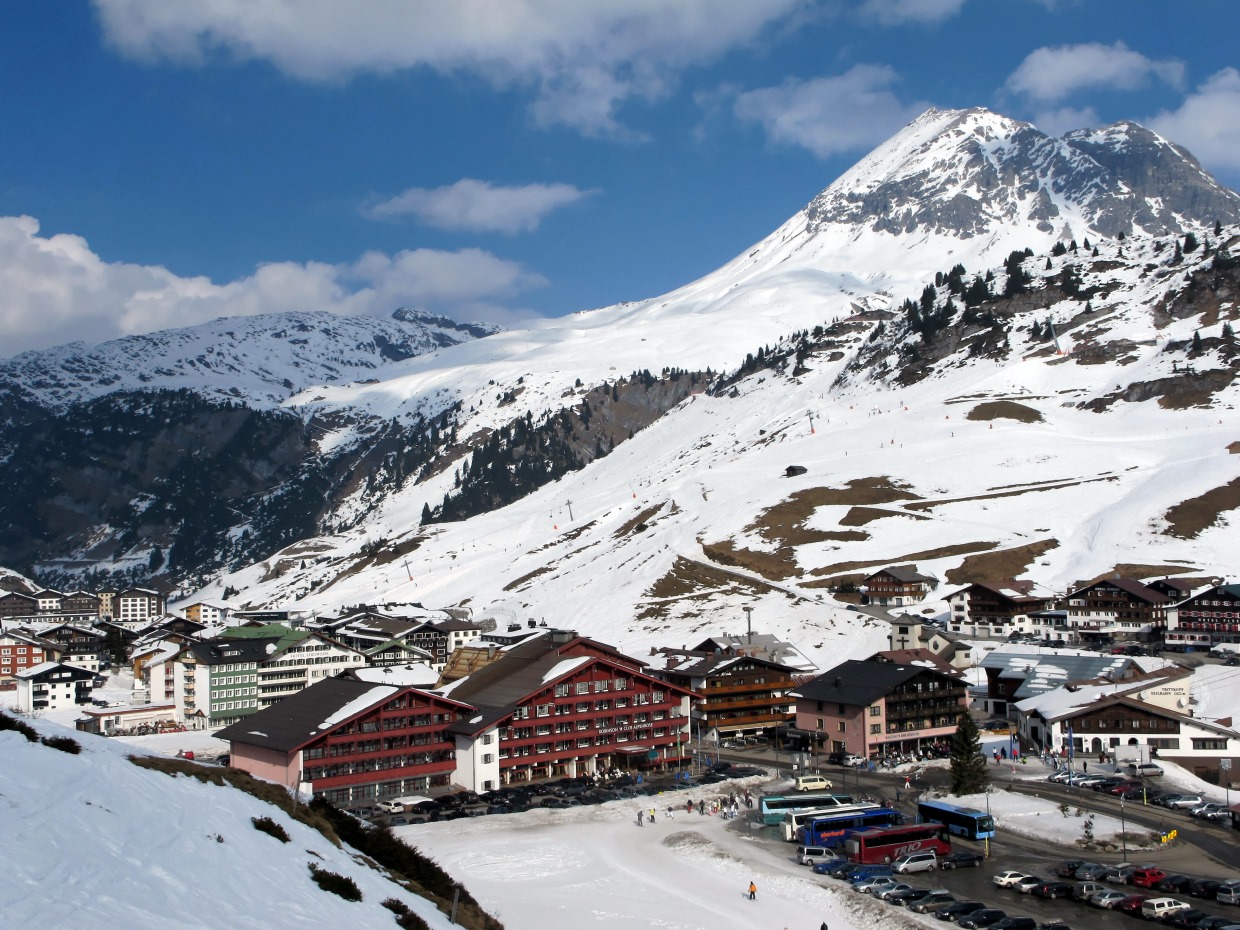
Vorarlberg, Austria
day pass
Opens in 13 days
published season date
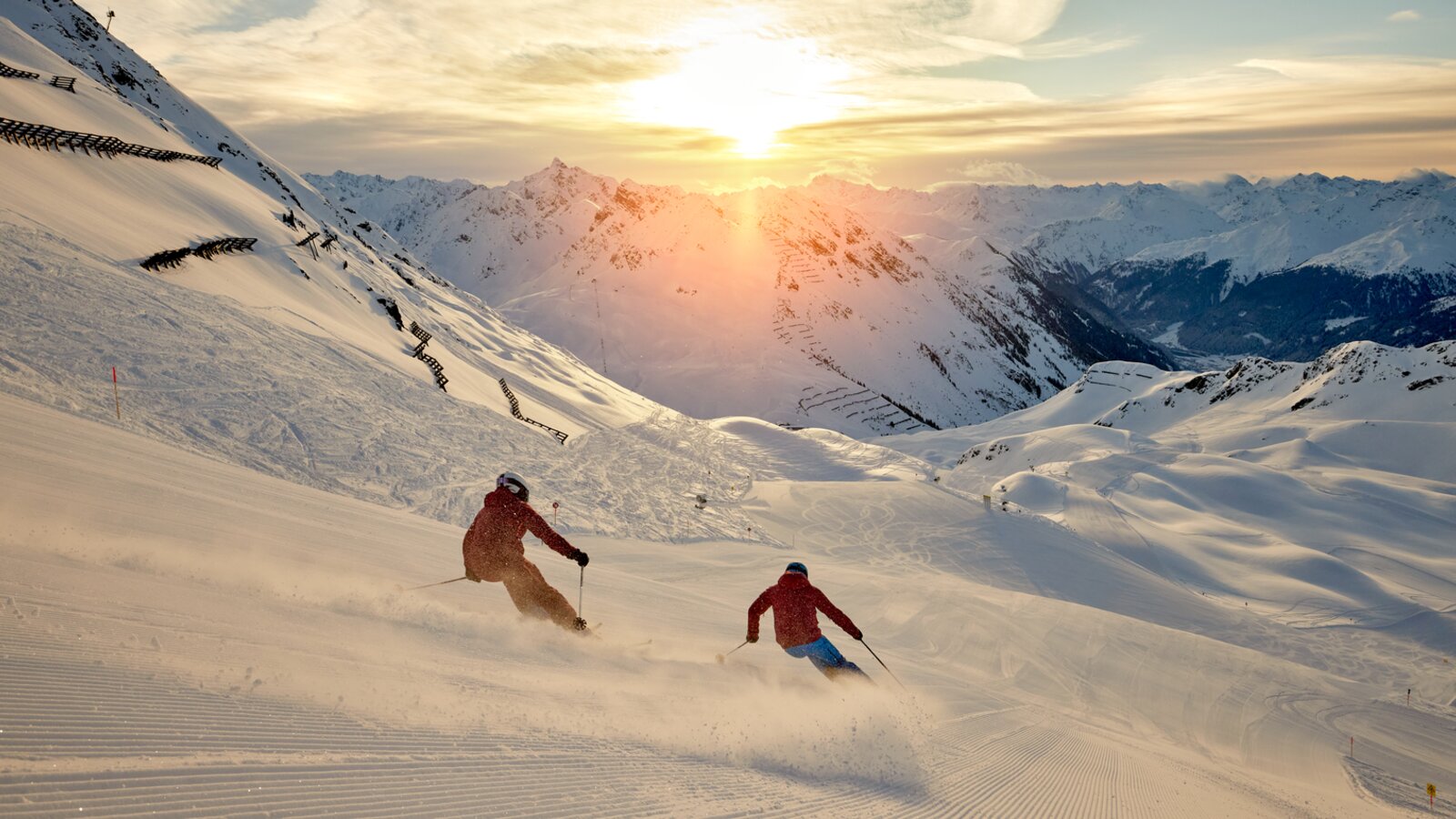
Montafon Valley, Vorarlberg, Austria
day pass
Opens in 8 days
published season date
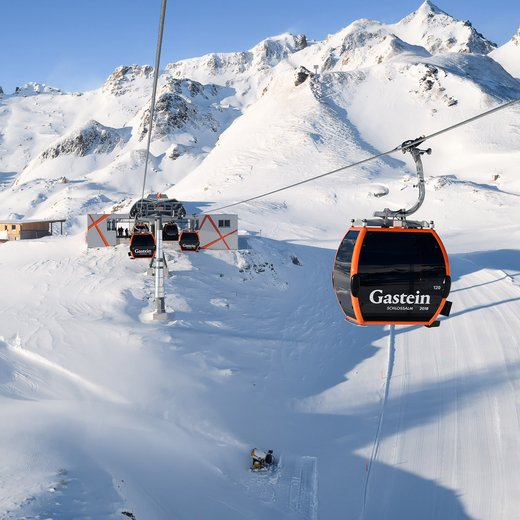
Bad Gastein, Salzburg, Austria
day pass
Opens in 8 days
published season date
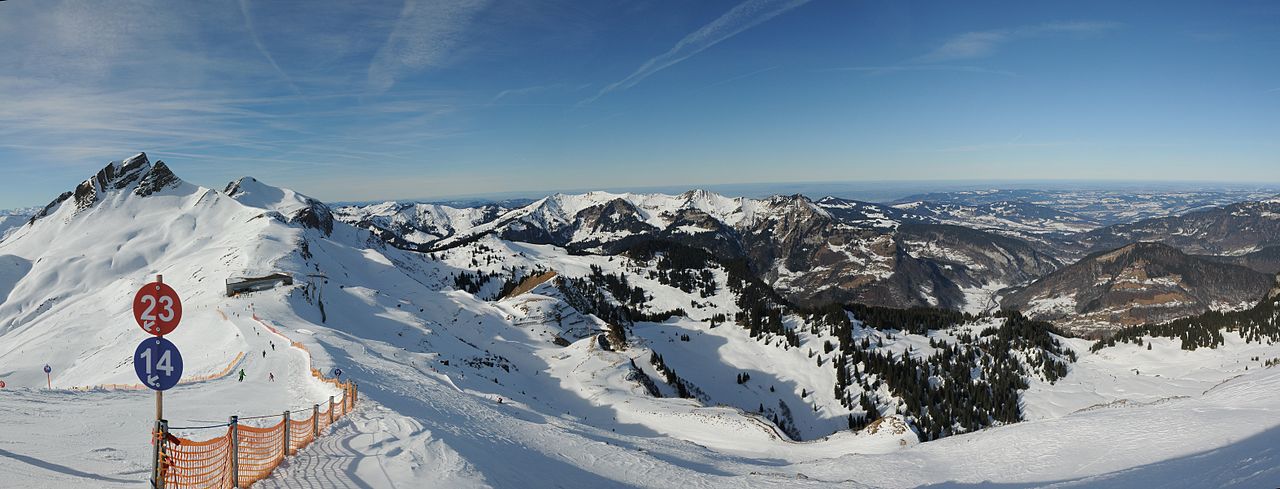
Vorarlberg, Austria
day pass
Opens in 15 days
published season date
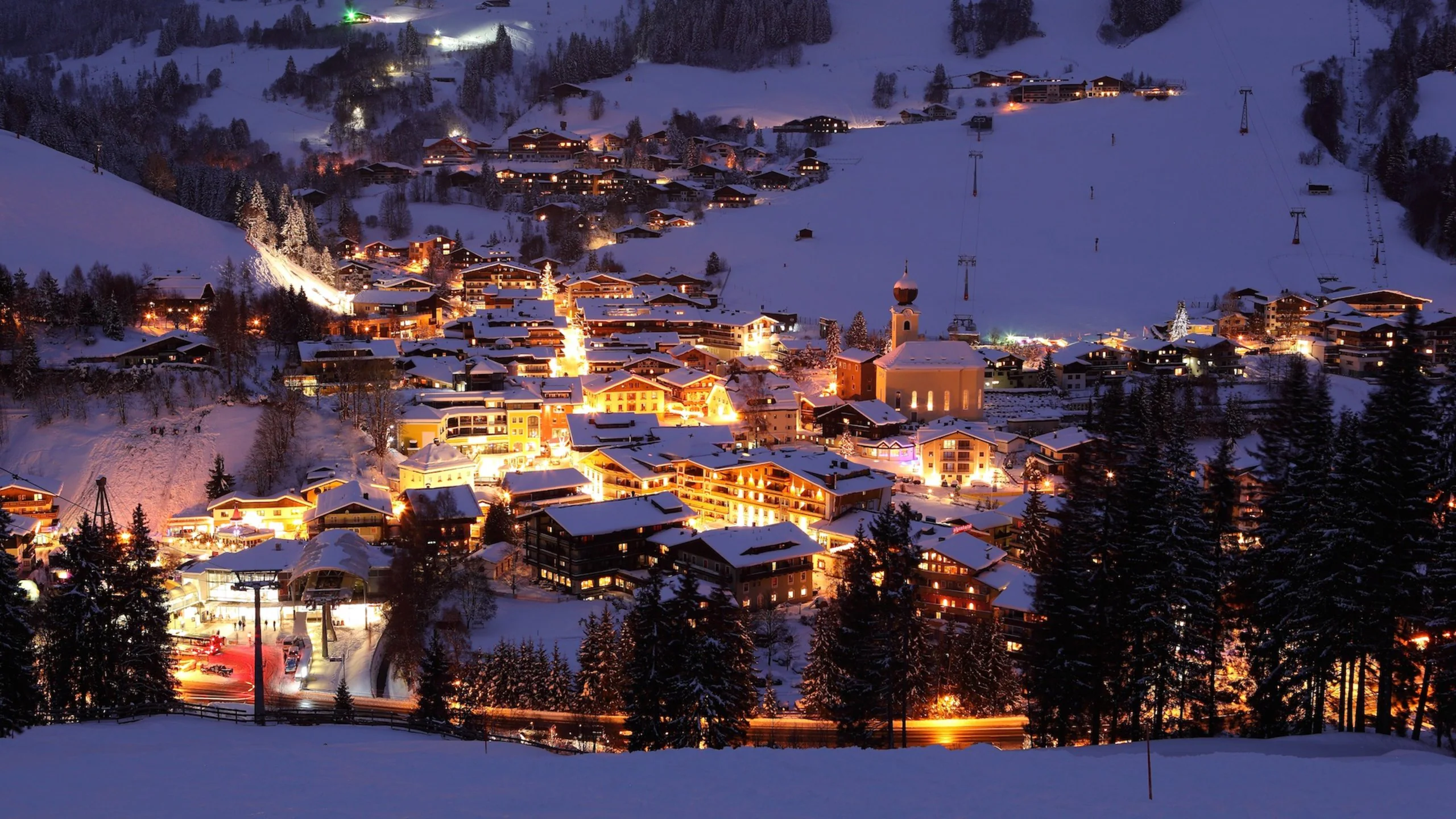
Salzburg, Austria
day pass
Opens in 8 days
published season date
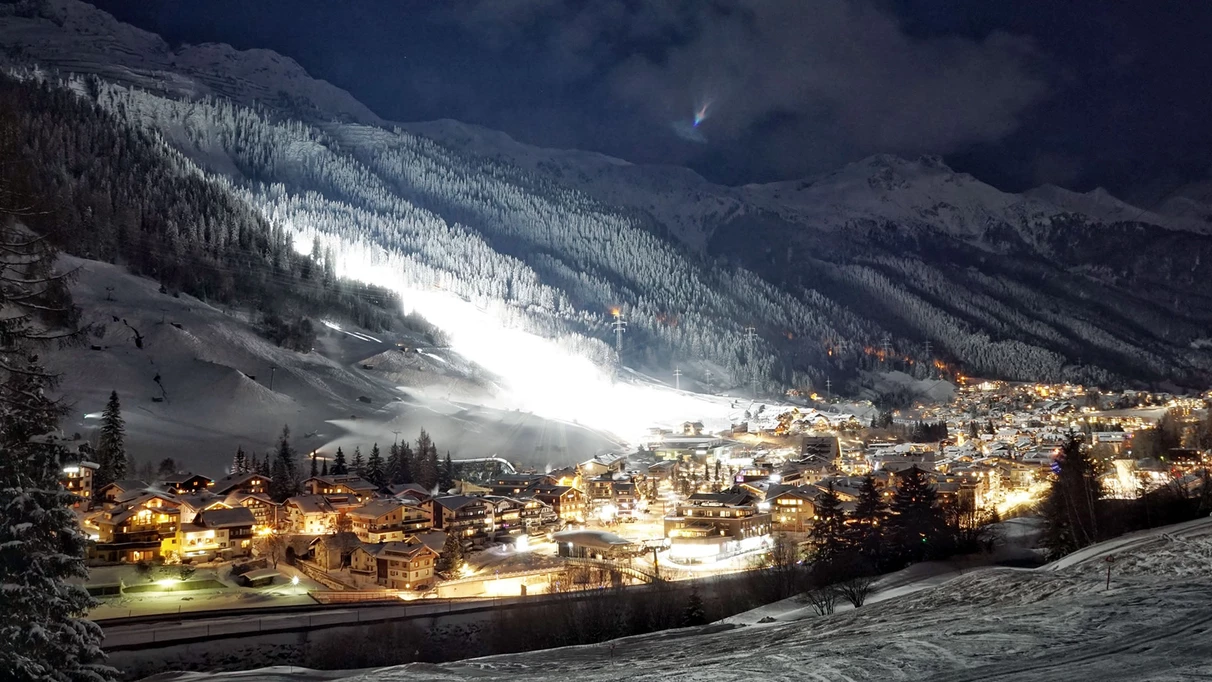
Tirol, Austria
day pass
Opens in 13 days
published season date
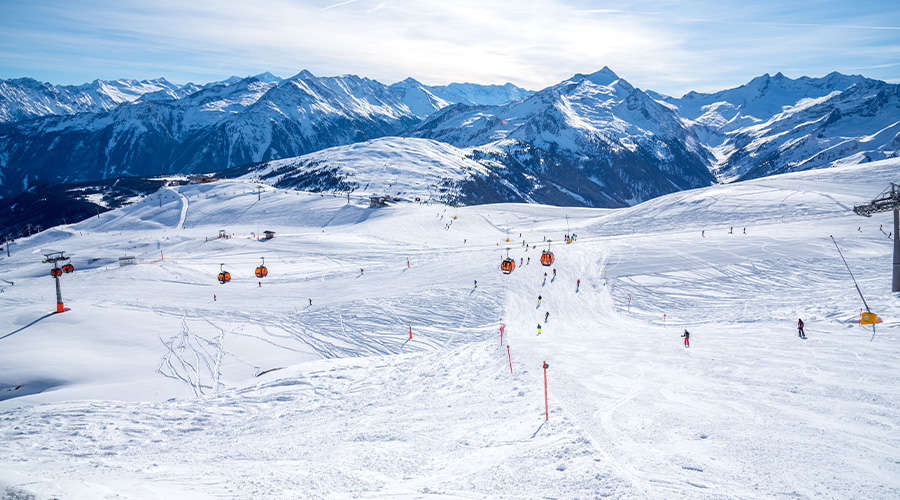
Zillertal Valley, Tyrol, Austria
day pass
Opens in 15 days
published season date
Maria Alm, Salzburg, Austria
day pass
Opens in 16 days
published season date
Tyrol, Austria
day pass
Opens in 16 days
published season date
Alpbach, Austria
day pass
Opens in 15 days
published season date
Salzburg, Austria
day pass
Opens in 15 days
published season date
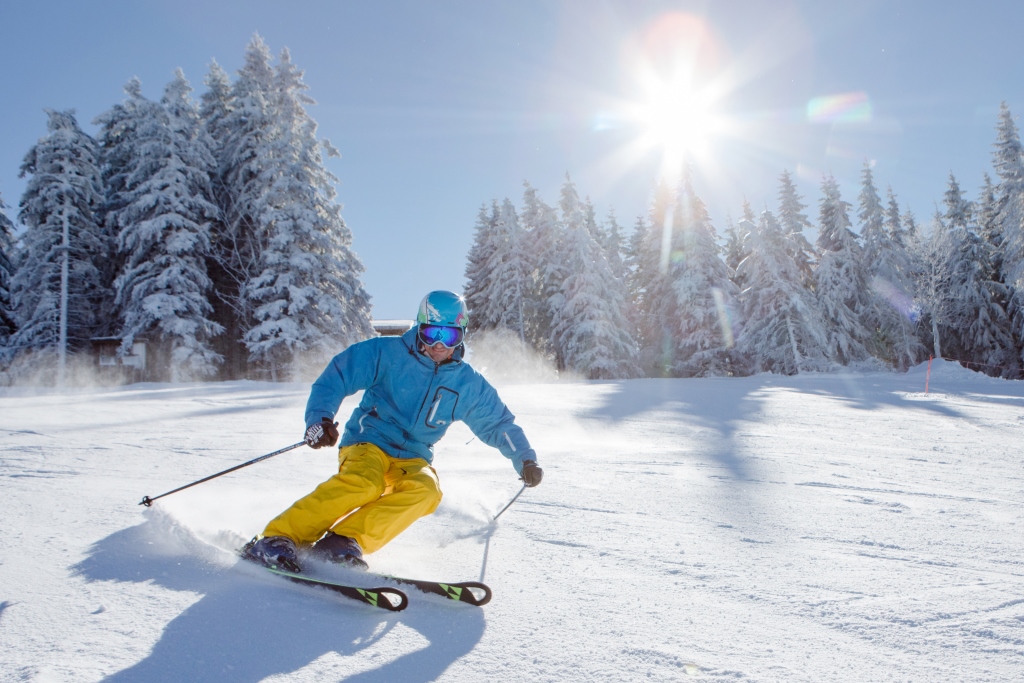
Lower Austria, Austria
day pass
Opens in 26 days
published season date
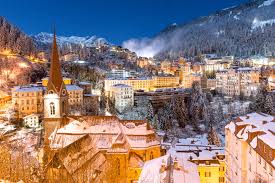
Gastein ski region, Austria
day pass
Opens in 30 days
published season date
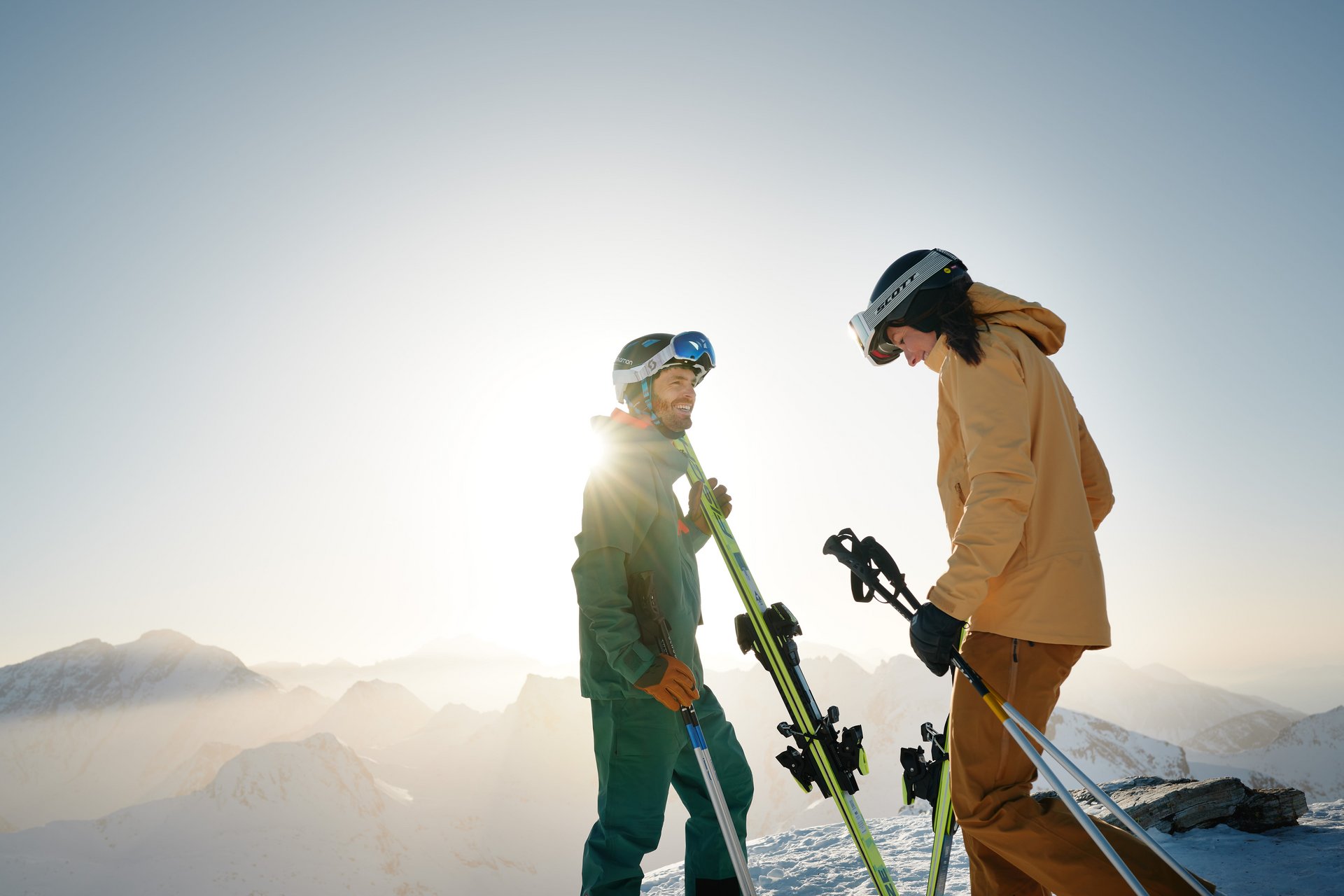
Salzburg, Austria
day pass
Opens in 8 days
published season date
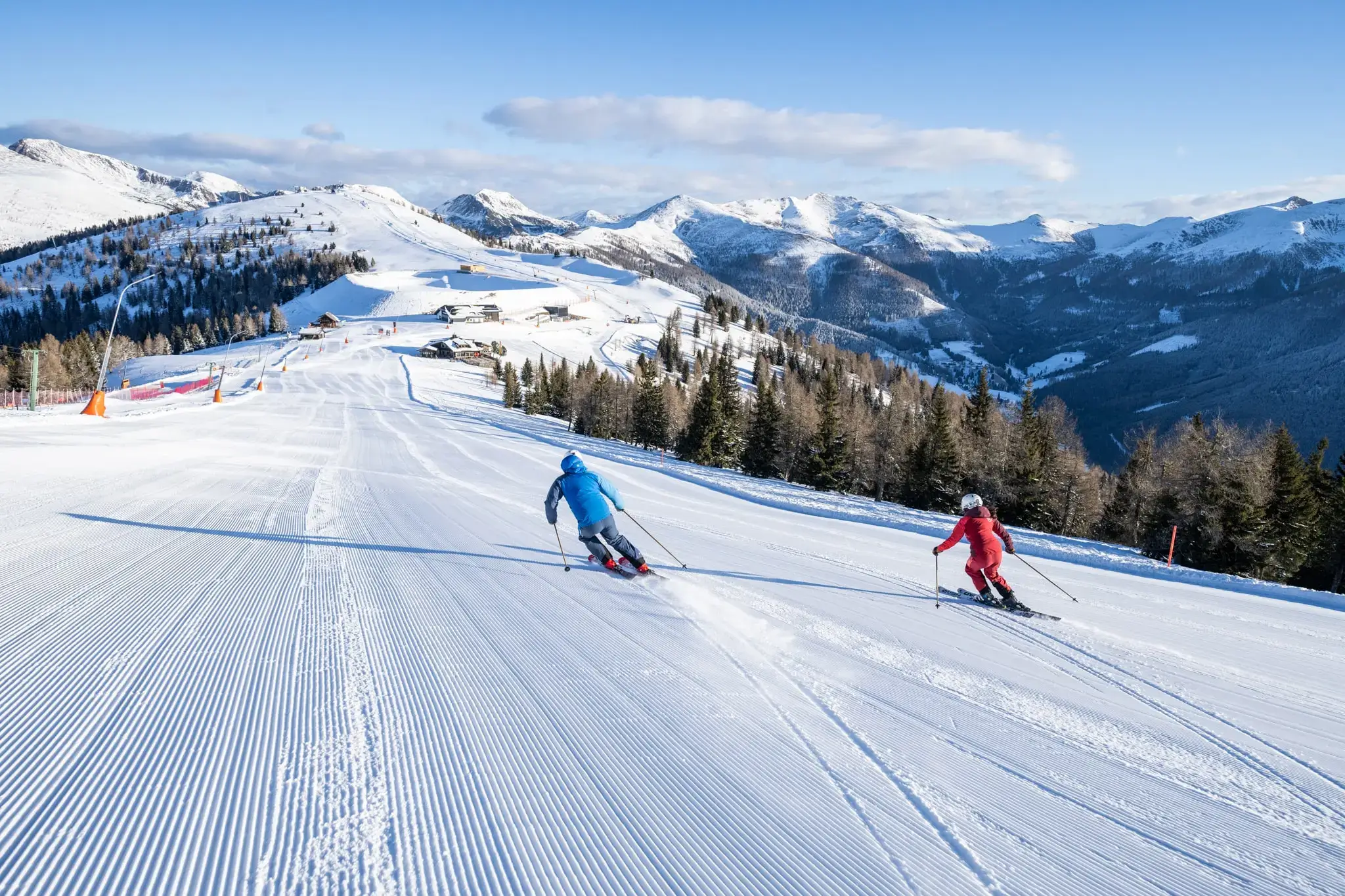
Carinthia, Austria
day pass
Opens in 15 days
published season date
Tirol, Austria
day pass
Opens in 9 days
published season date
Tirol, Austria
day pass
Opens in 29 days
published season date
Vorarlberg, Austria
day pass
Opens in 36 days
published season date
Vorarlberg, Austria
day pass
Opens in 9 days
published season date
Vorarlberg, Austria
day pass
Opens in 23 days
published season date
Salzburg, Austria
day pass
Opens in 16 days
published season date
Tirol, Austria
day pass
Opens in 22 days
published season date
Traditional heliskiing, where a helicopter drops skiers directly onto untouched peaks for a descent, is largely prohibited in Austria due to strict environmental regulations and safety concerns. The focus is instead on guided off-piste and backcountry touring, often with helicopter transfers to designated, higher-altitude starting points for tours, or for emergency access. Resorts like Ski Arlberg and Silvretta Montafon offer extensive lift-accessed off-piste terrain that, with a guide, can provide a similar sense of adventure and remoteness. Always consult with local guides or tour operators to understand the specific regulations and opportunities available for your trip.
For experiences akin to heliskiing, advanced skiers should target resorts known for extensive off-piste terrain and guiding services. Ski Arlberg is highly recommended, offering vast freeride zones and a strong guiding community. Silvretta Montafon also provides significant off-piste challenges for experienced skiers and snowboarders. Ischgl and Obergurgl-Hochgurgl, while luxurious, also have challenging terrain suitable for guided backcountry exploration. These resorts allow for deep powder exploration and remote descents, often with the logistical support of a helicopter for transfers rather than direct heli-drops, providing a thrilling, albeit regulated, backcountry adventure.
The optimal time for off-piste and backcountry skiing in Austria generally spans from mid-December to late March. Midwinter (January-February) often brings the most consistent and deepest snowfalls, ideal for powder hunting. Resorts like Ischgl and Obergurgl-Hochgurgl, with seasons extending into late April or early May, offer excellent spring touring opportunities with more stable snowpacks and longer daylight hours. Early season (late November-early December) can also yield fresh powder, especially at higher altitudes. Always monitor avalanche forecasts and hire a certified local guide, regardless of the season, to ensure safety and find the best conditions.
While direct heliskiing costs are not applicable due to restrictions, guided off-piste or backcountry tours in Austria can vary significantly. Expect to pay for a certified guide, which typically ranges from €400 to €700 per day for a private guide, or less per person for group tours. This fee does not include lift passes or equipment rental. For instance, a 6-day pass at Ski Arlberg is around €265, while a day pass at Ischgl or Obergurgl-Hochgurgl is around €79. Factor in these costs, along with accommodation and transport, to budget for your adventure. Investing in a guide is crucial for safety and maximizing your experience in challenging terrain.
Essential equipment for off-piste and backcountry skiing in Austria includes appropriate skis (wider for powder), ski touring bindings and boots, skins for uphill travel, and a complete avalanche safety kit. This kit must comprise an avalanche transceiver, probe, and shovel. Additionally, a backpack, helmet, appropriate layers of clothing, sunglasses, goggles, and sufficient water and snacks are crucial. Many resorts, including those catering to advanced skiers like Ski Arlberg and Silvretta Montafon, have rental shops where you can acquire specialized gear. Always ensure your equipment is in excellent condition and that you know how to use your avalanche safety gear effectively.