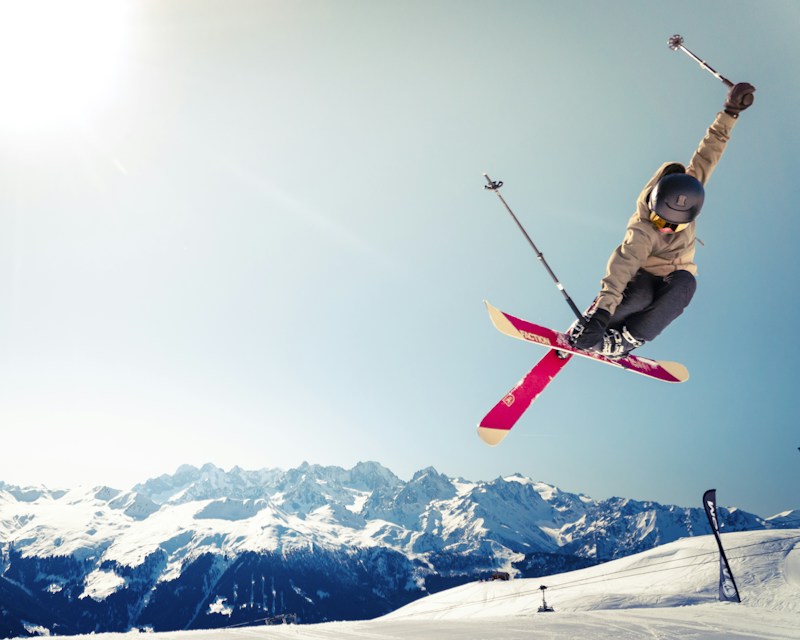
Storlien
Jämtland, Sweden
€39
day pass
Opens in 23 days
published season date
Our top picks for best ski resorts in sweden 2027 are Storlien, Hemavan, Fjätervålen, Riksgränsen and Funäsdalen, ranked from live snow depth, verified 2026/27 lift-pass prices and confirmed opening dates.
Heliskiing in Sweden offers a unique opportunity to access pristine, untracked powder in some of Europe's most remote and beautiful mountain ranges. While the provided resort data focuses on traditional ski areas, the logistical hubs and surrounding terrain often serve as launching points for heliskiing operations. Sweden's vast wilderness, particularly in the northern regions, provides an expansive playground for those seeking an unparalleled backcountry experience away from crowded pistes. Understanding the optimal timing and conditions is crucial for a successful heliskiing adventure in this Scandinavian gem.
Unlike resort skiing, heliskiing is highly dependent on weather, snow stability, and visibility. The season typically spans from late winter into spring, when snowpacks are deep and daylight hours extend. While the listed resorts like Funäsdalen and Idre Fjäll offer excellent on-piste and some off-piste options, true heliskiing ventures require specialized operators and guides who leverage the region's unique geography. Planning involves considering factors beyond just lift tickets, focusing instead on flight conditions, snow quality, and the expertise of your guiding team for an unforgettable, safe, and exhilarating experience.
For heliskiing in the early season (late November to early January), prioritize areas known for early snow accumulation. While the listed resorts like Storlien (season starts 22 Nov 2026) and Idre Fjäll (season starts 30 Nov 2026) open for resort skiing, heliskiing operators will be assessing snow depths and stability. Focus on higher elevations and north-facing aspects for potentially deeper, more stable snowpacks, but be prepared for variable conditions and shorter daylight hours typical of Sweden's early winter.
Midwinter (January to March) is often the prime time for heliskiing in Sweden, offering the most reliable powder conditions and stable snowpacks. Look for operators based near regions like Härjedalen, where resorts such as Funäsdalen and Tänndalen are in full swing, indicating robust snow depths. This period maximizes the chances of deep, dry powder runs, though it also brings colder temperatures. Ensure your heliskiing package includes experienced guides knowledgeable about avalanche safety and local terrain.
As spring approaches (April to early May), heliskiing shifts towards longer daylight hours and the potential for excellent corn snow. Resorts like Funäsdalen and Storlien remain open into May, suggesting good snow retention at higher altitudes. This season is ideal for those who enjoy a mix of powder and spring conditions, often allowing access to more remote, sun-exposed faces. Always confirm with your operator regarding daily snow conditions and flight windows, which can be more sensitive to temperature fluctuations.
When selecting a heliskiing base, consider resorts known for their off-piste terrain, as this often correlates with suitable heliskiing zones. Resorts like Funäsdalen and Fjätervålen explicitly list 'Off-piste' and 'Advanced skiers' in their categories, indicating a local culture and terrain conducive to advanced freeriding. These areas often have experienced local guides who can connect you with heliskiing operations, ensuring access to challenging and rewarding descents tailored to advanced abilities.
Heliskiing is a premium experience, but some resorts like Lofsdalen and Kungsberget are categorized as 'budget' for lift tickets (around €43 day pass). While heliskiing itself is significantly more expensive, these areas might offer more affordable accommodation or travel options, helping manage overall trip costs. Always inquire about package deals that might include guiding, safety equipment, and meals, as these can vary widely between operators and influence your total expenditure for this extraordinary adventure.
Live prices and weather — click any resort to see the full forecast, lift status, and trail map.
Jämtland, Sweden
day pass
Opens in 23 days
published season date
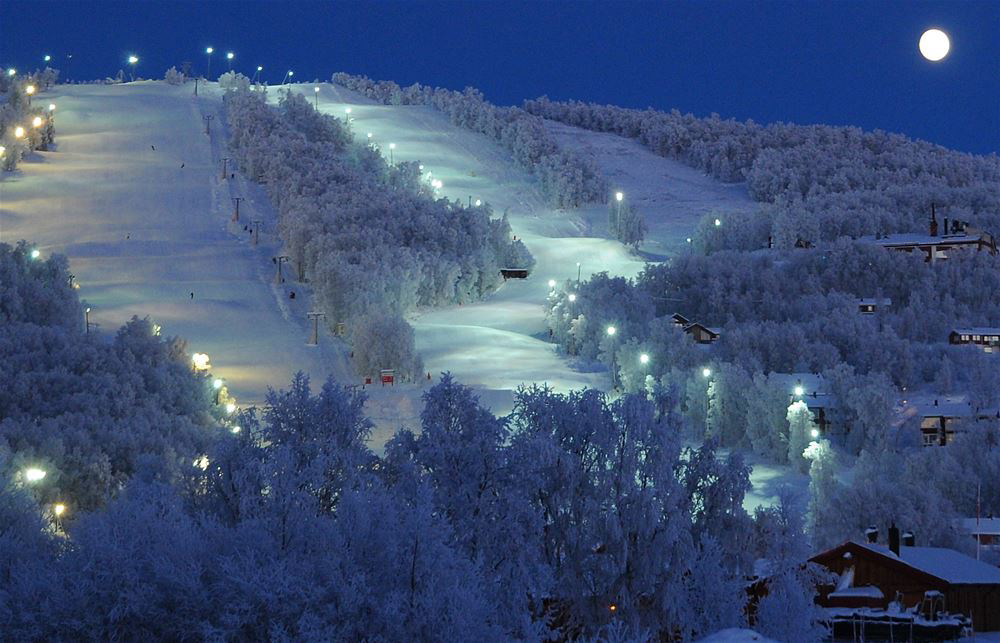
Västerbotten, Sweden
day pass
Opens in 8 days
published season date
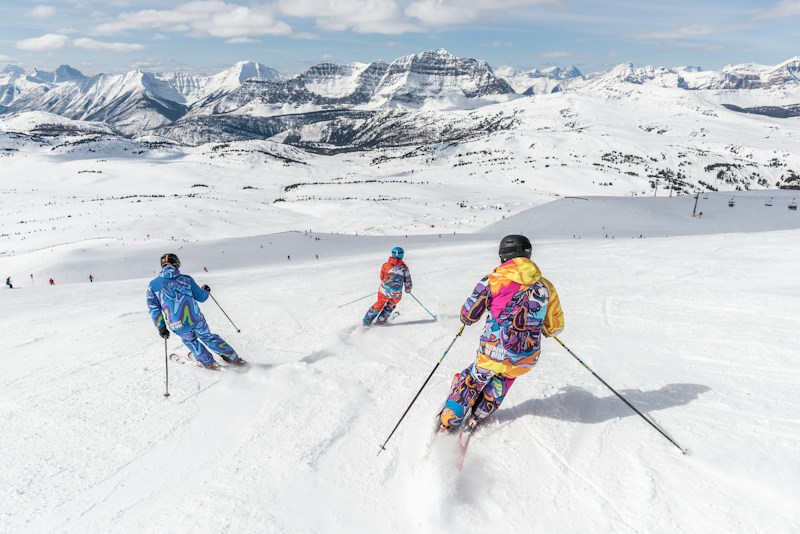
Funäsdalen, Härjedalen, Sweden
day pass
Opens in 30 days
published season date
Lapland, Sweden
day pass
Opens in 91 days
published season date
Härjedalen, Sweden
day pass
Opens in 29 days
published season date

Funäsdalen, Härjedalen, Sweden
day pass
Snow report pending
updates in season
Dalarna, Sweden
day pass
Opens in 22 days
published season date
Vemdalen, Härjedalen, Sweden
day pass
Opens in 2 days
published season date
Jämtland, Sweden
day pass
Opens in 22 days
published season date
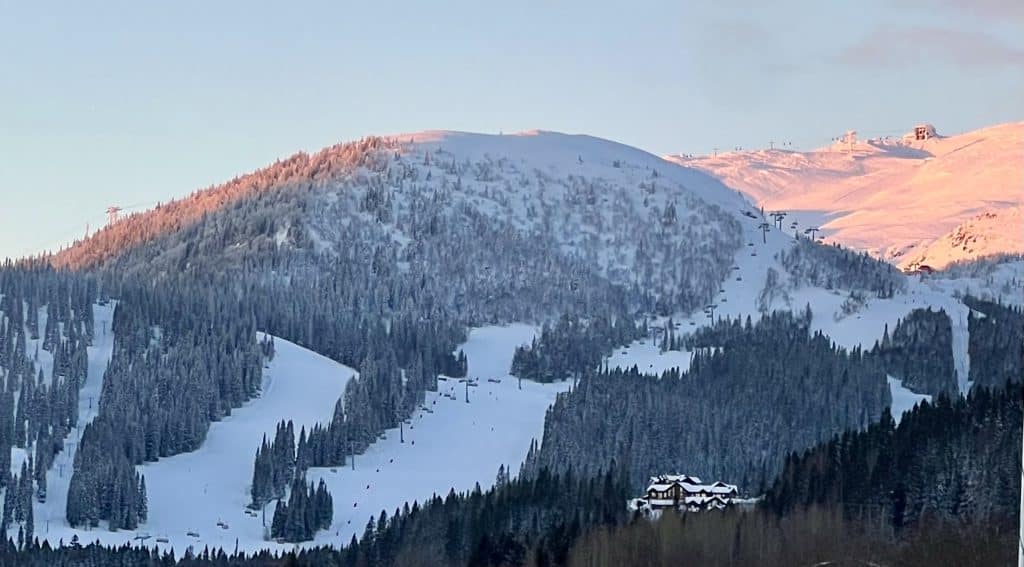
Åre, Jämtland, Sweden
day pass
Opens in 29 days
published season date
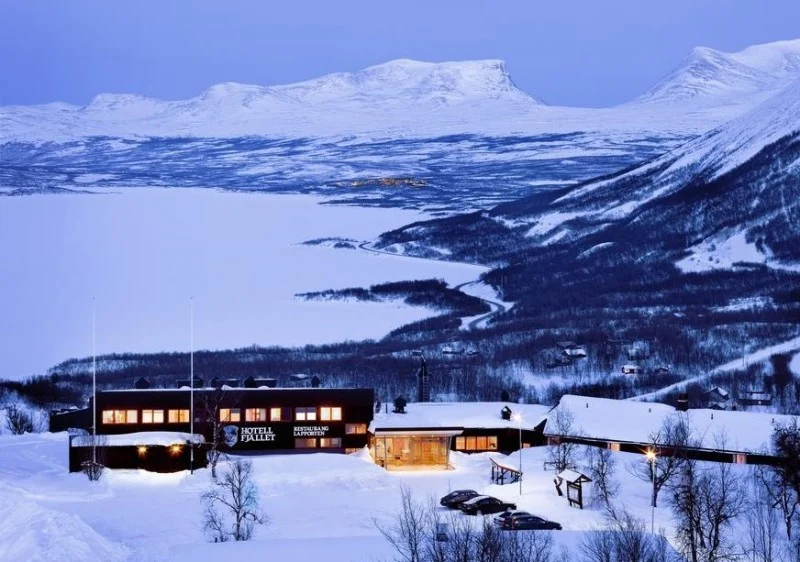
Lapland, Sweden
day pass
Opens in 77 days
published season date
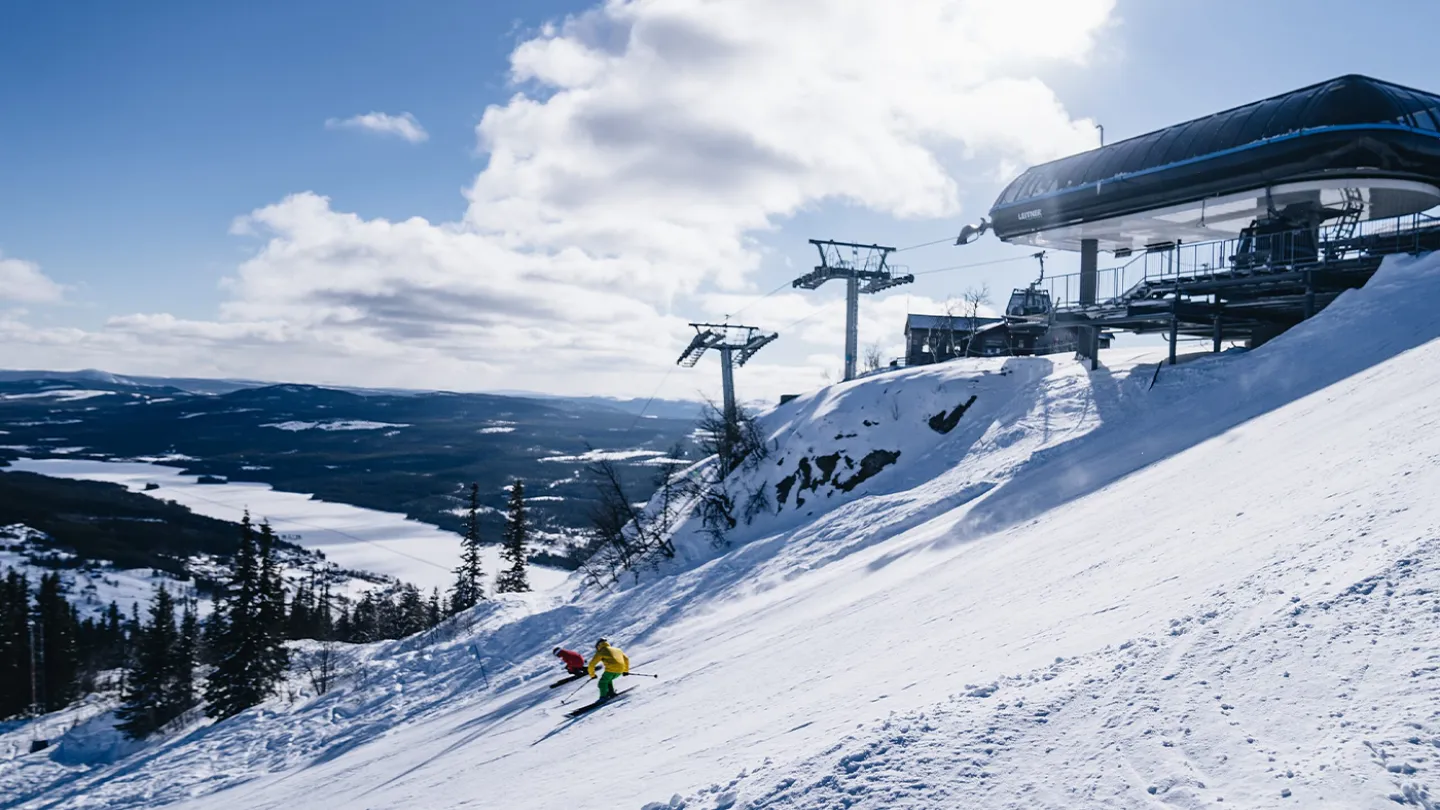
Härjedalen, Sweden
day pass
Snow report pending
updates in season
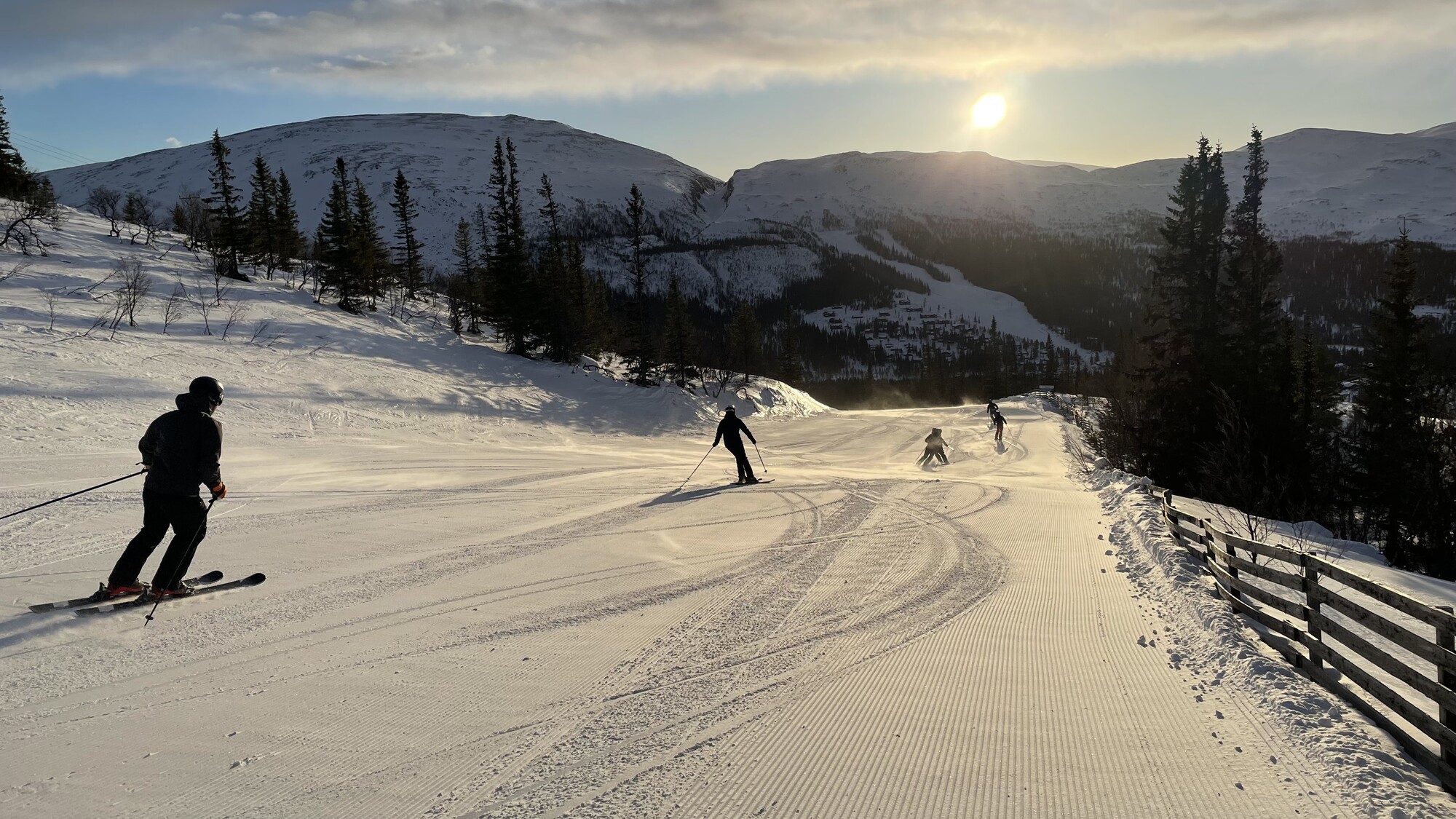
Jämtland, Sweden
day pass
Opens in 30 days
published season date
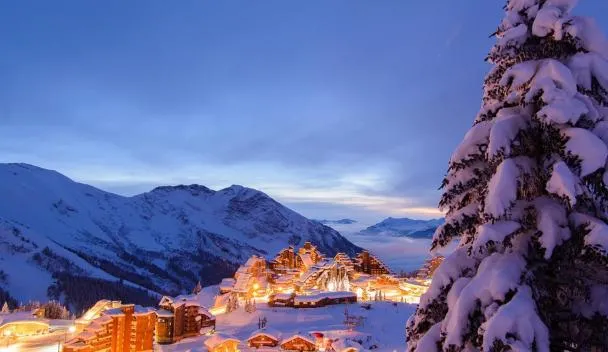
Åre, Jämtland, Sweden
day pass
Opens in 29 days
published season date
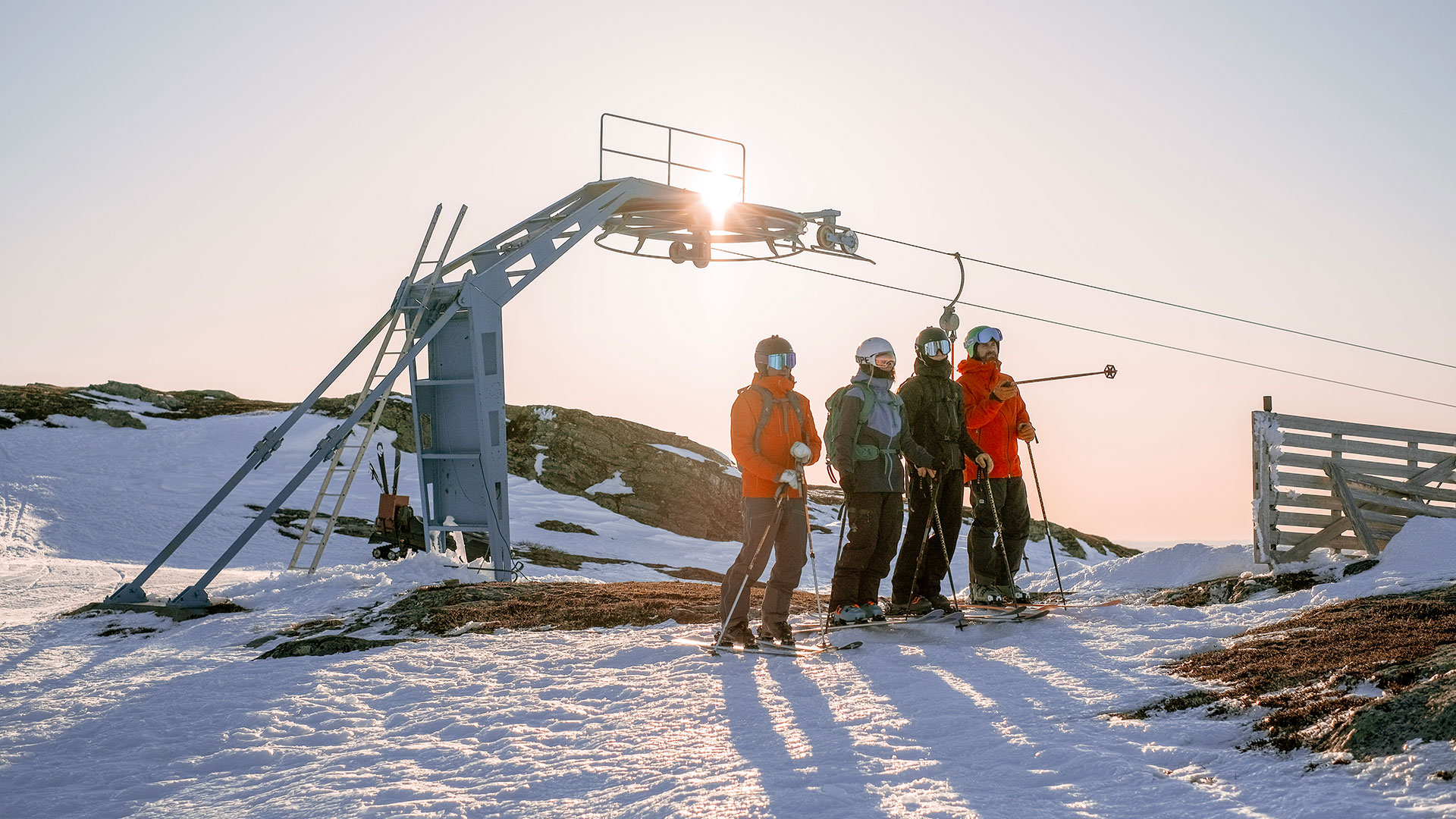
Åre kommun, Jämtland, Sweden
day pass
Opens in 29 days
published season date
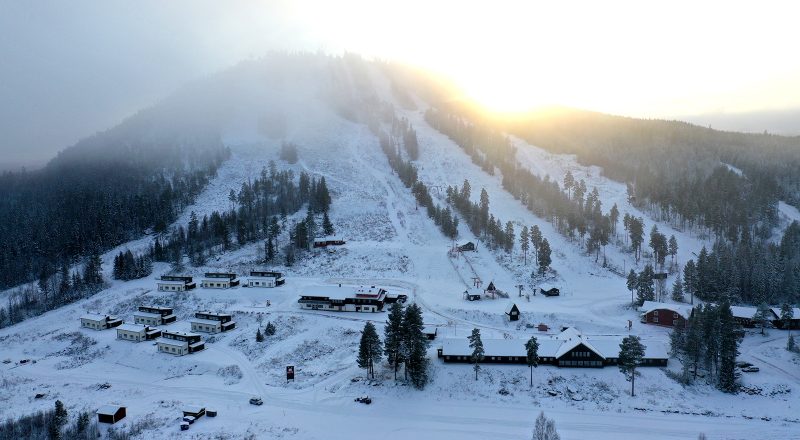
Dalarna, Sweden
day pass
Opens in 30 days
published season date
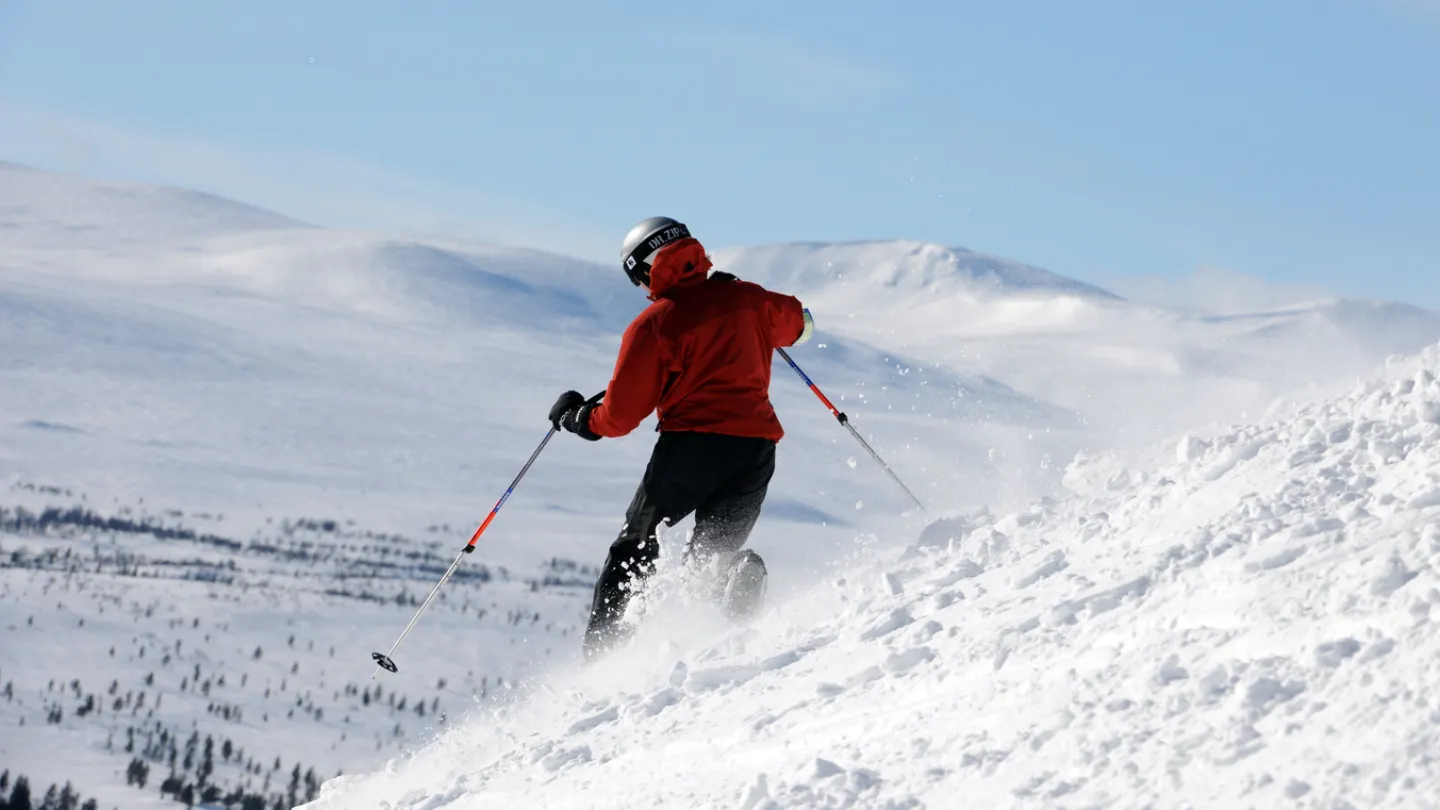
Dalarna, Sweden
day pass
Opens in 30 days
published season date
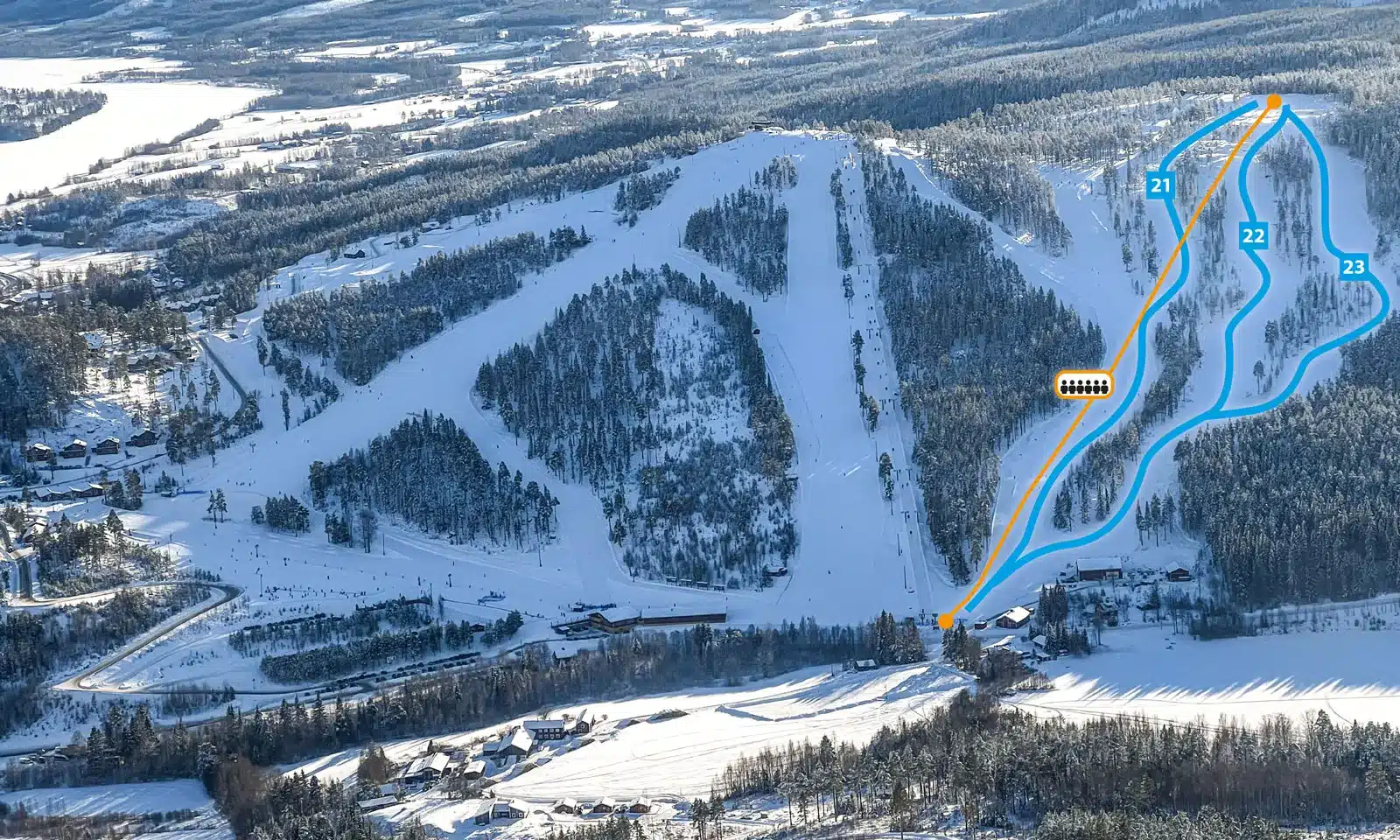
Hälsingland, Sweden
day pass
Opens in 29 days
published season date
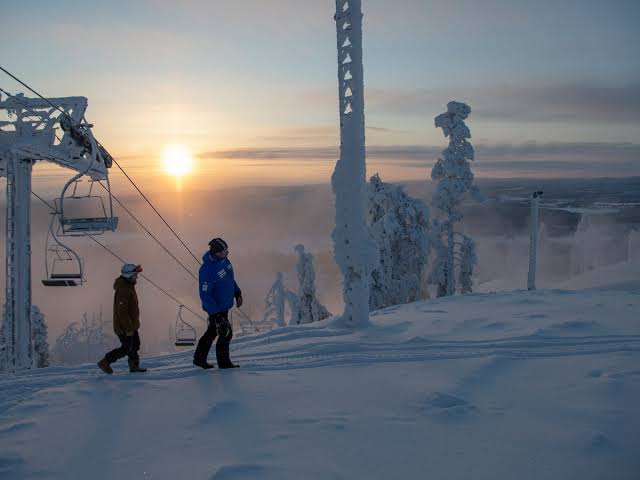
Norrbotten, Sweden
day pass
Opens in 2 days
published season date
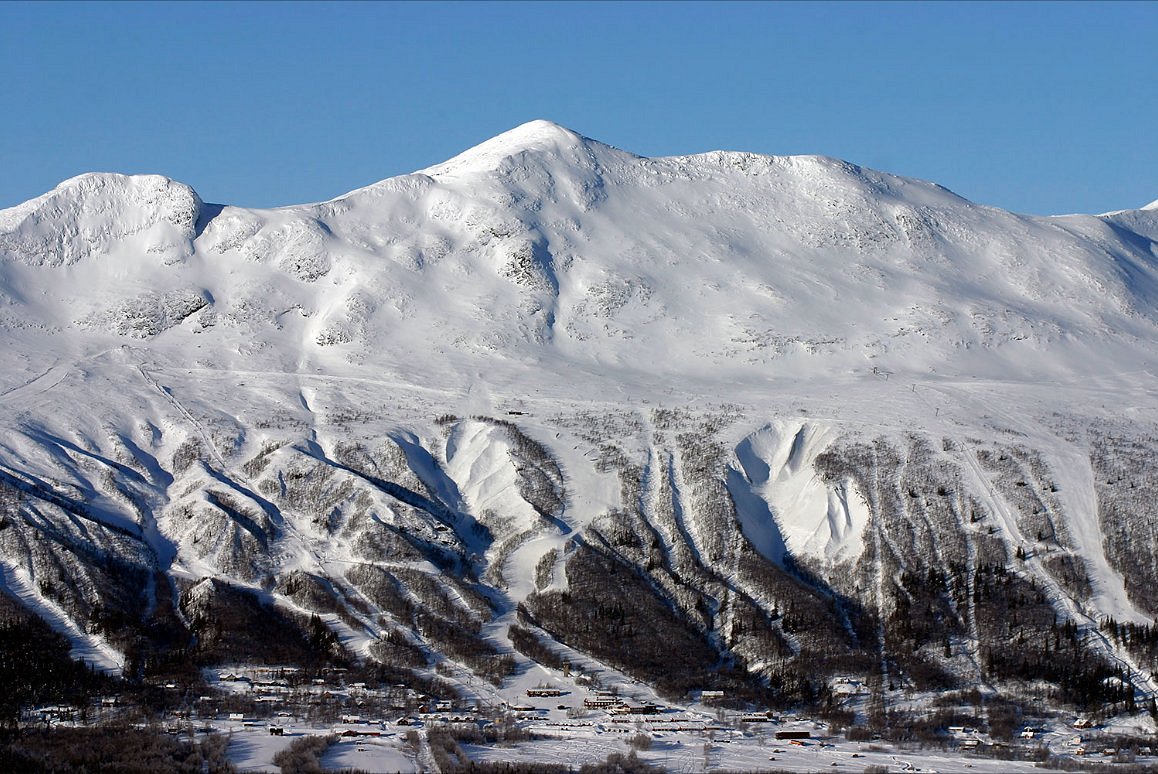
Västerbotten, Sweden
day pass
Opens in 9 days
published season date
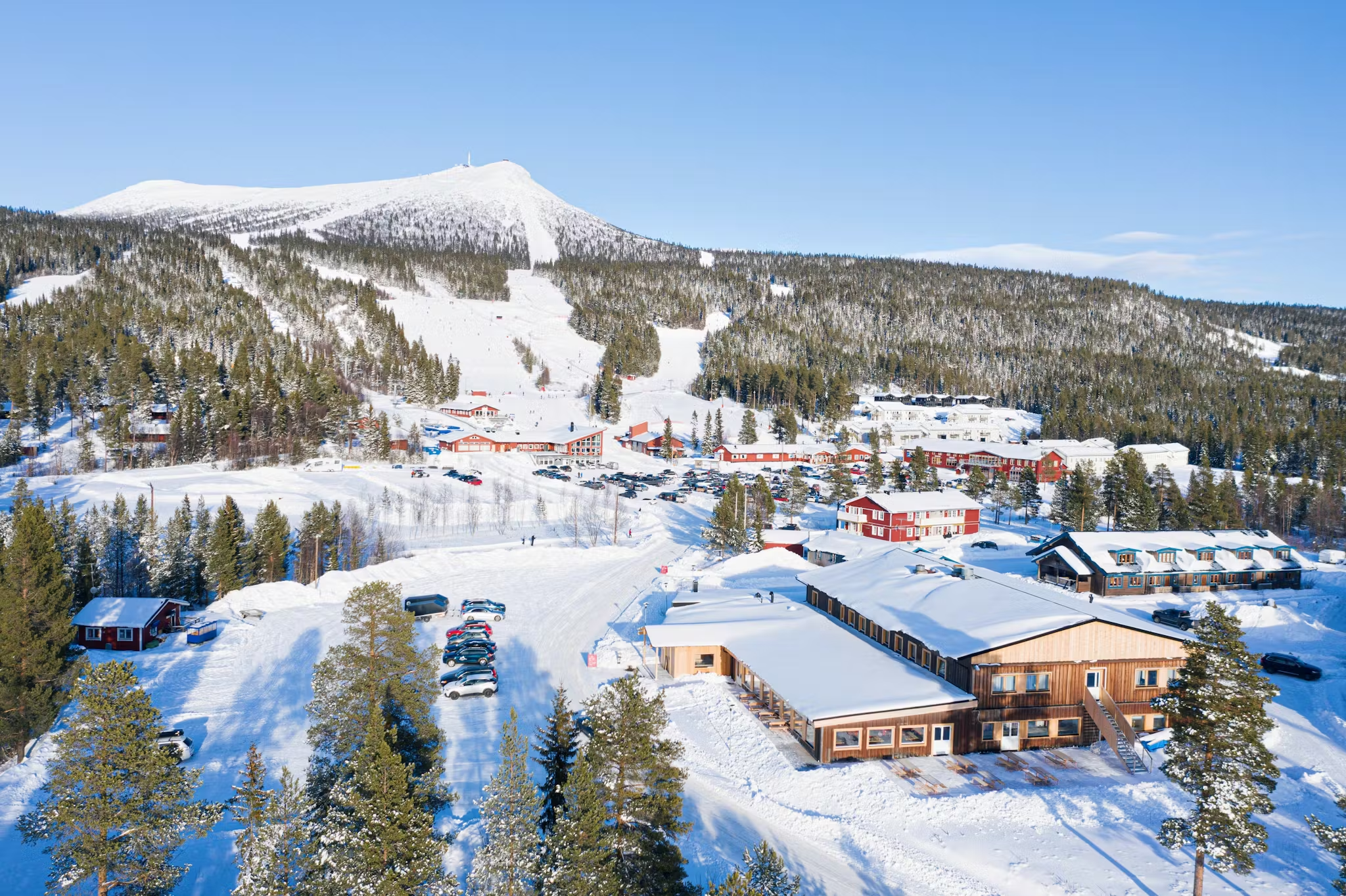
Härjedalen, Sweden
day pass
Opens in 22 days
published season date
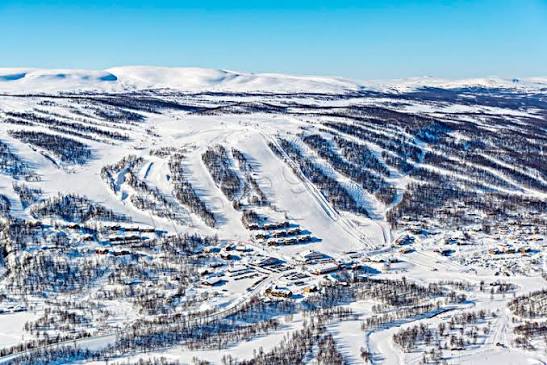
Härjedalen, Sweden
day pass
Opens in 30 days
published season date
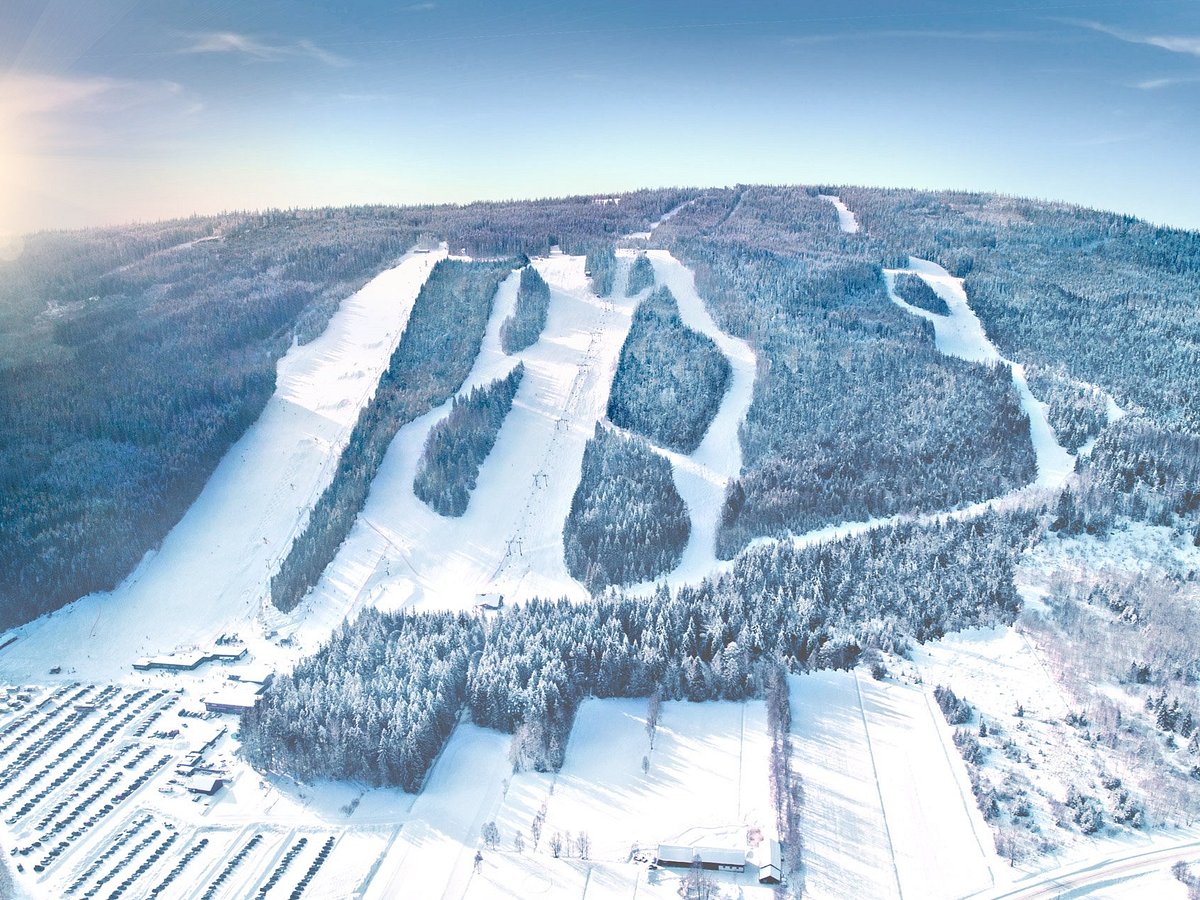
Värmland, Sweden
day pass
Opens in 37 days
published season date
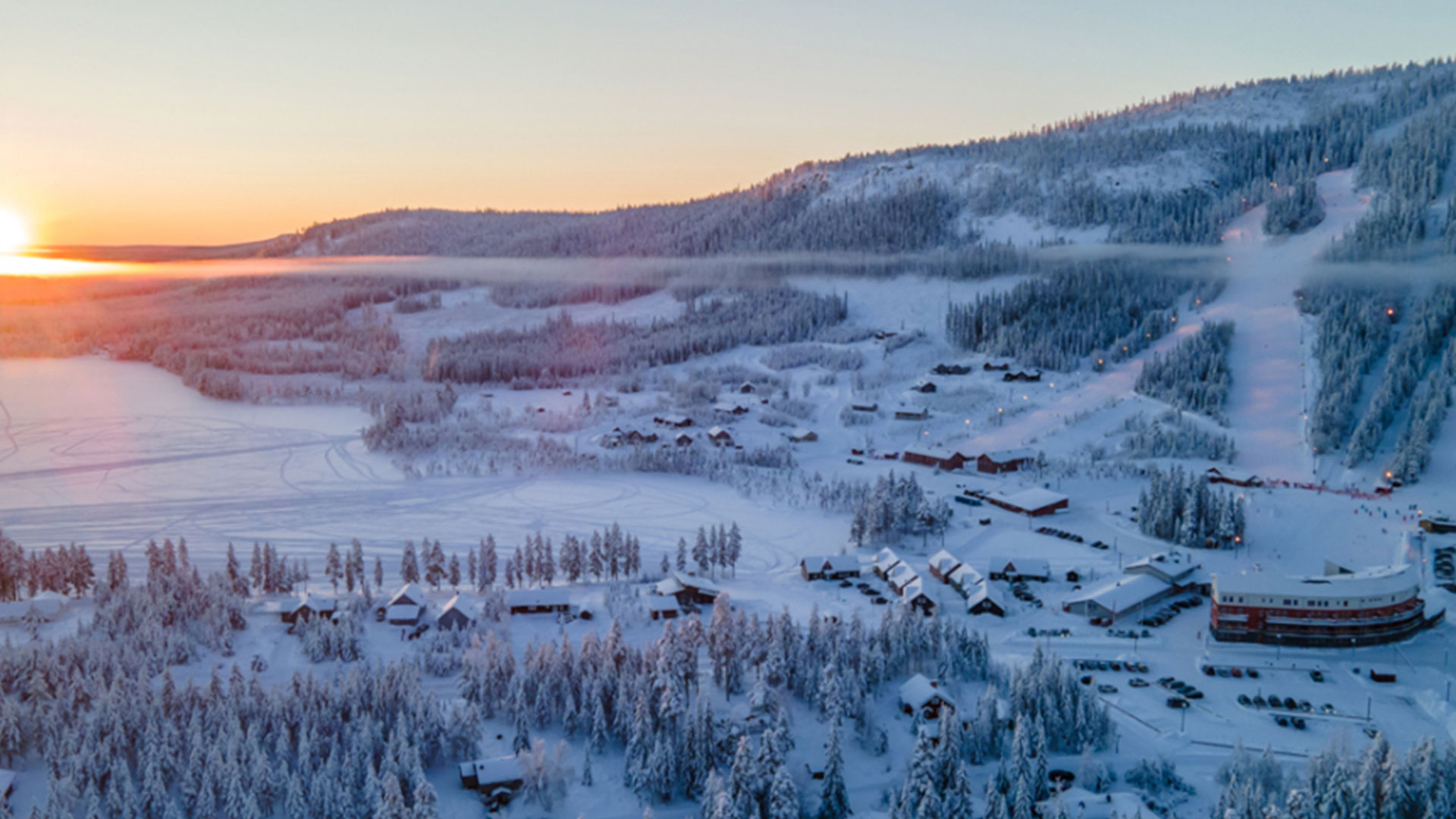
Vemdalen, Jämtland, Sweden
day pass
Opens in 29 days
published season date
The prime season for heliskiing in Sweden generally runs from late February through April. Midwinter (February-March) often provides the deepest and driest powder, while late season (April-early May) offers longer daylight hours, warmer temperatures, and the chance for excellent corn snow. Resorts like Funäsdalen and Storlien, with seasons extending into May, indicate reliable snow retention in their regions. Early season (December-January) is possible but often involves shorter days and more variable snow conditions, requiring careful assessment by guides.
Heliskiing in Sweden is a premium experience, with costs varying significantly based on the operator, package duration, and inclusions. While resorts like Lofsdalen offer day passes from around €43, heliskiing packages typically range from €1,000 to €3,000+ per person for a multi-day trip, or several hundred euros for a single drop. This usually covers helicopter time, certified guides, safety equipment (transceiver, shovel, probe, airbag), and sometimes accommodation and meals. Always confirm what is included to avoid unexpected expenses.
The most renowned regions for heliskiing in Sweden are generally found in the northern parts of the country, particularly around the areas of Lapland, Jämtland, and Härjedalen. While the data shows resorts like Funäsdalen (Härjedalen) and Storlien (Jämtland) offer traditional skiing, their surrounding mountain ranges provide vast, untouched terrain ideal for heliskiing. These regions benefit from consistent snowfall and expansive wilderness, offering diverse descents. Operators often base themselves near these areas to leverage local knowledge and infrastructure.
Heliskiing in Sweden typically requires advanced to expert skiing or snowboarding skills. Participants should be comfortable skiing confidently and in control in varied off-piste conditions, including deep powder, variable snow, and steeper terrain. The ability to ski through trees and manage challenging conditions is often necessary. While resorts like Idre Fjäll and Stöten cater to beginners, heliskiing is not suitable for novices. Operators will assess your skill level to ensure safety and group compatibility, often requiring a strong physical fitness level.
Safety is paramount in heliskiing. All reputable heliskiing operations in Sweden employ highly certified and experienced mountain guides who are experts in avalanche forecasting, rescue techniques, and wilderness first aid. Participants are provided with essential safety equipment, including an avalanche transceiver, shovel, probe, and often an avalanche airbag, with mandatory training on their use. Weather conditions are meticulously monitored, and flight decisions are made daily based on snow stability, visibility, and wind. Adhering to guide instructions is critical for a safe experience.