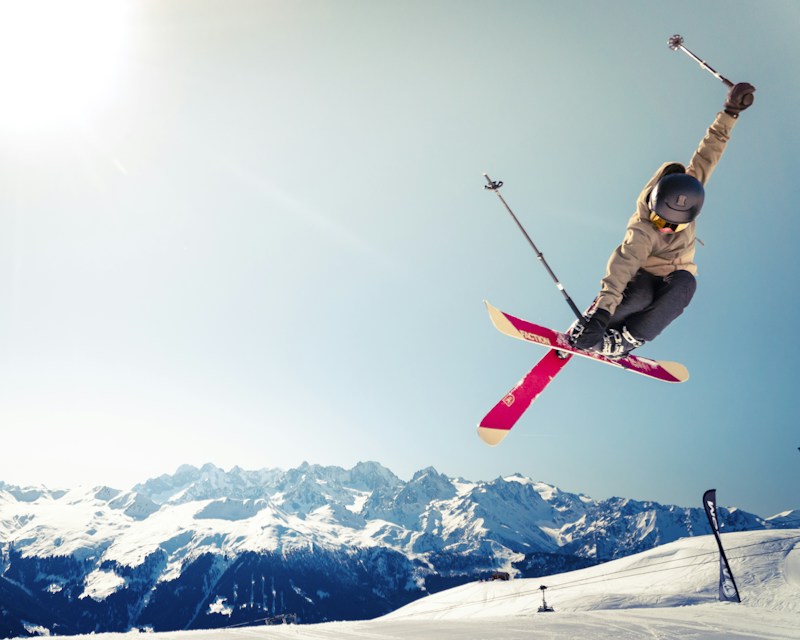
Myrkdalen
Voss, Vestland, Norway
€62
day pass
Opens in 8 days
published season date
Our top picks for best ski resorts in scandinavia 2027 are Myrkdalen, Fonna Glacier Ski Resort, Galdhøpiggen Sommerskisenter, Stryn Sommerski and Voss Resort, ranked from live snow depth, verified 2026/27 lift-pass prices and confirmed opening dates.
Scandinavia, with its vast and often untouched wilderness, offers a unique backdrop for heliskiing adventures. While many Scandinavian resorts focus on traditional piste skiing, the true allure for heliskiers lies in accessing remote, pristine terrain far beyond the lifts. The region's diverse geography, from the fjords of Norway to the rolling fells of Sweden and Finland, provides a variety of descents suitable for different skill levels. Planning for a heliskiing trip here requires understanding the specific conditions and opportunities each part of the season presents, ensuring optimal snow quality and safety for an unforgettable experience.
Unlike typical resort skiing, heliskiing in Scandinavia is an expedition-style pursuit, often involving experienced local guides and specialized operators. The resorts listed, such as Funäsdalen and Idre Fjäll, serve as excellent bases for accommodation and resort amenities, but the heliskiing itself occurs in designated backcountry zones. Focus on resorts that offer good access to mountainous regions and have a reputation for off-piste opportunities, as these often correlate with heliskiing operations. Budget considerations are paramount, as heliskiing is a premium experience, but the rewards of untouched powder and breathtaking scenery are unparalleled.
For heliskiing in the early season (late November to mid-December), focus on areas known for early snow accumulation. While resorts like Idre Fjäll and Lofsdalen open for piste skiing, the backcountry may still be consolidating. This period is ideal for scouting potential drop zones and familiarizing yourself with the local snowpack. Operators might run limited programs, prioritizing safety and stable conditions. Be prepared for variable conditions and shorter daylight hours, making careful planning with your guide essential for a successful early-season adventure.
Midwinter (January to March) is prime heliskiing season across Scandinavia, offering the deepest and most consistent powder. Resorts like Funäsdalen and Narvik, known for their off-piste potential, are excellent staging points. The cold temperatures preserve snow quality, leading to epic, untracked descents. This is when heliskiing packages are most popular, so book well in advance. Expect long daylight hours further north, maximizing your time on the snow. Prioritize operators with extensive local knowledge to find the best stashes.
Spring (late March to late April) brings longer days and more stable snowpacks, ideal for high-alpine heliskiing. Resorts like Storlien and Idre Fjäll, with seasons extending into late April, provide a good base for spring missions. Look for corn snow conditions on sun-exposed slopes and cold powder in shaded aspects. This period often allows access to higher, more exposed terrain that might be too unstable earlier in the year. Always consult with your guide on snow stability and avalanche forecasts for optimal safety.
Heliskiing is a premium experience. While resorts like Kongsberg and Ellivuori offer budget-conscious lift passes, heliskiing costs significantly more. Factor in not just the heli-time but also guide fees, safety equipment rental, and potential accommodation. A 6-day lift pass at Idre Fjäll is around €164, but a single day of heliskiing can be several times that. Research packages that include multiple drops and services. Opting for a base in a budget-friendly resort can help offset some costs.
Heliskiing demands strong off-piste skills and a commitment to safety. Resorts like Funäsdalen and Narvik are noted for their off-piste categories, indicating terrain suitable for developing these skills. Before embarking on a heliskiing trip, ensure you are proficient in variable snow conditions and comfortable in steep terrain. Always go with certified guides and be equipped with avalanche safety gear. Regular practice and an understanding of avalanche protocols are non-negotiable for a safe and rewarding experience.
Live prices and weather — click any resort to see the full forecast, lift status, and trail map.
Voss, Vestland, Norway
day pass
Opens in 8 days
published season date
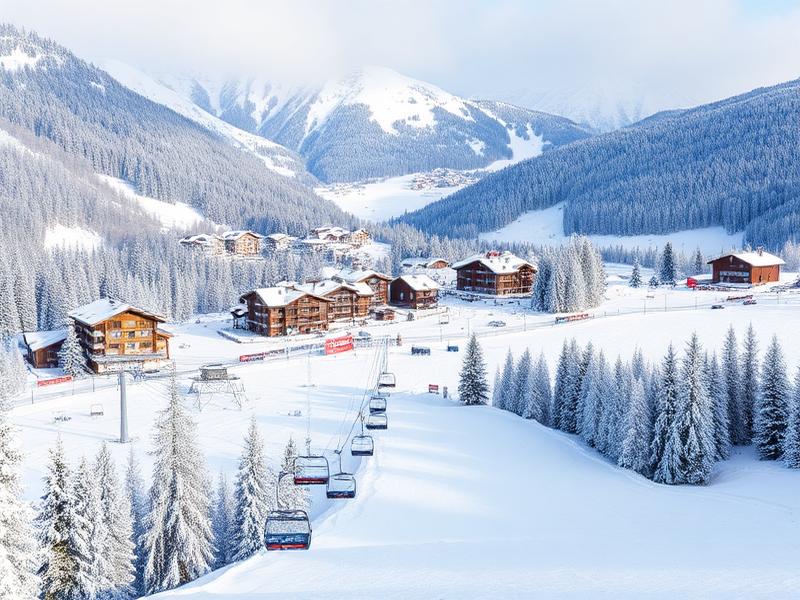
Kvinnherad, Vestland, Norway
day pass
Opens in 167 days
published season date
Lom, Innlandet, Norway
day pass
Opens in 167 days
published season date
Stryn, Vestland, Norway
day pass
Opens in 187 days
published season date
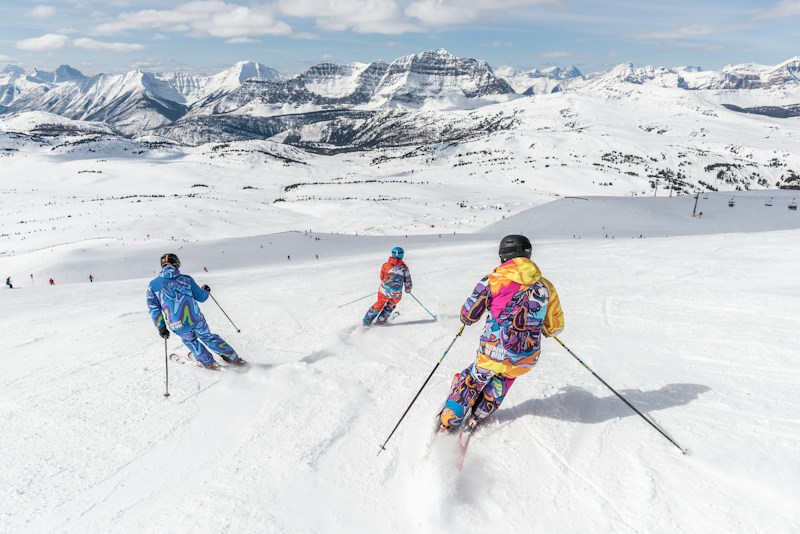
Voss, Vestland, Norway
day pass
Opens in 22 days
published season date
Målselv, Troms, Norway
day pass
Opens in 16 days
published season date
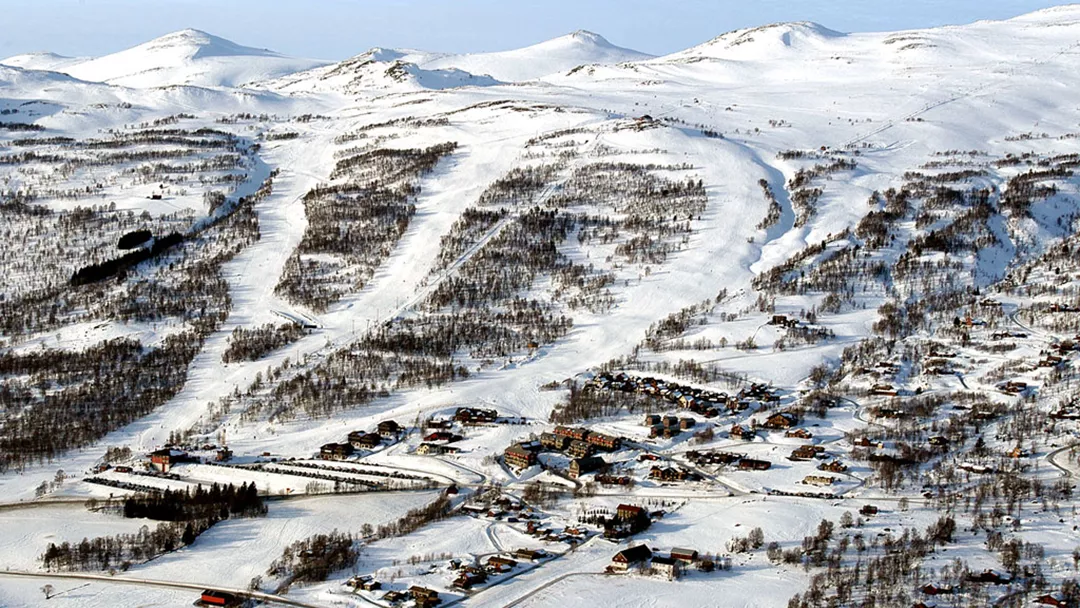
Trøndelag, Norway
day pass
Opens in 6 days
published season date
Jämtland, Sweden
day pass
Opens in 23 days
published season date
Kvam, Vestland, Norway
day pass
Opens in 23 days
published season date
Rogaland, Norway
day pass
Opens in 37 days
published season date
Sauda, Rogaland, Norway
day pass
Opens in 6 days
published season date
Tromsø, Troms, Norway
day pass
Opens in 26 days
published season date
Västerbotten, Sweden
day pass
Opens in 8 days
published season date
Valdres, Innlandet, Norway
day pass
Opens in 16 days
published season date
Funäsdalen, Härjedalen, Sweden
day pass
Opens in 30 days
published season date
Stad, Vestland, Norway
day pass
Opens in 26 days
published season date
Rana, Nordland, Norway
day pass
Opens in 6 days
published season date
Nordland, Norway
day pass
Opens in 25 days
published season date
Lapland, Sweden
day pass
Opens in 91 days
published season date
Sirdal, Agder, Norway
day pass
Opens in 37 days
published season date
Sirdal, Agder, Norway
day pass
Opens in 37 days
published season date
Buskerud, Norway
day pass
Opens in 22 days
published season date
Lesja, Innlandet, Norway
day pass
Opens in 5 days
published season date
Bodø, Nordland, Norway
day pass
Opens in 47 days
published season date
The prime season for heliskiing in Scandinavia typically runs from late January through April. Midwinter (February-March) often delivers the most consistent deep powder and cold temperatures that preserve snow quality. As spring progresses into April, longer daylight hours and more stable snowpacks allow access to higher, more exposed terrain, often with excellent corn snow conditions. Resorts like Funäsdalen and Idre Fjäll have seasons extending well into spring, making them good bases for these later-season adventures. Always check with operators for specific regional conditions and optimal timing for your desired experience.
Heliskiing is a high-end activity, and costs vary significantly based on the operator, package duration, and inclusions. While a 6-day lift pass at a resort like Kongsberg might be around €91, a single day of heliskiing can easily range from €1,000 to €2,500 or more per person, often including a set number of drops, guide services, and safety equipment. Multi-day packages or private charters will naturally be more expensive. It's crucial to budget not only for the heliskiing itself but also for travel, accommodation, and any necessary gear rentals. Research different operators and what their packages entail.
Heliskiing in Scandinavia is generally recommended for advanced to expert skiers and snowboarders. You must be comfortable skiing or riding in deep powder, variable snow conditions, and on steep, ungroomed terrain. While some operators may offer introductory heliskiing experiences for strong intermediates, a solid foundation in off-piste skiing is essential for safety and enjoyment. Resorts like Narvik and Funäsdalen, listed with 'Advanced skiers' and 'Off-piste' categories, are excellent places to hone these skills before committing to a heliskiing trip.
While heliskiing operates in the backcountry, selecting a suitable base resort is important for logistics and amenities. Look for resorts in mountainous regions with good infrastructure and a reputation for off-piste terrain. Resorts like Funäsdalen (Härjedalen, Sweden), Idre Fjäll (Dalarna, Sweden), and Narvik (Nordland, Norway) are excellent choices. They offer comfortable accommodation, access to other skiing, and are often located near areas where heliskiing operators run their trips. Their 'off-piste' categories suggest proximity to suitable terrain and a culture that supports backcountry exploration.
Safety is the absolute top priority in heliskiing. Always book with reputable, certified heliskiing operators and experienced, local guides. Participants must carry and know how to use essential avalanche safety equipment, including a transceiver, probe, and shovel. Many operators also require an avalanche airbag. A thorough safety briefing is conducted before each trip. Conditions can change rapidly, so adherence to guide instructions is non-negotiable. Resorts like Idre Fjäll and Funäsdalen emphasize off-piste safety, which provides a good foundation for understanding the risks involved in heliskiing.