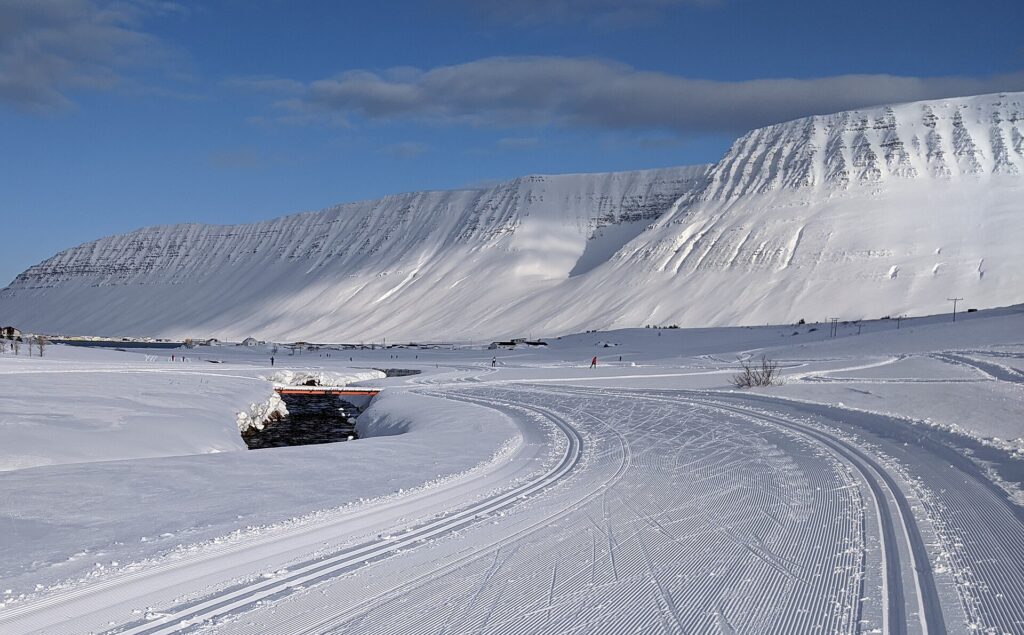
Tungudalur
Ísafjörður, Westfjords, Iceland
€30
day pass
Snow report pending
updates in season
The earliest-opening resorts in Iceland are Tungudalur, Hlíðarfjall, Tindaöxl, Skálamelur and Böggvisstaðafjall, ranked by confirmed 2026/27 opening date.
March in Iceland offers a unique and often overlooked window for skiing, bridging the deep winter with the lengthening days of spring. While the island is more famous for its dramatic landscapes and geothermal wonders, its compact ski resorts provide an authentic Nordic experience. By March, most resorts are in full swing, benefiting from consistent snow cover and increasingly generous daylight hours. This period is ideal for those seeking a blend of winter sports and cultural immersion, often with the added spectacle of the Northern Lights still making appearances. Expect a more relaxed atmosphere compared to larger European resorts, with a focus on local charm and accessibility.
Skiing in Iceland during March means preparing for variable conditions, from crisp, sunny days to more blustery weather, but generally reliable snow bases are common. The smaller scale of Icelandic resorts, such as Hlíðarfjall near Akureyri or Skarðsdalur in Siglufjörður, translates to fewer crowds and a more intimate experience. Lift pass prices remain consistent throughout March, offering good value for money, with day passes ranging from around €24 to €47. This month also marks the tail end of the prime Northern Lights viewing season, adding an extra layer of magic to evening activities after a day on the slopes.
12 recorded resorts in Iceland match march. Category matches are a shortlist to investigate, not a guarantee of facilities or current operation.
Stored adult day-pass guide prices range from €24 at Skálamelur to €47 at Hlíðarfjall, across 12 resorts with a price. Check the operator's current price for your date and ticket coverage; these are not live booking quotes.
March is one of your last opportunities to combine skiing with Northern Lights viewing. Resorts like Hlíðarfjall (Akureyri) and Skarðsdalur (Siglufjörður) are excellent choices, offering night skiing and dark skies. Book accommodations with good visibility away from light pollution. While sightings are never guaranteed, the longer nights of early March still provide ample chances. Plan your ski days to allow for evening sky-gazing, as the aurora can be a truly unforgettable spectacle.
March falls within the standard season for Icelandic resorts, meaning lift pass prices are stable. Resorts like Skálamelur (Húsavík) offer day passes from around €24 and 6-day passes from around €115, making it an excellent budget choice for families and beginners. Stafdalur (Seyðisfjörður) is another affordable option, with day passes around €25. Booking passes upon arrival is standard, but check resort websites for any multi-day discounts or family packages.
By March, Iceland's ski resorts generally boast deep and reliable snowpacks, making it an excellent month for consistent conditions. The days are also noticeably longer than in mid-winter, providing more daylight hours for skiing. Resorts like Hlíðarfjall (Akureyri) and Skarðsdalur (Siglufjörður) are typically open well into April, ensuring prime March skiing. Take advantage of the extended daylight for scenic runs and exploring the unique arctic landscapes.
Many Icelandic resorts cater well to families, offering gentle slopes and a welcoming atmosphere. Tungudalur (Ísafjörður) and Böggvisstaðafjall (Dalvík) are excellent family-focused options, with day passes around €30. Oddsskarð (Fjarðabyggð) also provides a family-friendly environment, sometimes with off-piste opportunities for more adventurous parents. Consider resorts like Tindaöxl (Ólafsfjörður) or Tindastóll (Sauðárkrókur) for a blend of family amenities and budget-conscious pricing, ensuring a memorable trip for all ages.
For those seeking adventure, March offers prime conditions for exploring Iceland's unique arctic and off-piste terrain. Skarðsdalur (Siglufjörður) is renowned for its advanced and off-piste opportunities, attracting experienced skiers. Oddsskarð (Fjarðabyggð) and Tindastóll (Sauðárkrókur) also offer off-piste options. Additionally, Seljalandsdalur (Ísafjörður) and Stafdalur (Seyðisfjörður) are great for cross-country and ski-touring. Always check local conditions and consider hiring a guide for off-piste excursions to ensure safety in these remote, scenic locations.
Selection: march matches in Iceland. Order: recorded opening date, earliest first. Dates, prices and categories are planning information; verify availability with the operator. Data sources.
Live prices and weather — click any resort to see the full forecast, lift status, and trail map.
Ísafjörður, Westfjords, Iceland
day pass
Snow report pending
updates in season
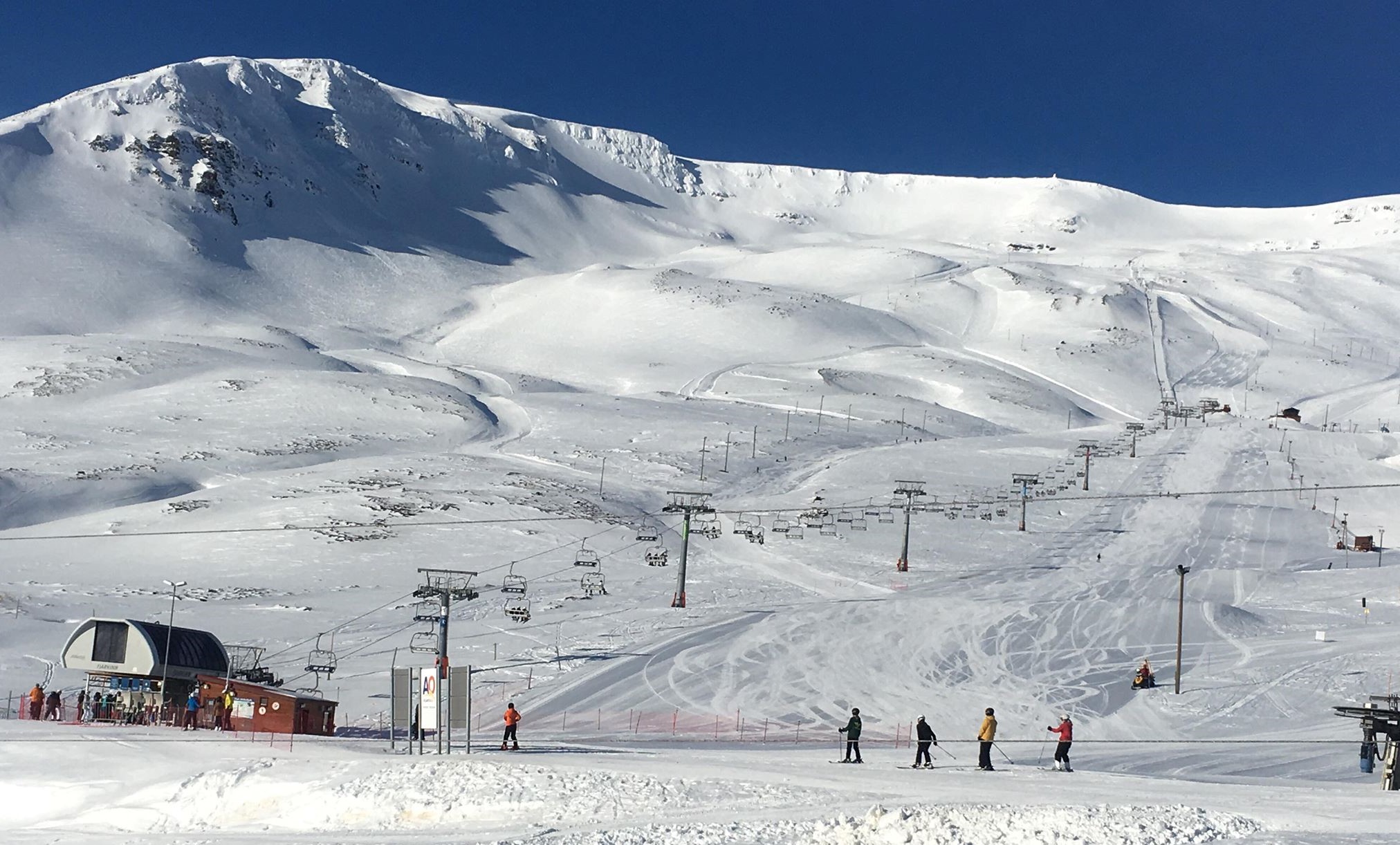
Akureyri, Northeast Iceland, Iceland
day pass
Opens in 16 days
published season date
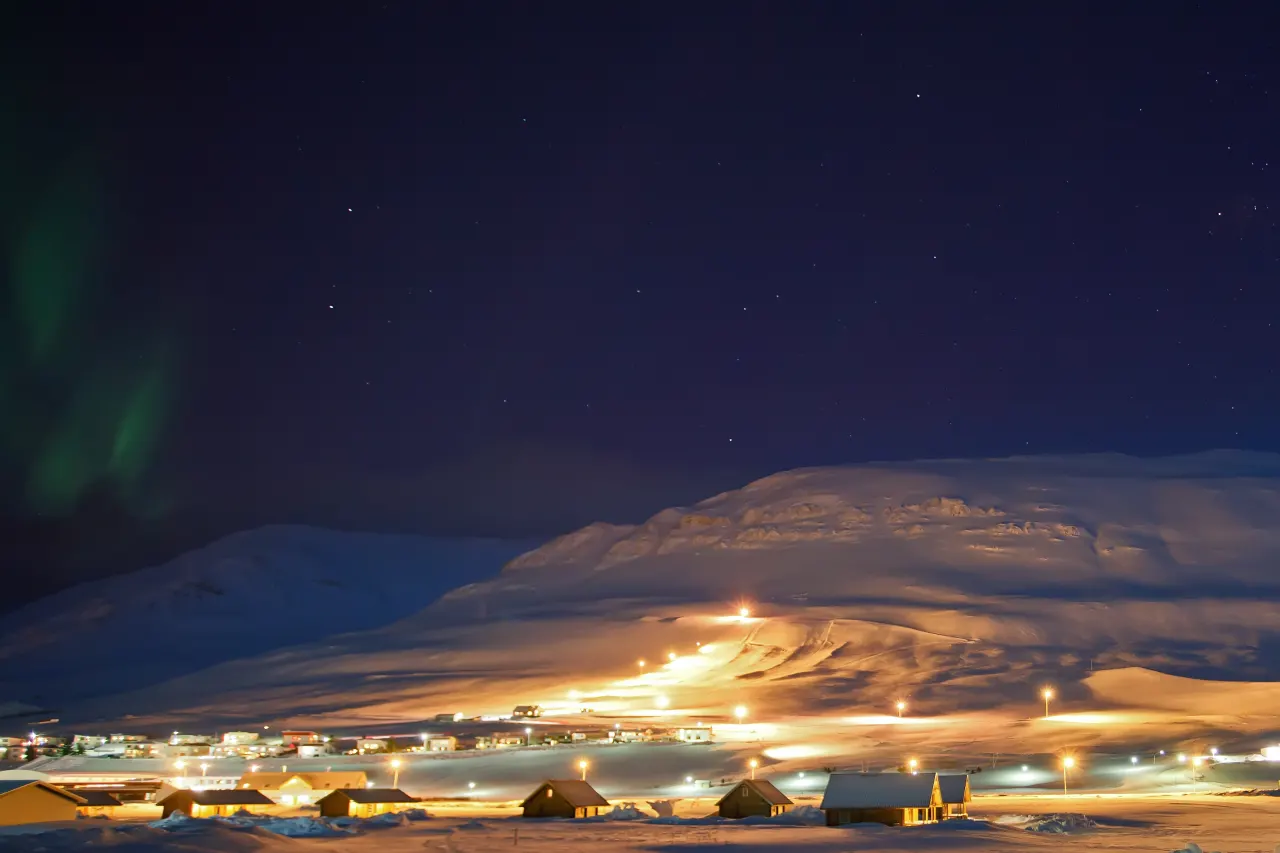
Ólafsfjörður, Northwest Iceland, Iceland
day pass
Opens in 20 days
published season date
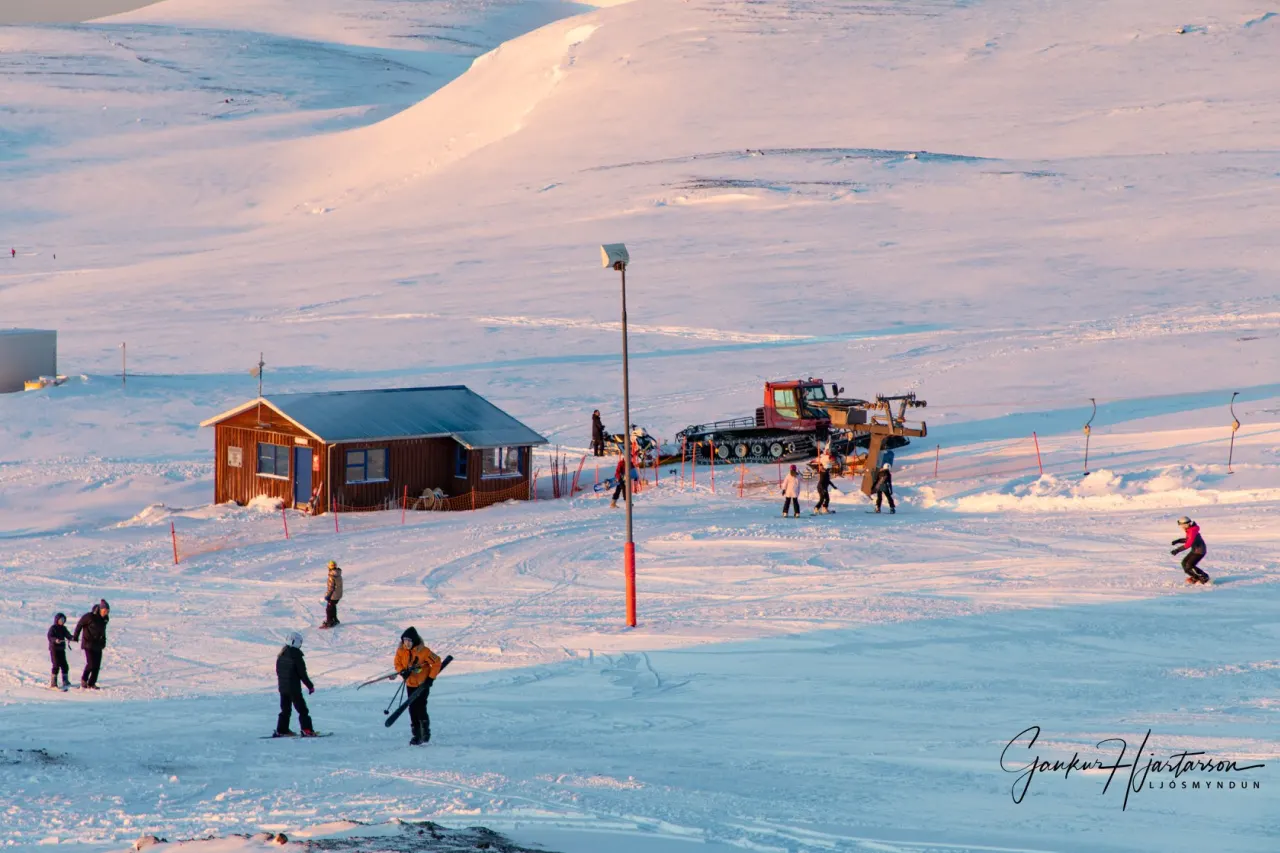
Húsavík, North Iceland, Iceland
day pass
Opens in 20 days
published season date
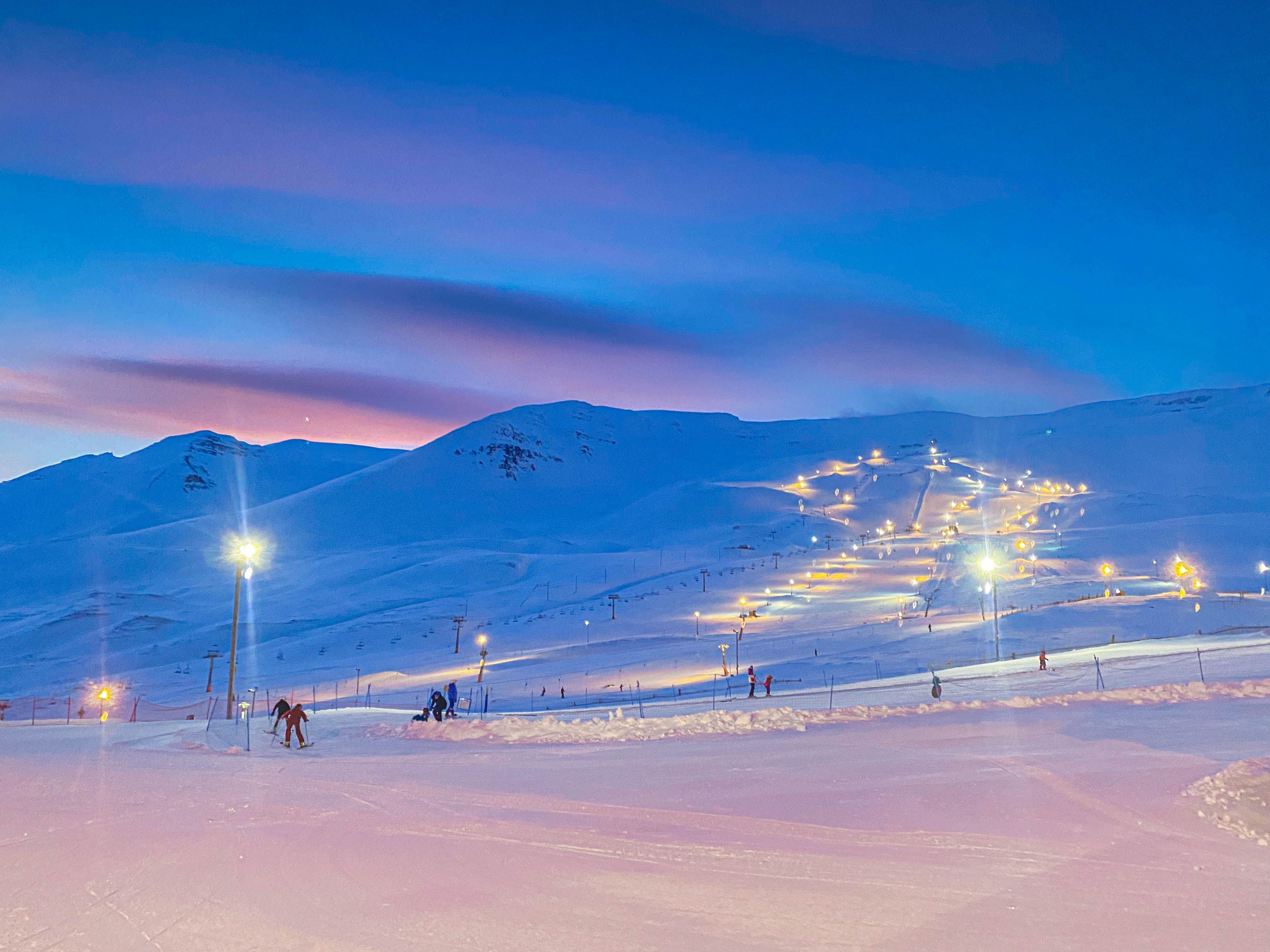
Dalvík, North Iceland, Iceland
day pass
Opens in 37 days
published season date
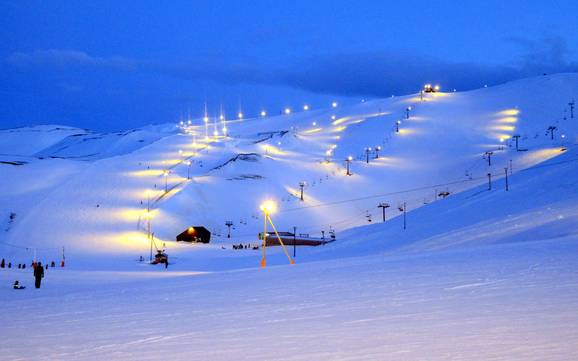
Reykjavík Capital Region, Iceland
day pass
Opens in 37 days
published season date
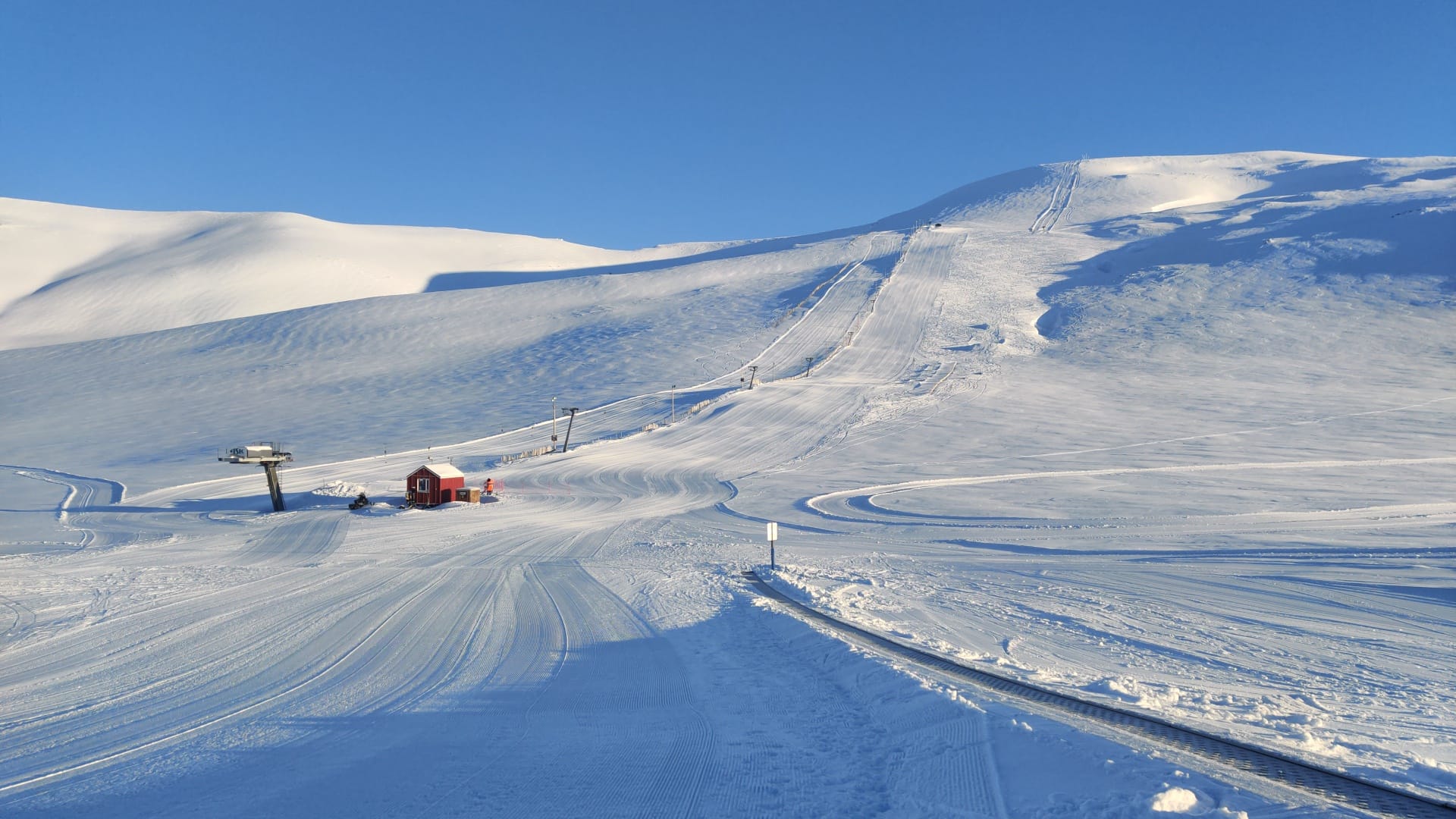
Ísafjörður, Westfjords, Iceland
day pass
Opens in 47 days
published season date
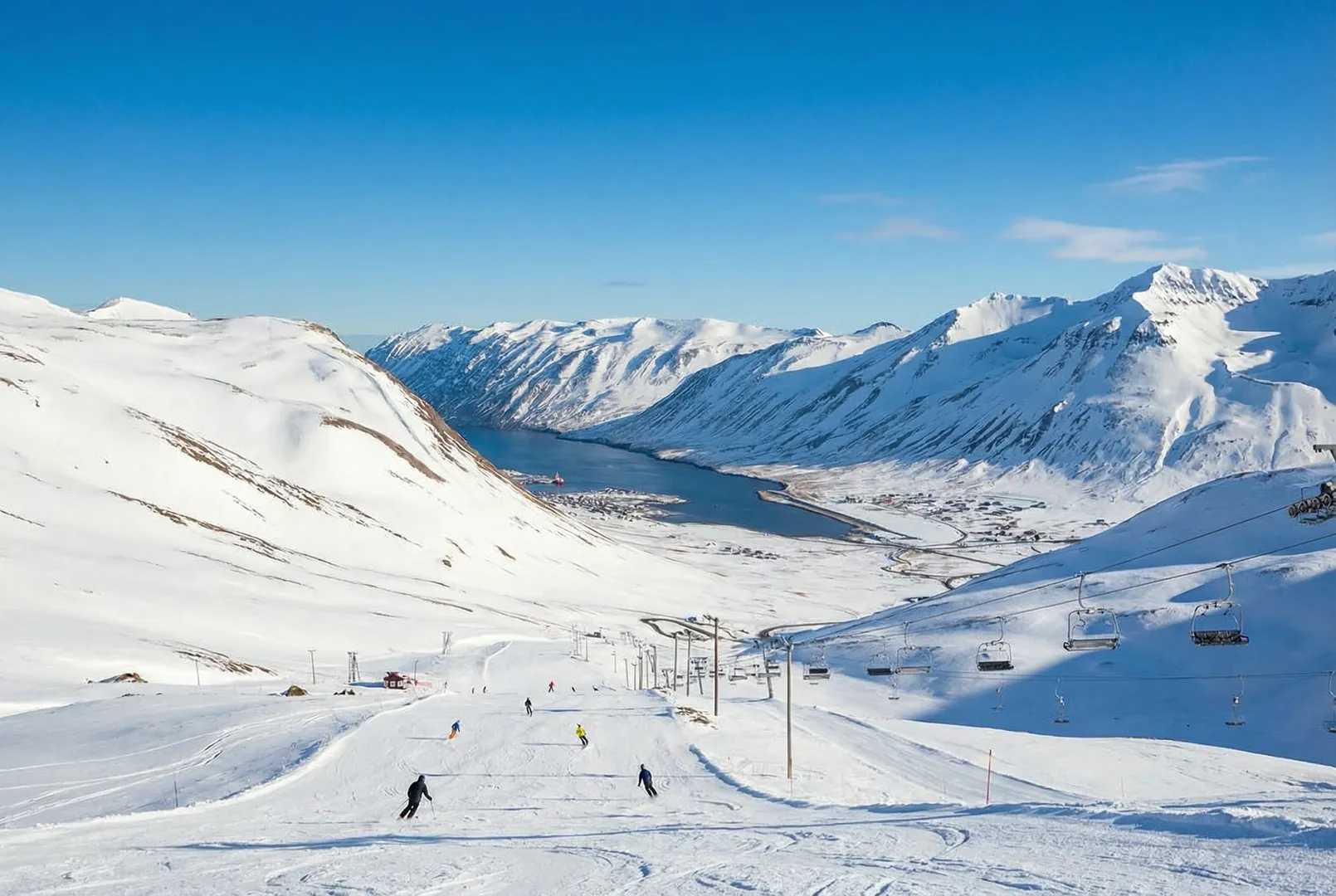
Siglufjörður, Northwest Iceland, Iceland
day pass
Opens in 47 days
published season date
Fjarðabyggð, East Iceland, Iceland
day pass
Opens in 47 days
published season date
Seyðisfjörður, East Iceland, Iceland
day pass
Opens in 47 days
published season date
Sauðárkrókur, Skagafjörður, Iceland
day pass
Opens in 47 days
published season date
Reykjavík Capital Region, Iceland
day pass
Opens in 47 days
published season date
Yes, March is an excellent time to ski in Iceland. Most resorts are fully operational, benefiting from established snow bases and increasingly longer daylight hours compared to the deep winter months. The weather can be variable, but generally, snow reliability is high. Crowd levels are typically low, offering a more intimate and less rushed skiing experience. It's also one of the last months where you have a good chance of witnessing the Northern Lights, adding an extra dimension to your trip. Resorts like Hlíðarfjall and Skarðsdalur are usually in prime condition throughout March, with seasons extending well into April or even May.
By March, Icelandic ski resorts generally have a solid and reliable snowpack. The base tends to be deep, ensuring good coverage across most runs. While fresh snowfall is still common, you can also expect periods of clearer, sunnier weather. Conditions can range from soft powder to firmer, packed snow, depending on recent weather patterns. Resorts are well-equipped to manage varying conditions, and the smaller scale means pistes are often well-maintained. Always check local forecasts and resort reports for the most up-to-date information, but overall, March offers dependable snow for skiing.
A ski trip to Iceland in March can be surprisingly affordable, especially compared to larger European resorts. Lift pass prices are consistent throughout the month, with day passes ranging from around €24 (Skálamelur) to €47 (Hlíðarfjall). Six-day passes are also good value, from around €115 to €215. Accommodation and other travel costs will depend on your choices, but many resorts like Tungudalur and Oddsskarð are known for being budget-friendly. Early booking for flights and accommodation can help secure better deals, but lift passes are generally purchased on arrival without significant price fluctuations in March.
Several Icelandic resorts are ideal for families in March, offering a relaxed environment and suitable terrain. Tungudalur (Ísafjörður), Böggvisstaðafjall (Dalvík), and Oddsskarð (Fjarðabyggð) are excellent choices, known for their family-friendly atmosphere and scenic surroundings. Skálamelur (Húsavík) is particularly good for beginners and families, offering very affordable lift passes. These resorts typically have gentle slopes, ski schools, and a welcoming vibe, ensuring a fun and safe experience for children and adults alike. The smaller size also means it's easier to keep track of younger skiers.
In March, daylight hours in Iceland are significantly longer than in the peak winter months, providing ample time for skiing. At the beginning of March, you can expect around 10-11 hours of daylight, which extends to approximately 13-14 hours by the end of the month. This means more time on the slopes and better visibility for enjoying the stunning scenic views. The extended daylight also makes it easier to combine skiing with other activities or explore the local areas. Resorts like Hlíðarfjall also offer night skiing, extending the ski day even further.