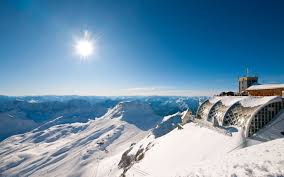
Zugspitze
Bavaria, Germany
€69
day pass
Opens in 8 days
published season date
Our top picks for best ski resorts in germany 2027 are Zugspitze, Nebelhorn, Garmisch-Partenkirchen, Balderschwang and Oberstdorf, ranked from live snow depth, verified 2026/27 lift-pass prices and confirmed opening dates.
Germany offers a growing selection of ski resorts committed to sustainability, integrating eco-friendly practices into their operations. From renewable energy sources to responsible waste management and the promotion of public transport, these destinations allow skiers to enjoy the slopes with a reduced environmental footprint. This guide highlights top German resorts that prioritize ecological stewardship, ensuring a responsible and enjoyable winter sports experience. Choosing these resorts supports local economies and environmental initiatives, contributing to the long-term health of alpine ecosystems.
When planning a sustainable ski trip in Germany, consider factors beyond just the snow. Look for resorts that actively invest in conservation, offer organic or locally sourced food, and provide incentives for car-free travel. The resorts listed here represent a blend of popular destinations and hidden gems, all making strides towards a greener future. We focus on practical advice for enjoying these resorts throughout the season, ensuring your visit aligns with eco-conscious principles while maximizing your time on the snow.
For early season trips (late November/early December), minimize your carbon footprint by choosing resorts with excellent train access. Garmisch-Partenkirchen, opening late November, is a prime example. Plan your journey to arrive by rail, then utilize local public transport or resort shuttles. This reduces emissions and often provides a more relaxed start to your ski day, allowing you to enjoy the pre-Christmas atmosphere responsibly.
During midwinter (January/February), many family-focused resorts prioritize sustainability. Oberammergau, with its family-friendly slopes and cultural appeal, often implements energy-saving measures. Look for resorts like Oberstaufen, which emphasizes wellness alongside its family offerings, suggesting a holistic approach to sustainability. Inquire about their specific green initiatives, such as local food sourcing, to support their efforts directly.
As spring approaches (March/April), some resorts extend their season while maintaining eco-friendly practices. Nebelhorn, open until early May, is an excellent choice for late-season skiing. Check for resorts that use natural snow management and avoid excessive artificial snow production during warmer periods. Berchtesgaden, known for its scenic beauty, is ideal for spring ski touring, offering a low-impact way to enjoy the mountains as the season winds down.
Sustainable skiing doesn't have to break the bank. Resorts like Postwiesen and Oberammergau offer day passes around €42 and €35 respectively, making them accessible. These resorts often focus on efficient operations and local sourcing, which inherently supports sustainability. By choosing budget-conscious options, you can direct more of your spending towards local businesses and experiences, further bolstering the regional eco-system.
Even apres-ski can be eco-conscious. When visiting resorts like Spitzingsee-Tegernsee or Willingen, which offer apres-ski, seek out establishments that serve local beers, wines, and regional dishes. This supports local producers and reduces the carbon footprint associated with transport. Opt for places that use reusable dishware and minimize waste. Your choices contribute to the overall sustainability of the resort community.
Live prices and weather — click any resort to see the full forecast, lift status, and trail map.
Bavaria, Germany
day pass
Opens in 8 days
published season date
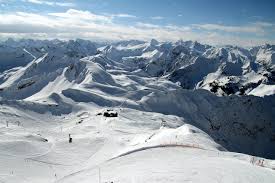
Oberstdorf, Bavaria, Germany
day pass
Opens in 23 days
published season date
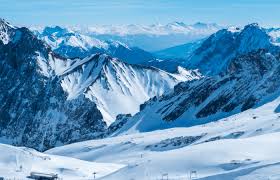
Bavaria, Germany
day pass
Opens in 8 days
published season date
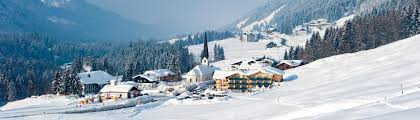
Allgäu, Bavaria, Germany
day pass
Opens in 30 days
published season date
Bavaria, Germany
day pass
Opens in 15 days
published season date
Oberstdorf, Bavaria, Germany
day pass
Opens in 15 days
published season date
Bad Hindelang, Bavaria, Germany
day pass
Opens in 22 days
published season date
Waidring, Bavaria, Germany
day pass
Opens in 16 days
published season date
Bayrischzell, Bavaria, Germany
day pass
Opens in 22 days
published season date
North Rhine-Westphalia, Germany
day pass
Snow report pending
updates in season
Bolsterlang, Allgäu, Bavaria, Germany
day pass
Opens in 15 days
published season date
Tegernsee Valley, Bavaria, Germany
day pass
Opens in 26 days
published season date
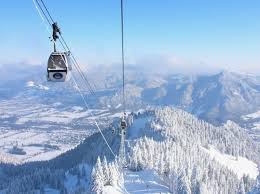
Lenggries, Bavaria, Germany
day pass
Opens in 16 days
published season date
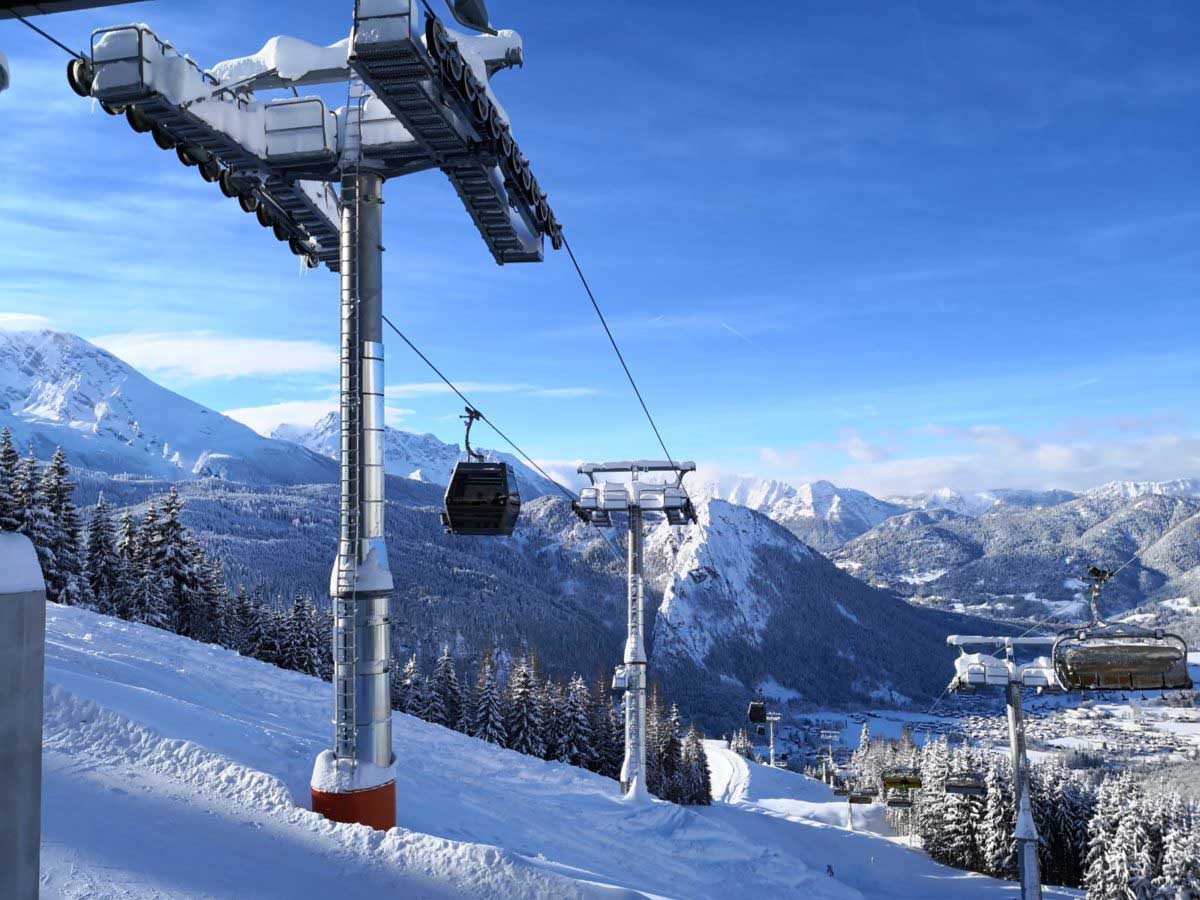
Bavaria, Germany
day pass
Opens in 36 days
published season date
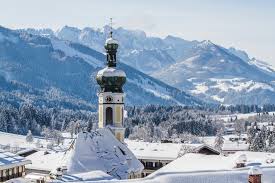
Chiemgau, Bavaria, Germany
day pass
Opens in 16 days
published season date
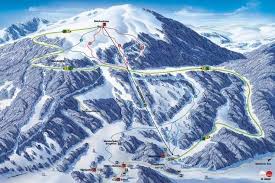
Black Forest, Baden-Württemberg, Germany
day pass
Opens in 22 days
published season date
Oberstdorf, Bavaria, Germany
day pass
Opens in 15 days
published season date
Saxony, Germany
day pass
Opens in 26 days
published season date
Saxony, Germany
day pass
Opens in 26 days
published season date
Bavarian Forest, Bavaria, Germany
day pass
Opens in 26 days
published season date
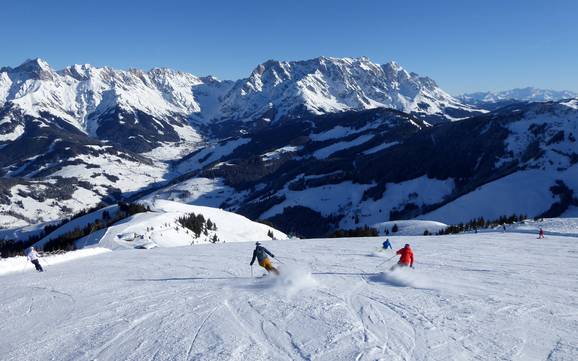
Bavaria, Germany
day pass
Opens in 26 days
published season date
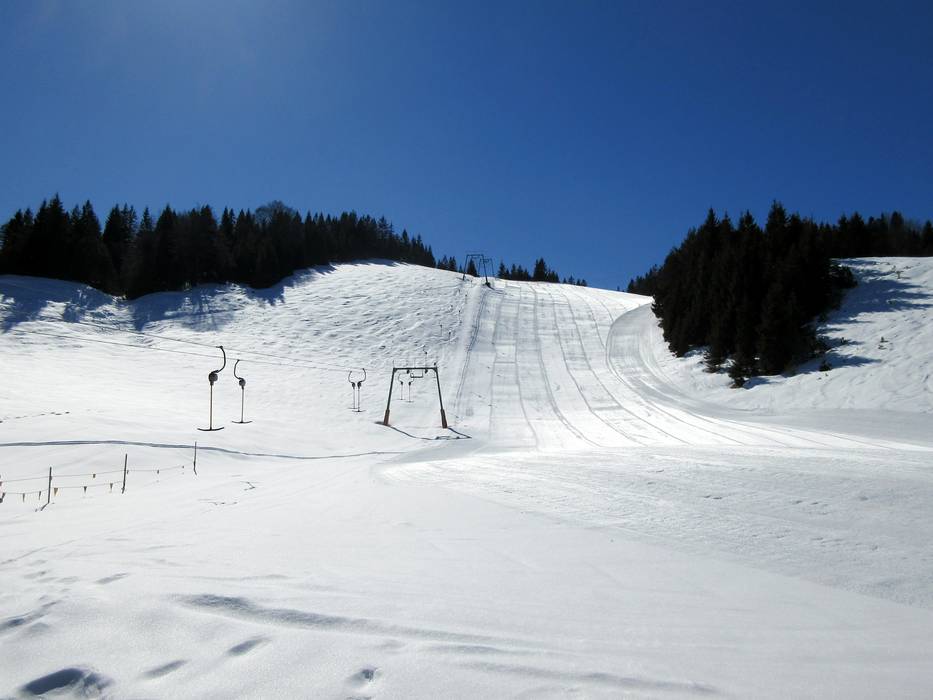
Bavaria, Germany
day pass
Opens in 36 days
published season date
Neuastenberg, North Rhine-Westphalia, Germany
day pass
Opens in 36 days
published season date
Sauerland, Hesse, Germany
day pass
Opens in 26 days
published season date
For a balance of reliable snow and sustainable practices, mid-January to early March is often ideal. Resorts like Nebelhorn and Garmisch-Partenkirchen typically have robust snow cover then, reducing reliance on extensive snowmaking. Visiting outside peak holiday weeks also means less crowded slopes and infrastructure, inherently lowering environmental impact. Early season (late November/December) can be good for resorts like Winterberg if natural snow arrives, while late season (March/April) at higher resorts like Nebelhorn offers sunny, low-impact skiing with less energy consumption for heating and lighting.
Not necessarily. While some eco-initiatives can incur costs, many sustainable practices like energy efficiency or local sourcing can also be cost-effective. Our listed resorts demonstrate a range of prices; for example, Oberammergau offers a day pass around €35, and Berchtesgaden around €27, making them very affordable. Even larger resorts like Garmisch-Partenkirchen (day pass ≈ €54) remain competitive. The focus is on value and responsible tourism, not inflated prices. Many resorts integrate sustainability without passing on significant extra costs to the consumer, making eco-conscious skiing accessible.
Look for resorts that publicly declare their environmental policies and certifications (e.g., ISO 14001, EMAS). Key indicators include investment in renewable energy for lifts and facilities, efficient snowmaking systems, waste reduction and recycling programs, promotion of public transport (like Garmisch-Partenkirchen's train access), protection of local biodiversity, and sourcing of local produce in their restaurants. Resorts like Oberstaufen, which emphasizes wellness, often have a broader commitment to environmental health. Inquire directly about their specific initiatives if details aren't readily available online.
Many German resorts cater well to families and beginners while maintaining eco-friendly credentials. Winterberg, Postwiesen, and Oberammergau are excellent choices, all explicitly listed as suitable for beginners and families, with day passes ranging from around €35 to €52. These resorts often feature dedicated children's areas and gentle slopes. Their commitment to sustainability ensures a healthy environment for future generations to enjoy. Look for resorts that prioritize safety and offer ski schools with a focus on environmental awareness, providing a holistic learning experience for young skiers.
Beyond choosing a sustainable resort, several actions can reduce your impact. Prioritize public transport; Garmisch-Partenkirchen is well-served by train. If driving is necessary, consider carpooling. Minimize waste by bringing reusable water bottles and coffee cups. Support local businesses by eating at restaurants that source local ingredients and buying souvenirs from local artisans. Be mindful of energy consumption in your accommodation. Opt for ski equipment rentals to reduce consumption, and respect marked trails to protect local flora and fauna. Every small choice contributes to a more sustainable ski holiday.