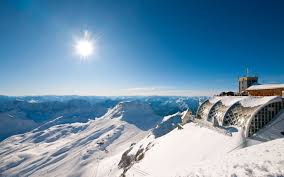
Zugspitze
Bavaria, Germany
€69
day pass
Opens in 8 days
published season date
The deepest snow in Germany is currently at Zugspitze, Nebelhorn, Garmisch-Partenkirchen, Balderschwang and Oberstdorf — 130 cm at the base.
Germany's ski resorts, particularly those nestled in the Bavarian Alps, offer surprising opportunities for powder enthusiasts. While not always boasting the extreme altitudes of their Austrian or Swiss neighbors, many German resorts benefit from consistent snowfall patterns, especially during prime winter months. The key to finding the best powder lies in understanding local microclimates and being ready to react to fresh snow forecasts. This guide focuses on maximizing your powder days across Germany, highlighting resorts known for their snow reliability and terrain that holds fresh snow well, from high-alpine bowls to sheltered forest runs.
Targeting powder in Germany requires strategic planning around the season's natural flow. Early season can deliver unexpected dumps, while midwinter typically offers the most consistent conditions. Spring powder, often found at higher elevations, provides a unique experience with softer snow and longer daylight hours. We've curated insights based on real resort data, including opening and closing dates, to help you pinpoint the best times and locations. From the high-altitude appeal of Zugspitze to the varied terrain of Oberstdorf, prepare to discover Germany's hidden powder stashes.
For early-season powder, keep a close eye on forecasts for resorts like Zugspitze, opening from November 29, 2026, or Garmisch-Partenkirchen, also starting late November. These higher-altitude options are often the first to accumulate significant snowfall. While base depths might still be building, a fresh dump can transform the slopes into an excellent playground. Be prepared for potentially limited terrain, but the uncrowded slopes make fresh tracks more accessible.
Midwinter, typically from late December through February, is prime time for deep powder. Resorts like Oberstdorf and Nebelhorn, both opening around mid-December, are excellent choices. Oberstdorf is even listed with an 'Off-piste' category, indicating suitable terrain. Monitor weather systems bringing snow from the north or west, as these often deliver the most substantial falls to the Bavarian Alps. Fresh powder can reset conditions daily, offering new lines.
Don't overlook spring for powder, especially at higher elevations. Zugspitze and Nebelhorn both remain open until May 3, 2027, offering late-season opportunities. After a cold night, spring often brings 'corn snow' – refrozen granular snow that softens to a delightful texture in the sun. However, a late-season storm can still drop fresh powder, providing fantastic spring skiing. Mornings are key to catching the best conditions before they get too heavy.
Powder doesn't have to break the bank. Resorts like Balderschwang, with a day pass around €45, or Winterberg, around €52, can offer excellent value on a powder day, especially if you're flexible with your timing. While their seasons might be shorter, a well-timed midwinter storm can deliver fantastic conditions. Keep an eye on their forecasts and be ready to make a spontaneous trip to maximize your chances for fresh tracks at a lower cost.
To find untracked powder, consider resorts that might be less frequented by hardcore powder hounds. Smaller, family-focused resorts like Söllereck (Oberstdorf) or Sudelfeld might offer surprisingly good stashes after a fresh snowfall, especially on weekdays. While their terrain might be less extreme, the joy of fresh tracks in a less competitive environment is undeniable. These resorts often have good tree skiing opportunities that protect snow quality.
Live prices and weather — click any resort to see the full forecast, lift status, and trail map.
Bavaria, Germany
day pass
Opens in 8 days
published season date
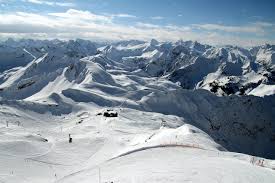
Oberstdorf, Bavaria, Germany
day pass
Opens in 23 days
published season date
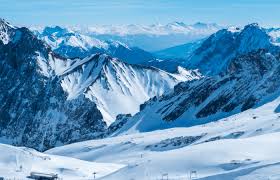
Bavaria, Germany
day pass
Opens in 8 days
published season date
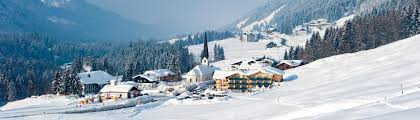
Allgäu, Bavaria, Germany
day pass
Opens in 30 days
published season date
Bavaria, Germany
day pass
Opens in 15 days
published season date
Oberstdorf, Bavaria, Germany
day pass
Opens in 15 days
published season date
Bad Hindelang, Bavaria, Germany
day pass
Opens in 22 days
published season date
Waidring, Bavaria, Germany
day pass
Opens in 16 days
published season date
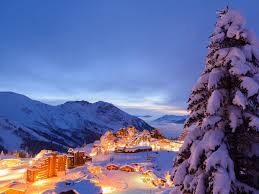
Bayrischzell, Bavaria, Germany
day pass
Opens in 22 days
published season date
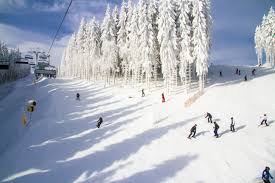
North Rhine-Westphalia, Germany
day pass
Snow report pending
updates in season
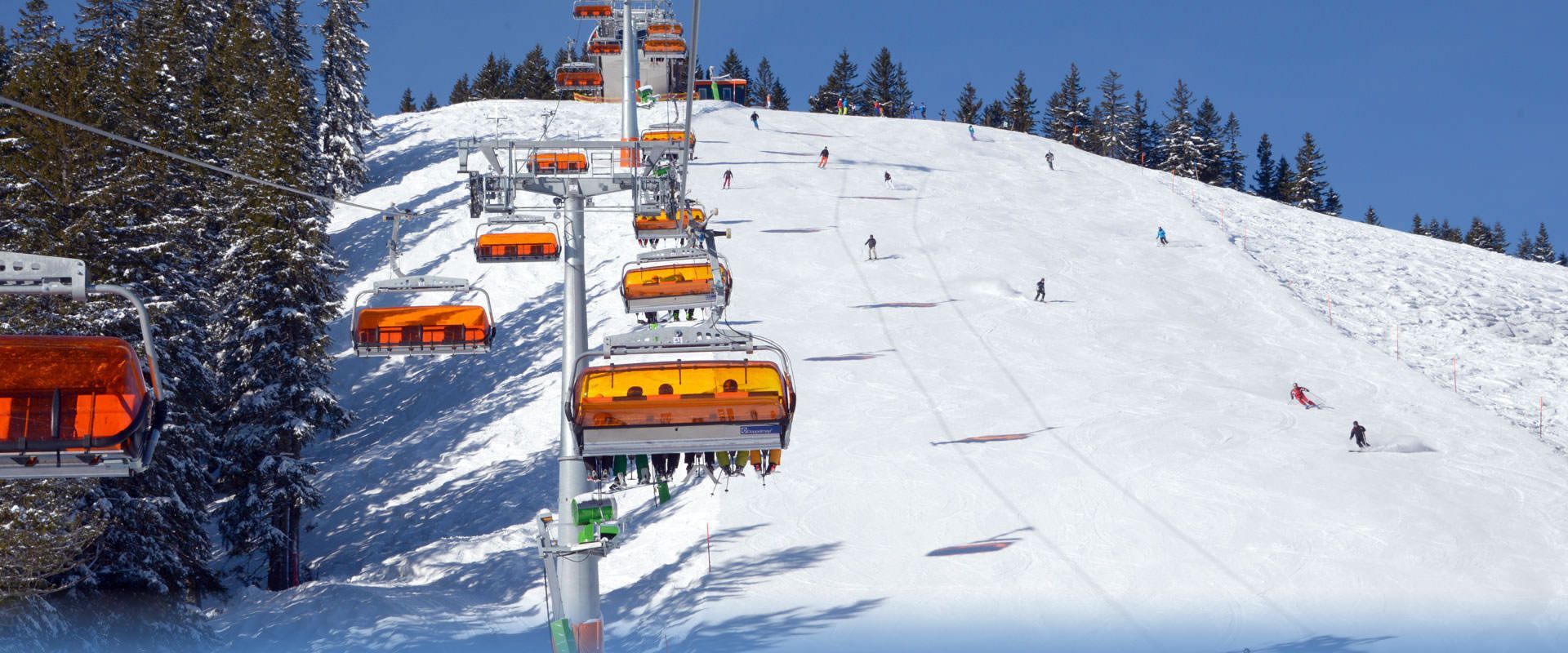
Bolsterlang, Allgäu, Bavaria, Germany
day pass
Opens in 15 days
published season date
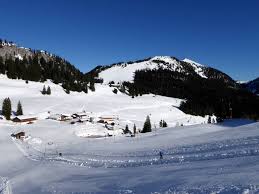
Tegernsee Valley, Bavaria, Germany
day pass
Opens in 26 days
published season date
Lenggries, Bavaria, Germany
day pass
Opens in 16 days
published season date
Bavaria, Germany
day pass
Opens in 36 days
published season date
Chiemgau, Bavaria, Germany
day pass
Opens in 16 days
published season date
Black Forest, Baden-Württemberg, Germany
day pass
Opens in 22 days
published season date
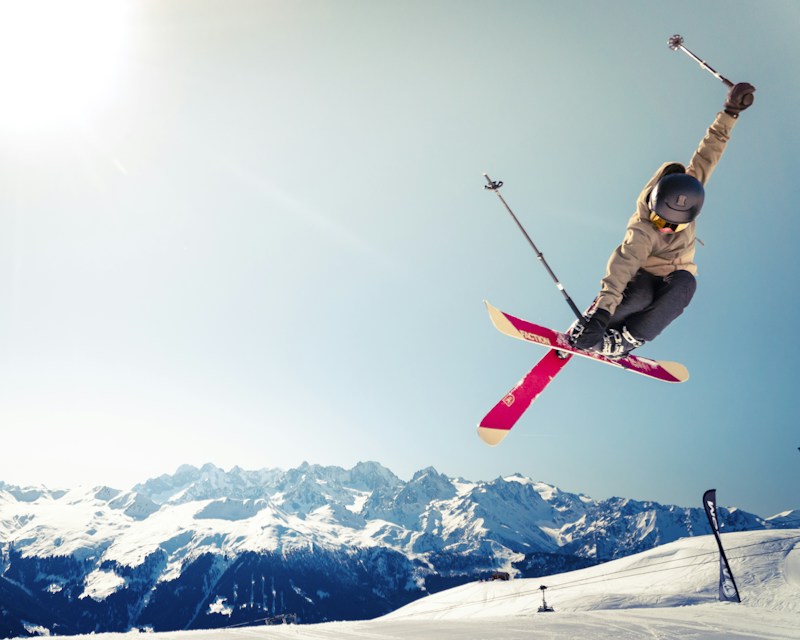
Oberstdorf, Bavaria, Germany
day pass
Opens in 15 days
published season date
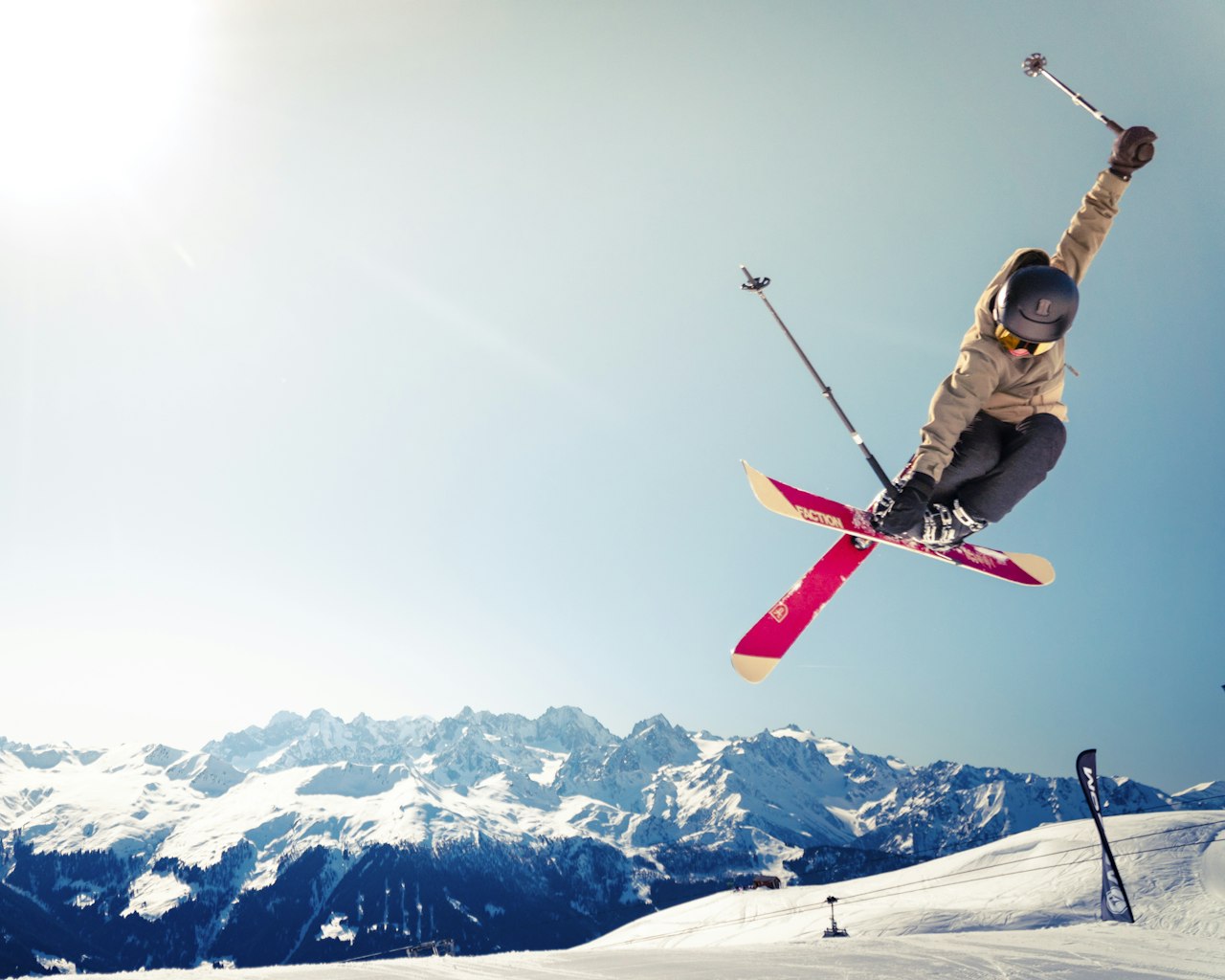
Saxony, Germany
day pass
Opens in 26 days
published season date
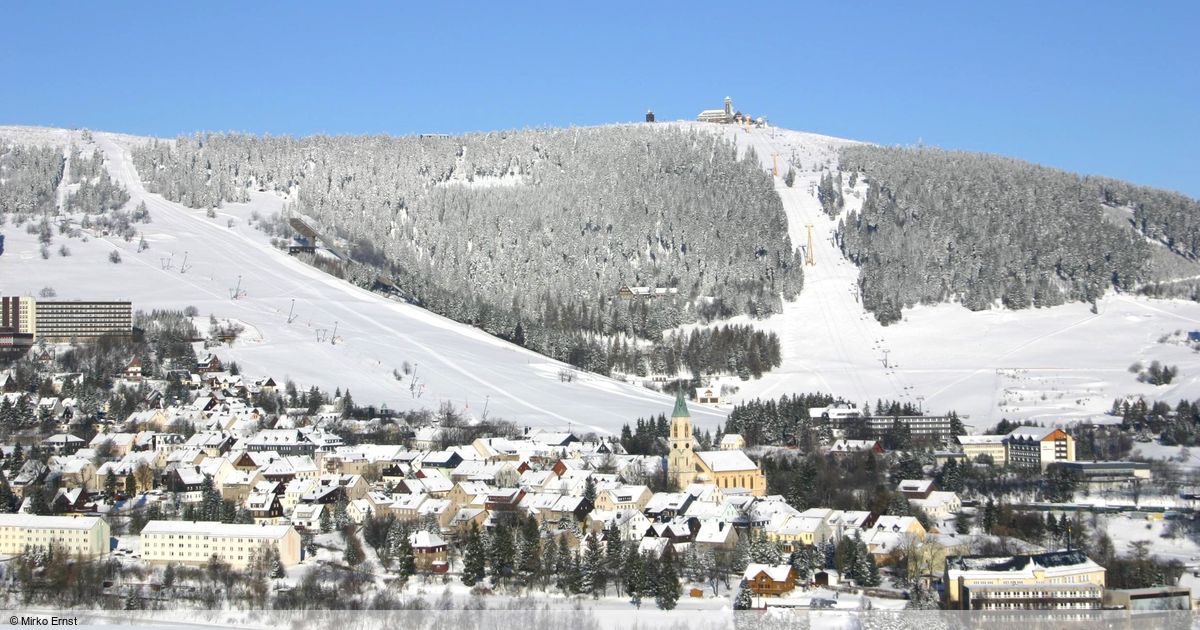
Saxony, Germany
day pass
Opens in 26 days
published season date
Bavarian Forest, Bavaria, Germany
day pass
Opens in 26 days
published season date
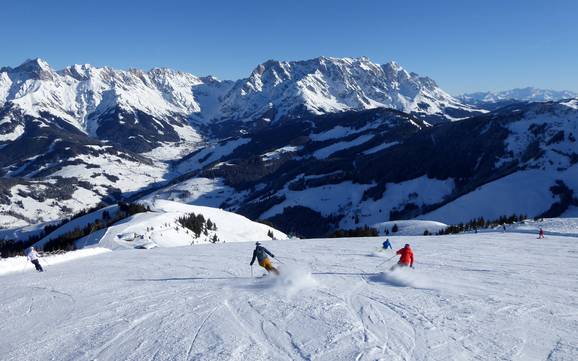
Bavaria, Germany
day pass
Opens in 26 days
published season date
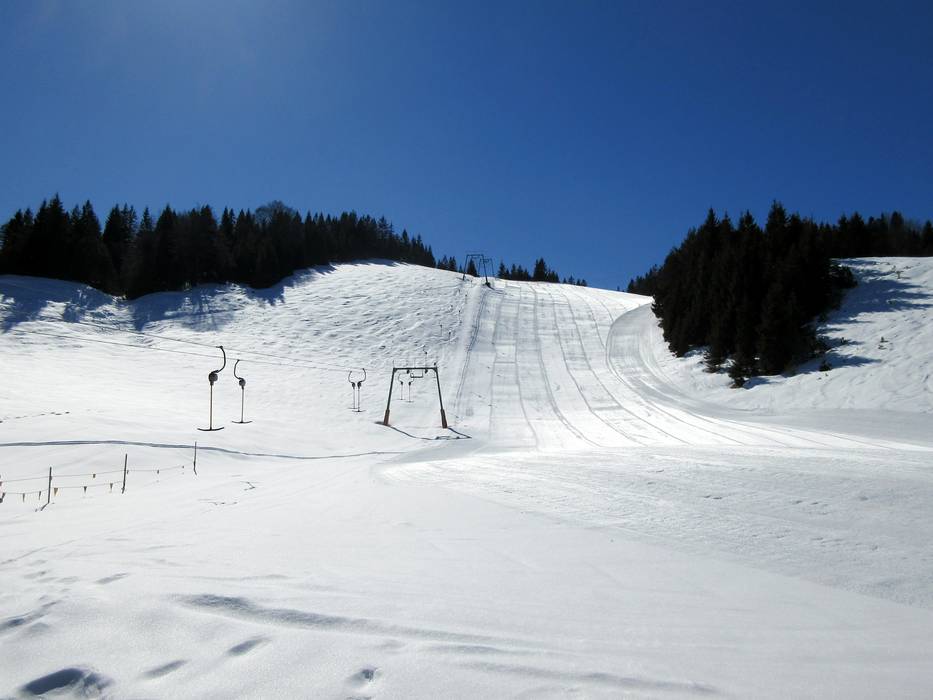
Bavaria, Germany
day pass
Opens in 36 days
published season date
Neuastenberg, North Rhine-Westphalia, Germany
day pass
Opens in 36 days
published season date
Sauerland, Hesse, Germany
day pass
Opens in 26 days
published season date
The most reliable period for significant powder snowfall in Germany is typically from mid-December through February. During these months, cold temperatures ensure snow quality, and frequent frontal systems can bring substantial dumps, especially to the Bavarian Alps. Early season (late November/early December) and late season (March/early April) can also offer excellent powder, though it's more dependent on specific storm cycles. Resorts like Zugspitze and Oberstdorf often see consistent snowfall throughout this core winter period, making them prime targets for powder hunters.
While Germany isn't solely defined by its powder, several resorts consistently offer good opportunities. Zugspitze, as Germany's highest peak, often receives abundant snowfall and holds snow well into spring. Oberstdorf, with its 'Off-piste' category, indicates suitable terrain for powder exploration across its various ski areas, including Nebelhorn. Garmisch-Partenkirchen also benefits from its alpine location. These resorts generally have the elevation and exposure to capture and retain powder effectively, providing a more reliable experience for those seeking fresh snow.
The cost of powder skiing in Germany can vary. Resorts like Zugspitze and Nebelhorn have day passes around €69, with 6-day passes around €400. However, more budget-friendly options exist. Balderschwang offers a day pass around €45 and a 6-day pass around €233, making it significantly cheaper. Winterberg is also budget-conscious with a day pass around €52. While you might not find the vast, high-alpine powder fields of other countries at these lower-priced resorts, a well-timed storm can still deliver excellent conditions without breaking the bank.
Snow reliability in German resorts, particularly for powder, is generally good in the Bavarian Alps. Resorts like Zugspitze benefit from high altitude, ensuring longer seasons and better snow preservation. Many resorts also have extensive snowmaking capabilities to supplement natural snowfall. While not every day will be a powder day, consistent winter storms often deliver fresh snow. Monitoring weather forecasts and being flexible with your travel dates are key to maximizing your chances of finding deep powder, especially at resorts with longer seasons like Oberstdorf and Zugspitze.
For powder skiing in Germany, essential gear includes wider skis (around 95-115mm underfoot) for better flotation, appropriate avalanche safety equipment (transceiver, shovel, probe) if venturing off-piste, and warm, waterproof outerwear. A helmet is always recommended. While many resorts offer rentals, bringing your own powder skis or renting them specifically for a powder day will significantly enhance your experience. Consider layers, as conditions can change rapidly, especially at higher elevations like Zugspitze, where cold temperatures are common on powder days.