
Kaprun
Salzburg, Austria
€82
day pass
Snow report pending
updates in season
The deepest snow in Austria is currently at Kaprun, Stubaier Gletscher, Lech Zürs, Silvretta Montafon and Gasteinertal — 180 cm at the base.
Austria, renowned for its dramatic alpine landscapes, offers an exceptional playground for powder enthusiasts. While many resorts boast excellent grooming, a select few stand out for their consistent snowfall, high-altitude terrain, and extensive off-piste opportunities, making them prime destinations for chasing fresh tracks. This guide focuses on resorts that deliver reliable powder experiences, from the early season dumps to late-season stashes. Understanding the unique characteristics of each area, including their elevation, typical snowfall patterns, and operational seasons, is key to maximizing your chances of finding untouched snow.
For those prioritizing deep snow, certain Austrian resorts consistently deliver. Factors like glacier access, north-facing slopes, and geographical position within major storm tracks contribute significantly to powder reliability. Whether you're seeking challenging couloirs, expansive bowls, or tree skiing, Austria's best powder destinations cater to a range of abilities. We'll explore how to best target these resorts throughout the winter, considering opening dates, peak snowfall periods, and the advantages of high-altitude and glacier-fed areas, ensuring your next Austrian ski trip is filled with memorable powder days.
For the earliest powder turns, target Austria's high-altitude glaciers. Stubaier Gletscher opens as early as October, offering excellent snow-sure conditions for off-piste exploration before the main winter season. Kaprun, with its Kitzsteinhorn glacier, also provides reliable early-season powder from late November. These resorts benefit from higher elevations, ensuring colder temperatures and better snow preservation, making them ideal for those eager to find fresh snow well before Christmas crowds arrive.
During peak winter (January-February), focus on resorts known for their significant snowfall and extensive off-piste terrain. St. Anton am Arlberg and Lech Zürs, both part of the Arlberg region, are legendary for deep powder and challenging off-piste routes, often receiving massive dumps. Silvretta Montafon in Vorarlberg is another excellent choice for advanced skiers and snowboarders seeking fresh tracks, benefiting from its geographical position to capture significant snowfall during mid-winter storms.
As spring approaches, concentrate on resorts with high-altitude terrain to find lingering powder. Stubaier Gletscher, open until mid-May, is a prime example, offering spring skiing with potential for fresh snowfall or well-preserved stashes at its highest elevations. Kaprun also provides late-season glacier skiing into April. These resorts maintain better snow quality later into the season due to their elevation, making them ideal for extending your powder hunt when lower resorts are transitioning to spring conditions.
To truly maximize powder days, prioritize resorts with renowned off-piste access. St. Anton am Arlberg and Lech Zürs are world-class for their extensive and challenging freeride terrain, but often require local knowledge or a guide. Stubaier Gletscher is also excellent for off-piste, particularly for advanced skiers and snowboarders. Always check local avalanche forecasts and consider hiring a certified guide when venturing beyond marked trails to ensure safety.
Powder doesn't always require a premium price tag. Resorts like Silvretta Montafon, with a day pass around €62 and a 6-day pass around €358, offer excellent off-piste opportunities without the higher cost of some larger areas. Damüls, with a day pass around €73 and a 6-day pass around €339, is another great option, known for its reliable snowfall. These resorts can provide fantastic powder experiences, especially during mid-week visits, offering good value for snow hunters.
Live prices and weather — click any resort to see the full forecast, lift status, and trail map.
Salzburg, Austria
day pass
Snow report pending
updates in season
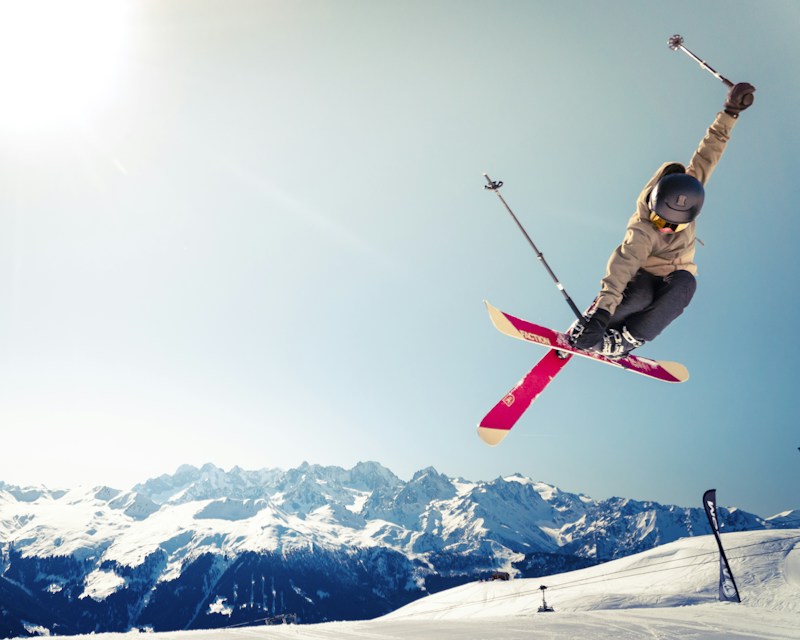
Stubai Valley, Tyrol, Austria
day pass
Snow report pending
updates in season
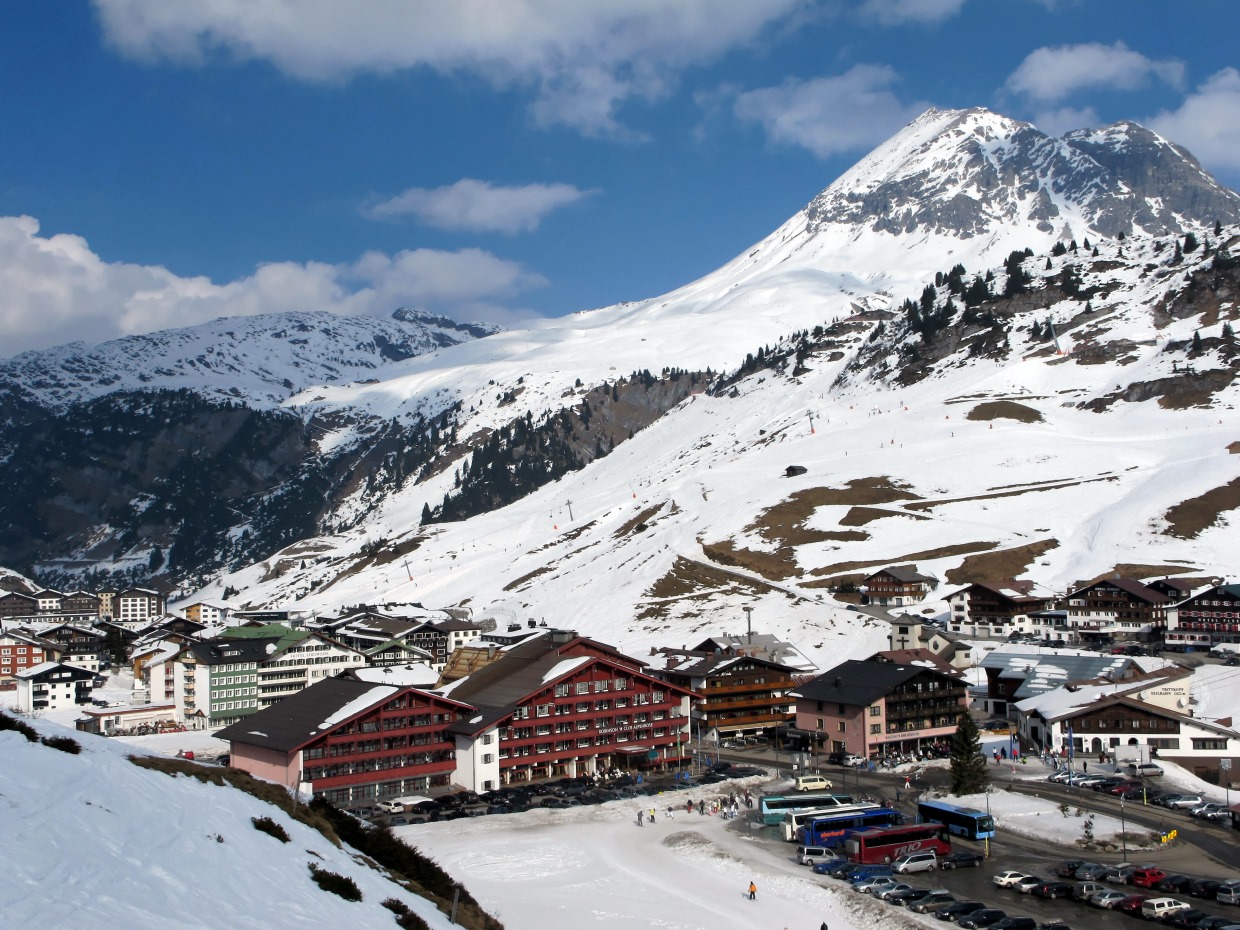
Vorarlberg, Austria
day pass
Opens in 13 days
published season date
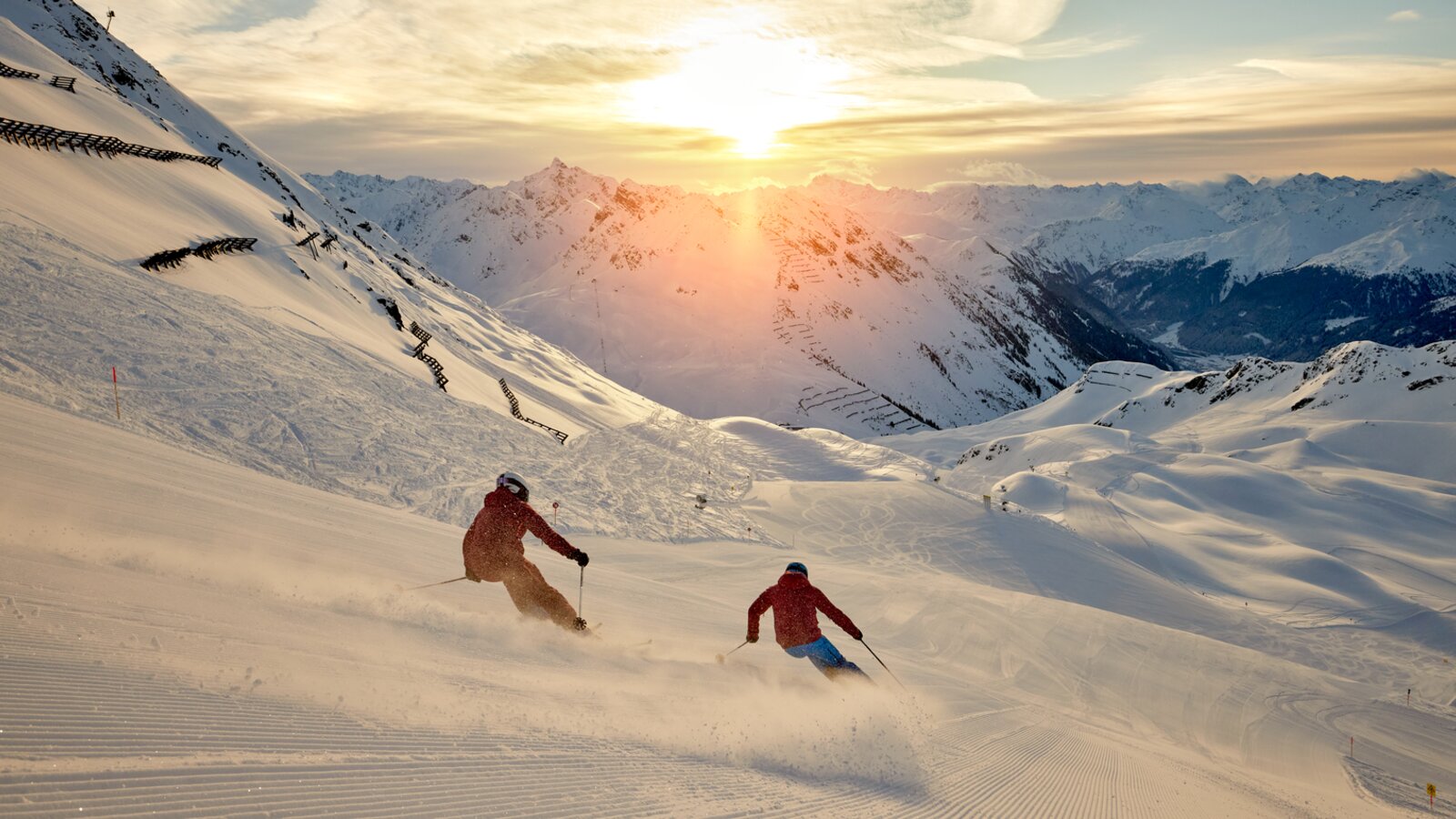
Montafon Valley, Vorarlberg, Austria
day pass
Opens in 8 days
published season date
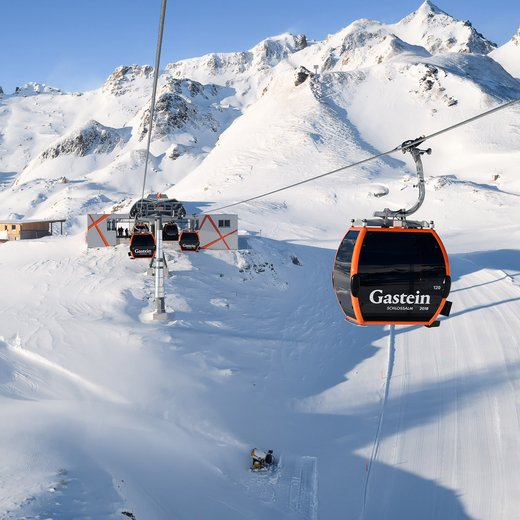
Bad Gastein, Salzburg, Austria
day pass
Opens in 8 days
published season date
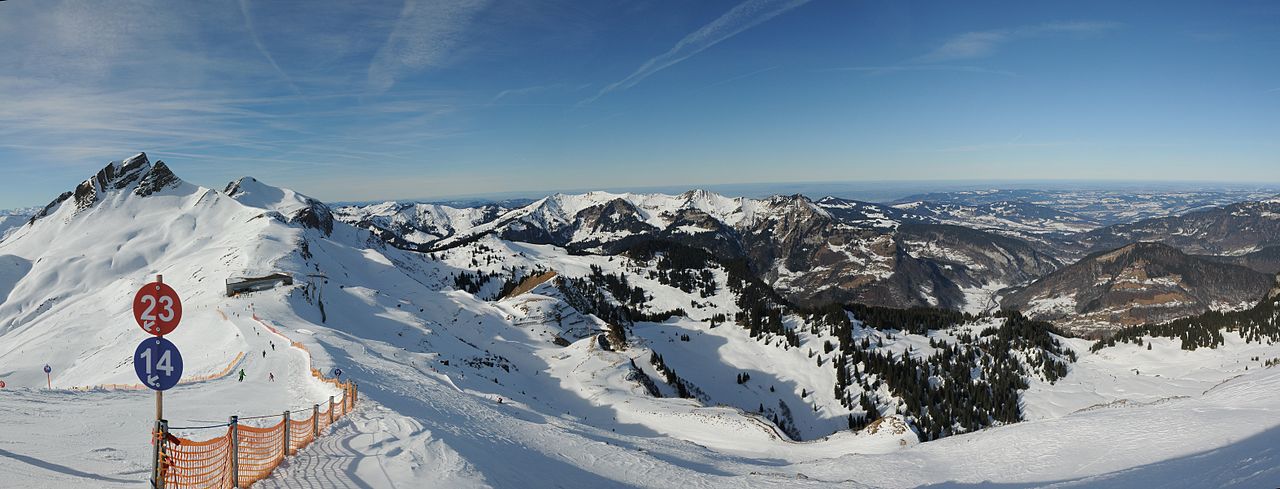
Vorarlberg, Austria
day pass
Opens in 15 days
published season date
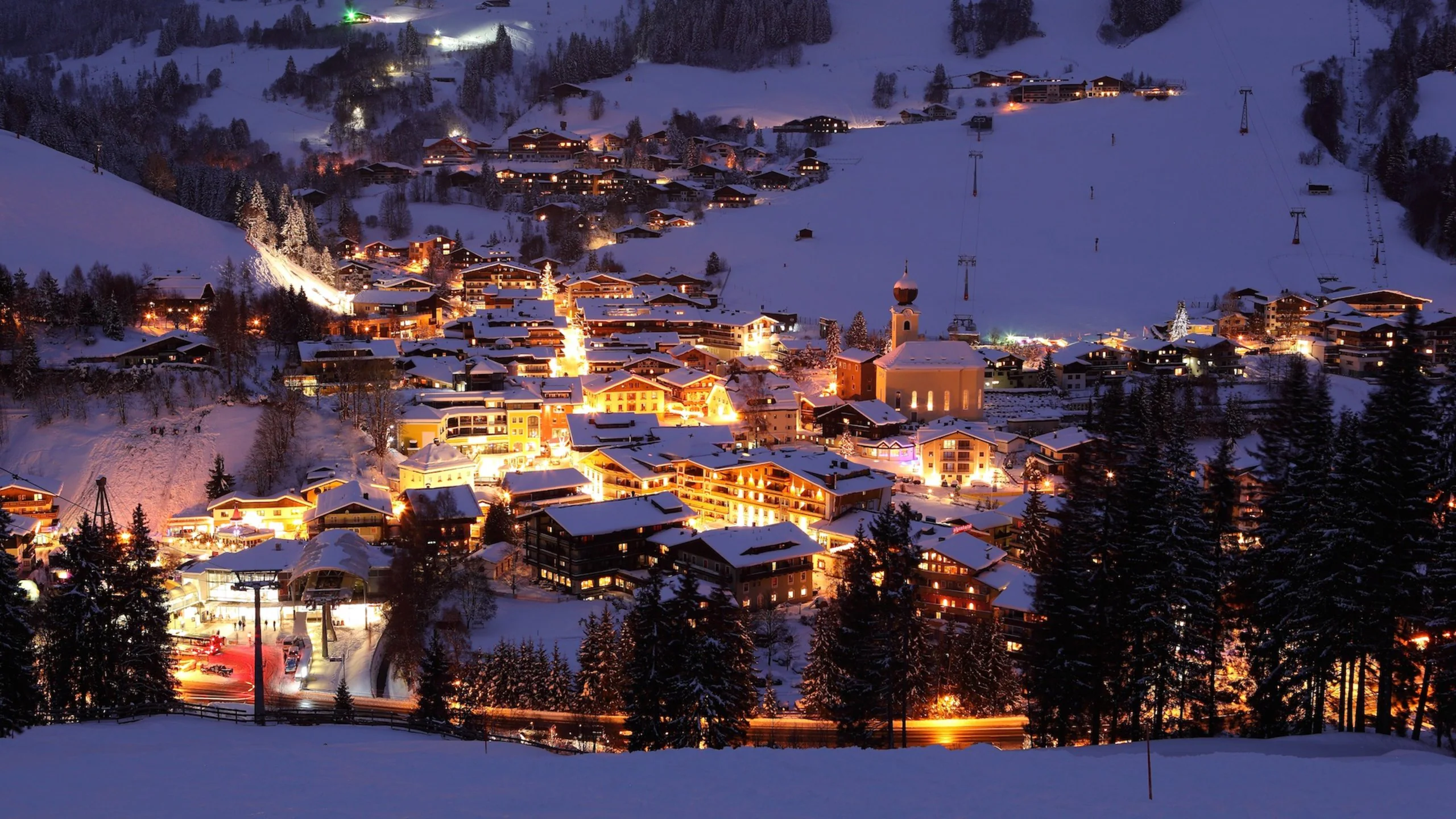
Salzburg, Austria
day pass
Opens in 8 days
published season date
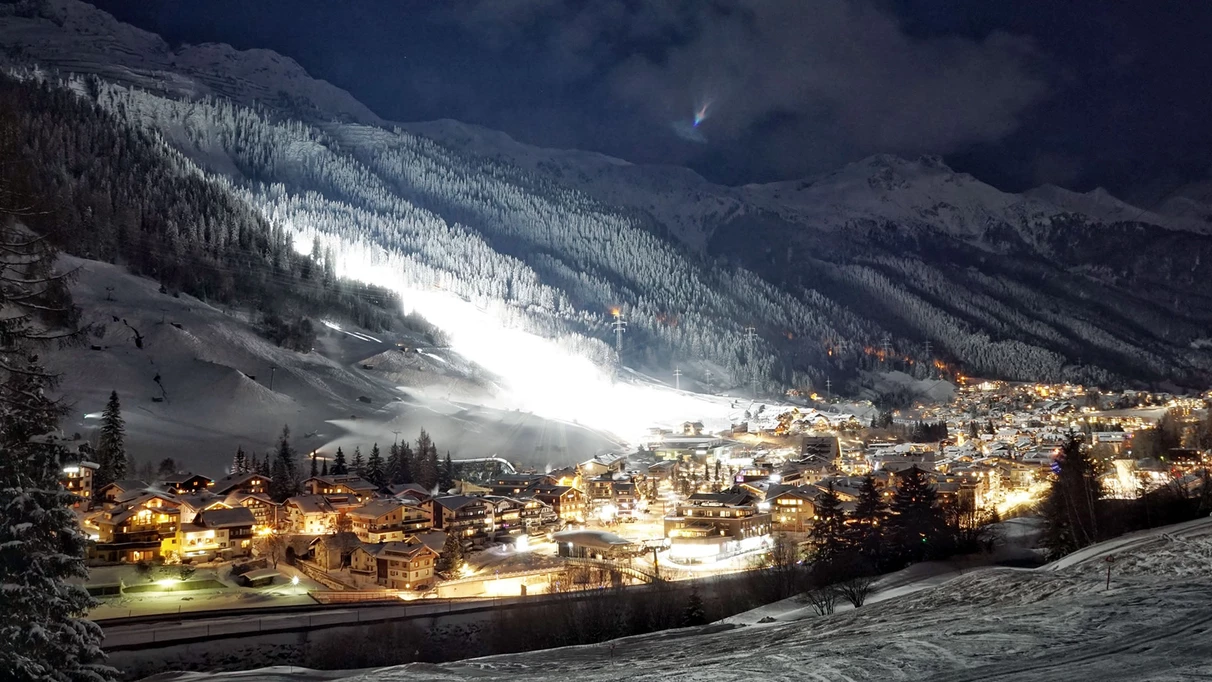
Tirol, Austria
day pass
Opens in 13 days
published season date
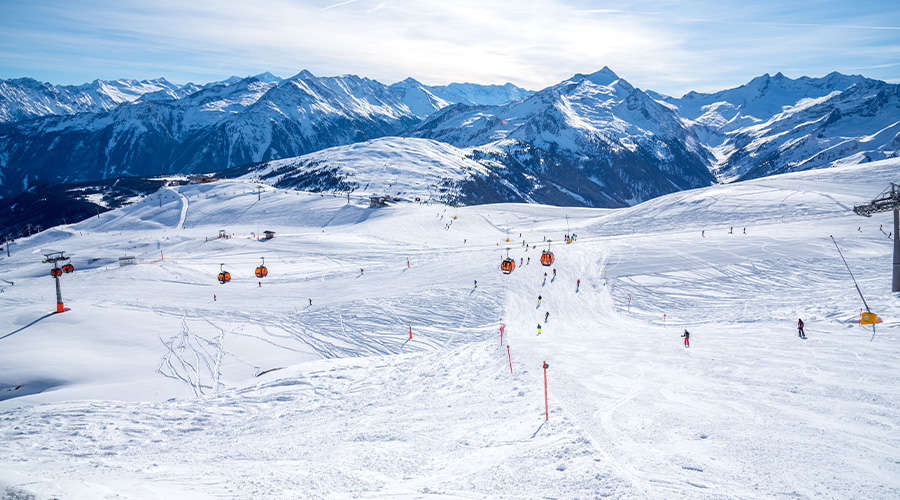
Zillertal Valley, Tyrol, Austria
day pass
Opens in 15 days
published season date
Maria Alm, Salzburg, Austria
day pass
Opens in 16 days
published season date
Tyrol, Austria
day pass
Opens in 16 days
published season date
Alpbach, Austria
day pass
Opens in 15 days
published season date
Salzburg, Austria
day pass
Opens in 15 days
published season date
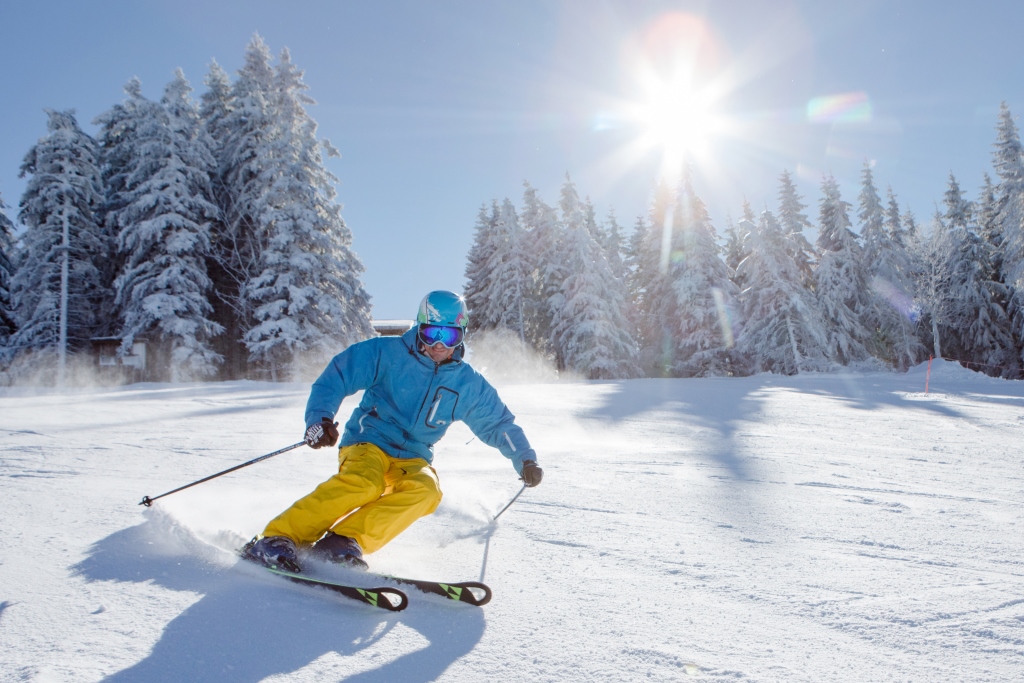
Lower Austria, Austria
day pass
Opens in 26 days
published season date
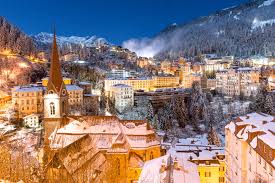
Gastein ski region, Austria
day pass
Opens in 30 days
published season date
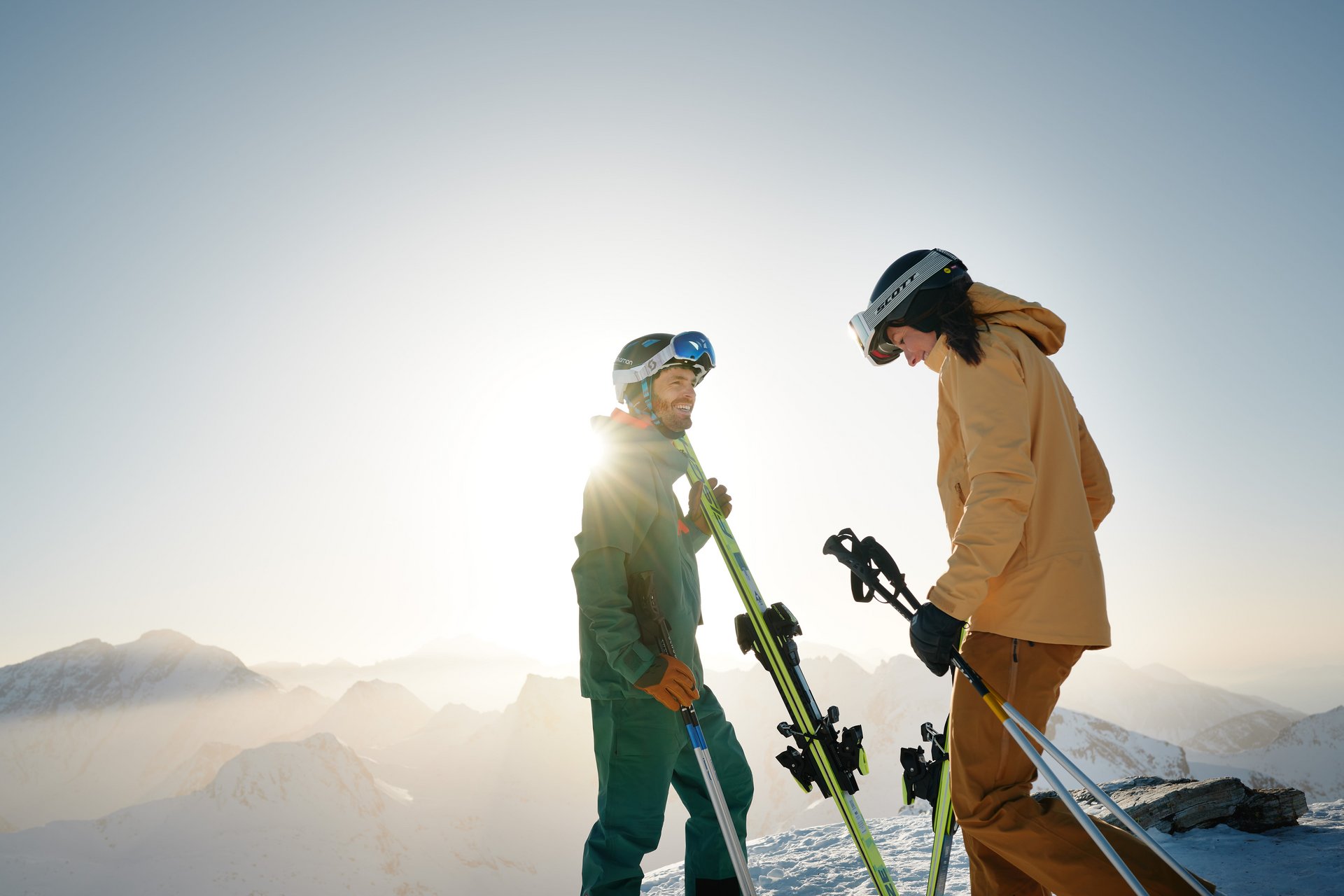
Salzburg, Austria
day pass
Opens in 8 days
published season date
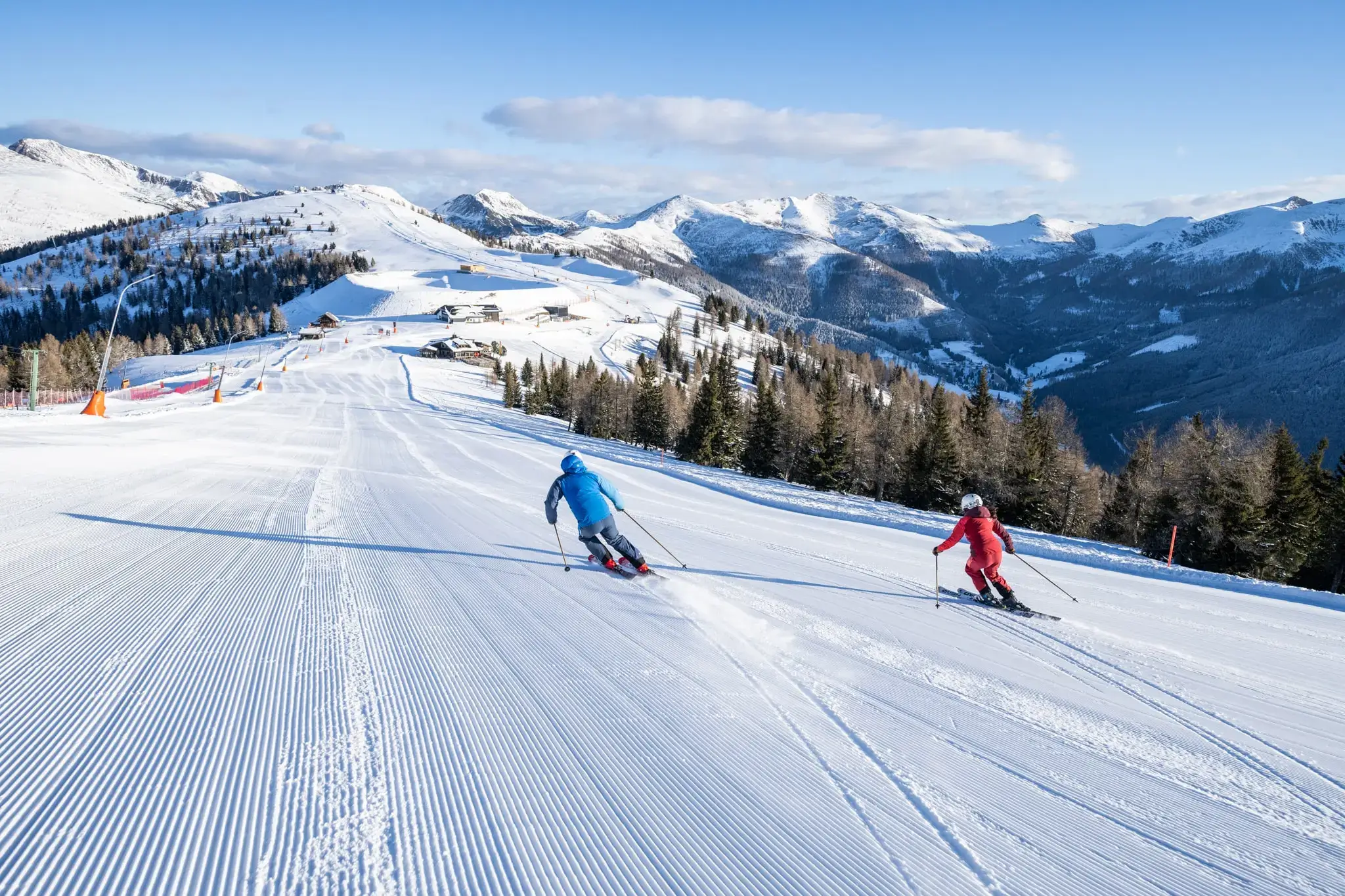
Carinthia, Austria
day pass
Opens in 15 days
published season date
Tirol, Austria
day pass
Opens in 9 days
published season date
Tirol, Austria
day pass
Opens in 29 days
published season date
Vorarlberg, Austria
day pass
Opens in 36 days
published season date
Vorarlberg, Austria
day pass
Opens in 9 days
published season date
Vorarlberg, Austria
day pass
Opens in 23 days
published season date
Salzburg, Austria
day pass
Opens in 16 days
published season date
Tirol, Austria
day pass
Opens in 22 days
published season date
The prime window for consistent powder in Austria typically runs from mid-December through March. However, early season (November-early December) can offer fantastic glacier powder at resorts like Stubaier Gletscher and Kaprun. Mid-winter (January-February) generally sees the heaviest snowfall across most regions, particularly in the Arlberg (St. Anton, Lech Zürs) and Vorarlberg (Silvretta Montafon). Late season (April-May) can still yield fresh snow at high-altitude or glacier resorts, offering spring powder opportunities. Always monitor snow forecasts and recent snowfall reports for the most up-to-date information.
For snow reliability and powder, high-altitude and glacier resorts are top contenders. Stubaier Gletscher and Kaprun (Kitzsteinhorn) offer snow-sure conditions and long seasons, making them excellent for early and late-season powder. For consistent mid-winter dumps and extensive off-piste, St. Anton am Arlberg and Lech Zürs are legendary, often receiving significant snowfall. Silvretta Montafon is another strong choice, particularly for advanced skiers seeking fresh tracks. Damüls is also known for its reliable snowfall, especially within Vorarlberg.
While Austria offers powder opportunities, true powder skiing often requires intermediate to advanced skills. Resorts like Stubaier Gletscher and St. Anton am Arlberg have extensive off-piste terrain best suited for experienced skiers and snowboarders. However, some resorts may offer gentler, ungroomed areas adjacent to pistes that intermediates can explore on a powder day. Always assess your comfort level and consider taking a lesson with a local guide to safely experience powder, especially if it's your first time in deep snow.
The cost of a powder ski trip to Austria can vary significantly. Day passes generally range from around €62 to €82, with 6-day passes from around €339 to €450 at the resorts listed. Luxury resorts like Lech Zürs and St. Anton am Arlberg tend to be at the higher end of the price spectrum. More budget-conscious options like Silvretta Montafon or Damüls offer good value. Beyond lift tickets, consider costs for accommodation, food, equipment rental (especially wider powder skis), and potentially a local guide for off-piste safety and knowledge.
While not strictly necessary, having appropriate equipment significantly enhances the powder experience. Wider skis (often referred to as 'powder skis' or 'freeride skis') with waist widths typically over 100mm are highly recommended as they provide better floatation in deep snow. Many rental shops in resorts like St. Anton am Arlberg or Stubaier Gletscher offer a range of powder-specific skis. For off-piste adventures, essential safety gear including an avalanche transceiver, probe, and shovel is crucial, and knowing how to use them is paramount. Consider renting or buying these if you plan to venture beyond marked runs.