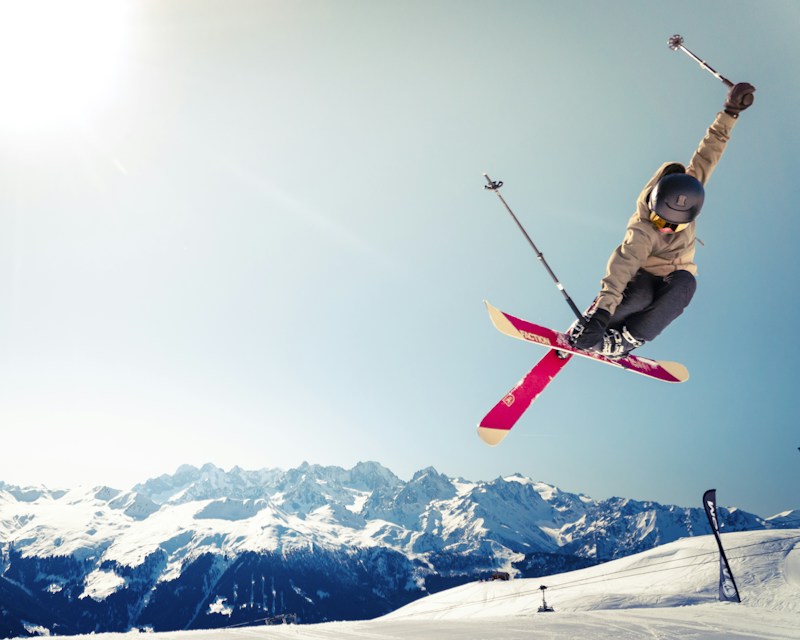
Myrkdalen
Voss, Vestland, Norway
€62
day pass
Opens in 8 days
published season date
The deepest snow in Europe is currently at Myrkdalen, Fonna Glacier Ski Resort, Flaine, Galdhøpiggen Sommerskisenter and Les Menuires — 300 cm at the base.
If you are searching for the best ski resorts with the most snow in Europe 2026, the smartest approach is to start with altitude, glacier access, and north-facing terrain. Snowfall can vary from one valley to the next, so using a snow-depth filter helps narrow the list to resorts that are more likely to deliver reliable conditions throughout the season. For Europe, that often means high Alpine resorts, glacier ski areas, and destinations that hold cold temperatures well into spring.
This page is designed to help you compare Europe’s snowiest ski resorts with a focus on consistency rather than guesswork. Whether you are planning an early-season trip, a Christmas ski holiday, or a late-season escape, the filter context makes it easier to spot resorts with the best snow reliability. Look for resorts that combine elevation, good snow management, and varied terrain, so you can still enjoy quality skiing even when weather patterns shift.
Live prices and weather — click any resort to see the full forecast, lift status, and trail map.
Voss, Vestland, Norway
day pass
Opens in 8 days
published season date
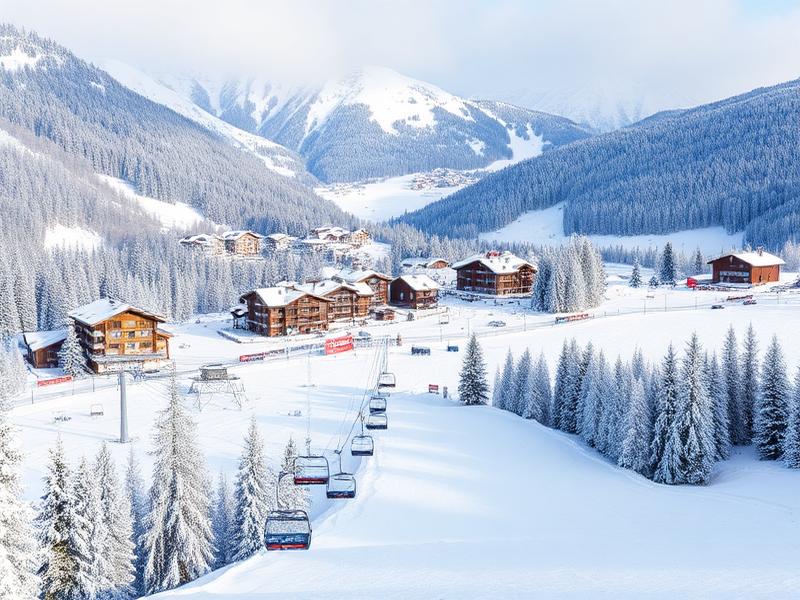
Kvinnherad, Vestland, Norway
day pass
Opens in 167 days
published season date
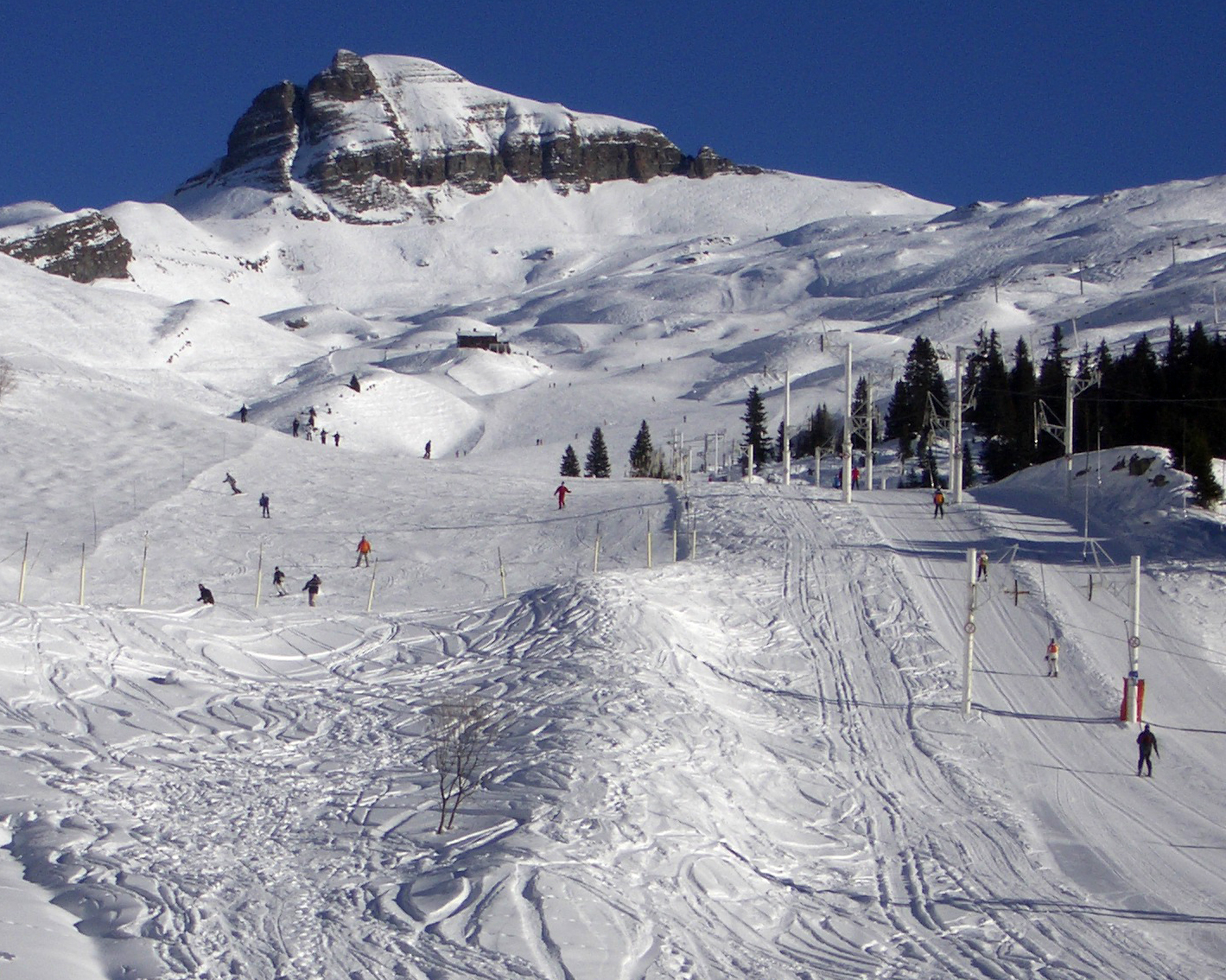
Grand Massif, Haute-Savoie, France
day pass
Opens in 16 days
published season date
Lom, Innlandet, Norway
day pass
Opens in 167 days
published season date
3 Vallées, Savoie, France
day pass
Opens in 16 days
published season date
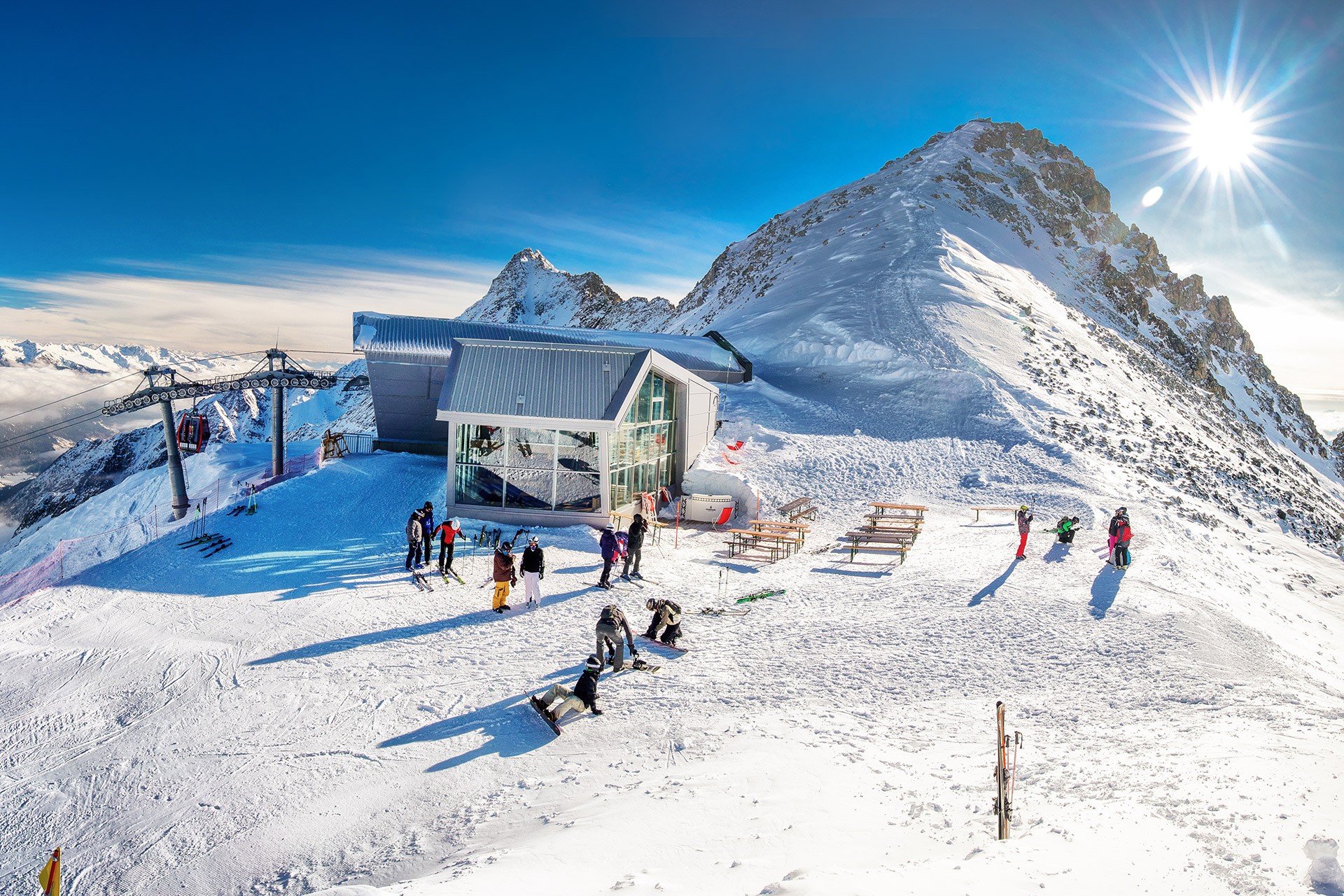
Lombardy-Trentino, Italy
day pass
Opens in 15 days
published season date
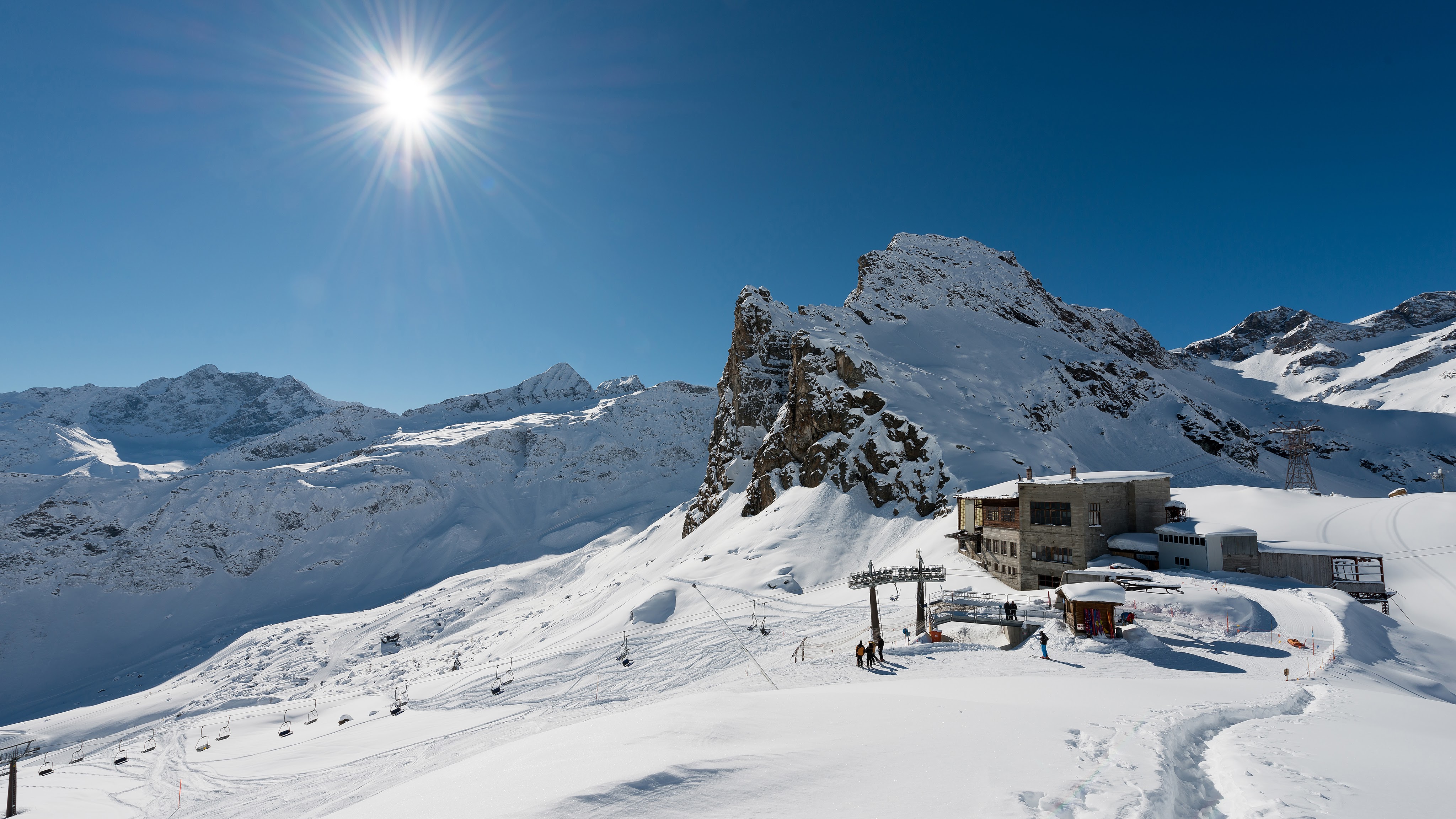
Monte Rosa, Piedmont, Italy
day pass
Opens in 9 days
published season date

Salzburg, Austria
day pass
Snow report pending
updates in season
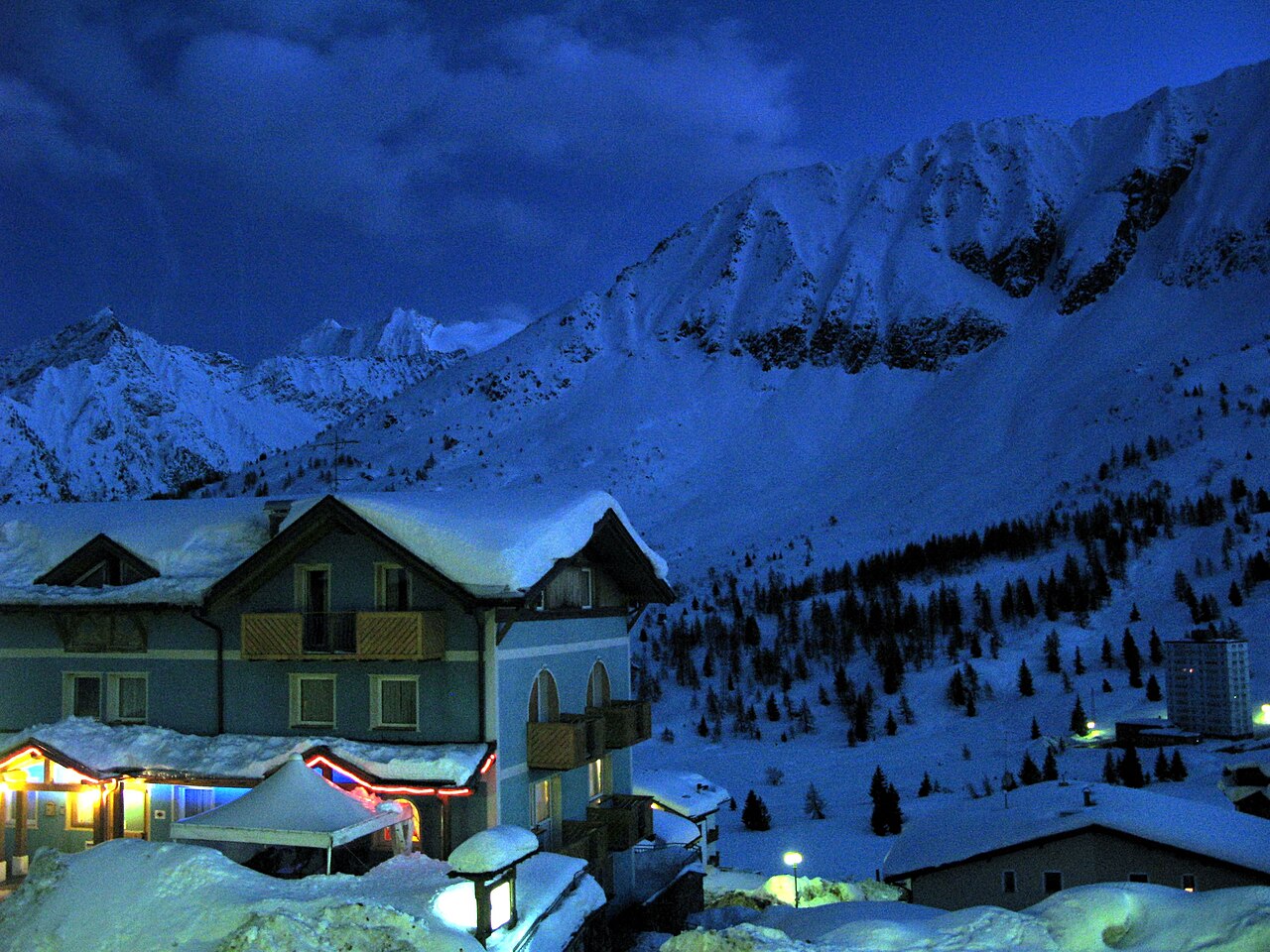
Trentino, Italy
day pass
Snow report pending
updates in season
Valais, Switzerland
day pass
Snow report pending
updates in season
Stryn, Vestland, Norway
day pass
Opens in 187 days
published season date
Stubai Valley, Tyrol, Austria
day pass
Snow report pending
updates in season
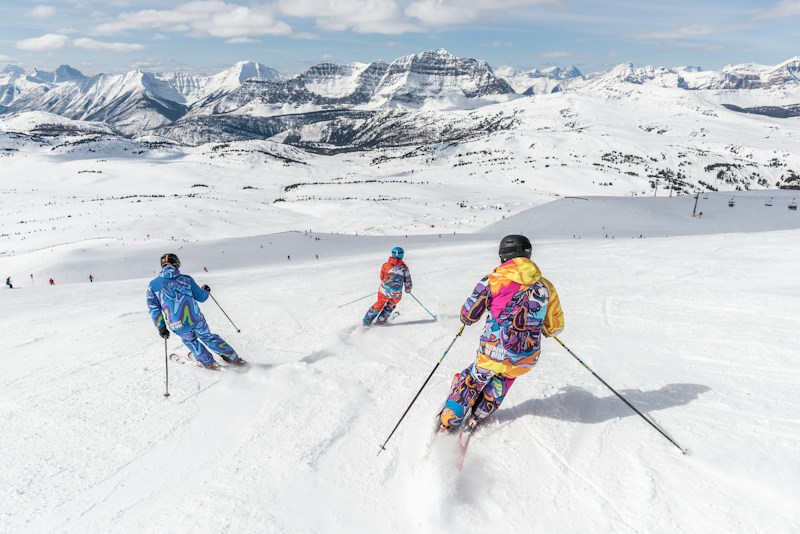
Voss, Vestland, Norway
day pass
Opens in 22 days
published season date
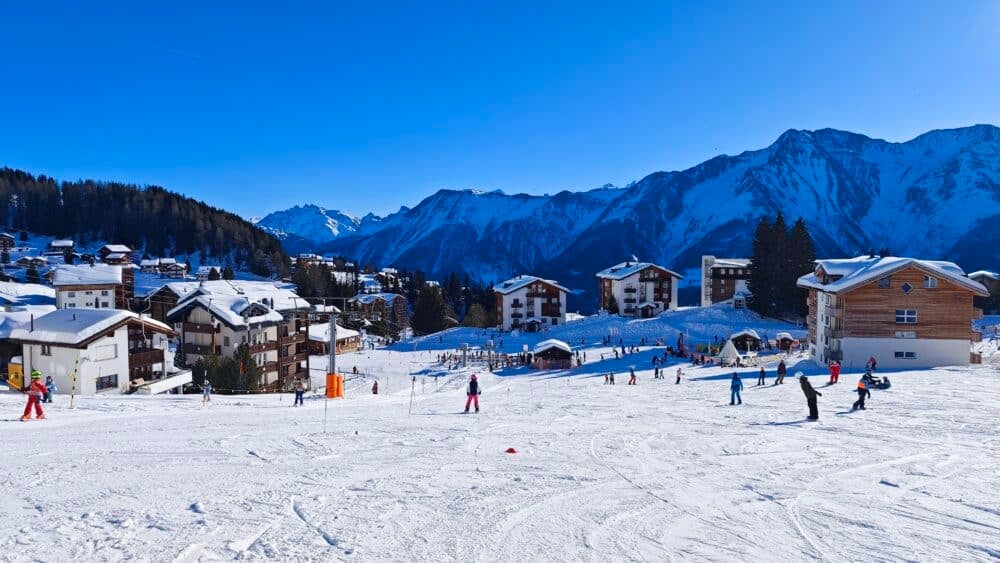
Riederalp-Bettmeralp, Valais, Switzerland
day pass
Opens in 16 days
published season date
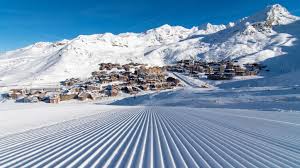
Savoie, France
day pass
Opens in 2 days
published season date
Savoie, France
day pass
Opens in 2 days
published season date
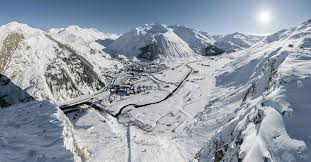
Uri, Switzerland
day pass
Snow report pending
updates in season
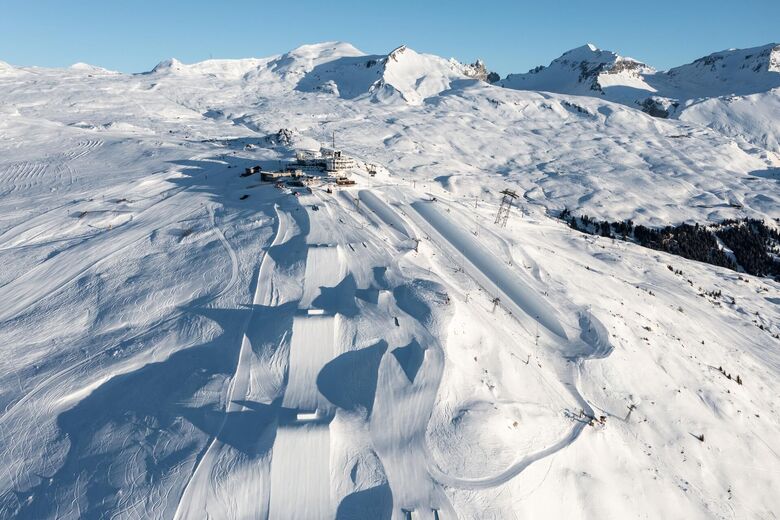
Graubünden, Switzerland
day pass
Opens in 9 days
published season date
Espace San Bernardo, Savoie, France
day pass
Opens in 23 days
published season date

Aosta Valley, Italy
day pass
Opens in 9 days
published season date
Central Switzerland, Switzerland
day pass
Snow report pending
updates in season
Isère, France
day pass
Opens in 9 days
published season date
Haute-Savoie, France
day pass
Opens in 22 days
published season date
Valle d Aosta, Italy
day pass
Snow report pending
updates in season
The snowiest ski resorts in Europe are usually high-altitude or glacier-based destinations in the Alps, especially in France, Switzerland, Austria, and Italy. Resorts such as Val Thorens, Tignes, Val d'Isère, Zermatt, Cervinia, and Saas-Fee are often considered among the most snow-reliable because they sit high enough to hold snow well and many also offer glacier skiing or extensive lift access to upper slopes. If you want the best chance of good conditions, focus on resorts with a high base elevation, a summit that stays cold, and a track record of reliable coverage across the main season.
If snow reliability is your priority, book early for peak-season travel or target resorts with strong altitude and glacier access for early and late season trips. For many European ski areas, the most dependable natural snow conditions are usually found from mid-winter into early spring, but weather varies by year. If you want the widest choice of accommodation and flights, booking several months ahead is sensible. If you are planning around snow conditions specifically, use live snow reports, snowfall history, and resort altitude to choose a destination that matches your dates rather than relying on a general ski area reputation.
The most reliable snow in Europe is usually found in high-altitude resorts and those with glacier skiing. Good examples include Val Thorens, Tignes, Zermatt, Saas-Fee, Cervinia, and Stubai Glacier, along with other resorts that sit high above the valley floor. Reliability comes from more than snowfall alone: cold temperatures, north-facing runs, modern snowmaking, and lift links to higher terrain all matter. If you want dependable skiing across the season, choose a resort where most of the ski area sits high enough to keep snow in good condition for longer.
Snow-sure resorts can be more expensive, but not always. High-altitude and famous glacier resorts often have stronger demand, especially during school holidays, which can push up prices for hotels and apartments. That said, the total cost depends on many factors, including travel dates, room type, lift pass coverage, and how far in advance you book. You can often reduce costs by traveling outside peak weeks, staying in nearby villages, or choosing a resort with good snow but a wider range of accommodation options. The key is to compare value, not just headline price.
Start by checking altitude, glacier access, and the resort’s track record for snow retention. Higher resorts generally have better odds, especially if the main village and ski area are both elevated. Then look at the orientation of the slopes, the amount of terrain above the tree line, and whether the resort has strong snowmaking. Weather history and live snow reports are useful too, but they should support, not replace, the basics. If you are comparing resorts on where-to-ski.com, use snow depth and altitude filters together so you can quickly find the most snow-reliable options for your travel dates.