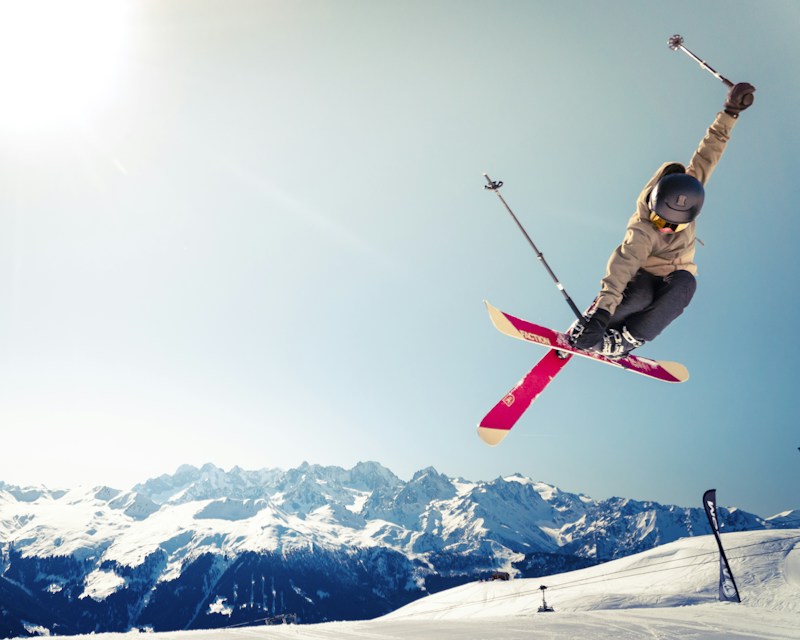
Myrkdalen
Voss, Vestland, Norway
€62
day pass
Opens in 8 days
published season date
The deepest snow in Europe is currently at Myrkdalen, Fonna Glacier Ski Resort, Flaine, Galdhøpiggen Sommerskisenter and Les Menuires — 300 cm at the base.
If you are looking for the best ski resorts with guaranteed snow in Europe in 2026, the safest choice is usually to focus on altitude, glacier access, north-facing terrain, and strong snowmaking. On where-to-ski.com, the guaranteed-snow filter helps you narrow the list to resorts that are most likely to deliver reliable conditions throughout the season, especially for early winter and late spring trips. While no resort can promise perfect powder every day, some destinations consistently offer far better snow security than others.
In practice, the best snow-sure resorts in Europe include high-altitude and glacier-based areas such as Val Thorens, Tignes, Zermatt, Cervinia, Saas Fee, Sölden, and Les 2 Alpes. These resorts tend to open earlier, hold snow longer, and offer better protection against mild spells. If your priority is confidence rather than risk, use the filter to compare resorts by elevation, glacier skiing, and snowmaking, then match the result to your ability, budget, and preferred travel dates.
Live prices and weather — click any resort to see the full forecast, lift status, and trail map.
Voss, Vestland, Norway
day pass
Opens in 8 days
published season date
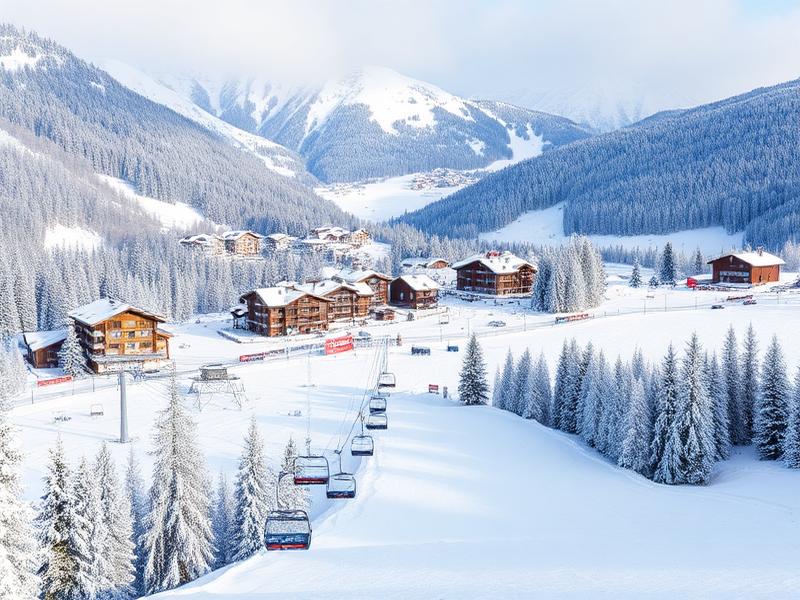
Kvinnherad, Vestland, Norway
day pass
Opens in 167 days
published season date
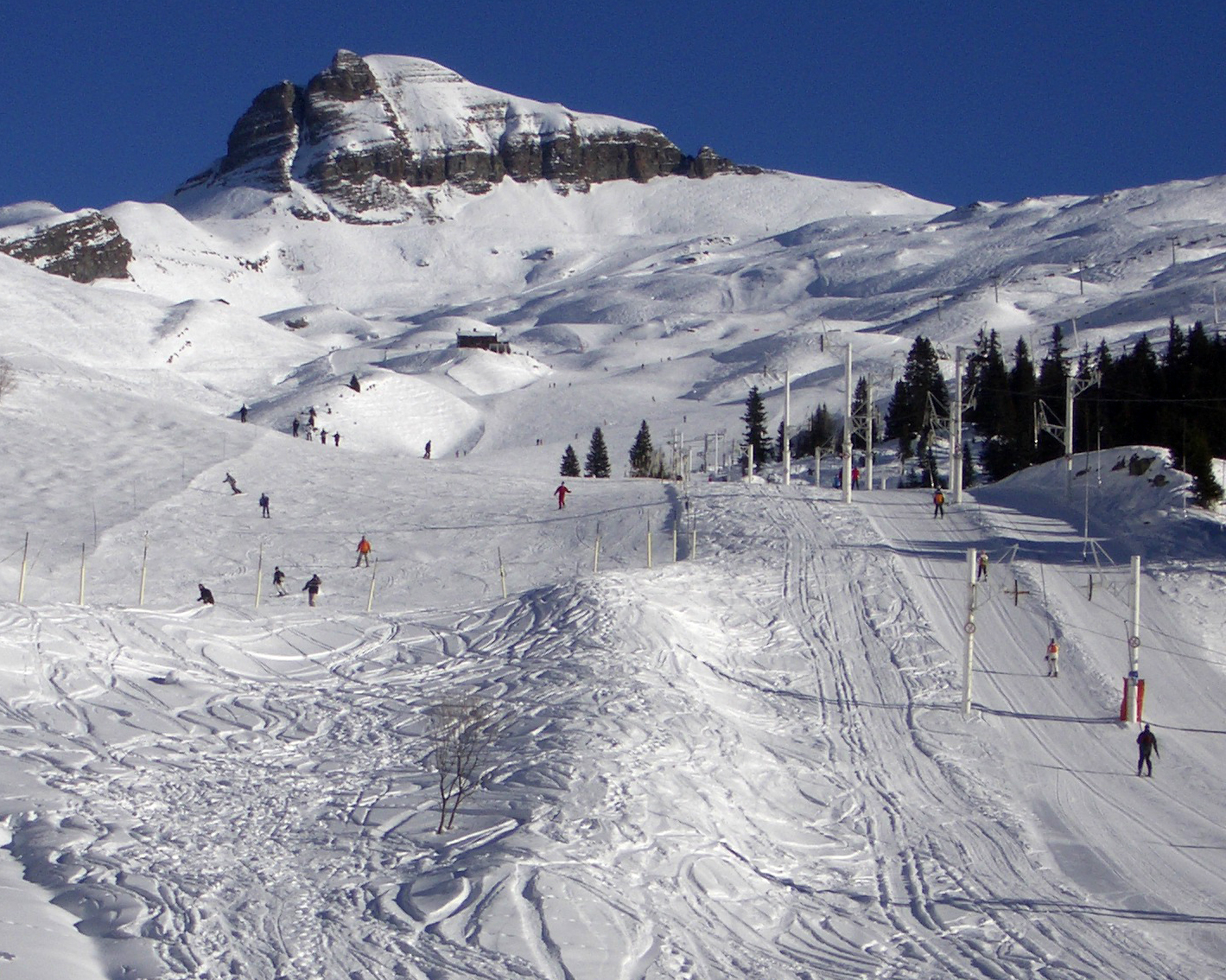
Grand Massif, Haute-Savoie, France
day pass
Opens in 16 days
published season date
Lom, Innlandet, Norway
day pass
Opens in 167 days
published season date
3 Vallées, Savoie, France
day pass
Opens in 16 days
published season date
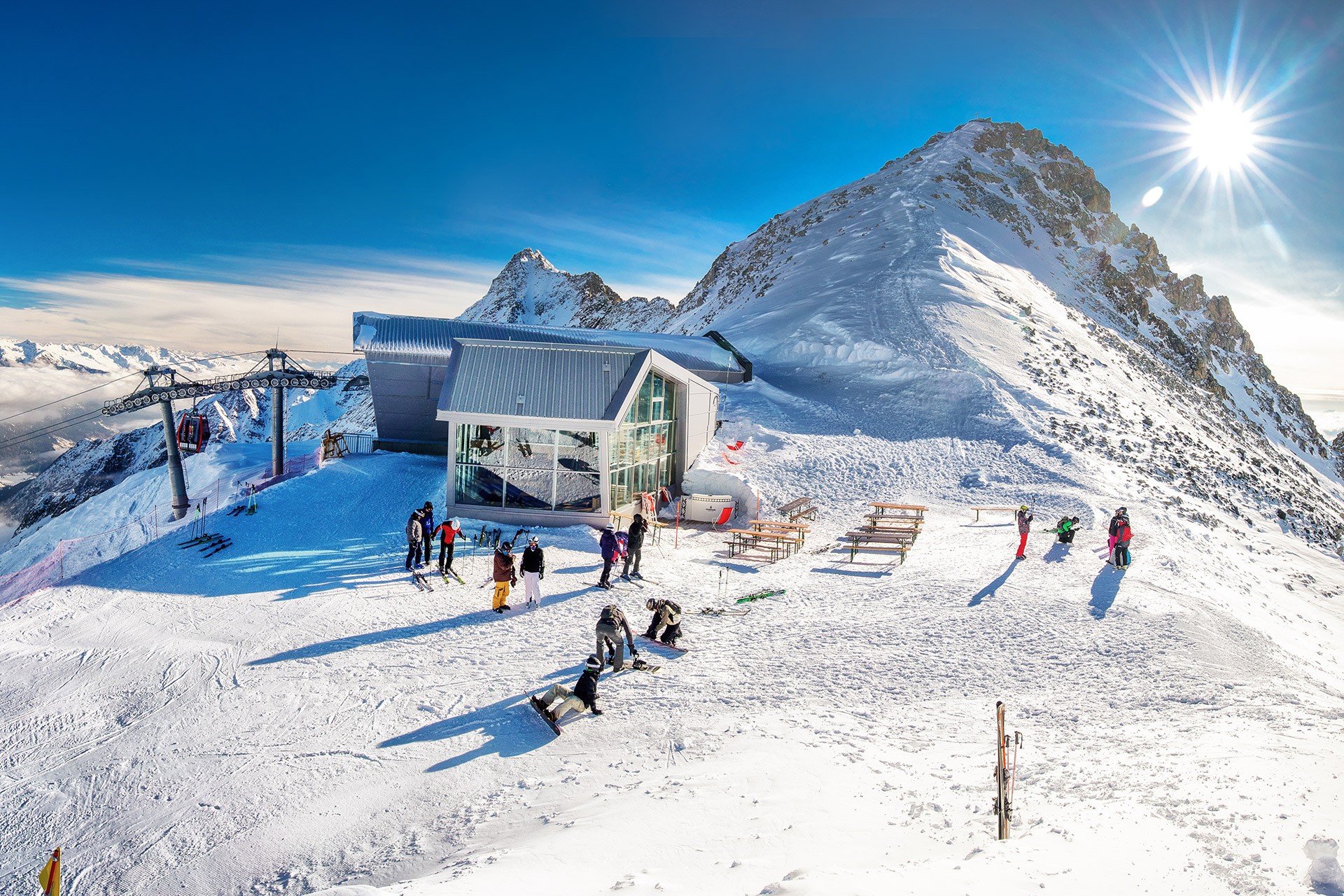
Lombardy-Trentino, Italy
day pass
Opens in 15 days
published season date

Salzburg, Austria
day pass
Snow report pending
updates in season
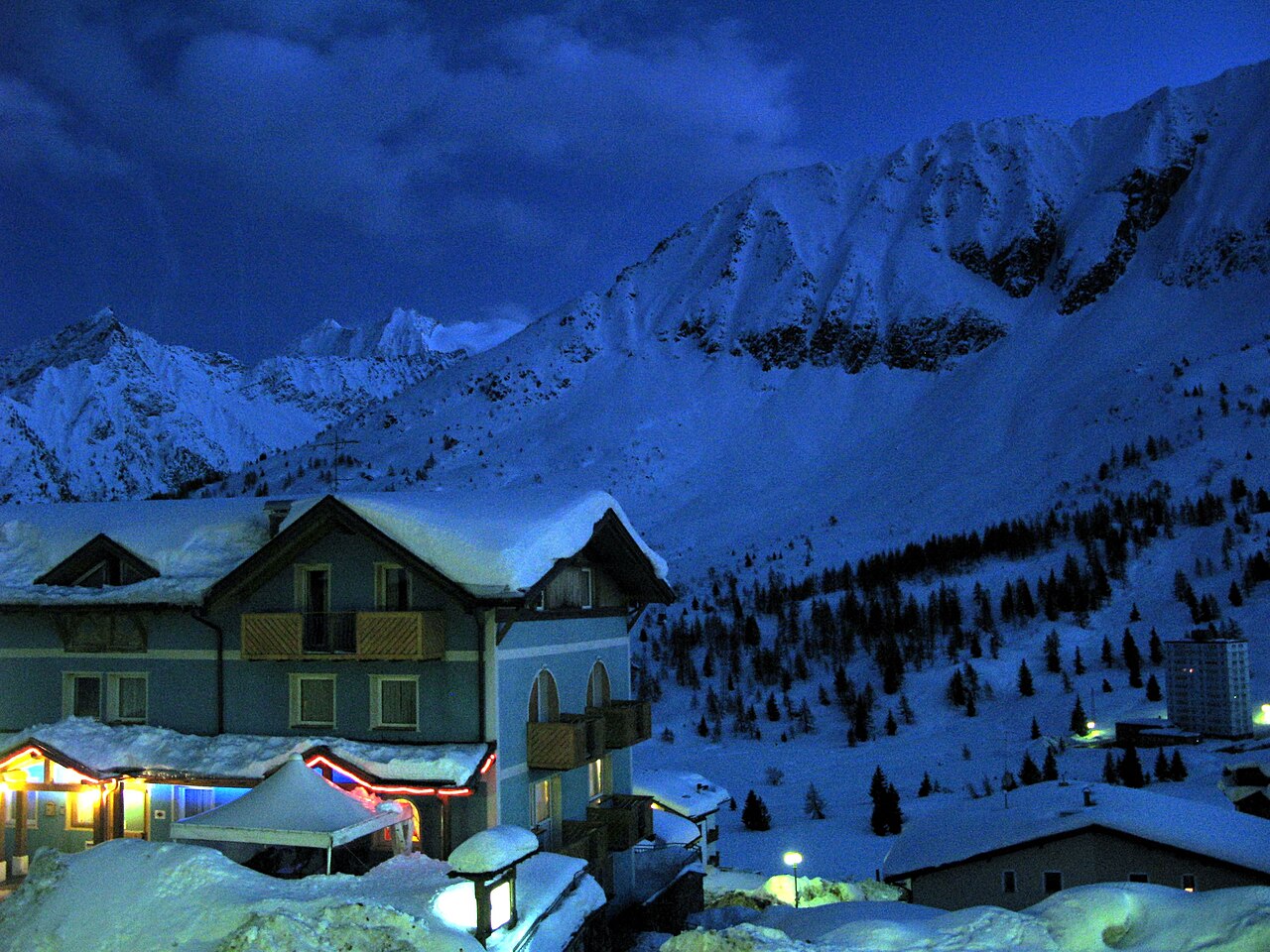
Trentino, Italy
day pass
Snow report pending
updates in season
Valais, Switzerland
day pass
Snow report pending
updates in season
Stryn, Vestland, Norway
day pass
Opens in 187 days
published season date
Stubai Valley, Tyrol, Austria
day pass
Snow report pending
updates in season
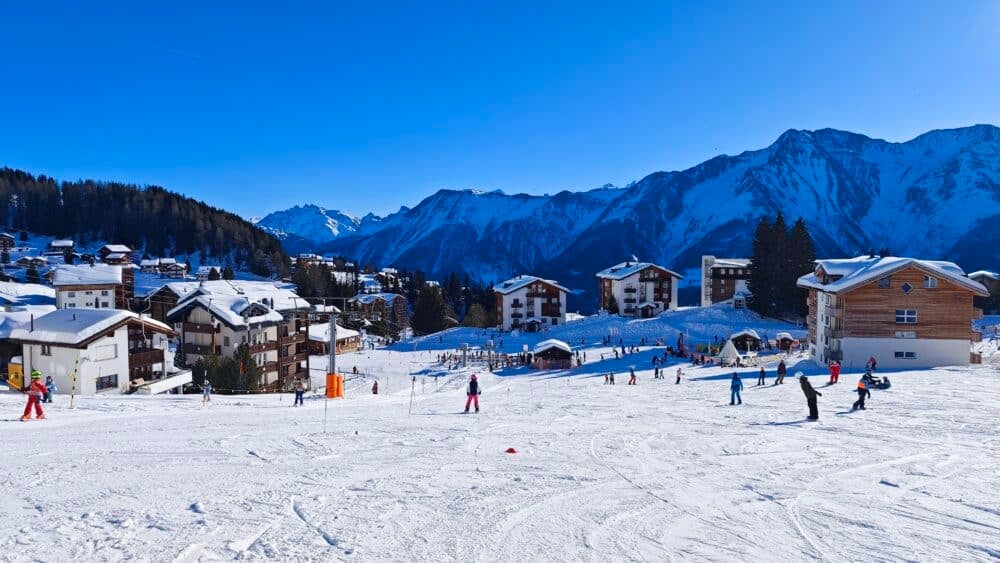
Riederalp-Bettmeralp, Valais, Switzerland
day pass
Opens in 16 days
published season date
Savoie, France
day pass
Opens in 2 days
published season date
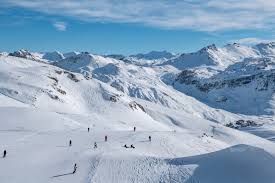
Savoie, France
day pass
Opens in 2 days
published season date
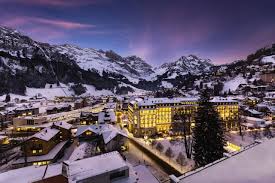
Central Switzerland, Switzerland
day pass
Snow report pending
updates in season
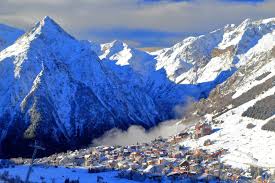
Isère, France
day pass
Opens in 9 days
published season date
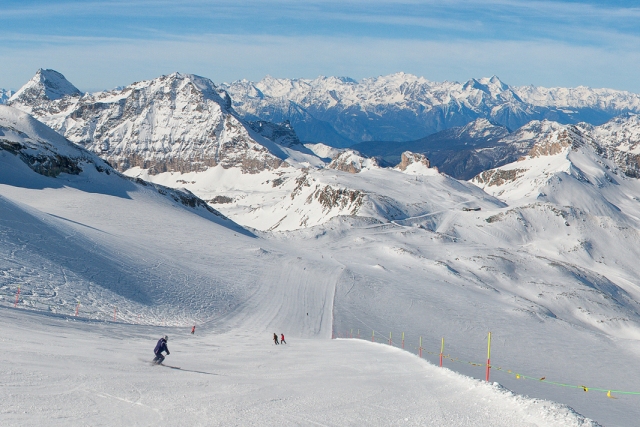
Valle d Aosta, Italy
day pass
Snow report pending
updates in season
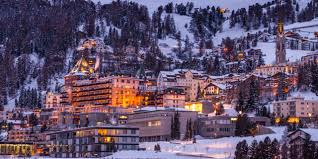
Engadin, Switzerland
day pass
Opens in 2 days
published season date
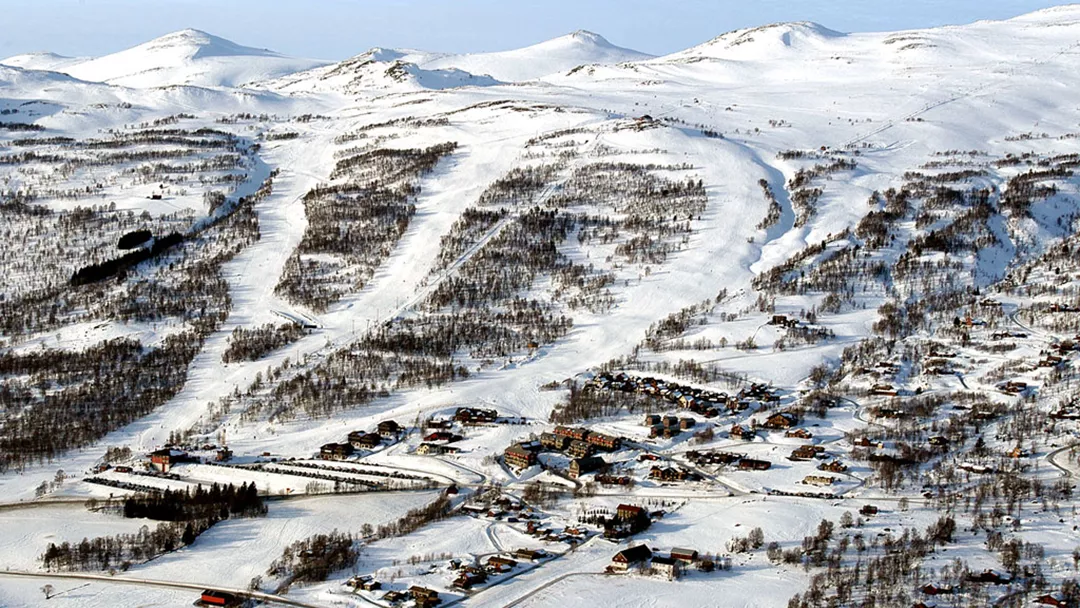
Trøndelag, Norway
day pass
Opens in 6 days
published season date
Valais, Switzerland
day pass
Opens in 9 days
published season date
Valle d'Aosta, Italy
day pass
Snow report pending
updates in season
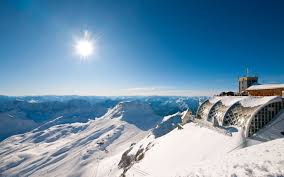
Bavaria, Germany
day pass
Opens in 8 days
published season date
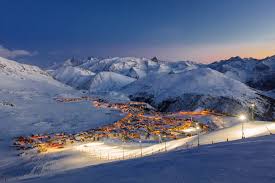
Isère, France
day pass
Opens in 16 days
published season date
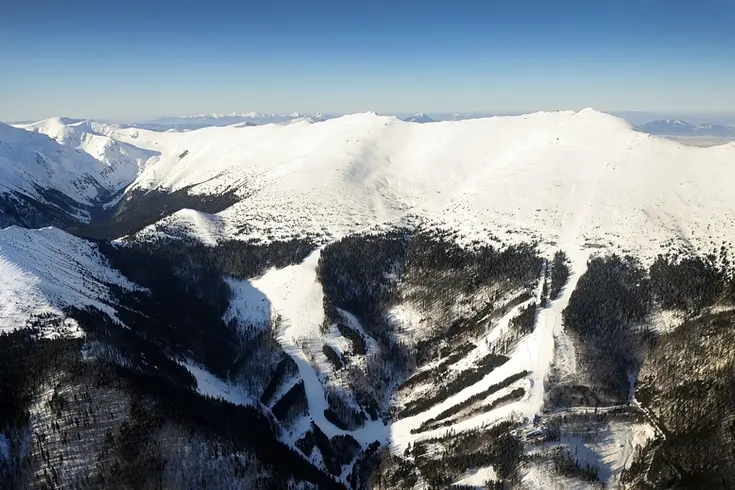
Low Tatras, Slovakia
day pass
Opens in 16 days
published season date
The most snow-sure ski resorts in Europe are usually the high-altitude and glacier resorts. Val Thorens is one of the best-known options for reliable snow, while Zermatt, Cervinia, Saas Fee, Sölden, Tignes, and Les 2 Alpes are also strong choices. These resorts benefit from higher base and summit elevations, glacier skiing in some cases, and extensive snowmaking. That combination makes them a better bet for early-season and late-season skiing than lower villages. If you want the highest chance of good conditions, look for resorts with much of the ski area above 2,000 metres and a track record of long seasons.
For the best balance of snow reliability and availability, many skiers book early for peak winter dates and target high-altitude resorts for November, December, March, and April. If you want the most dependable snow, avoid relying on low-lying resorts at the start and end of the season. Glacier resorts can be a better option if you are travelling outside the main winter window. Booking early is especially sensible for school holidays and popular snow-sure resorts, because accommodation and flights can sell out quickly. If conditions matter more than resort atmosphere, choose dates where altitude and snow cover are historically strongest.
Often, yes, but not always. Snow-sure resorts can be more expensive because they are in high demand, have strong reputations, or sit in premium mountain locations. That said, prices vary widely depending on the country, accommodation style, travel dates, and how early you book. Some glacier and high-altitude resorts offer better value if you stay in simpler accommodation or travel outside peak weeks. It is also worth comparing lift pass coverage, transfer costs, and the size of the ski area, because a resort that looks cheaper upfront may cost more once you add everything together. The best approach is to compare total holiday cost, not just the headline room rate.
For late-season skiing, the most reliable resorts are usually the highest ones or those with glacier access. Val Thorens, Tignes, Zermatt, Cervinia, Saas Fee, Sölden, and Les 2 Alpes are all strong late-season options because they keep snow better than lower resorts. Higher slopes stay colder for longer, and glaciers can extend the ski season when other areas are struggling. If you are planning an Easter or April trip, check how much of the ski area sits above 2,000 metres and whether the resort has a history of keeping key runs open late into spring. That is often the best indicator of snow reliability.
Access depends on the resort, but most of the best snow-sure ski resorts in Europe are reached by flying into a nearby airport and then transferring by road or rail. For example, many Alpine resorts are connected via airports in Geneva, Zurich, Innsbruck, Lyon, or Turin, depending on the destination. Zermatt is famously car-free, so you normally combine train and transfer, while other resorts may need a taxi, shuttle, or coach for the final leg. If snow reliability is your priority, factor in travel time and ease of transfer as well as altitude. A resort that is slightly harder to reach can still be worth it if it offers much better snow conditions.