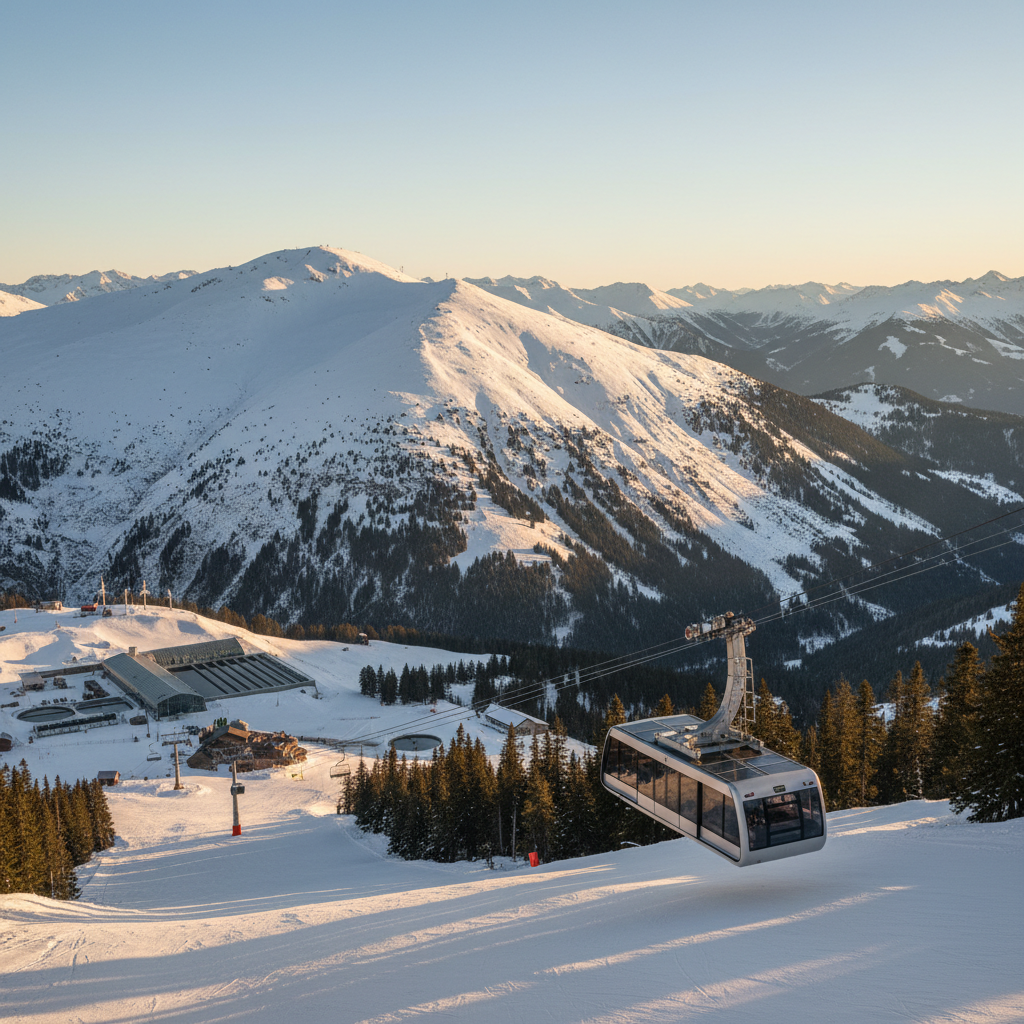
Ski Resort Sustainability Initiatives: How Mountains Are Going Greener
Why ski resort sustainability matters
A ski holiday depends on something no resort can manufacture: a reliably cold winter. Yet warming temperatures are changing snowfall patterns, shortening seasons in some places and increasing pressure on snowmaking, water supplies and mountain ecosystems. That makes sustainability more than a marketing label. It is about protecting the landscapes and communities that make skiing possible, while keeping resorts resilient for future winters.
The challenge is complicated. A resort can switch its lifts to renewable electricity, improve snowmaking efficiency and cut waste, but the journey guests take to get there may still account for a large share of a trip’s climate impact. Ski areas also face trade-offs: snowmaking can help maintain dependable pistes, but it uses electricity and water; new infrastructure may improve access, but it can affect habitats. The most useful question is not simply whether a resort calls itself “green,” but what it measures, what it has changed and what remains outside its control.
Recent coverage points to growing attention across the industry. OnTheSnow’s North American sustainability reporting describes programs ranging from renewable power and efficient snowmaking to waste reduction, while Skiinfo’s October 2026 “Mountain Change Makers” feature spotlights people and practical actions helping shape mountain transitions. The Freeride World Tour has also published measures addressing travel and event impacts. These examples show that sustainability is becoming part of the skiing conversation—but guests still need to look past broad claims and assess the details.
What sustainable ski resorts are working on
Cleaner energy for lifts and buildings
Chairlifts, gondolas, restaurants, hotels, lighting and snowmaking all require energy. Resorts can reduce their footprint by buying renewable electricity, developing local solar or wind projects, improving building insulation and replacing inefficient heating systems. Energy efficiency matters alongside renewable supply: using less electricity makes the transition easier and reduces exposure to energy demand during busy periods.
Vail Resorts says its large-scale renewable electricity strategy includes a wind farm that has been operating since 2020. The company reports that the project produced 201,297 megawatt-hours of renewable electricity in fiscal year 2024. Its sustainability program also describes an 80-megawatt solar farm in Utah, developed with other customers, that will help power Park City Mountain. These are meaningful examples of investment beyond a resort’s own rooftops, although renewable electricity claims should be read with attention to the accounting method, reporting year and emissions included.
In Lapland, Pyhä provides a particularly clear example of long-term operational change. Its environmental program began in 2008, and the resort says its direct and purchased-energy emissions—Scopes 1 and 2—have fallen by about 90 percent since then. Pyhä uses renewable electricity and heating and has shifted its snow groomers, which account for much of its fuel use, toward renewable diesel. The resort is also careful to note that more than 97 percent of its emissions sit in the wider value chain, or Scope 3. That distinction matters: progress on a resort’s own lifts and buildings does not automatically eliminate emissions from construction, suppliers or visitor travel.
More efficient snowmaking and grooming
Snowmaking is an important adaptation tool, especially when natural snowfall is variable. It can help keep beginner areas and key routes open, but it does not create a winter without limits. Water availability, temperature, electricity demand and local environmental conditions all affect where and when it makes sense. Efficient snow guns, automated systems and careful snow management can reduce the resources needed to cover a slope.
Grooming is another area for improvement. Snowcats burn fuel, so resorts can reduce emissions by using more efficient machines, planning routes carefully, maintaining equipment and testing lower-carbon fuels. Pyhä reports using renewable diesel for slope grooming. The resort’s example also highlights a useful distinction: renewable fuels can lower emissions compared with conventional fossil fuels, but they are not a substitute for reducing fuel consumption altogether.
For visitors, the practical takeaway is not to treat snowmaking as inherently good or bad. Ask whether a resort describes how it manages water and energy, and whether it publishes measurable efficiency improvements. A resort that explains both its snow reliability strategy and its resource use is giving guests more useful information than one that simply promises “great snow.” If late-season conditions are important, compare elevation, climate and operating patterns with our guide to snow-sure resorts for April.
Lower-impact travel to the mountains
Travel is often the biggest part of a ski holiday’s footprint, particularly when guests fly, rent a car and drive alone. Resorts and event organizers can help through rail connections, coordinated transfers, local buses, electric shuttles and incentives for car-sharing. But the most effective option depends on the route: a train journey that connects smoothly to a frequent resort bus is more practical than a rail service followed by an expensive, infrequent transfer.
The Freeride World Tour’s published sustainability measures include covering 100 percent of riders’ train travel to each tour stop. Its program also describes working with the Summit Foundation on event waste, public awareness and mountain cleanups. At events, reusable or compostable food-service items and mobile recycling stations can cut disposable waste. These steps address the organizer’s own footprint while encouraging participants and spectators to make lower-impact choices.
Some destinations make car-free holidays much easier than others. Before booking, check the full journey from home to accommodation: train arrival time, luggage rules, transfer frequency, whether local buses are included and how late the last service runs. If driving is necessary, consider sharing a vehicle and leaving it parked during the week. Once there, walk, use resort buses or choose accommodation close to lifts and services.
For destination comparisons, explore ski resorts in the Alps and Scandinavia’s ski areas, then check each resort’s own transport information. Where public transport is part of the resort offer, using it can reduce congestion as well as emissions—and often makes a powder day less stressful than hunting for parking.
Less waste, better food and healthier habitats
Waste initiatives may seem small next to energy projects, but they are highly visible and can have practical benefits. Resorts can install refill stations, replace disposable serviceware, improve recycling and composting, donate edible surplus food and make waste sorting straightforward in restaurants and accommodation. The key is to make the lower-waste choice convenient for guests, not an extra chore after a long day outside.
Food also connects mountain tourism to local economies. A restaurant that buys seasonal ingredients nearby can support regional producers and reduce some transport impacts. More plant-forward menu options give guests another way to lower the food-related footprint of a holiday. The Freeride World Tour reported a target of serving 50 percent vegetarian or locally sourced food, alongside reusable catering and event recycling measures. For a resort, a clear menu description and consistent sourcing policy are more meaningful than a vague claim to serve “sustainable food.”
Mountain ecosystems require equal attention. Construction, trail work, lighting, visitor pressure and changes to water use can affect forests, wildlife and fragile alpine soils. Resorts can protect habitat through careful land-use planning, restoration, monitoring and collaboration with local conservation groups. Guests can help by staying on marked trails, respecting closures, carrying out litter and avoiding disturbance to wildlife. Sustainability is not only a question of energy supply; it is also about whether a destination protects the natural systems that make the experience special.
Resort examples worth knowing
Pyhä, Finland: a long-term emissions program
Pyhä’s sustainability work stands out for its timeline and transparency about emissions categories. Rather than presenting a single carbon-neutral label as the whole story, its current environmental information reports approximately 90 percent reductions in direct and purchased-energy emissions since 2008, while acknowledging the much larger role of value-chain emissions. Renewable electricity and heating, renewable diesel for groomers and continuing energy-efficiency work form part of the program.
The resort also connects environmental responsibility with accommodation and destination development. Pyhä reports that its Ski-Inn accommodation has Green Key certification, and the area has held Finland’s Sustainable Travel Finland label alongside Ruka. These labels can help travelers find destinations with structured programs, but they are best treated as a starting point: check what the certification covers, how recent it is and whether the resort publishes progress. For more options, see our overview of Finnish ski resorts and best ski resorts in Finland.
Vail and Park City: renewable energy at scale
Large resort groups can use their purchasing power to support renewable-energy projects. Vail Resorts says it has invested in large-scale renewable electricity and energy-efficiency measures, with a stated goal of reaching a zero net operating footprint by 2030 across its mountain resorts. Its published sustainability information includes the wind project and Utah solar development described above. Park City Mountain is part of a region where energy, transport, water and waste are all relevant to a more sustainable trip.
The scale of a corporate target is not proof that every part of a holiday is impact-free. Guests should look at which emissions are covered, whether the target includes visitor travel, and how the company distinguishes reductions from purchases or offsets. Still, specific projects and year-by-year reporting make it possible to assess progress more intelligently than a generic “eco-friendly” badge. Travelers comparing U.S. destinations can browse American ski resorts and our guide to the best ski resorts in the USA.
Val d’Isère: transport and mountain stewardship
A Snow-Forecast report on Val d’Isère’s “Preserve Val d’Isère” campaign described an ambition to become a zero-litter, low-impact destination by 2030. It highlighted electric shuttle buses, HVO-fuelled snow groomers and green-energy contracts for lifts and snowmaking, as well as a Flocon Vert certification. The report said transport emissions had fallen by 90 percent; because figures can depend on the baseline, scope and year, travelers should consult the resort’s current documentation before treating that number as a complete measure of its footprint.
The example is useful because it joins several issues that visitors experience directly: getting around the village, managing rubbish and operating ski infrastructure. If you are planning a French Alps trip, compare resort transport and accommodation options alongside terrain. Our French ski resort guide can help you begin that search.
How to choose a more sustainable ski holiday
Look for evidence, not just labels
Certifications can provide a useful framework, but a badge alone does not tell you how much energy a resort uses or whether its emissions are falling. Look for recent reports with a stated baseline, reporting year, boundaries and measurable results. Check whether the resort distinguishes direct operational emissions from purchased electricity and wider supply-chain emissions. A clear explanation of what is not yet solved is often a sign of more credible reporting than a sweeping claim of being “carbon neutral.”
Use a simple checklist before booking:
- Does the resort publish current sustainability targets and progress?
- Are energy, water, waste and habitat addressed—not just electricity?
- Can you reach the destination by train or coach and transfer easily?
- Does the accommodation explain its energy and waste practices?
- Are local buses, refill points and recycling facilities convenient?
- Does the resort explain how snowmaking is managed?
Make lower-impact choices during the trip
Book transport early, especially if you are taking skis on a train or connecting to a resort shuttle. Choose lodging within walking distance of lifts or a reliable bus route. Bring a refillable bottle and reusable travel cup, use recycling points correctly and avoid unnecessary packaging. When eating out, try regional dishes and plant-based options, and support local businesses where practical.
On the mountain, follow marked routes and closures, respect wildlife and carry out everything you bring in. Resist the temptation to drive between nearby bases if a shuttle is available. If a resort offers a public-transport pass or car-free package, check what it includes before you arrive. Small decisions do not cancel the impact of travel, but they can make the whole holiday more consistent with the landscapes you came to enjoy.
Keep the bigger picture in view
No ski resort can single-handedly solve climate change, and no traveler can make a high-emissions journey impact-free simply by sorting rubbish. The most important action is supporting rapid emissions reductions across transport, energy and operations, while protecting nature and helping mountain communities adapt. Resorts need transparent targets and sustained investment; governments and energy providers shape the systems they rely on; visitors influence demand through how they travel and what they reward.
When comparing destinations, do not sacrifice safety, snow conditions or a suitable level of terrain for a label. Instead, weigh the full trip: season, access, accommodation, resort operations and local impacts. Our ski resorts in Switzerland and other country guides can help you compare destinations, while resort-specific pages provide a starting point for practical planning.
Actionable takeaways for skiers
1. Choose transport first. Search for train-and-bus routes before booking flights or a rental car, and share a vehicle if driving is unavoidable. 2. Check the numbers. Prefer resorts that publish dated emissions data, targets and boundaries over those relying on broad environmental claims. 3. Ask about the whole operation. Look for information on renewable power, efficient snowmaking, grooming fuel, water, waste and habitat protection. 4. Stay where you can move around without a car. Walkable lodging and dependable shuttles make a real difference to convenience and travel emissions. 5. Make easy low-waste choices. Carry a refillable bottle, use recycling points, avoid unnecessary disposables and support local food businesses. 6. Respect the mountain. Follow closures, stay on permitted routes and leave wildlife and vegetation undisturbed. 7. Keep expectations realistic. Sustainability is ongoing work, not a promise that a ski holiday has no impact. Reward transparent progress and keep asking what comes next.
The most sustainable ski trip is not necessarily the one with the boldest slogan. It is the one where informed choices—from how you reach the mountains to how the resort manages its slopes—support measurable progress and help protect the places we want to ski for years to come.
Sources
- Source 1
- Source 2
- Source 3
- Source 4
- Source 5
- Source 6
- Source 7
- Source 8
- Source 9
- Source 10
- Source 11
- Source 12
- Source 13
- Source 14
- Source 15
- Source 16
- Source 17
- Source 18
- Source 19
- Source 20
- Source 21
- Source 22
- Source 23
- Source 24
- Source 25
- Source 26
- Source 27
- Source 28
- Source 29
- Source 30
- Source 31
- Source 32
- Source 33
- Source 34
- Source 35
- Source 36
- Source 37
- Source 38
- Source 39
- Source 40
- Source 41
- Source 42