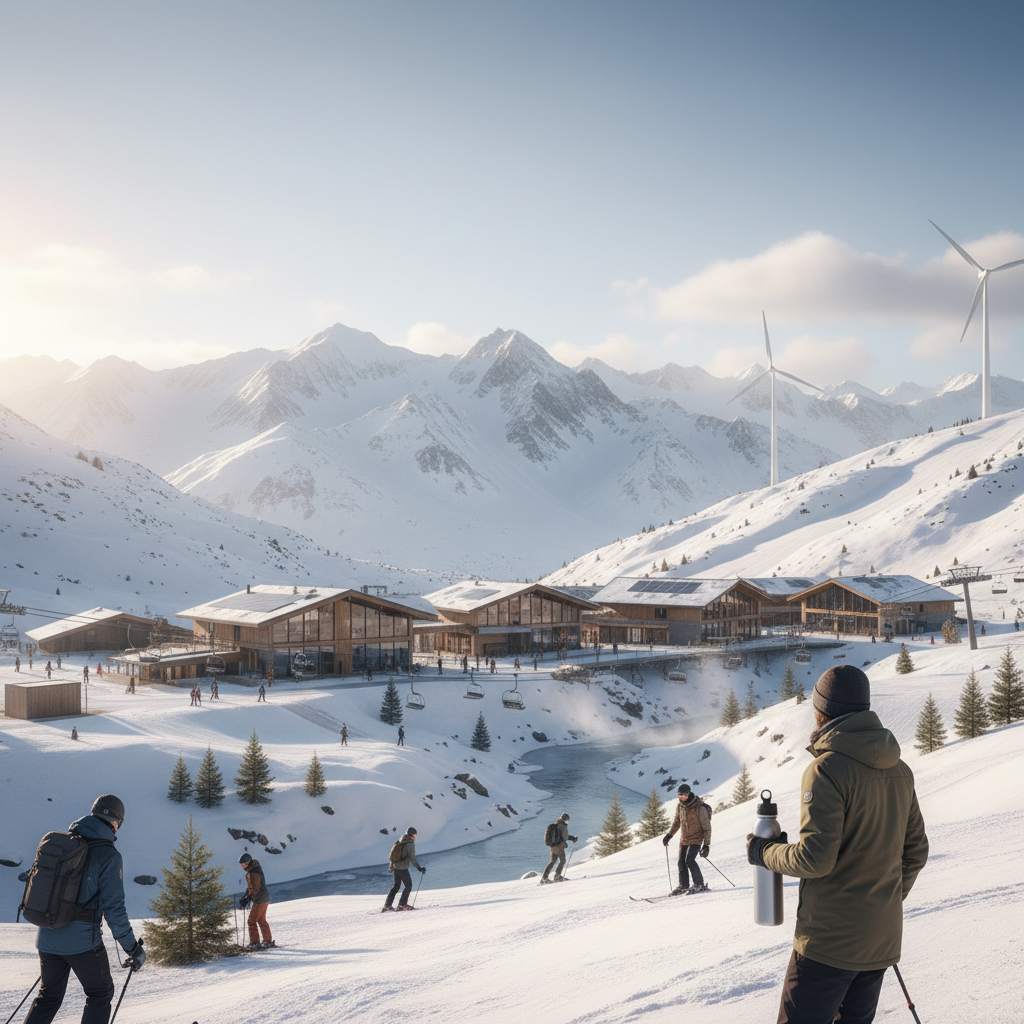
Ski Resort Sustainability Initiatives: How Mountains Are Going Green (and How You Can Help)
Why Ski Resort Sustainability Matters More Than Ever
If you love skiing, you’re already connected to one of the most climate‑sensitive sports on the planet. Warmer winters, shorter seasons, and unpredictable snowpacks are no longer abstract threats—they’re changing how resorts operate and how we travel to the mountains.[6]
The good news: ski resorts across the world are launching ambitious sustainability initiatives. From net‑zero carbon goals to renewable energy, snowmaking innovation, and waste‑reduction programs, the industry is moving fast to protect winter.[2][6][16]
In this guide, we’ll break down what leading resorts are doing, why it matters, and—crucially—how you, as a skier, can make more sustainable choices when booking trips to places like St. Anton, Val Thorens, or Whistler Blackcomb.
The Big Picture: How Climate Change Is Reshaping Skiing
Ski resorts depend on cold, snowy winters. Rising temperatures mean more rain events, fewer powder days, and lower‑elevation areas struggling to stay open.[6][7]
Resorts are responding on several fronts:
- Advanced, efficient snowmaking that uses less energy and water while operating at slightly warmer temperatures.[6]
- Diversified, year‑round business models—think mountain biking, hiking, and wellness retreats—to reduce dependence on winter revenue alone.[6]
- Renewable energy (solar, wind, micro‑hydro) to cut operational emissions.[6][17]
- Ecosystem restoration and conservation partnerships to protect forests and wildlife corridors.[16][11]
Core Sustainability Pillars at Modern Ski Resorts
Most serious sustainability programs cluster around a few key pillars. The FIS "Sustainability Guide for Ski Resorts" and industry initiatives like NSAA’s Sustainable Slopes outline these as energy, waste, water, and ecosystem stewardship.[1][3]
1. Renewable Energy & Carbon Reduction
Resorts are cutting carbon through:
- Renewable electricity (solar, wind, micro‑hydro).
- Efficient lift and snowmaking technology.
- Electrification of vehicle fleets and buildings.
Vail Resorts operates 37 North American ski areas and has one of the industry’s most ambitious goals: zero net emissions, zero waste to landfill, and zero operating impact on forests and habitat by 2030.[2][16]
Key steps include:
- Achieving 100% renewable electricity for their North American operations.[2][16]
- Reducing waste to landfill by nearly 7.9 million pounds (47% reduction) through waste sorting, composting, and upcycling programs.[16]
- Reforesting 249 acres to offset permanently impacted areas from operations.[16]
SkiWelt Wilder Kaiser – Brixental (Austria)
In the Austrian Alps, SkiWelt has become an example of how regional energy systems can be transformed:[17]
- A modern lift with its own photovoltaic system generates around 50% of its electricity needs.[17]
- A small hydropower plant supplies about 25% of annual electricity demand, and in summer, 100% of operational needs.[17]
- Participation in regional energy communities keeps surplus renewable energy within the local area, sharing power directly with partners instead of feeding it into the general grid.[17]
Thredbo (Australia)
Thredbo is Australia’s first snow resort to power major operations with renewable electricity while holding Gold EarthCheck Sustainable Destination Certification.[8]
Initiatives include:
- Industry‑leading Direct Drive electric motor on Merritts Gondola for ~5% energy savings vs traditional drives.[8]
- A 100 kW solar array at the leisure centre and progressive rollout of LED lighting.[8]
- Solar‑powered street lighting and ongoing upgrades to efficient snowmaking systems.[8]
2. Smarter Snowmaking & Snow Management
Snowmaking is both a lifeline and a sustainability challenge. Modern systems aim to minimize energy and water use while extending the ski season.[6]
Key trends:
- Low‑energy compressors and automated systems that optimize output based on temperature and humidity.[6]
- Use of recycled or carefully managed water sources.
- Snow storage technology—preserving large piles of snow under covers or insulating materials to bridge warm spells and shoulder seasons.[14]
Sun Valley has upgraded nearly 300 snowmaking guns to highly efficient Rubis EVO models, significantly cutting energy use.[2]
They’ve also paired snowmaking with broader sustainability measures:
- Solar‑powered employee housing.[2]
- Water filling stations and reusable cups to reduce plastic waste.[2]
- Composting programs diverting 125.6 tons of kitchen and lawn waste from landfills.[2]
Recent reports highlight rapid scaling of snow storage technology across North American resorts.[14] By storing snow over summer under insulated covers and strategically placing it on key runs, resorts can:
- Reduce early‑season snowmaking.
- Guarantee opening dates with less energy input.
- Maintain race courses and beginner areas during marginal conditions.[14]
3. Waste Reduction & Circular Economy
Single‑use plastics, food waste, and gear disposal are big issues, especially in large destination resorts. Modern sustainability programs push towards net‑zero waste.[1][16]
The FIS guide recommends:[1]
- Conducting waste audits to understand what’s being thrown away.
- Cutting waste at the source via supplier engagement and reduced packaging.[1]
- Installing multi‑stream sorting stations for recycling and composting.[1]
- Facilitating reuse and donation programs for equipment and uniforms.[1]
Kirkwood, part of the Vail Resorts portfolio, illustrates circular thinking at a resort scale:[11]
- Operating an on‑site mill to repurpose felled trees into lumber, supporting wildfire mitigation and reducing transport emissions.[11]
- Conducting dumpster monitoring and waste audits to refine waste‑sorting systems.[11]
- Turning organic waste into compost and replacing single trash cans with multi‑bin sorting stations.[11]
- Expanding “hard‑to‑recycle” programs for snack wrappers and soft plastics.[11]
Thredbo’s Waste & Recycling Programs
Thredbo has achieved a 35% recycling rate and continues to push higher scores through:[8]
- Resort‑wide recycling for paper, cardboard, glass, plastics, metals, and batteries.[8]
- Food organics recycling from local businesses and resort outlets.[8]
- Recycling used cooking oil and diverting over 5 tonnes of batteries and e‑waste from landfill.[8]
- Upcycling old uniforms through partners like UPPAREL into new products.[8]
4. Ecosystem Stewardship & Climate Advocacy
Sustainability doesn’t stop at energy and waste. Many resorts are now positioning themselves as climate advocates and land stewards, working on reforestation, habitat restoration, and public policy.[7][16]
Forest Health & Native Plant Restoration
Projects at resorts like Copper Mountain (USA) are experimenting with native plant restoration on ski trails, improving biodiversity, stabilizing soils, and enhancing resilience to climate extremes.[18]
Vail Resorts has treated 245 acres of high‑mortality spruce and fir trees and reforested hundreds of acres to restore forest ecosystems impacted by operations.[16]
Taos Ski Valley and Global Alliances
Taos Ski Valley has joined a global sustainability ski alliance, committing to high environmental standards and sharing best practices across resort networks.[15]
These alliances help accelerate learning and standardize metrics—important when skiers are trying to compare sustainability performance between, say, Verbier in the Swiss Alps and progressive resorts in North America.
Climate Advocacy
As AP reporting highlights, some resorts are embracing a new role as climate activists, supporting local and national policy that addresses emissions and protects winter sports.[7] This can include:
- Lobbying for clean energy policies.
- Partnering with NGOs on climate campaigns.
- Educating guests about climate impacts and individual actions.[7]
What This Means for Skiers: Choosing More Sustainable Resorts
With so many initiatives underway, how do you, as a skier, navigate the noise and make meaningful choices?
1. Look for Clear, Measurable Commitments
When researching resorts in regions like the Alps or Rockies, go beyond vague "eco‑friendly" claims. Look for:
- Time‑bound targets (e.g., net‑zero by 2030).
- Transparent updates on progress (energy mix, waste reduction, reforested acres).[2][16]
- Third‑party certifications (EarthCheck, ISO standards, national awards).[8][17]
2. Use Guides and Comparisons
Where to Ski has detailed regional and thematic guides that can help you match sustainability priorities with your ski profile:
- Want lower‑impact long‑haul trips? Check Alps vs Rockies to weigh travel distance vs snow reliability and infrastructure.
- Curious about Nordic options with strong environmental credentials? See our Nordic skiing overview and dedicated Sweden vs Norway comparison.
- Looking for resorts in Finland that embrace winter sustainability and dark‑sky experiences? Start with Best Finnish ski resorts.
3. Consider Region‑Level Impacts
It’s not just individual resorts. Countries and regions vary in grid mix, public transport, and land‑use policy:
- The French Alps and Swiss Alps benefit from relatively low‑carbon national grids and extensive rail networks.
- Scandinavian destinations like Åre and Hemsedal often pair high renewable shares with strong environmental governance.
- North American resorts in states like Colorado and British Columbia may have ambitious local climate plans, but require longer‑haul flights for European visitors.
Practical Tips: How You Can Ski More Sustainably
Resort initiatives are crucial, but skier behavior also matters. Here are practical steps to lower your own impact on each trip.
1. Travel Smarter
- Choose closer destinations when possible. If you’re Europe‑based, consider the Alps or Pyrenees over transatlantic flights.
- Use train or bus connections instead of rental cars where available.
- If you must fly, consider longer stays rather than multiple short trips.
2. Book with Sustainability in Mind
When browsing resorts like Courchevel, Zermatt, or Cortina d'Ampezzo:
- Check the resort’s sustainability page for renewable energy, waste, and ecosystem projects.
- Look for eco‑certified accommodation and lodges that promote energy efficiency and local sourcing.
- Prioritize resorts that actively communicate progress and invite guest participation.
3. Reduce Waste On‑Mountain
- Bring a reusable water bottle; use resort filling stations instead of buying plastic.[1][2]
- Pack reusable snack containers and avoid single‑use wrappers where possible.[11]
- Sort your waste properly—use the resort’s compost and recycling streams instead of general bins.[1][8]
4. Respect the Environment When Skiing
- Stay on marked runs where requested to avoid vegetation damage and wildlife disturbance.
- If you ski off‑piste or tour, follow local guidance on sensitive areas and seasonal closures.
- Support resorts that invest in native plant restoration and habitat projects.[16][18]
5. Support Climate‑Positive Policies
- Participate in resort‑hosted volunteering days or fundraising for local conservation groups.[9][20]
- Follow resort campaigns on climate and share verified information, helping broaden public support.[7]
- As a consumer, reward resorts whose climate advocacy and sustainability measures align with your values.
Actionable Takeaways for Your Next Ski Trip
Sustainability in skiing is no longer a niche concern—it’s central to the future of the sport. Resorts from the USA and Canada to the Alps and Scandinavia are making tangible progress through renewable energy, efficient snowmaking, waste reduction, and ecosystem stewardship.[2][6][8][16][17]
When planning your next trip, you can:
1. Prioritize resorts with clear net‑zero or renewable energy goals. Look for measurable targets and regular progress updates.[2][16] 2. Use Where to Ski’s guides—such as Best Ski Resorts France, Best Ski Resorts Switzerland, or Best Ski Resorts Canada—to find destinations that balance great snow with strong sustainability records. 3. Travel lower‑carbon where possible. Choose rail and bus over driving, and favor closer regions like the Alps or Dolomites if you’re Europe‑based. 4. Engage with resort initiatives. Use refill stations, respect waste‑sorting rules, and support local restoration or climate advocacy programs.[1][8][11] 5. Think long‑term. Consider how often you fly, how much gear you buy, and where your money goes. Choosing progressive resorts—like those in Vail’s network, SkiWelt, Thredbo, or Scandinavia—helps accelerate industry change.[2][8][17]
The reality is simple: without ambitious sustainability initiatives, many ski areas will struggle in a warming climate. By understanding what leading resorts are doing and aligning your own choices, you become part of the solution—helping to ensure that powder days in places like Aspen, St. Anton, or Åre remain part of winter for decades to come.
In your next trip search, treat “ski resort sustainability initiatives” as a key filter—right alongside snow depth, vertical drop, and après‑ski. The mountains you love are changing; how you ski can help shape what they become.