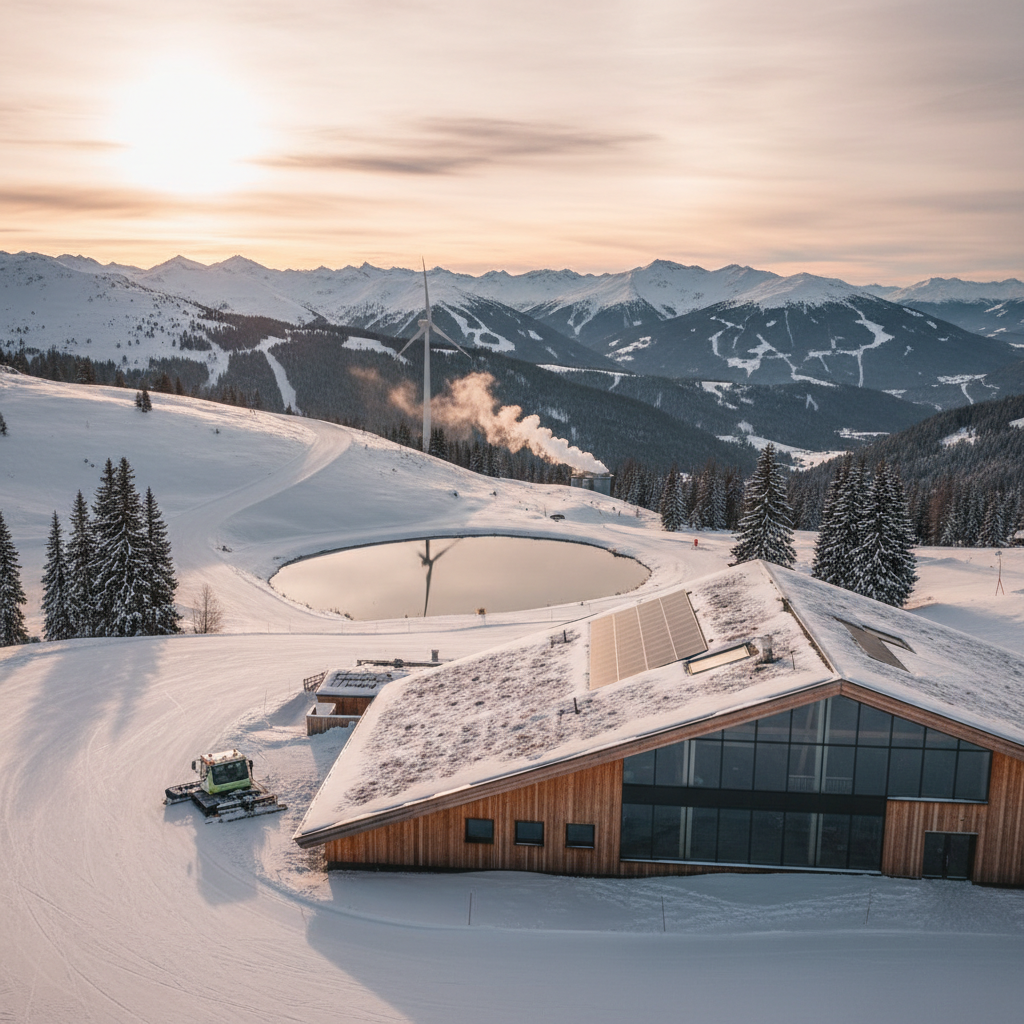
Ski Resort Sustainability Initiatives: Green Innovations Saving the Slopes
Ski Resort Sustainability Initiatives: Green Innovations Saving the Slopes
Imagine carving fresh tracks down a pristine powder run, knowing your turns are helping preserve the mountains for future generations. That's the promise of today's ski resort sustainability initiatives. As climate change threatens snowpack, water resources, and alpine ecosystems, resorts worldwide are stepping up with innovative solutions. From recycled wastewater turning into snow at Big Sky Resort to Austria's green-powered lifts, these efforts aren't just greenwashing—they're practical, measurable steps toward resilient skiing[1][4].
In this comprehensive guide, we'll dive into the latest sustainability projects from top resorts, backed by industry leaders like OnTheSnow and FIS. Whether you're a powder hound planning your next trip or a family skier seeking eco-friendly destinations, you'll find actionable advice to ski greener. Let's explore how the industry is adapting, with real-world examples from the Alps to the Rockies, and tips to minimize your footprint on the slopes.
Why Sustainability Matters in Skiing: The Stakes Are High
Ski resorts face mounting pressures: shorter seasons, water scarcity, and extreme weather. Traditional snowmaking guzzles millions of gallons from rivers, while lifts and grooming machines burn fossil fuels. But forward-thinking resorts are flipping the script. The National Ski Areas Association's Sustainable Slopes program has inspired hundreds of U.S. resorts to cut emissions and protect habitats[2].
Globally, the International Ski Federation (FIS) is leading with its Impact Programme, focusing on biodiversity, climate action, and circular economy. Their 2025/26 Climate Awards spotlight organizers driving real change, like CO₂ calculators for events[5]. In Europe, Austria's ski areas power 90% of snowmaking with renewables, proving sustainability boosts reliability too[4].
For skiers, this means more consistent snow, healthier mountains, and bragging rights at the après-ski bar. Practical tip: Check a resort's sustainability report before booking—many like Sugar Bowl Resort publish theirs online[2].
Water Wisdom: Recycled Snowmaking Revolution
Water is skiing's lifeblood, but it's increasingly scarce. Enter recycled wastewater snowmaking, a game-changer. At Big Sky Resort in Montana, a community-led initiative reuses treated municipal wastewater for snow guns. Phase one pumps 23 million gallons annually onto Spirit Mountain and Andesite, building early-season bases without taxing the Gallatin River[1].
This isn't a one-off. Over a dozen U.S. resorts, plus spots in Canada, Switzerland, and Australia, use reclaimed water. It returns to the watershed via meltwater, protecting fish habitats—Trout Unlimited approves[1]. In drought-hit Rockies, this preserves river flows for ecosystems and downstream users.
European Water Efficiency Leaders
Across the pond, Austria mandates no-additive snowmaking with meltwater recycled to nature. Strict rules ensure it doesn't compete with drinking supplies, using green electricity and solar[4]. Check out Nassfeld for energy-saving modernizations or Zillertal Arena's renewable focus.
Skiers' hack: Opt for resorts with efficient snowmaking like those in our guaranteed snow resorts guide. Pack a reusable water bottle—many green resorts offer free refills, cutting plastic waste.
Energy Efficiency: Powering Lifts with Renewables
Lifts devour energy, but modernization is slashing consumption. Austria's cable cars cut usage 20% in a decade, with Ischgl running on 100% Austrian green energy via Silvretta[4].
In North America, Sugar Bowl Resort in California pledges a 30% CO₂ cut by 2030 through efficient upgrades. They track diesel for snowcats, propane, and electricity, sourcing low-carbon suppliers[2]. Their Peak Pledge covers water efficiency, forest health, and habitat stewardship.
FIS pushes circular economy too, rewarding low-emission events[5]. Pro tip: Choose resorts with solar-powered lifts or EV charging—Verbier in Switzerland is advancing here.
Forest Health and Biodiversity: Protecting the Backcountry
Skiing happens in fragile ecosystems. Sugar Bowl combats wildfires by thinning dead trees with local partners, reducing fuels and bark beetles. This protects Donner Summit and sequesters carbon[2].
FIS's biodiversity pillar funds habitat projects[5]. In Scandinavia, resorts like Åre balance grooming with wildlife corridors—check our Sweden vs Norway comparison.
Practical advice for off-pisters: Stick to marked runs to avoid damaging tundra. Join guided tours at Chamonix for low-impact backcountryoff-piste destinations guide.
Resort Spotlights: Leaders in Green Skiing
Big Sky Resort: Wastewater Pioneers
Big Sky's forum-born project expands to 44 million gallons in phase two, easing pressure on aquifers. It's public Montana's first, inspiring neighbors[1]. Pair with a trip to nearby Vail for more Rocky Mountain vibes—see our best Colorado resorts guide.
Sugar Bowl Resort: Peak Pledge All-Stars
From carbon inventories to forest thinning, Sugar Bowl leads NSAA efforts. They're building resilience for summer ops too[2][3].
Austrian Alps Innovators
ischgl and Nassfeld exemplify green energy. For families, try beginner-friendly spots in our family-friendly ski resorts guide[4].
Emerging Stars: Zermatt and Whistler
Zermatt uses recycled water like Big Sky, while Whistler Blackcomb excels in zero-waste and renewables. Compare in our Alps vs Rockies guide.
Guest and Community Involvement: Your Role Matters
Resorts like Sugar Bowl educate guests via signage and apps. FIS awards top community efforts[2][5]. AXYZ Analytics helps resorts prioritize visitor-valued eco-projects[6].
Actionable tip: Support via Copper Mountain's Play Forever initiatives or NSAA[7][2].
Challenges and Future Outlook
Not all initiatives scale easily—costs and regulations vary. But FIS funding and awards accelerate progress[5]. By 2030, expect widespread wastewater snow and net-zero lifts.
Actionable Takeaways for Eco-Skiers
- Choose green resorts: Prioritize leaders like Big Sky or Ischgl—use our snow-sure resorts list.
- Travel smart: Fly direct, use trains in Europe (Austria excels[4]).
- On-mountain habits: Carpool, reuse gear, skip single-use plastics.
- Support locals: Dine at farm-to-table spots, book green-certified hotels.
- Advocate: Follow FIS Climate Awards, join petitions[5].
- Gear up sustainably: Rent or buy secondhand—check budget ski resorts.
(Word count: 2247)