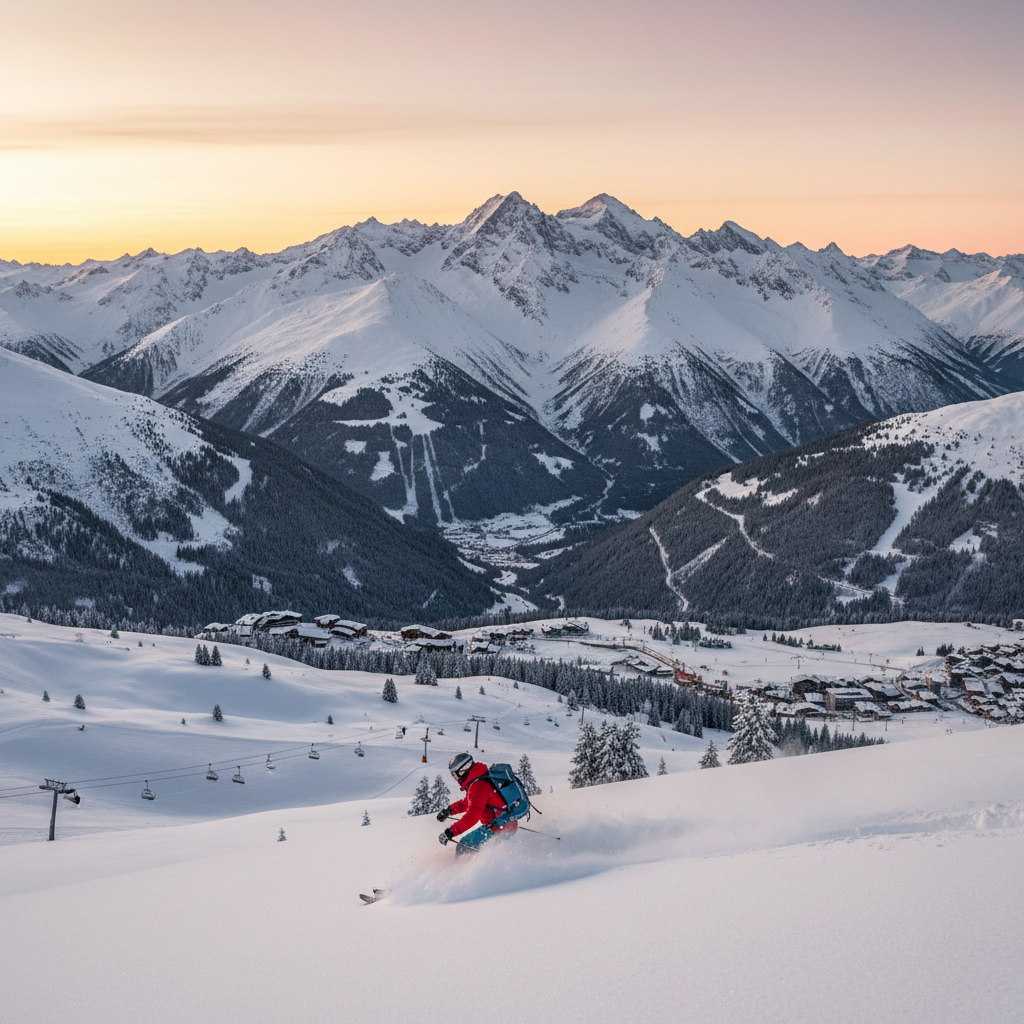
Best Powder Skiing Destinations: The World’s Top Resorts for Deep Snow
Powder skiing is what many skiers chase all winter: the quiet first tracks, the floating turns, the feeling that the mountain has reset overnight. If you want the best powder skiing destinations, you need more than a famous name on a map — you need reliable snow, lift access that reaches the goods, terrain that holds fresh lines, and enough vertical to keep the day going after the first lap. Recent ski-industry reporting still points to a small group of resorts that consistently combine snow quality, terrain variety, and strong late-season or storm-cycle value, including places like Whistler Blackcomb, Zermatt, St. Anton, and Vail.[1][7]
For skiers planning a dedicated powder trip, the best strategy is to match the destination to the kind of powder experience you want. Some resorts are famous for big, cold storm totals and tree skiing, while others excel at high-alpine bowls, glacier laps, or dry interior snow. That is why this guide focuses on destinations that are repeatedly mentioned in ski-industry coverage, forecasts, and resort reports, rather than simply listing famous names.[1][5][7]
What makes a great powder destination?
A true powder destination is not just somewhere that gets snow. It needs a combination of consistent snowfall, terrain that preserves fresh snow, and access that lets skiers get to the best lines quickly. Forecast-based ski sources such as Snow-Forecast and snow-ranking tools used by skiers emphasize how strongly short-term snow potential can affect where the best riding will be over the next several days, while industry roundups continue to highlight resorts with altitude, favorable aspects, and broad terrain networks.[5]
The key ingredients
- Frequent storms that refresh the mountain regularly.
- Elevation that helps preserve snow quality after storms.
- Varied terrain including bowls, glades, steeps, and off-piste zones.
- Efficient lifts so you can keep chasing fresh tracks.
- Good local snow culture with knowledgeable patrol, guides, and route finding.
Best powder skiing destinations in North America
North America remains one of the most dependable regions for powder hunters because it combines big snowfall with terrain built for storm skiing. Recent coverage of current-season and late-season skiing has highlighted Whistler Blackcomb, Vail, Aspen, and Brian Head style Utah powder zones as part of the broader conversation around where the snow lasts and where skiers can keep finding soft turns late in the season.[1][2][9]
Whistler Blackcomb, Canada
Whistler Blackcomb is one of the most complete powder ski destinations in the world because it offers huge terrain, a long season, and the ability to keep finding new lines long after a storm. Its size matters: when fresh snow stacks up, skiers can spread out across alpine terrain, trees, and rolling bowls rather than fighting for the same few runs. For many travelers, it is the benchmark for a major destination that still delivers serious powder skiing.[7]
Vail and Aspen, USA
Vail is famous for its vast back-bowl terrain, which is exactly the kind of landscape that turns a storm cycle into an all-day powder hunt. Aspen offers a different appeal: multiple mountains, strong expert terrain, and the kind of varied skiing that gives powder days staying power. If you are comparing American mountain trips, our best USA resorts guide and Rockies overview are good starting points.
Utah powder: Brian Head and Snowbasin
Utah often enters powder conversations because of its light snow and storm reliability. Brian Head is specifically described by Ski Utah as Southern Utah’s number one family-friendly winter destination, with more than 360 inches of snow, 650 acres, and 71 runs.[2] That makes it especially appealing for skiers who want powder without the intensity and price tag of a giant flagship resort. Snowbasin also deserves attention because it pairs dramatic terrain with a strong resort experience and is often used by skiers looking for quality rather than pure volume.[9]
If your priority is finding value in North American powder travel, also look at our budget skiing overview and budget ski resorts in the USA guide, especially for road-trip style powder chasing.
Best powder skiing destinations in the Alps
The Alps are not always the deepest snow region on earth, but they are one of the most rewarding places to ski powder because altitude, vertical drop, lift systems, and village access can combine to create world-class storm days. Industry lists and skier discussions continue to put Zermatt, St. Anton, Courchevel, and Chamonix near the top of the European powder conversation.[7]
Zermatt, Switzerland
Zermatt is one of the strongest all-round powder destinations in Europe because it combines altitude, glacier skiing, and access to serious terrain. Its long season and high elevation help preserve snow quality, which is why it repeatedly appears in conversations about reliable snow and premium Alpine skiing.[7] For skiers comparing Swiss options, our best Swiss resorts guide and Switzerland ski resorts page provide useful context.
St. Anton, Austria
St. Anton is synonymous with storm skiing in the Alps. It is a place where deep snow often transforms already-strong expert terrain into a freeride playground. For skiers who want a blend of tradition, challenge, and serious snowfall, it remains one of the most searched-for names in Europe. If Austria is on your shortlist, see our Austrian ski resorts page and best Austrian resorts guide.
Chamonix and Courchevel, France
Chamonix is the classic steep-terrain powder destination, especially for advanced skiers who want off-piste access and mountain adventure. Courchevel offers a different style: high-end infrastructure, strong lift coverage, and access to the vast Trois Vallées network. That means powder days can be approached from either a pure mountain-exploration angle or a more resort-focused one. For more French ideas, our French ski resorts page and best French resorts guide are worth browsing.
The Dolomites and Italy
Italy is sometimes overlooked in powder discussions, but the Dolomites can offer excellent storm skiing, especially when the timing is right and snow quality is preserved by elevation and aspect. Cortina d'Ampezzo is especially appealing because it combines scenic terrain with enough challenge to satisfy strong intermediates and experts. If you are heading south, check our Italian ski resorts page and best Italian resorts guide.
Scandinavia’s underrated powder appeal
For skiers who want fewer crowds and a different winter rhythm, Scandinavia deserves more attention. Åre in Sweden and Trysil plus Hemsedal in Norway are often discussed as strong all-round resorts, and they can be excellent choices for travelers who value snow reliability, family convenience, and calm lift lines.[7]
Scandinavian skiing is not always about the biggest totals; it is often about the overall winter experience. Cold temperatures help preserve snow quality, and the resorts are often well organized for efficient skiing. If you are deciding between the two countries, our Sweden vs Norway skiing guide can help you choose the best fit.
Late-season and summer powder options
Powder skiing is usually a winter pursuit, but a few places stretch the season dramatically. POWDER recently highlighted four resorts for June 2026 skiing: Timberline Lodge, Beartooth Basin, Mammoth Mountain, and Banff Sunshine Village, showing that snow-hunters can still find turns well into late spring and early summer.[1] That matters for anyone planning a flexible trip or chasing one final snow mission after most resorts have closed.
Why late-season destinations matter
- They give skiers another chance to find soft snow when winter ends.
- They are ideal for training, powder nostalgia, and endurance laps.
- They often combine firmer morning snow with soft afternoon slush, which can still be fun if you time it well.
How to choose the right powder destination for your trip
The best powder destination depends on your skill level, budget, and tolerance for travel complexity. Search-based snow forecasts can tell you where the next storm is likely to hit, but a great trip also depends on whether the resort suits your style.[5]
For advanced skiers
Choose resorts with steep terrain and off-piste access, such as Chamonix, St. Anton, or Vail. These places reward confidence, strong visibility skills, and the ability to adapt to changing snow.
For mixed-ability groups
Look at resorts that offer both groomers and powder terrain, such as Whistler Blackcomb, Zermatt, or Courchevel. These destinations make it easier for a group to split up and still meet for lunch or après.
For families
Family travelers should prioritize dependable snow, easy navigation, and enough terrain variety to keep everyone happy. Brian Head is a strong example because Ski Utah describes it as family-friendly and substantial enough to offer 71 runs and 650 acres.[2] For more family-focused planning, visit our family ski resorts overview and family-friendly ski resorts guide.
Practical powder skiing advice
Powder skiing rewards preparation. Even the best resort can ski flat if you arrive unprepared, especially on storm days when visibility, traffic, and conditions change quickly.
What to pack
- Wider skis if you expect consistent soft snow.
- Goggles with low-light lenses for storm days.
- Waterproof gloves and layered clothing.
- A small backpack with water, snacks, and an extra layer.
- Safety gear if you plan to ski beyond marked runs.
How to ski powder better
- Stay balanced with a neutral stance rather than sitting back.
- Make smoother, more round turns to stay on top of the snow.
- Ski early when the snow is freshest.
- Track the forecast the night before and the morning of your ski day.
- If you are exploring off-piste, use local guidance and respect closures.
The best powder destinations by trip style
Different skiers define “best” differently, so the smartest way to plan is by experience type.
Best for huge terrain
Whistler Blackcomb and Vail are ideal if you want lots of terrain to explore after a storm.
Best for steep expert lines
Chamonix and St. Anton are better if you want technical skiing and a stronger freeride feel.
Best for reliable high Alpine snow
Zermatt stands out for elevation and snow preservation.
Best for value and easier logistics
Brian Head and some Scandinavian resorts can offer strong powder days with less pressure than the biggest headline resorts.[2][7]
If you are still deciding where to go, our budget ski resorts in Europe guide and best French resorts guide can help you compare value, snow quality, and overall trip cost.
Final advice for powder hunters
If your goal is to ski the best powder, focus on three things: storm history, terrain shape, and access. The strongest powder destinations usually deliver at least two of those consistently, and the very best deliver all three.[1][5][7]
For most skiers, the smartest plan is to pick one major destination, watch the forecast closely, and stay flexible enough to move when the snow changes. Start with a region you trust, whether that is the Alps, Rockies, or Scandinavia, and then narrow the choice based on your skill level and trip style.
If you want the deepest payoff, book your trip around the snow rather than the calendar, choose a resort that matches your ability, and be ready to ski early when the mountain is at its best. That is the difference between a normal ski holiday and a true powder trip.