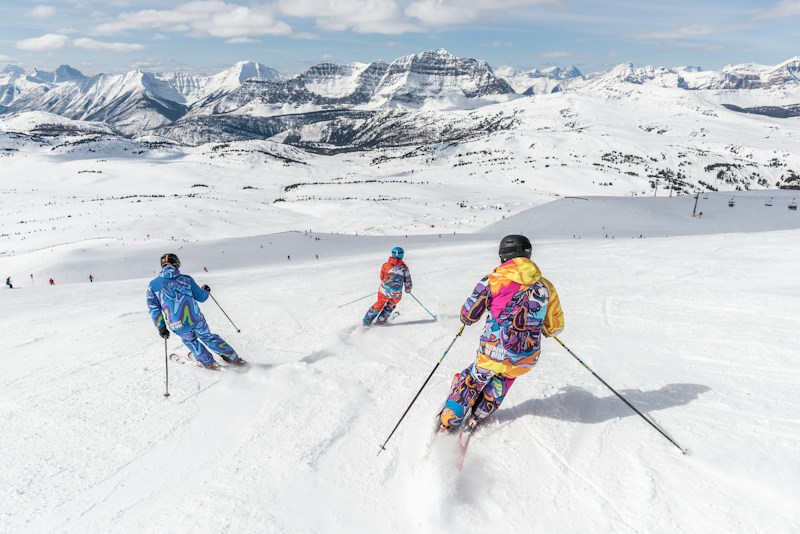
Stevens Pass
Skykomish, Washington, USA
€140
day pass
Opens in 16 days
published season date
Our top picks for best ski resorts in the usa 2027 are Stevens Pass, Alyeska, Crystal Mountain, Mt. Baker and Alta, ranked from live snow depth, verified 2026/27 lift-pass prices and confirmed opening dates.
Choosing a sustainable ski resort in the USA means prioritizing destinations that actively work to minimize their environmental impact, support local communities, and educate visitors on responsible recreation. This category focuses on resorts implementing practices like renewable energy, water conservation, waste reduction, and habitat preservation. Our verified data highlights numerous resorts across the country committed to eco-conscious operations, offering a diverse range of experiences from family-friendly slopes to advanced backcountry access. Understanding these commitments helps skiers make informed choices that align with their values, ensuring both an enjoyable trip and a positive contribution to the environment.
Sustainable ski travel extends beyond the resort's operations to include your personal choices, from transportation to gear and on-mountain behavior. This guide provides actionable advice tailored to different phases of the ski season, helping you maximize your eco-friendly impact. Whether you're planning an early-season trip to catch the first snow, a midwinter powder hunt, or a spring skiing adventure, integrating sustainable practices can enhance your experience. We'll explore how specific resorts, like Colorado's Winter Park or California's Kirkwood, exemplify these principles, offering practical tips for a greener ski vacation in the American mountains.
For early season trips (late November/early December), consider resorts with strong snowmaking efficiency and conservation efforts. Resorts like Breckenridge, opening early November, or Palisades Tahoe, opening late November, often invest in advanced snowmaking technology that reduces water and energy consumption. Opt for public transport or carpooling to the resort to further cut your carbon footprint. Prioritize resorts known for their commitment to renewable energy sources.
During peak midwinter (January-February), focus on resorts that prioritize local sourcing for food and services, reducing transportation emissions. Many sustainable resorts, such as Taos Ski Valley in New Mexico, emphasize community integration and local partnerships. Pack a reusable water bottle and coffee cup to minimize waste on the slopes. Support businesses that clearly state their environmental policies and certifications.
As spring approaches (March-April), be mindful of wildlife migration and habitat protection. Resorts like Kirkwood, which often stays open into April, or Silverton Mountain, closing in April, are located in sensitive ecosystems. Stick to marked trails and avoid disturbing natural areas. Consider resorts that use electric snowcats or maintain grooming fleets with reduced emissions. Check resort websites for specific environmental guidelines.
Sustainable skiing doesn't have to break the bank. Resorts like Cannon Mountain or Cascade Mountain, with day passes around €91 and €97 respectively, offer more affordable access to the slopes. Look for resorts that have robust recycling programs and encourage guests to participate. Choosing resorts closer to your location also reduces travel emissions and costs, making your trip both economical and ecological.
For those seeking an extended season, resorts like Palisades Tahoe (open until late May) or Winter Park (open until mid-May) offer longer opportunities to ski sustainably. These resorts often have comprehensive year-round environmental programs. In the late season, snowpack can be variable; choosing resorts with robust water management for snowmaking, like Breckenridge, ensures responsible resource use even as temperatures rise.
Live prices and weather — click any resort to see the full forecast, lift status, and trail map.
Skykomish, Washington, USA
day pass
Opens in 16 days
published season date
Alaska, USA
day pass
Opens in 9 days
published season date
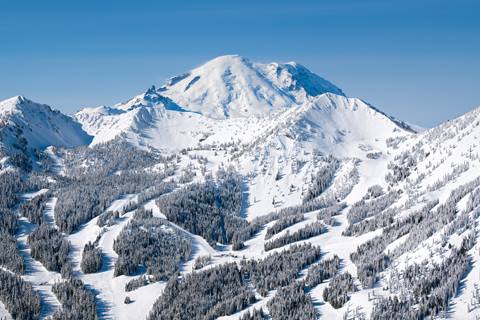
Enumclaw, Washington, USA
day pass
Opens in 8 days
published season date
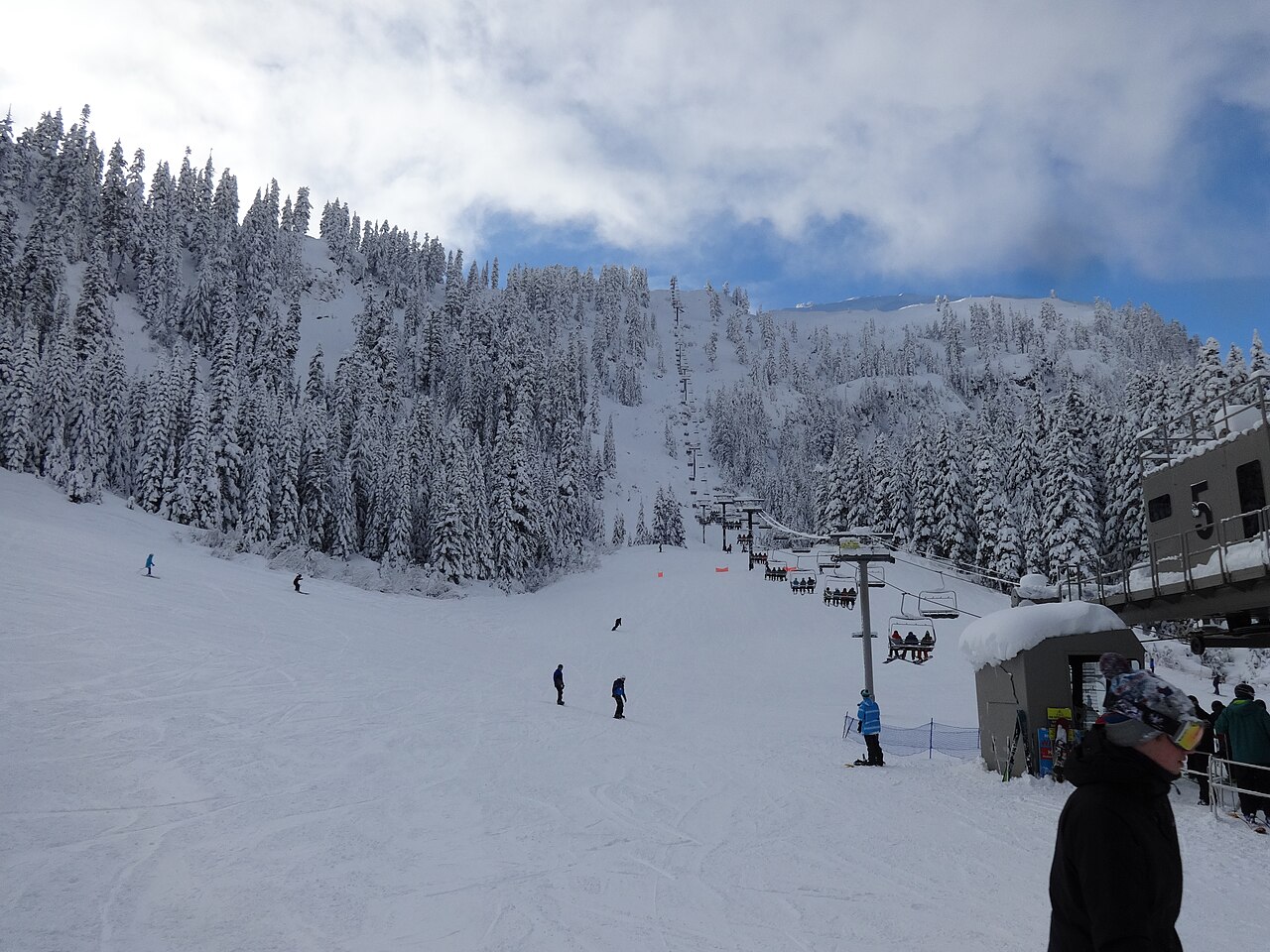
Deming, Washington, USA
day pass
Snow report pending
updates in season
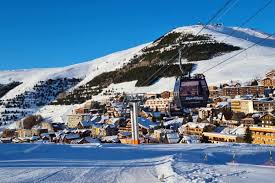
Utah, USA
day pass
Opens in 6 days
published season date
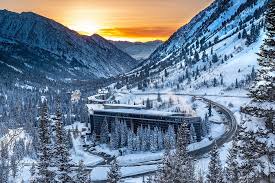
Utah, USA
day pass
Opens in 20 days
published season date
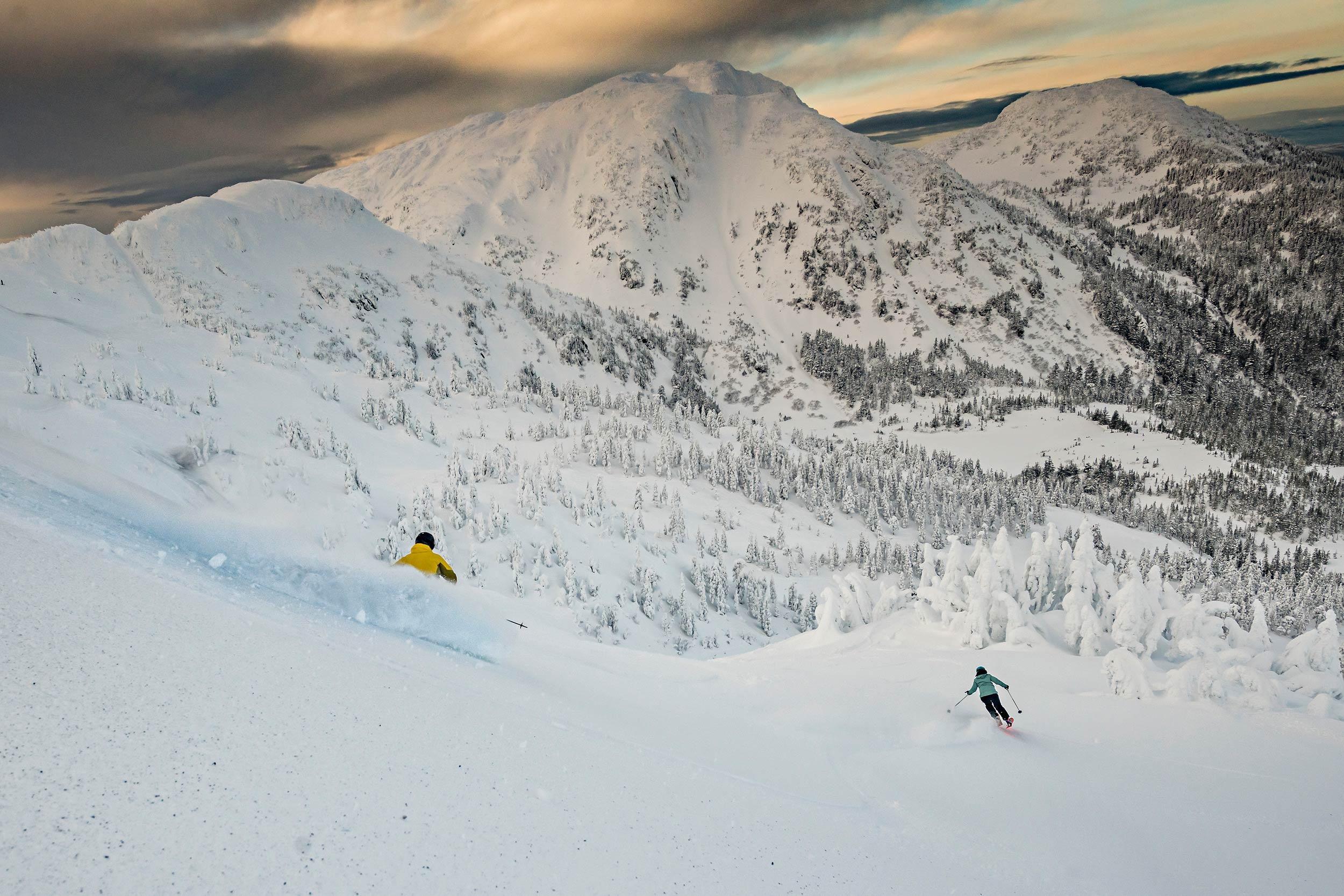
Juneau, Alaska, USA
day pass
Opens in 23 days
published season date
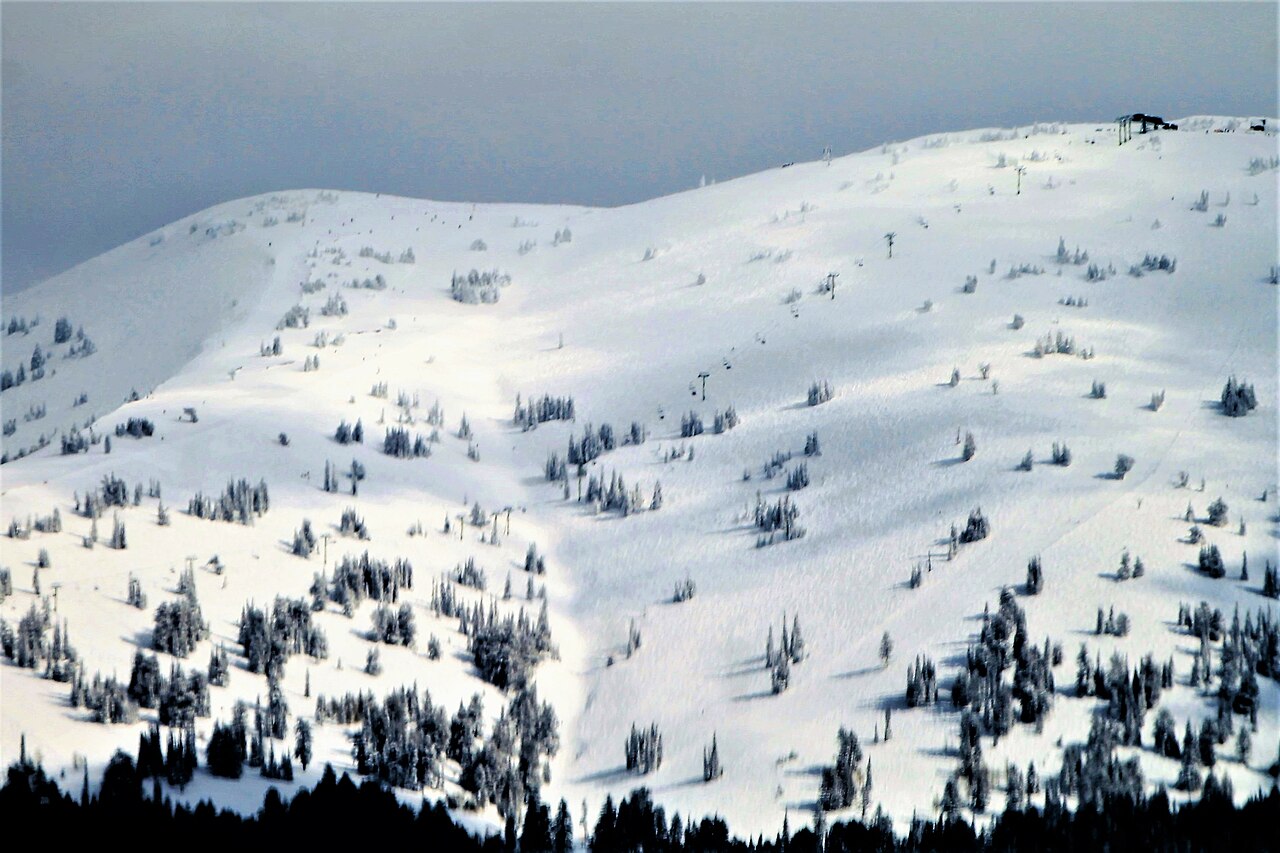
Alta, Wyoming, USA
day pass
Snow report pending
updates in season

Bend, Oregon, USA
day pass
Opens in 15 days
published season date
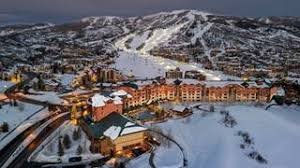
Colorado, USA
day pass
Opens in 2 days
published season date
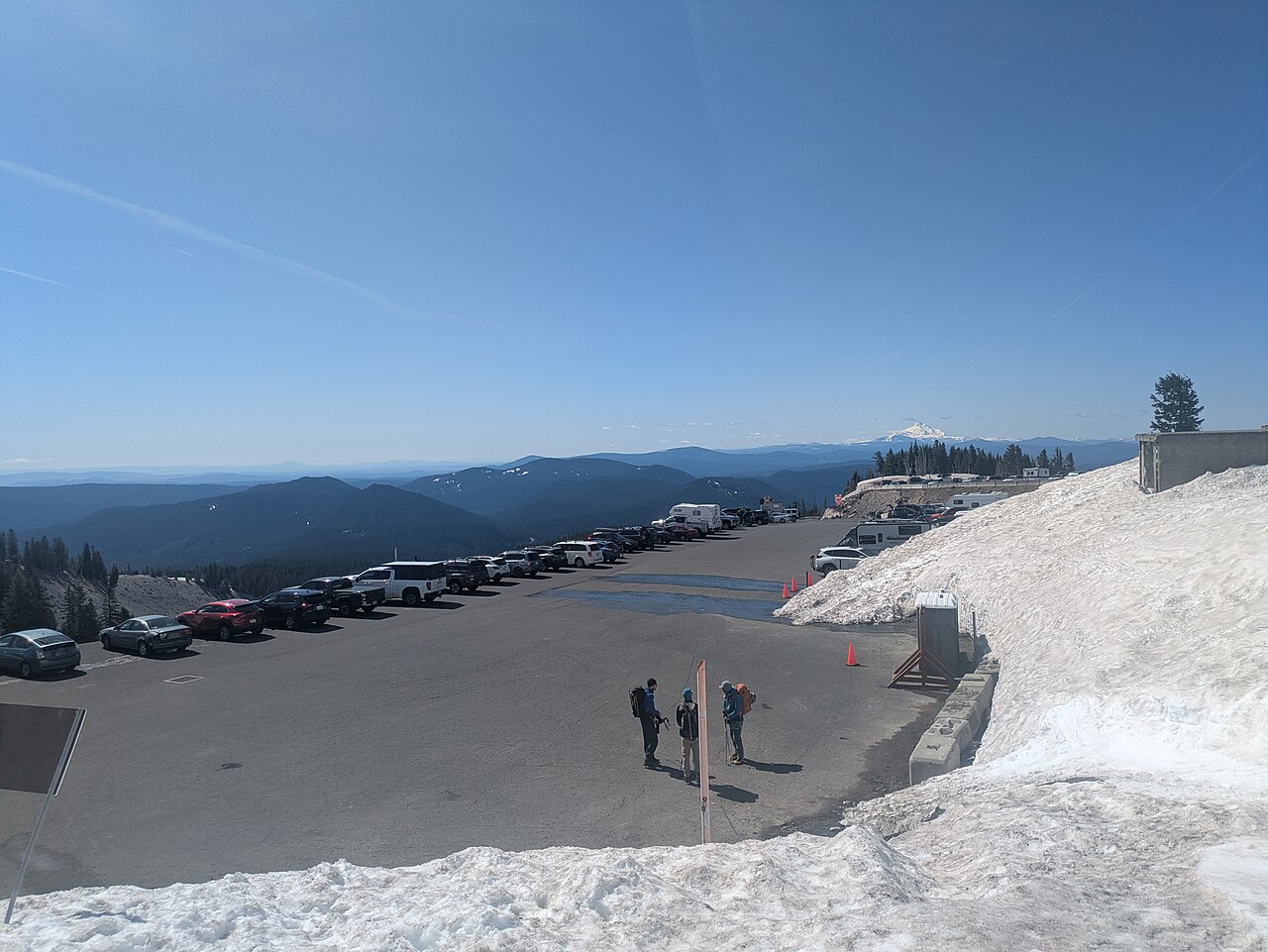
Government Camp, Oregon, USA
day pass
Opens in 2 days
published season date
Utah, USA
day pass
Snow report pending
updates in season

Colorado, USA
day pass
Opens in 7 days
published season date

Colorado, USA
day pass
Opens in 6 days
published season date
Montana, USA
day pass
Opens in 15 days
published season date
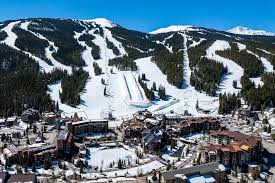
Colorado, USA
day pass
Snow report pending
updates in season
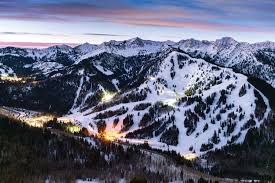
Utah, USA
day pass
Opens in 8 days
published season date
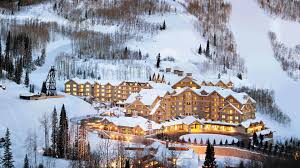
Utah, USA
day pass
Opens in 16 days
published season date
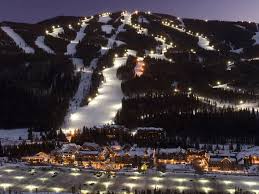
Colorado, USA
day pass
Snow report pending
updates in season
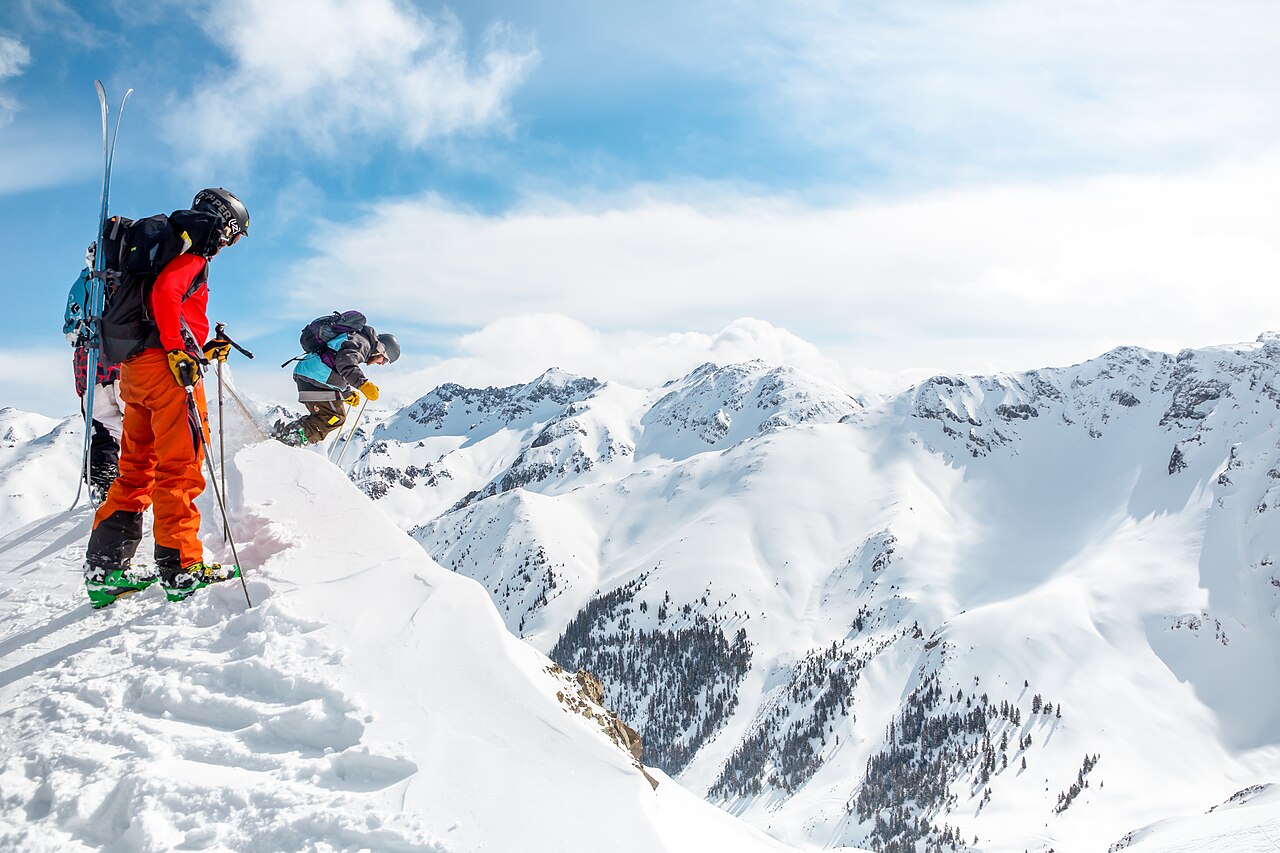
Silverton, Colorado, USA
day pass
Opens in 42 days
published season date
Colorado, USA
day pass
Snow report pending
updates in season
California, USA
day pass
Snow report pending
updates in season
Idaho, USA
day pass
Opens in 7 days
published season date
Colorado, USA
day pass
Snow report pending
updates in season
A sustainable ski resort in the USA typically implements practices across several key areas: renewable energy use (e.g., solar, wind), efficient snowmaking and water conservation, comprehensive waste management and recycling programs, habitat protection and land stewardship, and support for local economies. They often have environmental certifications or publicly stated sustainability goals. For instance, resorts may invest in electric vehicles for operations, restore natural landscapes, or source food locally. This holistic approach aims to minimize their ecological footprint while providing a high-quality guest experience, ensuring the longevity of both the sport and the environment.
The best time largely depends on your priorities. Midwinter (January-February) generally offers the most reliable natural snow, reducing the need for extensive snowmaking, which is an eco-plus. However, early and late season (November/December and March/April) visits can also be sustainable if you choose resorts known for efficient snowmaking and robust environmental policies. For example, Winter Park, opening late October, or Palisades Tahoe, open until late May, demonstrate commitment to resource management throughout their long seasons. Always check specific resort snow reports and sustainability initiatives before booking, as practices can evolve.
Not necessarily. While some high-end resorts with extensive eco-programs might have higher prices, many sustainable options are budget-friendly. For example, Cascade Mountain offers a day pass around €97, and Cannon Mountain around €91, both known for their environmental efforts. The cost often depends more on the resort's location, size, and amenities than solely on its sustainability initiatives. In fact, many resorts view sustainability as a cost-saving measure in the long run through energy efficiency and waste reduction. Look for resorts that balance affordability with strong environmental commitments.
Your individual choices significantly impact a trip's sustainability. Opt for public transportation, carpooling, or electric vehicles to reach resorts like Breckenridge or Kirkwood. Minimize waste by bringing reusable water bottles, coffee cups, and snack containers. Stay on marked trails to protect local ecosystems and wildlife. Support resorts and local businesses that prioritize environmental stewardship. Consider renting gear locally to reduce shipping impacts, or invest in durable, long-lasting equipment. Educating yourself on a resort's specific eco-initiatives, such as those at Taos Ski Valley, allows you to align your visit with their efforts.
Several US resorts stand out for both their environmental commitment and diverse skiing terrain. Winter Park in Colorado is known for its extensive and varied terrain suitable for all levels, alongside significant sustainability efforts. Palisades Tahoe in California offers advanced terrain, off-piste opportunities, and family-friendly options, coupled with a strong focus on renewable energy and water conservation. Taos Ski Valley in New Mexico is celebrated for its expert and steep terrain, while actively pursuing carbon neutrality. These resorts demonstrate that exceptional skiing and environmental responsibility can go hand-in-hand, providing a fulfilling experience for eco-conscious skiers.