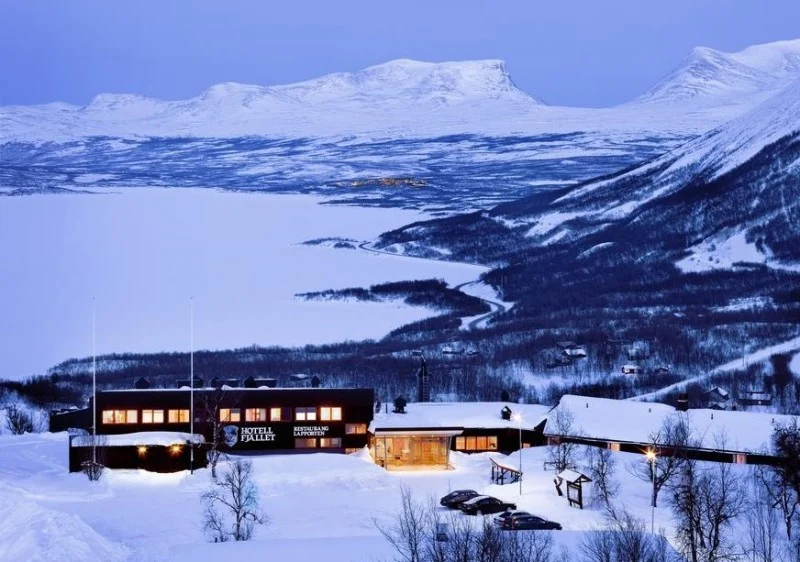
Björkliden
Lapland, Sweden
€45
day pass
Opens in 77 days
published season date
Our top picks for best ski resorts in sweden 2027 are Björkliden, Bydalsfjällen, Edsåsdalen, Grövelsjön and Borgafjäll, ranked from live snow depth, verified 2026/27 lift-pass prices and confirmed opening dates.
Sweden offers a surprisingly diverse and accessible ski touring landscape, extending far beyond its well-known alpine resorts. For those seeking the tranquility of untouched snow and the challenge of earning their turns, the Swedish mountains provide an ideal playground. From the vast wilderness of the fells in the north to the more accessible touring options near established ski areas, there's a route for every skill level. This guide focuses on integrating resort amenities with backcountry ambitions, ensuring a smooth transition between groomed slopes and pristine powder.
While many Swedish resorts cater to downhill skiing, several also serve as excellent gateways to ski touring adventures. The extended seasons in certain regions, particularly in the fells, allow for early-season powder hunts or late-spring corn snow escapades. Our curated selection of resorts, including Idre Fjäll and Funäsdalen, offers a blend of reliable snow, off-piste access, and practical amenities to support your touring ambitions. Whether you're a seasoned tourer or just beginning to explore the backcountry, Sweden's varied terrain promises memorable experiences.
For early season ski touring (late October to early December), focus on resorts with robust off-piste categories and early opening dates. Funäsdalen, opening as early as October 25th, offers terrain suitable for getting your touring legs under you. Similarly, Fjätervålen, with its November 15th opening and 'Off-piste' category, provides a good base for exploring accessible backcountry zones before deeper snow accumulates. Always check local conditions and avalanche forecasts.
During midwinter (December to February), snow depths are typically at their peak, offering excellent powder touring conditions. Resorts like Idre Fjäll and Funäsdalen, both listed with 'Off-piste' categories, are prime locations. Their proximity to extensive fells allows for longer tours into untouched terrain. Remember that avalanche risk is often higher during this period, so proper equipment, training, and a conservative approach are essential for safe exploration.
As spring approaches (March to May), the days lengthen, and snowpack stabilizes, creating ideal conditions for longer tours and corn snow. Storlien, with its season extending to May 4th, offers excellent late-season touring potential in the Jämtland fells. Funäsdalen and Fjätervålen also provide opportunities for spring touring well into April and May, respectively. Enjoy the warmer temperatures and stable snowpack for ambitious day trips.
Ski touring doesn't have to break the bank. For budget-conscious adventurers, consider resorts like Lofsdalen or Storlien. Lofsdalen offers a 6-day pass from €182 and provides access to varied terrain suitable for touring. Storlien, with a 6-day pass from €165, is another excellent option, particularly appealing for those who appreciate cross-country skiing as part of their touring approach. These resorts offer a practical base without excessive cost.
Maximize your ski touring experience by choosing resorts that balance resort amenities with backcountry access. Idre Fjäll, categorized for 'Advanced skiers' and 'Off-piste', allows for easy access to lift-served terrain for warm-up laps before heading out. Similarly, Funäsdalen offers a blend of groomed slopes and extensive backcountry opportunities. This approach provides flexibility, allowing you to enjoy both resort comforts and wilderness exploration.
Live prices and weather — click any resort to see the full forecast, lift status, and trail map.
Lapland, Sweden
day pass
Opens in 77 days
published season date
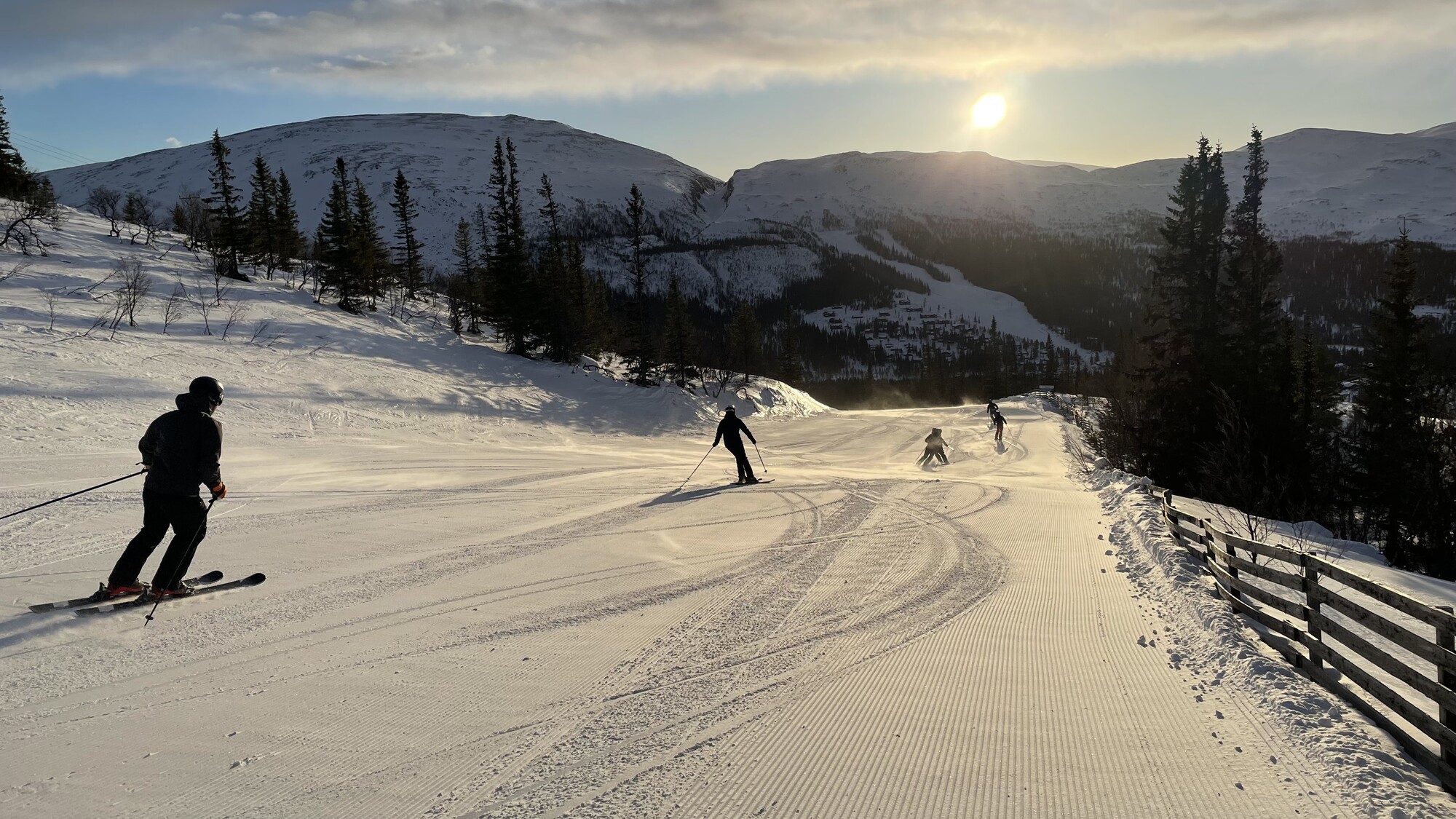
Jämtland, Sweden
day pass
Opens in 30 days
published season date
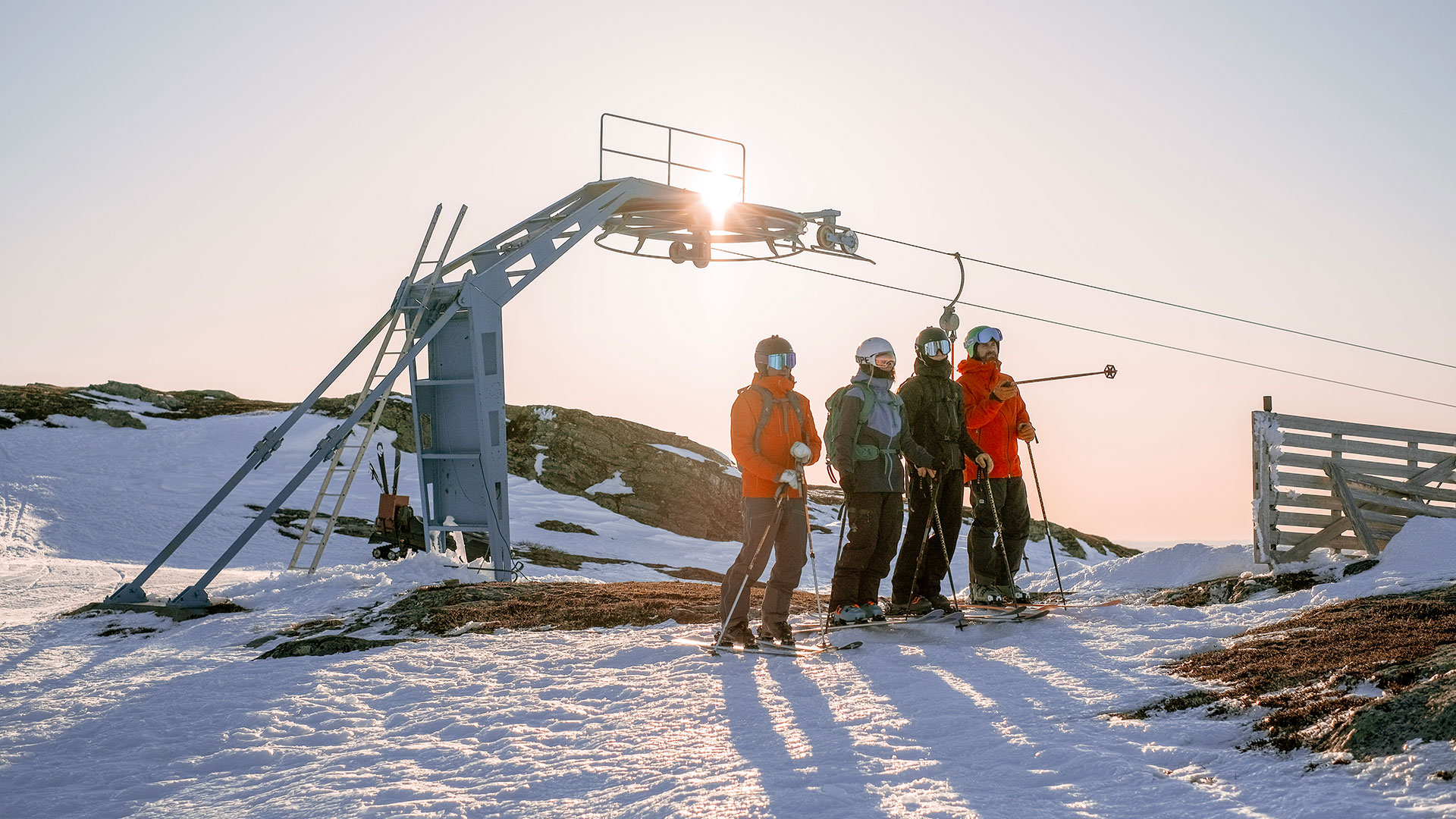
Åre kommun, Jämtland, Sweden
day pass
Opens in 29 days
published season date
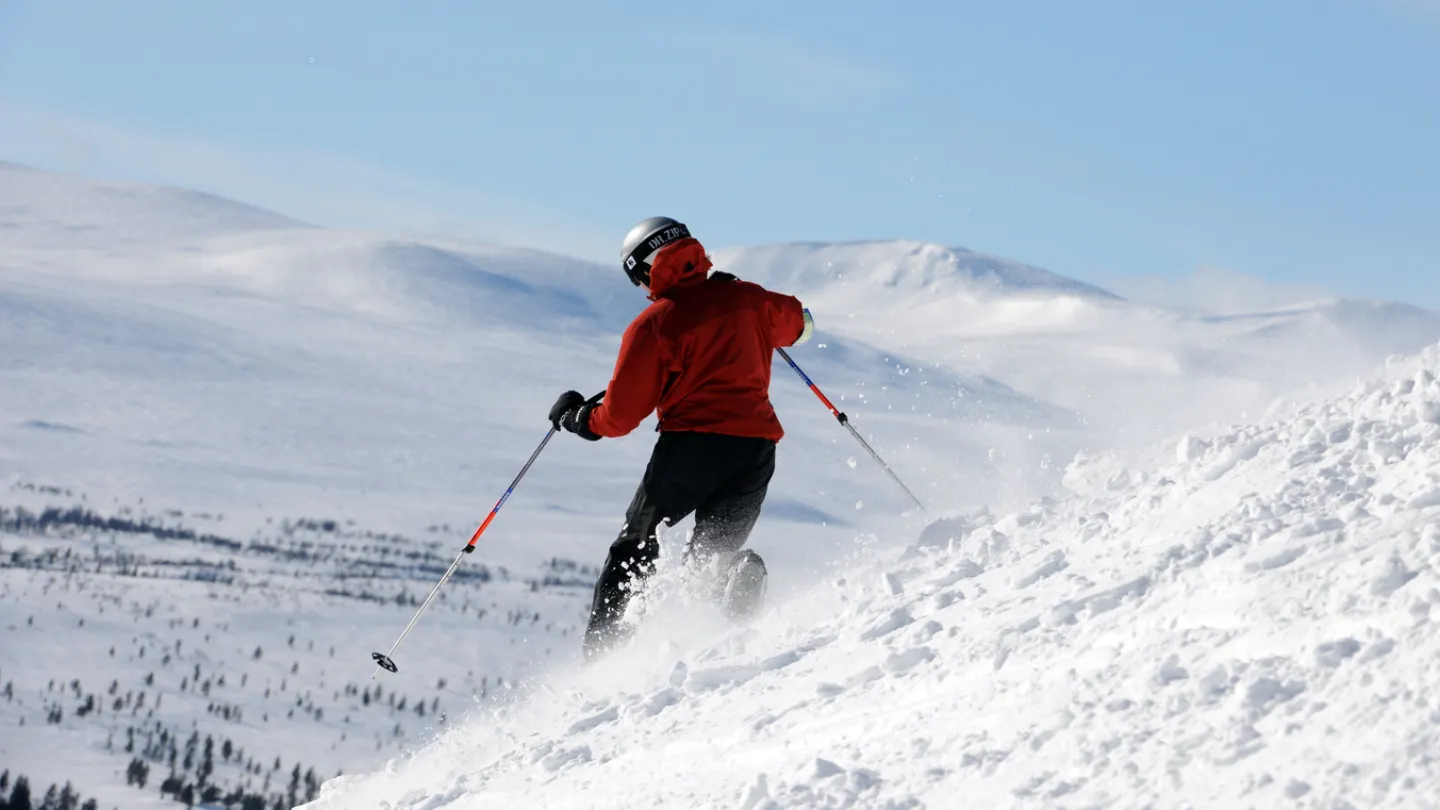
Dalarna, Sweden
day pass
Opens in 30 days
published season date
Västerbotten, Sweden
day pass
Snow report pending
updates in season
Åre kommun, Jämtland, Sweden
day pass
Opens in 26 days
published season date
The ideal time for ski touring in Sweden varies by region and preference. Early season (late October to December) can offer fresh powder in higher elevations, particularly around resorts like Funäsdalen and Fjätervålen. Midwinter (January to February) generally provides the deepest snowpack, perfect for powder hunting, but also higher avalanche risk. Spring (March to May) is often favored for its longer daylight hours, more stable snowpack, and the potential for excellent corn snow. Resorts like Storlien offer extended seasons well into May, making them great for late-spring tours. Always consider specific resort opening/closing dates and local conditions.
Yes, many Swedish resorts provide a good starting point for beginner ski tourers. Resorts like Idre Fjäll and Funäsdalen, while offering advanced terrain, also have accessible off-piste areas near the resort boundary where you can practice techniques in a relatively safe environment. Some resorts, such as Storlien and Tänndalen, are also categorized for 'Beginners' and 'Cross-country', which can be a gentle introduction to self-powered snow travel. Look for resorts with readily available guides or touring programs that can introduce you to the basics of equipment use, uphill travel, and avalanche safety.
Swedish ski touring terrain is diverse, ranging from gentle, rolling fells to more challenging alpine environments. The central and northern regions, particularly around Härjedalen and Jämtland (home to resorts like Funäsdalen, Lofsdalen, and Storlien), offer vast, open landscapes with tree-lined slopes at lower elevations and expansive treeless plateaus higher up. While not as dramatic as the Alps, Sweden provides a unique wilderness experience with long, consistent descents. Resorts categorized for 'Off-piste' or 'Advanced skiers' often indicate access to more varied and challenging touring terrain, including steeper pitches and deeper snow.
The cost of a ski touring trip to Sweden can vary significantly depending on duration, accommodation, and whether you use resort lifts. For lift access, a 6-day pass typically ranges from around €164 (Idre Fjäll) to €281 (Björnriket). Day passes are around €39 to €65. If you plan to primarily tour from a trailhead, lift pass costs can be minimized. Budget-conscious options include resorts like Lofsdalen (6-day pass from €182) or Storlien (6-day pass from €165). Factor in equipment rental (if needed), accommodation, food, and potential guide fees. Self-catering and staying in smaller towns can help manage expenses.
For ski touring in Sweden, essential gear includes touring skis with bindings, skins for uphill travel, appropriate boots, and poles. Crucially, you'll need avalanche safety equipment: a beacon, shovel, and probe, along with the knowledge of how to use them. A backpack for carrying layers, food, water, and safety gear is vital. Given the variable weather, waterproof and windproof outer layers, along with insulating mid-layers, are a must. Headlamp, first-aid kit, and navigation tools (map, compass, GPS) are also highly recommended. Consider renting specialized touring equipment if you are new to the sport before committing to a purchase.