Storlien
Jämtland, Sweden
€39
day pass
Opens in 23 days
published season date
The deepest snow in Sweden is currently at Storlien, Hemavan, Fjätervålen, Riksgränsen and Funäsdalen — 140 cm at the base.
Sweden offers a unique and often overlooked powder experience, particularly for those seeking pristine, uncrowded slopes and backcountry adventures. While not always boasting the deep, light snow of the Rockies, Swedish powder skiing is characterized by its consistent cold temperatures, which preserve snow quality, and vast, accessible terrain above the tree line. The country's northern latitude ensures extended winter daylight hours during peak season, providing ample opportunity to explore fresh tracks.
For powder enthusiasts, understanding the nuances of the Swedish season is key. Early winter can deliver surprisingly good conditions, while mid-season offers reliability and deep cold. Spring brings longer days and often stable snowpacks, ideal for touring. Resorts like Riksgränsen, known for its late-season opening, and Fjätervålen, with its dedicated off-piste areas, stand out. This guide will help you navigate the best times and locations to chase powder across Sweden's diverse ski landscape.
For an early start to the powder season, focus on resorts with higher elevations and earlier opening dates. Fjätervålen, opening mid-November, is an excellent choice for off-piste potential right from the start. Keep an eye on forecasts for fresh snowfall. While base depths might not be at their maximum, cold temperatures often preserve early accumulations, offering surprising quality for those willing to venture out. Funäsdalen also opens late October, providing another early-bird option.
Midwinter, from late December through February, is prime time for reliable powder in Sweden. The deep cold ensures snow stays light and dry. Resorts like Vemdalsskalet and Åre, while popular, can offer excellent powder days after a storm, especially in their advanced and off-piste zones. For a more remote experience, Lofsdalen often benefits from consistent snowfall. Be prepared for short daylight hours but exceptional snow quality during this period.
As spring approaches, particularly from March into May, consider heading north for unique powder opportunities. Riksgränsen, opening in late February and staying open until late May, is legendary for its arctic powder, especially under the midnight sun. The longer daylight hours and often more stable snowpack make it ideal for backcountry touring. Fjätervålen also maintains good off-piste conditions well into spring due to its elevation and cold climate.
Chasing powder doesn't have to break the bank in Sweden. Several resorts offer excellent value while still delivering on snow quality. Fjätervålen, with a day pass around €40 and a 6-day pass around €171, is a top pick for its off-piste terrain. Riksgränsen also remains relatively affordable, with a day pass around €45. Storlien, Hemavan, and Tänndalen, while often catering to families, can also provide fresh tracks after a storm at budget-conscious prices.
Swedish powder trips can be enhanced by combining them with unique cultural experiences. Riksgränsen, for example, is not only a powder haven but also offers dog sledding and proximity to unique accommodation like ice hotels. Åre, while larger, also has ice hotel options. These activities provide a memorable contrast to days spent in deep snow, making for a truly unforgettable Scandinavian adventure beyond just the slopes.
Live prices and weather — click any resort to see the full forecast, lift status, and trail map.
Jämtland, Sweden
day pass
Opens in 23 days
published season date
Västerbotten, Sweden
day pass
Opens in 8 days
published season date
Funäsdalen, Härjedalen, Sweden
day pass
Opens in 30 days
published season date
Lapland, Sweden
day pass
Opens in 91 days
published season date
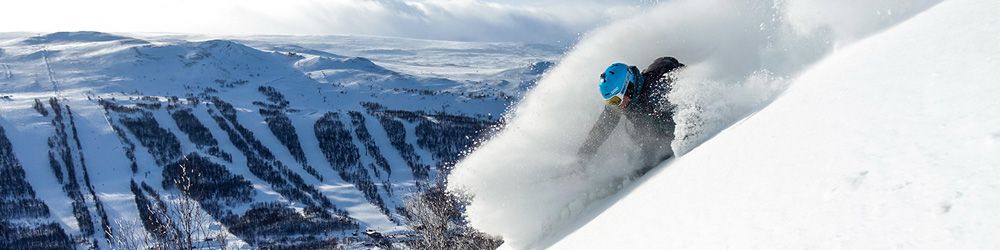
Härjedalen, Sweden
day pass
Opens in 29 days
published season date

Funäsdalen, Härjedalen, Sweden
day pass
Snow report pending
updates in season
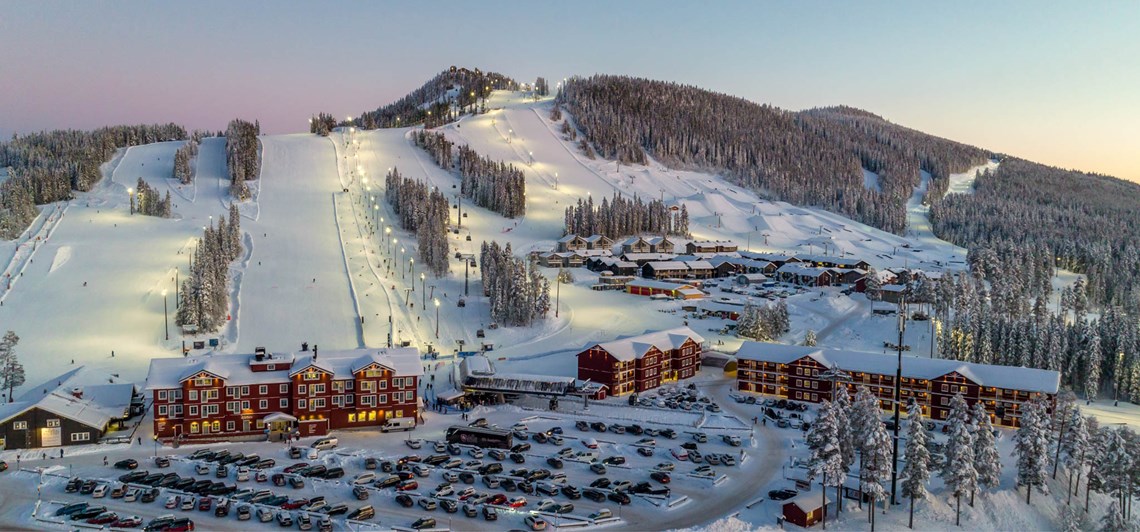
Dalarna, Sweden
day pass
Opens in 22 days
published season date
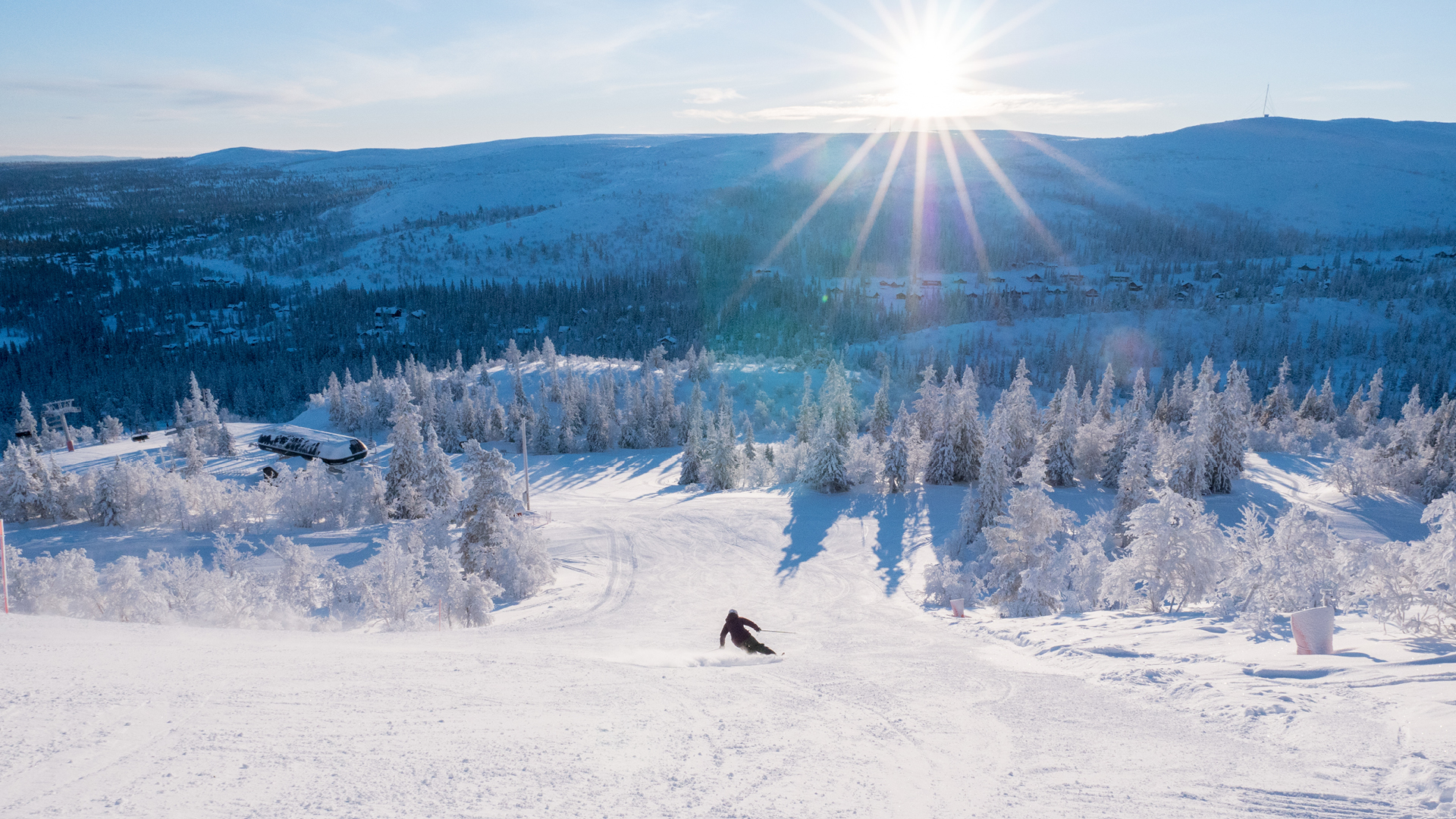
Vemdalen, Härjedalen, Sweden
day pass
Opens in 2 days
published season date
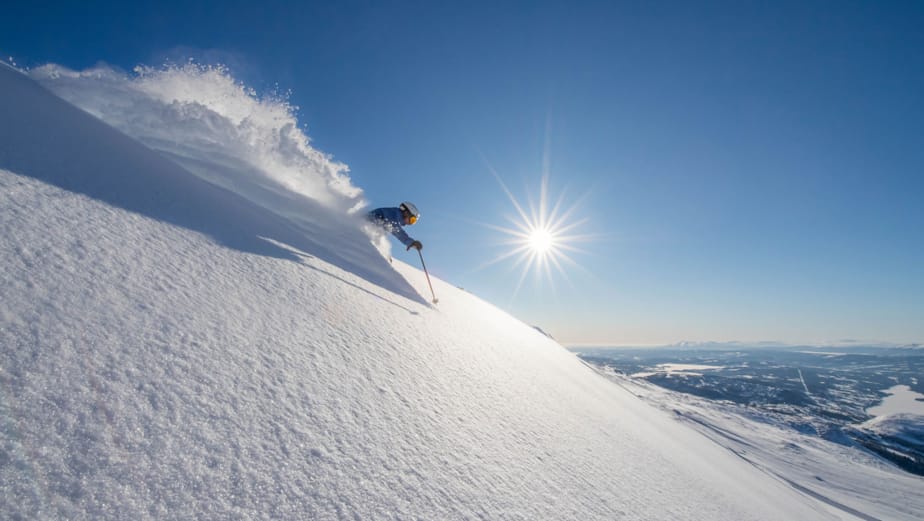
Jämtland, Sweden
day pass
Opens in 22 days
published season date
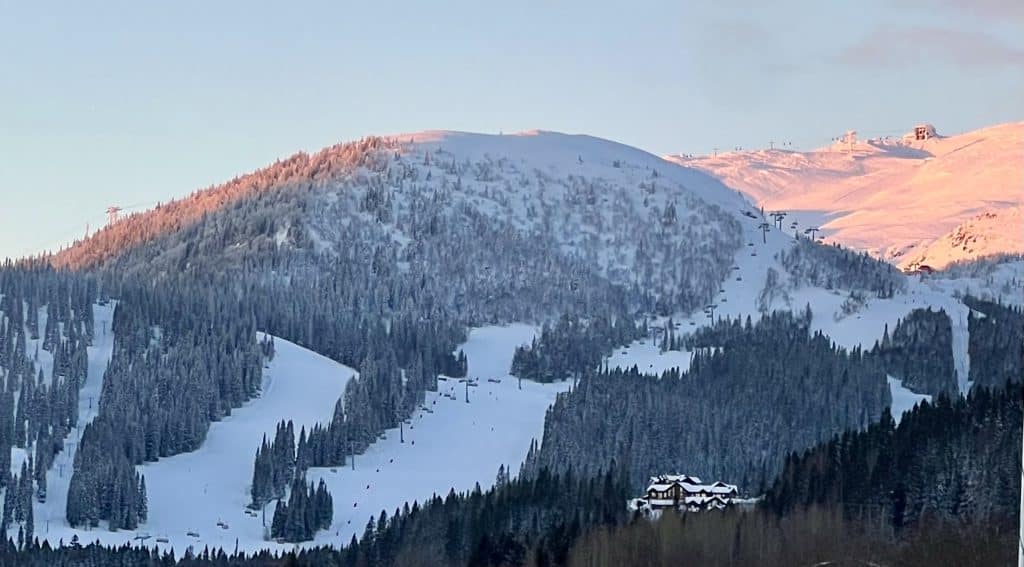
Åre, Jämtland, Sweden
day pass
Opens in 29 days
published season date
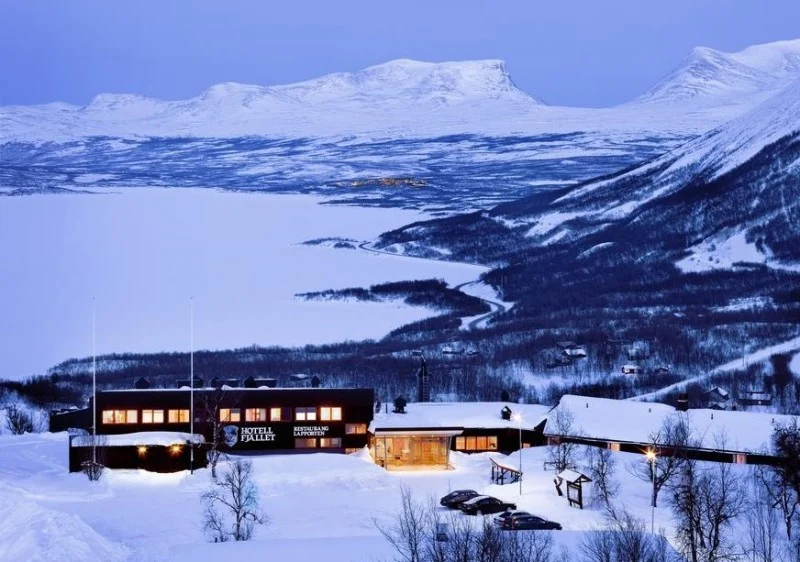
Lapland, Sweden
day pass
Opens in 77 days
published season date
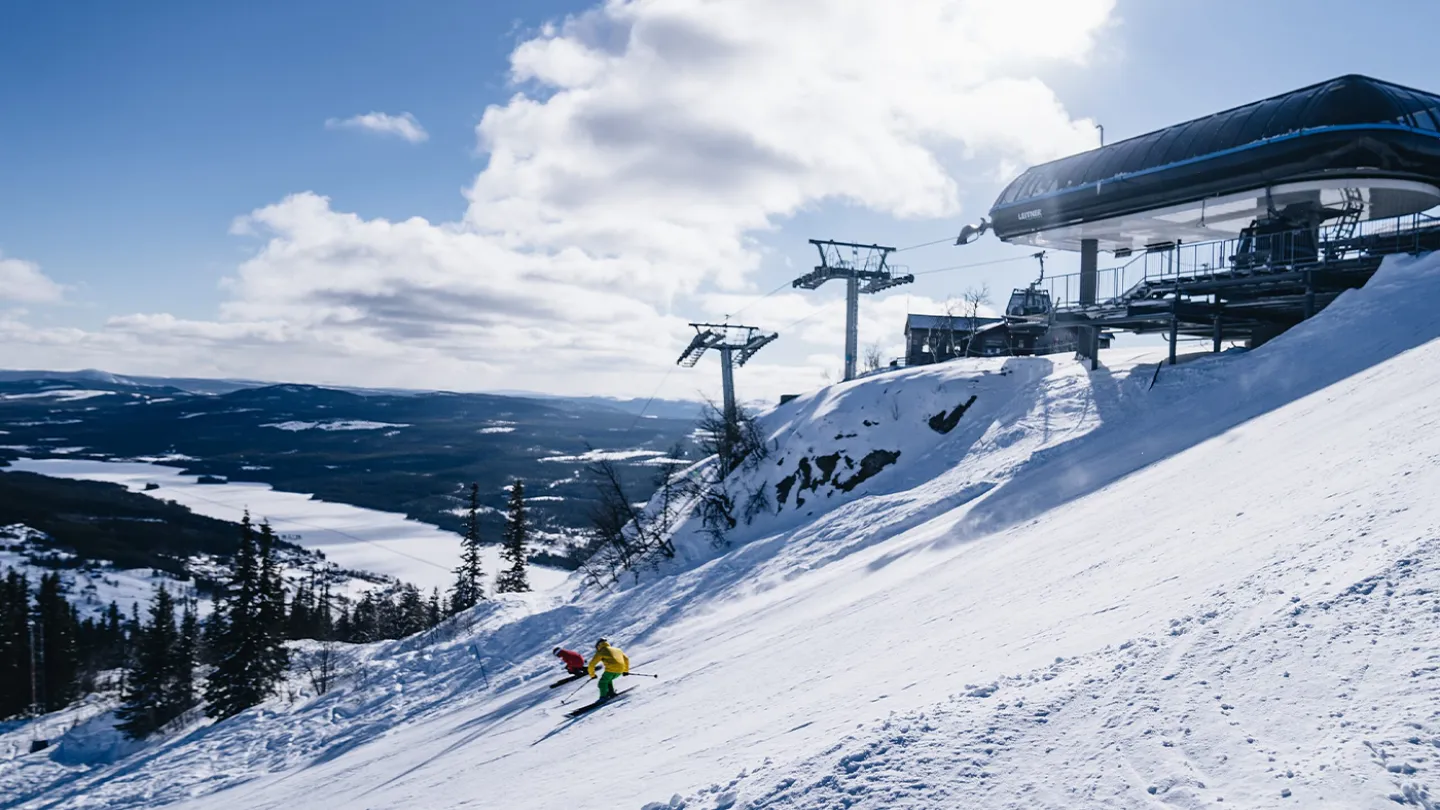
Härjedalen, Sweden
day pass
Snow report pending
updates in season
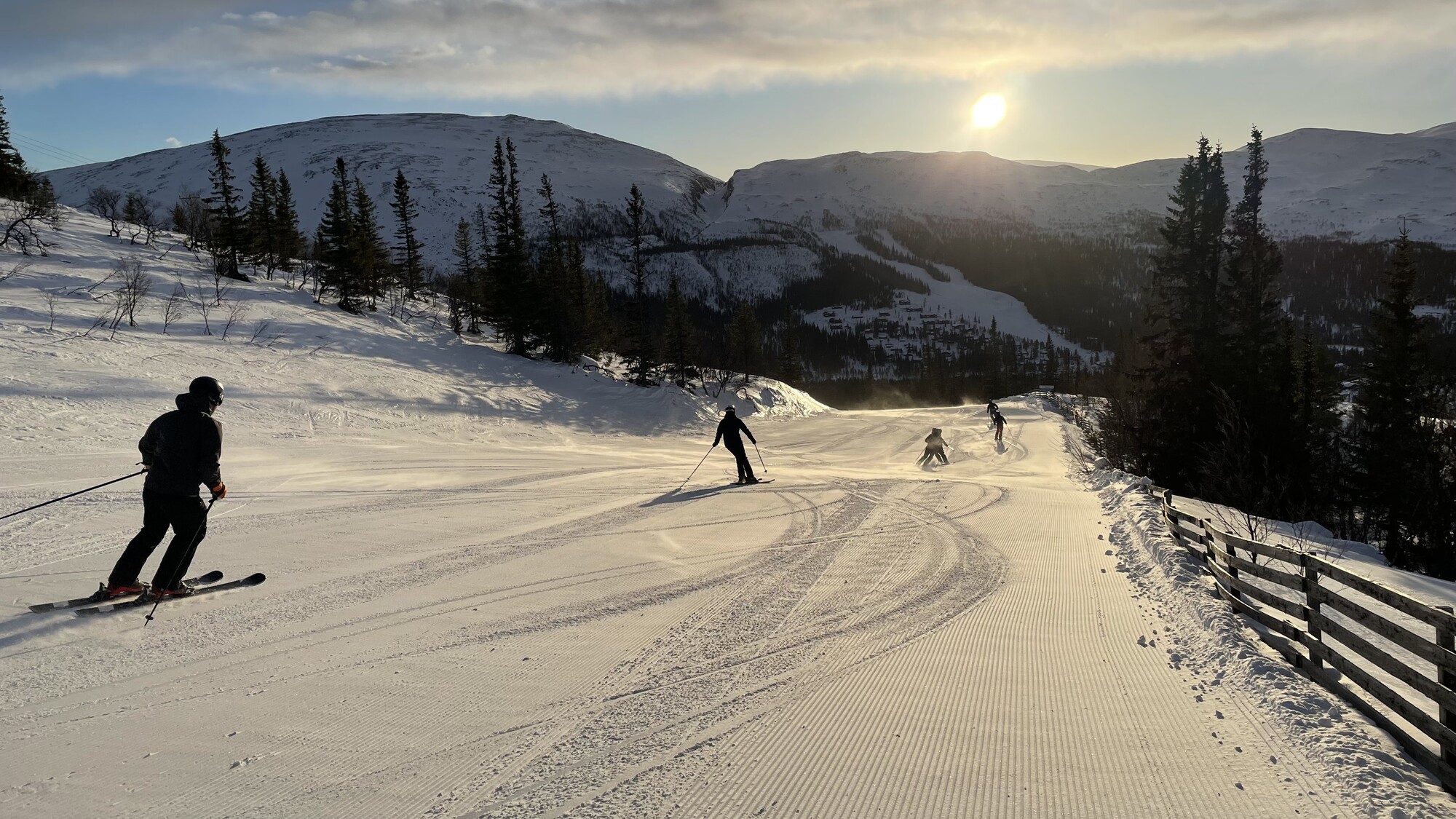
Jämtland, Sweden
day pass
Opens in 30 days
published season date
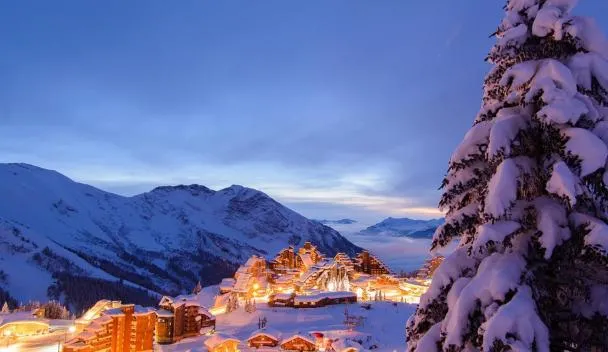
Åre, Jämtland, Sweden
day pass
Opens in 29 days
published season date
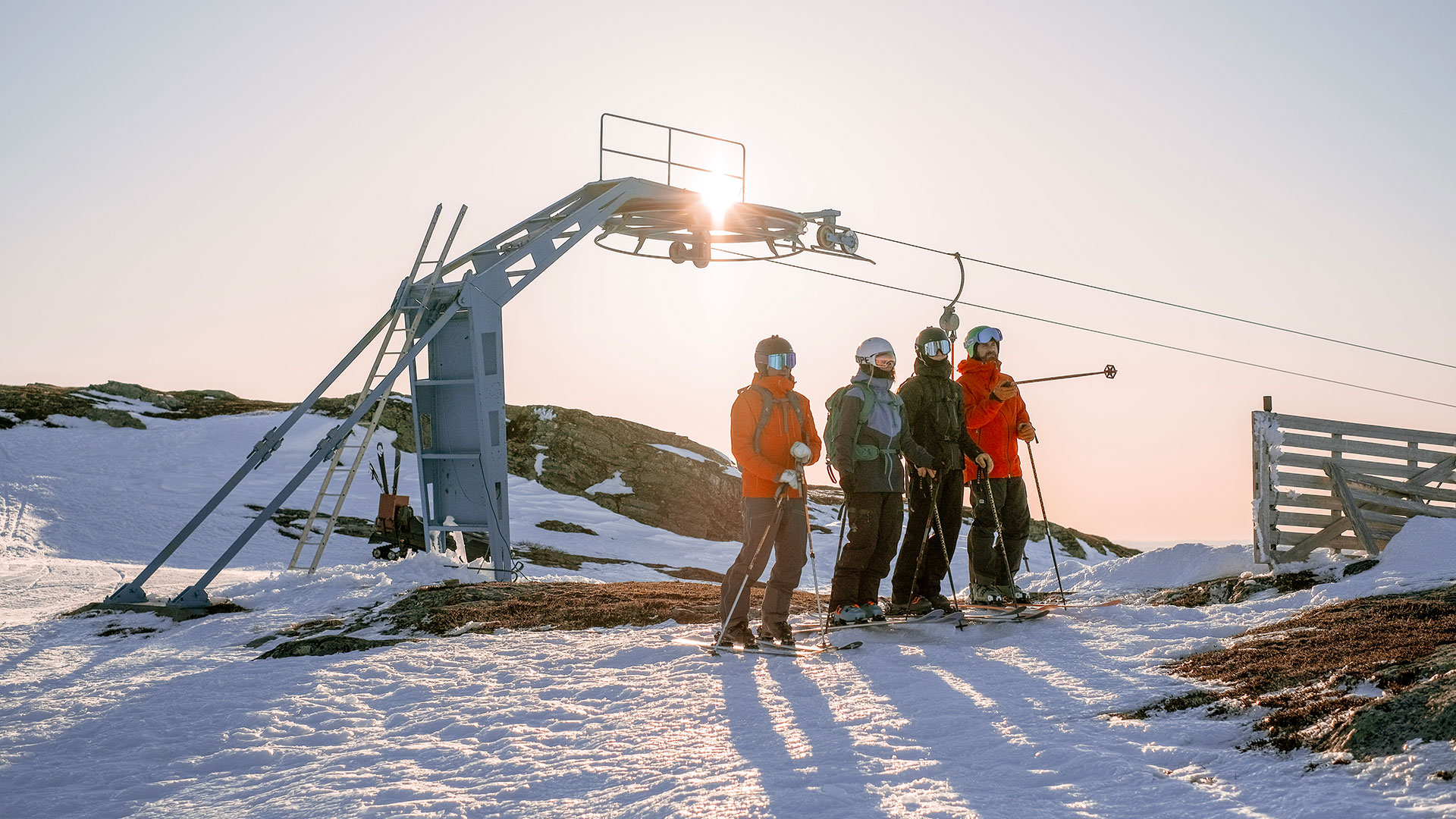
Åre kommun, Jämtland, Sweden
day pass
Opens in 29 days
published season date
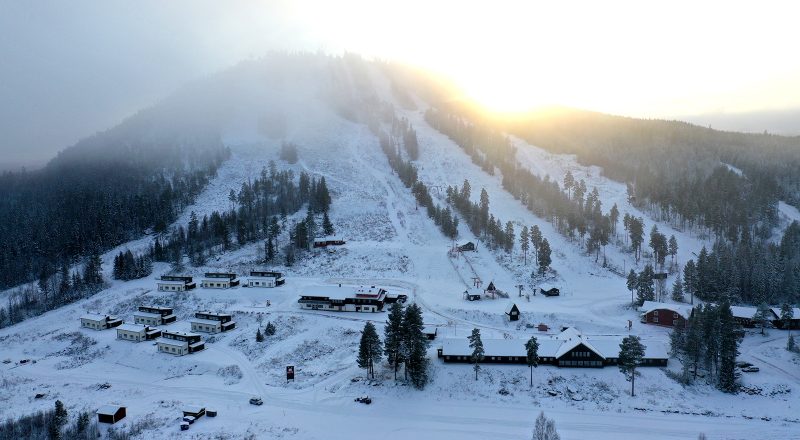
Dalarna, Sweden
day pass
Opens in 30 days
published season date
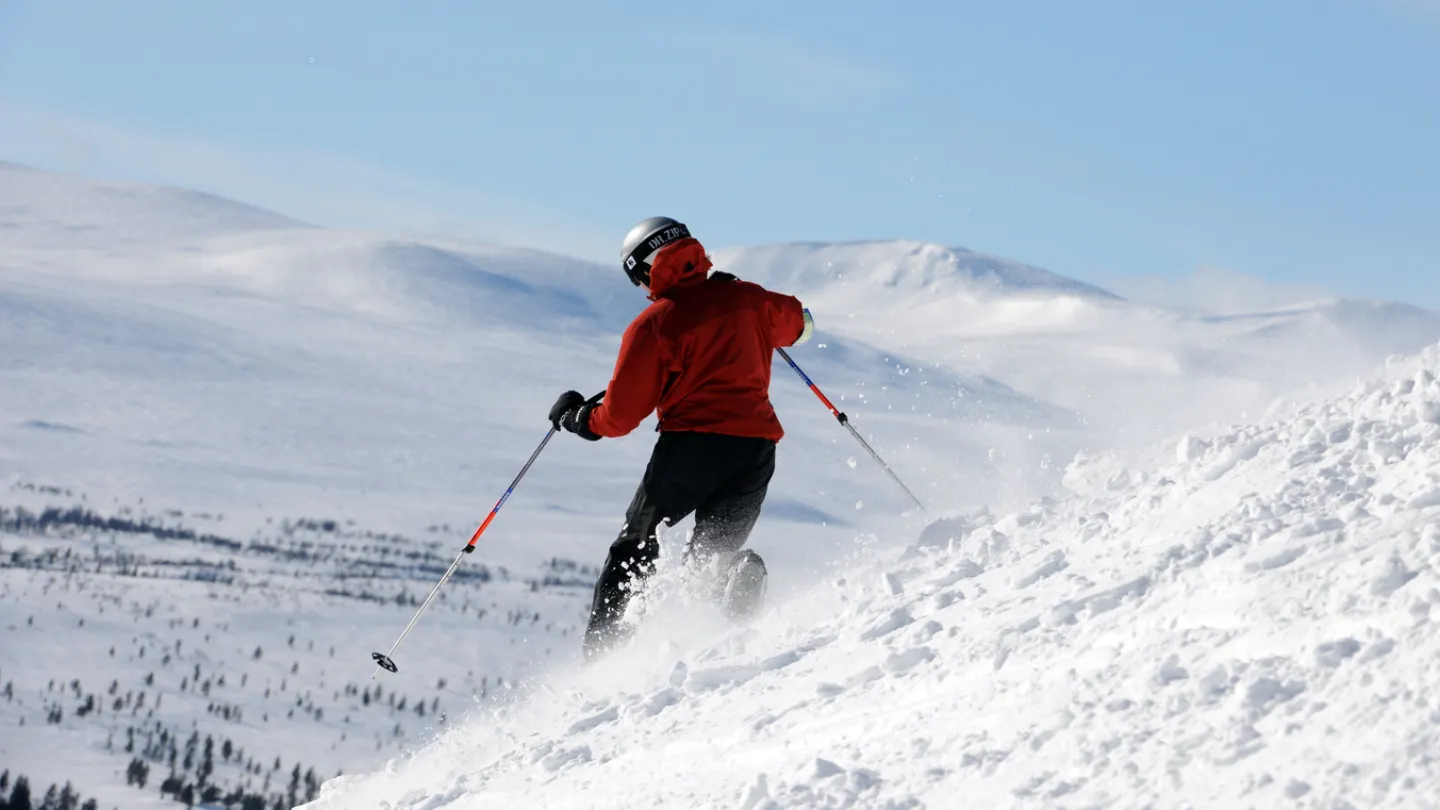
Dalarna, Sweden
day pass
Opens in 30 days
published season date
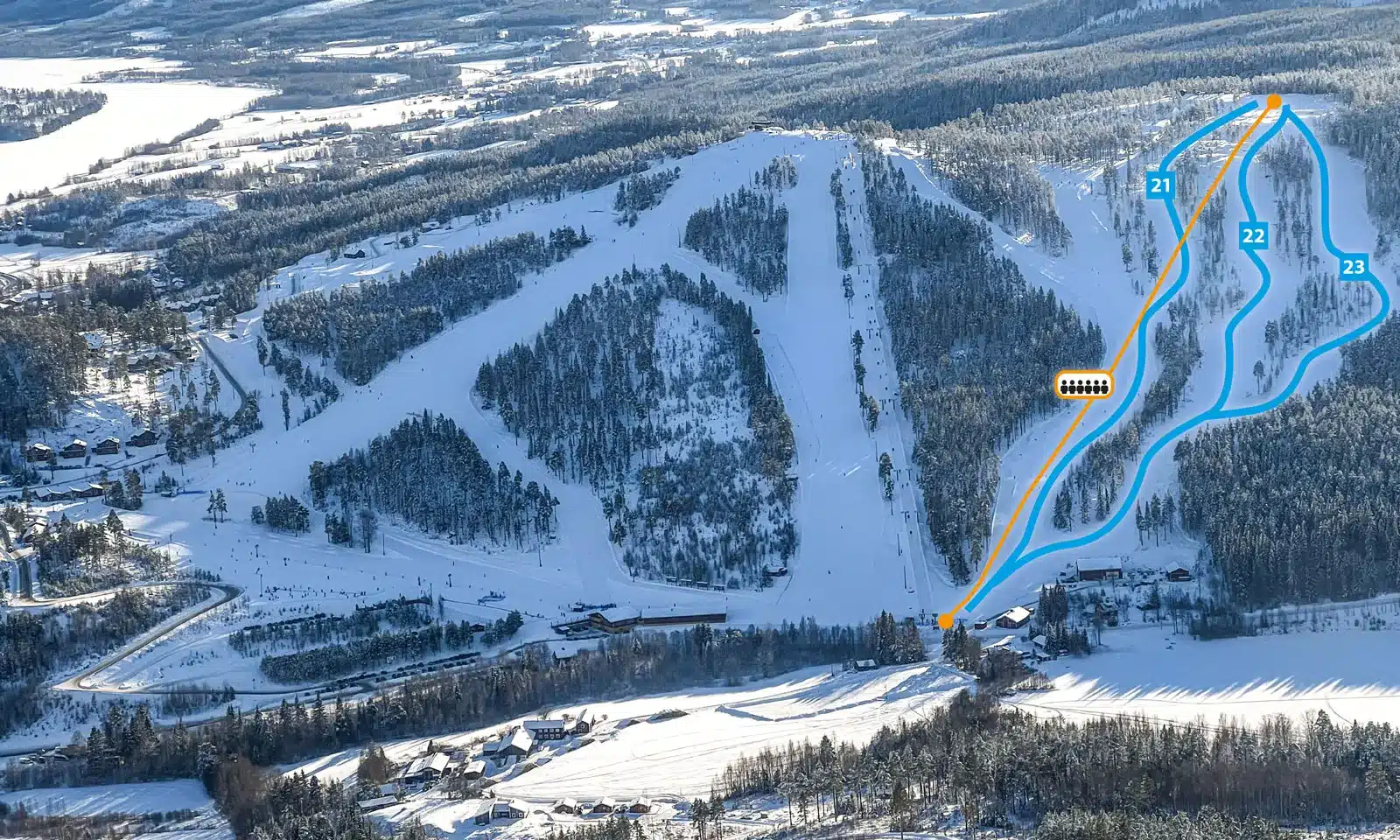
Hälsingland, Sweden
day pass
Opens in 29 days
published season date
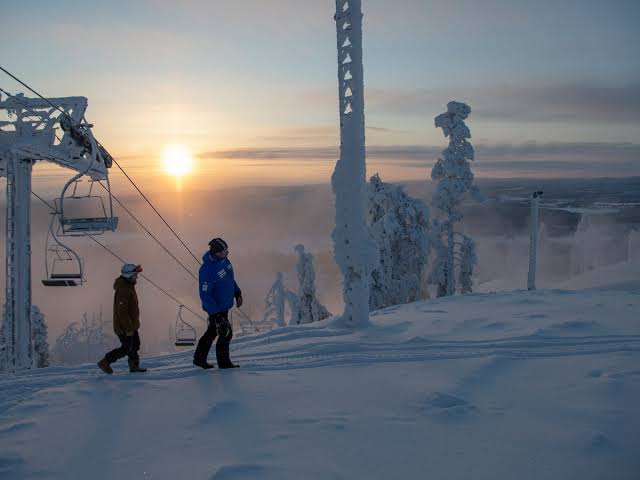
Norrbotten, Sweden
day pass
Opens in 2 days
published season date
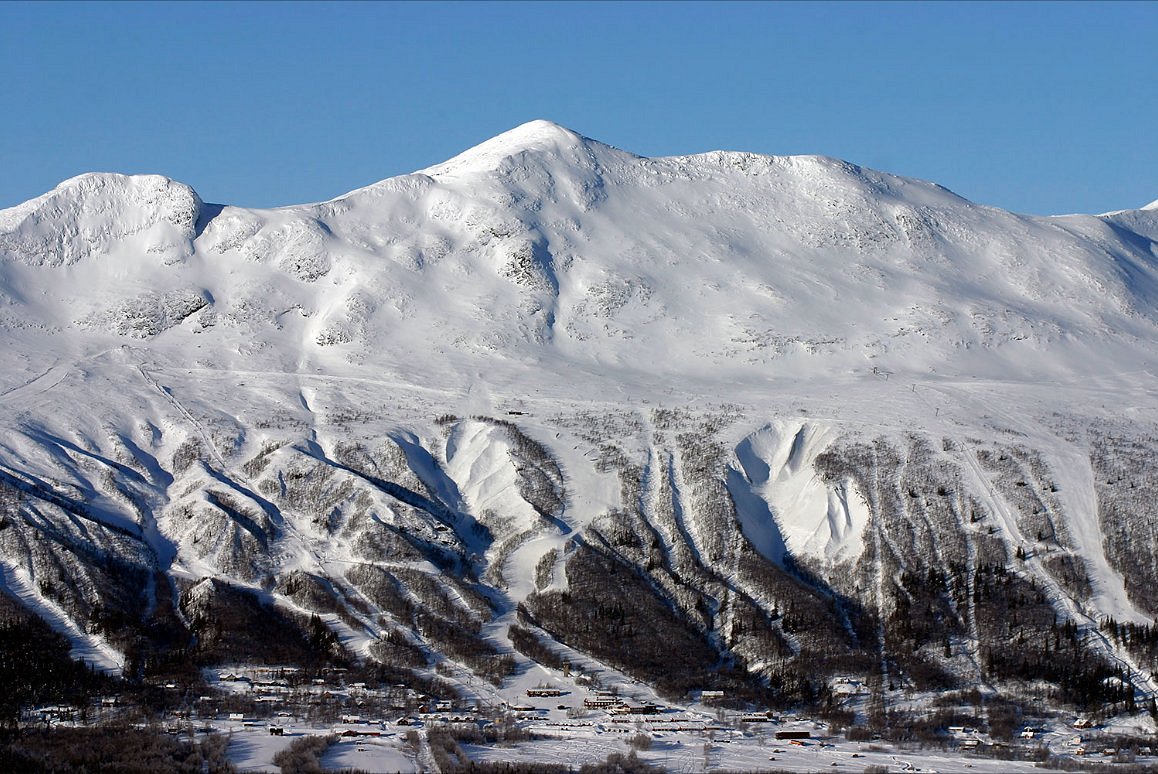
Västerbotten, Sweden
day pass
Opens in 9 days
published season date
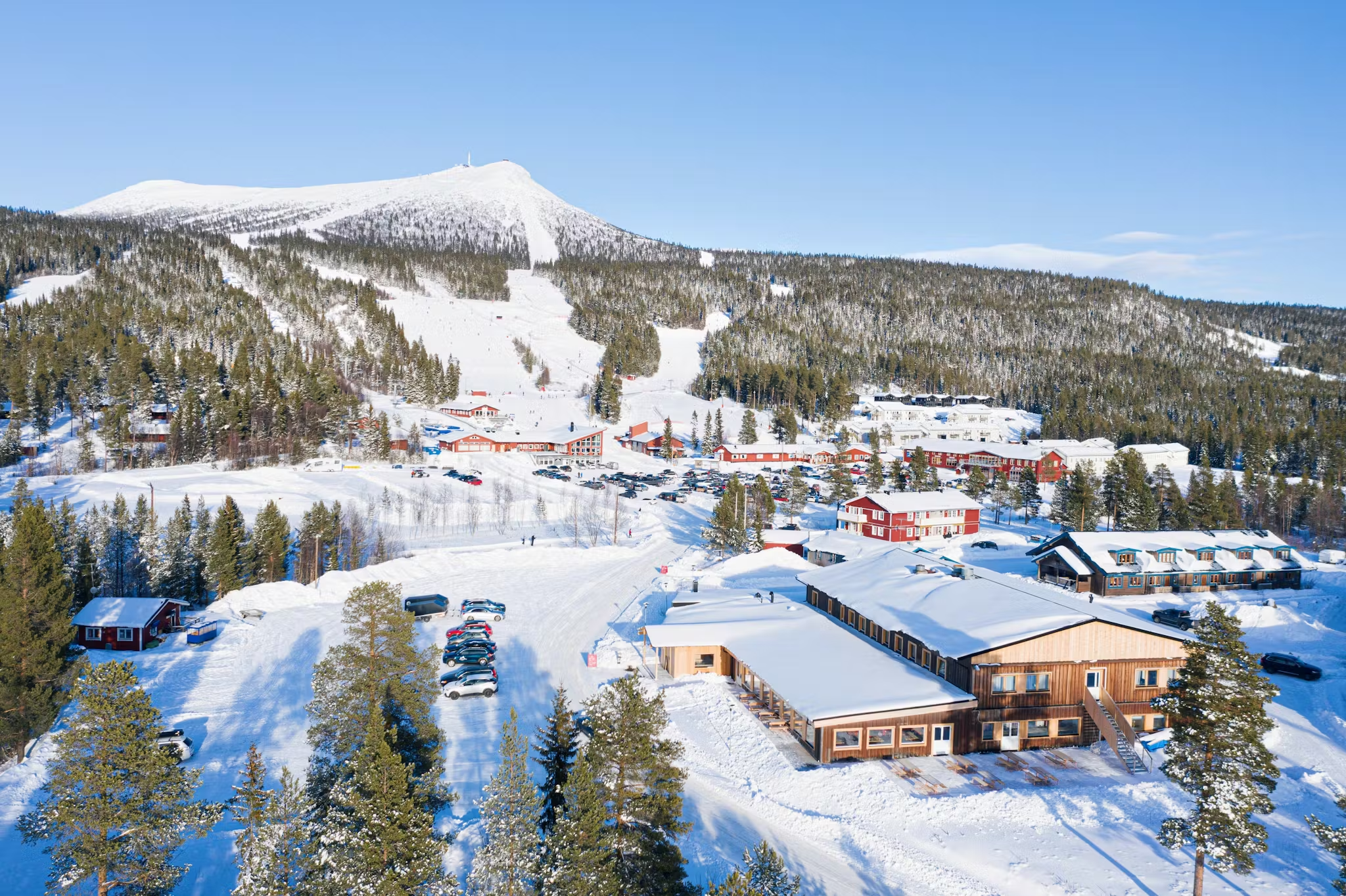
Härjedalen, Sweden
day pass
Opens in 22 days
published season date
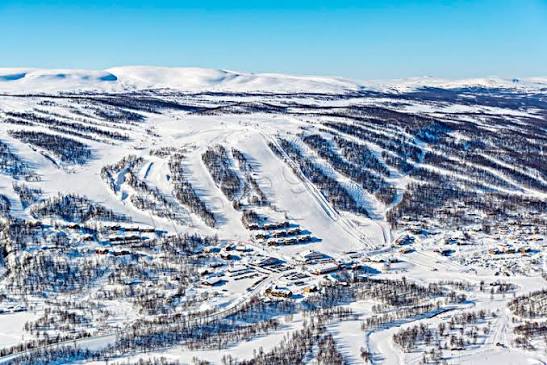
Härjedalen, Sweden
day pass
Opens in 30 days
published season date
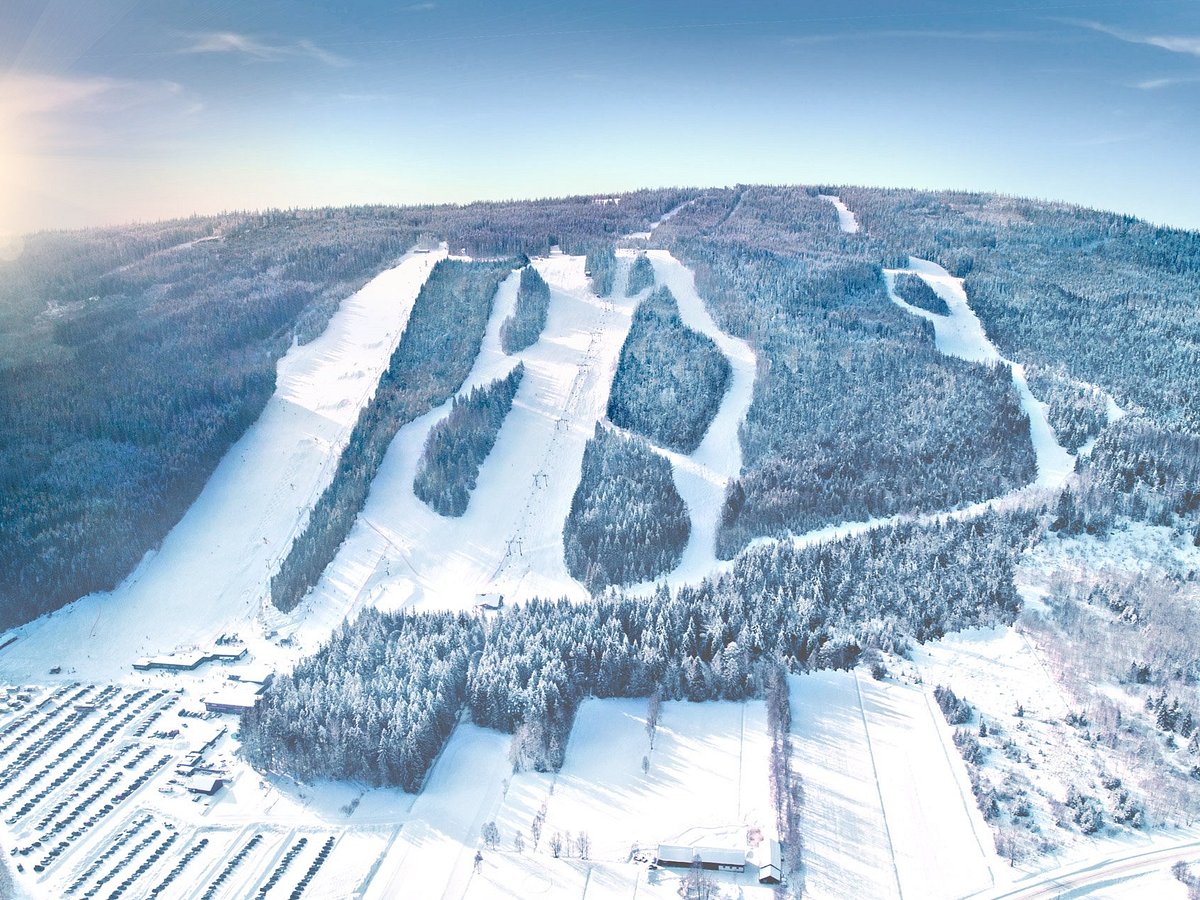
Värmland, Sweden
day pass
Opens in 37 days
published season date
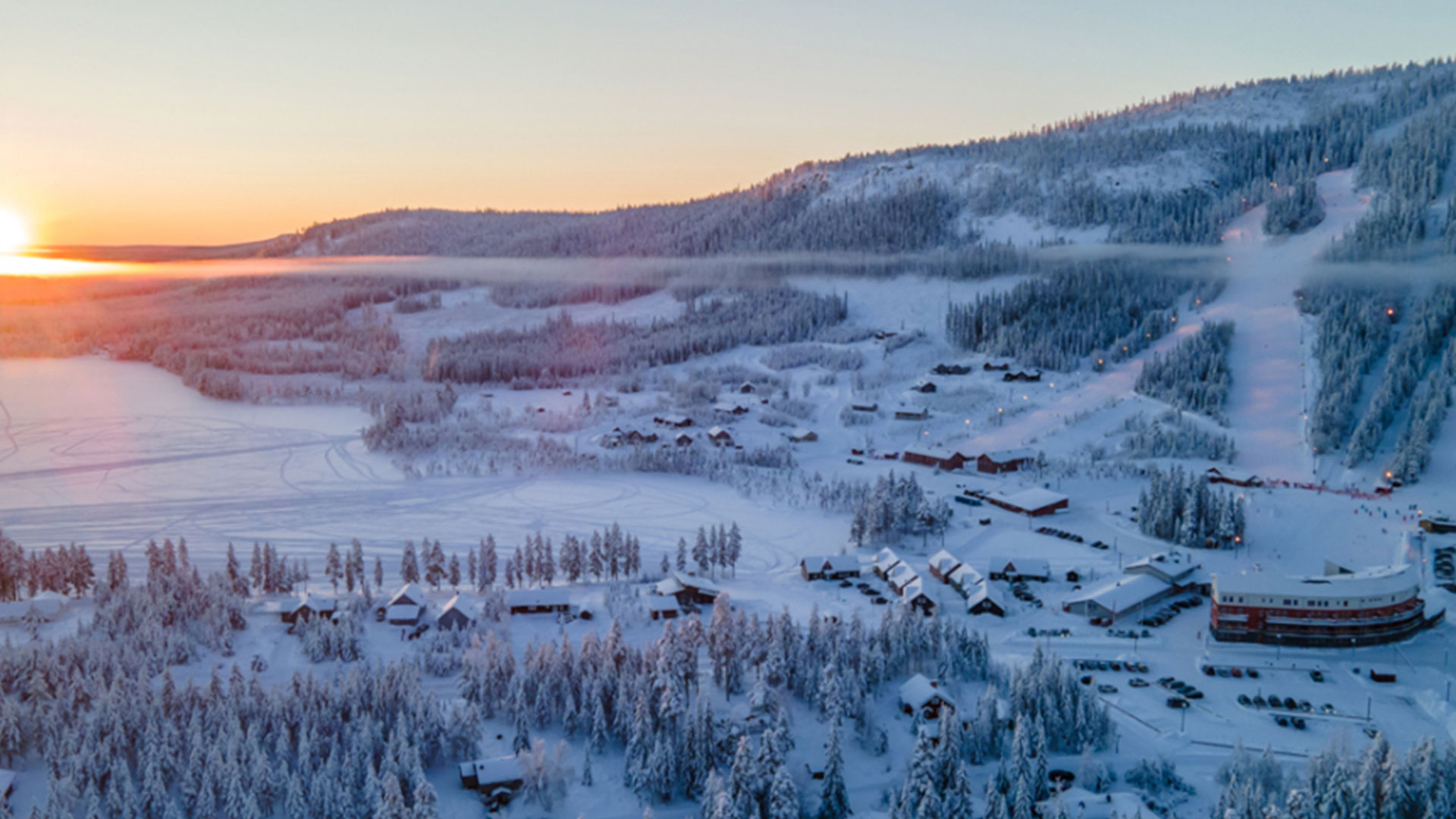
Vemdalen, Jämtland, Sweden
day pass
Opens in 29 days
published season date
The prime powder season in Sweden generally runs from mid-December through March. During this period, cold temperatures ensure light, dry snow, and consistent snowfall is common. However, unique opportunities exist both earlier and later. Resorts like Fjätervålen and Funäsdalen can offer good early-season powder from November, while Riksgränsen is famous for its late-season arctic powder, often extending into May. Always monitor local forecasts and snow reports for the best timing.
For dedicated powder and off-piste terrain, Fjätervålen is an excellent choice, explicitly categorized for off-piste and advanced skiers. Riksgränsen is legendary for its vast, open, and accessible off-piste, especially later in the season. Funäsdalen also lists 'off-piste' among its categories, indicating good options. While Åre is larger and more commercial, it also possesses significant advanced and off-piste areas that can hold powder well after a storm, particularly in its higher reaches.
Powder skiing in Sweden can be surprisingly budget-friendly compared to many alpine destinations. Resorts like Fjätervålen offer day passes around €40 and 6-day passes around €171, making them very accessible. Riksgränsen, despite its unique appeal, has day passes around €45. While larger resorts like Åre are more expensive (day pass around €70), many excellent options provide great value for powder enthusiasts. Consider resorts like Storlien, Hemavan, and Lofsdalen for even more budget-conscious choices.
Swedish resorts generally boast high snow reliability due to their northern latitude and consistent cold temperatures. This means that once snow falls, it tends to stay cold and dry, preserving its quality. While snow depths might not always match the deepest North American resorts, the quality of the powder is often exceptional. Resorts like Fjätervålen are even categorized as 'snow-sure,' indicating consistent conditions. The extended winter season, particularly in the north, further contributes to reliable powder opportunities.
Powder skiing in the Swedish Arctic, particularly at resorts like Riksgränsen, presents unique considerations. The season is often later, extending from late February into May, with the opportunity to ski under the midnight sun. The terrain is typically above the tree line, offering vast, open bowls and chutes. While stunning, this also means exposure to strong winds and rapidly changing weather. Backcountry knowledge and proper safety equipment are crucial. The snow quality is often light and dry, characteristic of arctic climates.