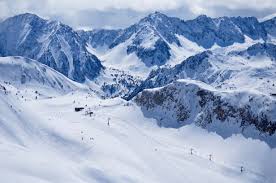
Baqueira-Beret
Catalonia, Spain
€69
day pass
Opens in 9 days
published season date
Our top picks for best ski resorts in spain 2027 are Baqueira-Beret, Cerler, Grandvalira, Boí Taüll and Formigal, ranked from live snow depth, verified 2026/27 lift-pass prices and confirmed opening dates.
Spain, often celebrated for its vibrant culture and sunny coastlines, also boasts impressive mountain ranges that offer a surprisingly robust heliskiing experience. While not as widely known for heliskiing as some alpine giants, the Pyrenees provide a unique blend of challenging terrain, breathtaking scenery, and a distinct cultural flavor. This guide focuses on maximizing your heliskiing adventure in Spain, considering the nuances of the season and specific resort access points, ensuring you find the perfect balance of powder, safety, and authentic Pyrenean charm.
Heliskiing in Spain is an exclusive pursuit, often leveraging the infrastructure of established ski resorts for access and logistics before venturing into untouched backcountry. This offers a convenient base for operations, allowing for comfortable stays and reliable transport. We'll delve into how different times of the ski season impact snow conditions, accessibility, and the overall experience, highlighting resorts like Baqueira-Beret and Cerler which are strategically located for such adventures, providing practical advice to plan your ultimate off-piste escapade in the Spanish mountains.
For early season heliskiing (late November to mid-December), prioritize areas known for early snow accumulation. While some resorts like Grandvalira open late November, prime heliskiing conditions typically build through December. Focus on operations based near resorts like Baqueira-Beret or Cerler, which open around December 6-12. Early season can offer light, dry powder in sheltered aspects, but be aware of variable snowpack stability and potential for limited terrain access due to insufficient base. Always consult local guides for current conditions.
Midwinter (January to late February) is generally the most reliable period for deep powder and stable snowpacks, ideal for heliskiing. The Pyrenees often receive significant snowfall during these months, opening up extensive terrain. Resorts like Baqueira-Beret and Cerler, known for their advanced terrain and off-piste potential, serve as excellent staging points for heliskiing operations, offering a strong base for logistics and comfortable accommodation. Expect premium conditions and potentially higher demand for guides and helicopters during this peak window.
Spring (March to mid-April) offers a different, yet equally rewarding, heliskiing experience. As temperatures rise, lower elevations soften, but high-altitude runs can provide perfect 'corn snow' – a delightful surface for carving. Resorts such as Vall de Núria and Port Ainé, though budget-friendly and family-oriented, are located in regions that can facilitate access to higher, more stable spring snowpacks. This period also often brings longer daylight hours and more predictable weather, enhancing the overall experience for advanced skiers seeking unique conditions.
Heliskiing is about accessing untouched terrain. Resorts like Baqueira-Beret, known for luxury, and Cerler, with its quiet, authentic feel and advanced/off-piste categories, are excellent choices for heliskiing bases. These areas naturally attract operations due to their challenging terrain and reliable snow. Focus on booking guides with extensive local knowledge of these regions to maximize your chances of finding the best snow and safest routes, especially when targeting the more challenging descents available mid-season.
While heliskiing is inherently premium, strategic planning can help. Consider late season (March-April) when demand might slightly decrease, or look for packages that combine heliskiing days with resort skiing. Although Grandvalira is listed as 'budget conscious' for resort skiing, heliskiing costs are separate. However, staying at more affordable resorts nearby, such as Port Ainé or Vall de Núria, can reduce overall trip expenses, allowing more budget for the heliskiing itself. Always confirm package inclusions and helicopter flight time.
Live prices and weather — click any resort to see the full forecast, lift status, and trail map.
Catalonia, Spain
day pass
Opens in 9 days
published season date
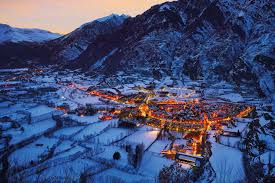
Aragón, Spain
day pass
Opens in 8 days
published season date
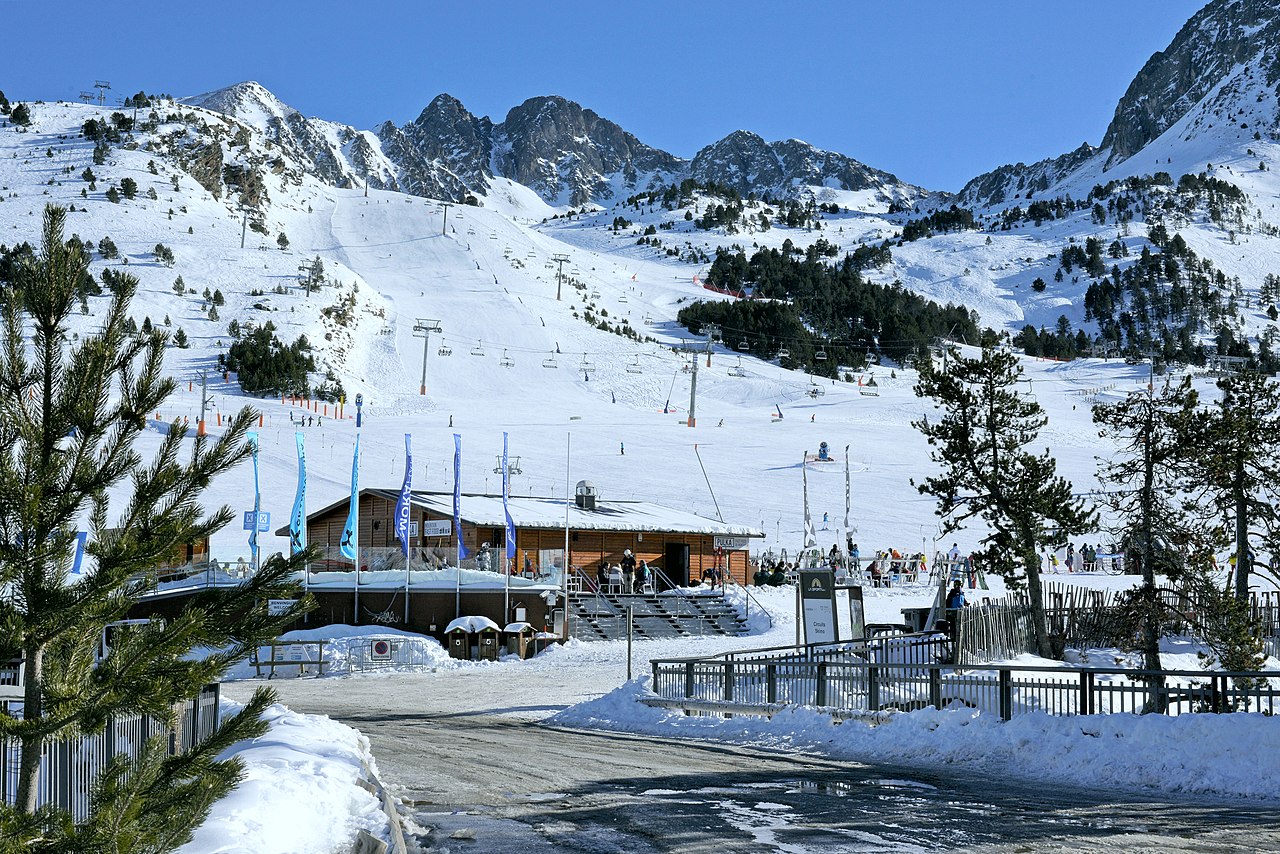
Andorra border, Spain
day pass
Opens in 15 days
published season date
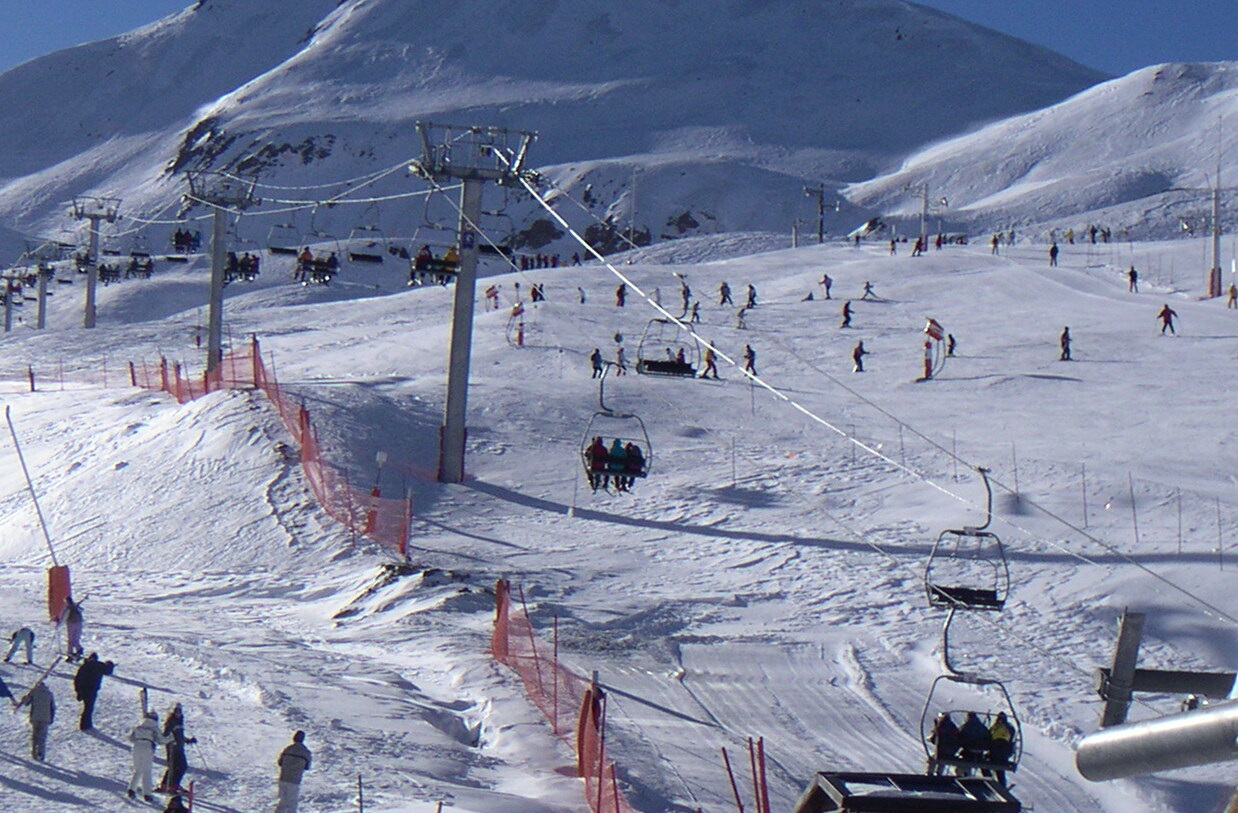
Catalonia, Spain
day pass
Opens in 15 days
published season date
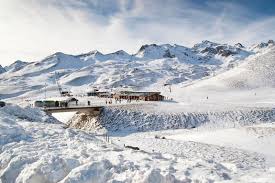
Aragon, Spain
day pass
Opens in 6 days
published season date
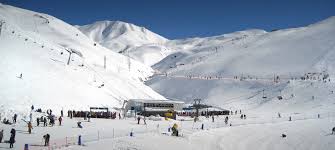
Aragón, Spain
day pass
Opens in 6 days
published season date
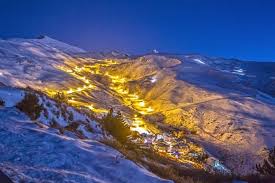
Andalusia, Spain
day pass
Opens in 8 days
published season date
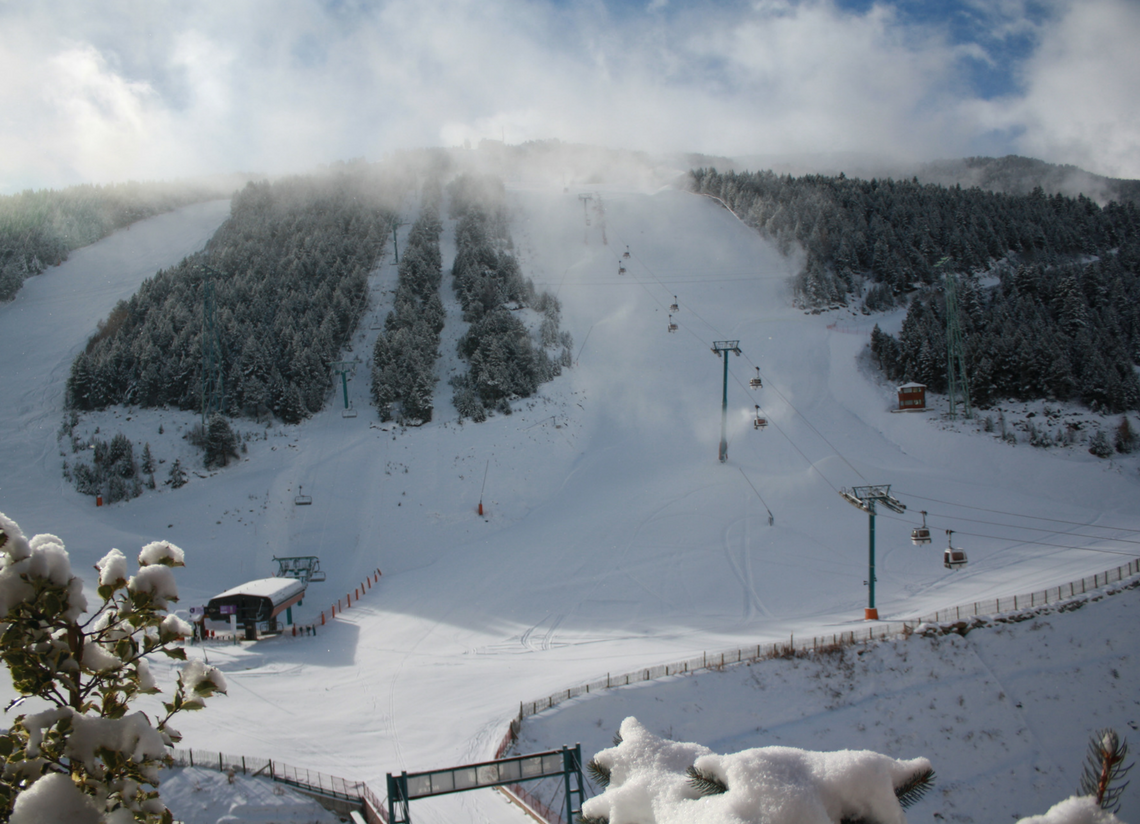
Andorra border, Spain
day pass
Opens in 15 days
published season date
Ripollès, Catalonia, Spain
day pass
Opens in 16 days
published season date
Aragon, Spain
day pass
Opens in 6 days
published season date
Catalonia, Spain
day pass
Snow report pending
updates in season
Aragón, Spain
day pass
Opens in 16 days
published season date
Pallars Sobirà, Catalonia, Spain
day pass
Opens in 16 days
published season date
Catalonia, Spain
day pass
Opens in 9 days
published season date
Castilla y León, Spain
day pass
Opens in 12 days
published season date
Catalonia, Spain
day pass
Opens in 12 days
published season date
Lleida, Spain
day pass
Opens in 16 days
published season date
Asturias, Spain
day pass
Opens in 16 days
published season date
Asturias, Spain
day pass
Opens in 16 days
published season date
León, Spain
day pass
Opens in 12 days
published season date
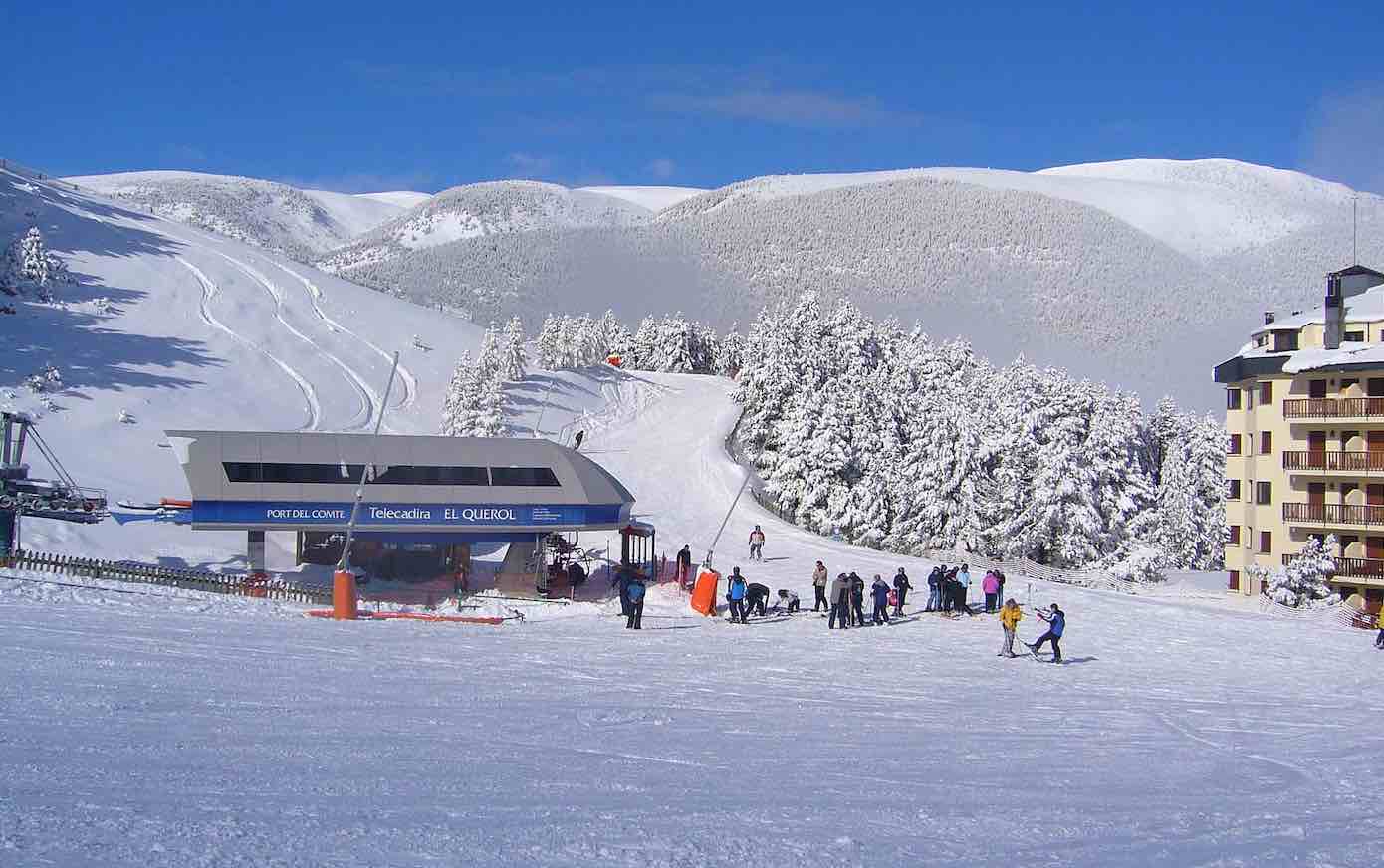
Solsonès, Catalonia, Spain
day pass
Opens in 16 days
published season date
Catalonia, Spain
day pass
Opens in 16 days
published season date
Cantabria, Spain
day pass
Opens in 16 days
published season date
Aragón, Spain
day pass
Opens in 30 days
published season date
The optimal period for heliskiing in the Spanish Pyrenees is typically from mid-January through late February. This midwinter window generally offers the most consistent and deepest powder conditions, alongside a more stable snowpack. Early season (December) can provide good powder but with variable base depths, while spring (March-April) is excellent for 'corn snow' and longer daylight hours, especially at higher altitudes. Resorts like Baqueira-Beret and Cerler, with seasons extending into April, provide excellent bases throughout these periods, offering reliable access to prime heliskiing zones.
Heliskiing in Spain is a premium experience, and costs can vary significantly based on the operator, number of drops, and duration. While resort day passes range from around €35 at La Covatilla to around €69 at Baqueira-Beret, heliskiing packages are separate and considerably higher. Expect to pay several hundred to over a thousand euros per person per day for guided heliskiing, which includes helicopter time, guide services, and safety equipment. Multi-day packages often offer better value. Always inquire about what's included, such as transfers, meals, and accommodation, when comparing prices.
While heliskiing operates in the backcountry, several resorts serve as excellent logistical hubs due to their location, infrastructure, and challenging terrain. Baqueira-Beret in Catalonia is a prime choice, known for its extensive terrain and luxury amenities, attracting top heliskiing operators. Cerler in Aragón, celebrated for its advanced skiing and off-piste options, is another strong contender. These resorts provide convenient access to the high Pyrenees, offering comfortable bases and experienced local guides. Grandvalira, though primarily in Andorra, also offers access to the wider Pyrenean heliskiing experience.
Heliskiing is generally recommended for advanced skiers and snowboarders. Participants must be comfortable skiing or riding in varied off-piste conditions, including deep powder, crud, and potentially steep, ungroomed terrain. While operators assess skill levels, a strong ability to control speed, make quick turns, and navigate challenging snow is crucial for safety and enjoyment. Resorts like Baqueira-Beret and Cerler, which cater to advanced skiers, are good places to hone your off-piste skills before embarking on a heliskiing adventure. Fitness is also important for multiple runs throughout the day.
Essential equipment for heliskiing includes powder skis or a snowboard, appropriate ski clothing, and a backpack. Safety gear, typically provided by the heliskiing operator, is mandatory and includes an avalanche transceiver, probe, shovel, and often an avalanche airbag. Operators also provide highly experienced mountain guides who are experts in snow safety, route finding, and emergency protocols. Before any heliskiing trip, a comprehensive safety briefing is conducted, covering avalanche awareness, helicopter safety, and backcountry procedures. Always follow your guide's instructions rigorously.