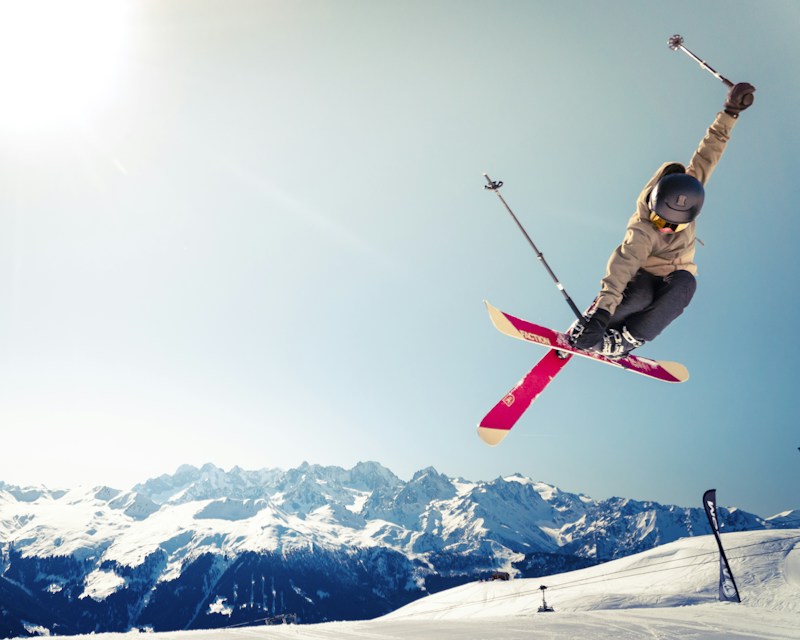
Myrkdalen
Voss, Vestland, Norway
€62
day pass
Opens in 8 days
published season date
Our top picks for best ski resorts in scandinavia 2027 are Myrkdalen, Fonna Glacier Ski Resort, Galdhøpiggen Sommerskisenter, Stryn Sommerski and Voss Resort, ranked from live snow depth, verified 2026/27 lift-pass prices and confirmed opening dates.
Scandinavia offers a unique blend of pristine natural beauty and a strong commitment to sustainability, making it an ideal destination for eco-conscious skiers. The region's resorts often prioritize renewable energy, waste reduction, and responsible land management, providing an authentic winter experience with minimal environmental impact. From the expansive fells of Sweden to the dramatic fjords of Norway and the serene forests of Finland, you'll find resorts that not only deliver excellent skiing but also align with values of environmental stewardship. This guide focuses on maximizing your sustainable ski trip, highlighting resorts that excel in both eco-practices and visitor experience.
Choosing a sustainable ski resort in Scandinavia means more than just enjoying the slopes; it's about supporting communities and practices that protect these delicate ecosystems. Many resorts integrate local produce into their dining, encourage public transport, and invest in energy-efficient infrastructure. This approach ensures that the stunning landscapes and reliable snow conditions can be enjoyed for generations to come. We’ve curated insights to help you plan a trip that is both exhilarating on the snow and mindful of its ecological footprint, ensuring every turn contributes to a greener future for winter sports.
For early season sustainable skiing, consider resorts that open in late November or early December, minimizing travel during peak holiday times. Idre Fjäll, opening November 30th, and Lofsdalen, opening November 28th, both in Sweden, are excellent choices. Opt for train travel where possible, and support local businesses upon arrival. Early season snow often allows for quieter slopes and a more intimate connection with the natural environment, perfect for a low-impact start to your ski year.
Midwinter (January-February) offers reliable snow and opportunities for budget-conscious, eco-friendly trips. Resorts like Kongsberg in Norway, with a 6-day pass around €91, and Ellivuori in Finland, at around €160, provide affordable options. These resorts often have smaller footprints and encourage carpooling or local transfers. Focus on packed lunches to reduce waste, and choose accommodations that advertise energy-saving initiatives, aligning your spending with sustainable practices during the core ski season.
Embrace spring skiing for a truly sustainable experience; warmer temperatures mean less energy consumption for snowmaking and lifts. Resorts with long seasons like Funäsdalen (until May 3rd) and Storlien (until May 4th) in Sweden are ideal. Enjoy longer daylight hours and often softer snow, reducing the need for artificial lighting. Many resorts offer spring pass deals, making it economical. Support local eateries that highlight seasonal, regional ingredients, further reducing your environmental impact.
Families can combine eco-consciousness with fun at resorts like Messilä in Finland or Kungsberget in Sweden. Both are listed as family-friendly and often promote sustainable activities, such as nature trails or wildlife viewing. Choose resorts that offer ski school programs focused on environmental education. Pack reusable water bottles and snacks, and inquire about recycling facilities. Opt for accommodations with self-catering options to reduce food waste and support local markets for groceries.
For off-piste enthusiasts, resorts like Narvik in Norway and Idre Fjäll in Sweden offer challenging terrain while emphasizing environmental respect. Always hire a local guide for off-piste excursions to ensure safety and minimize impact on sensitive areas. Stick to designated zones and avoid disturbing wildlife. Consider resorts with strong avalanche safety programs, which often correlate with a broader commitment to responsible mountain management. Pack out everything you pack in, leaving no trace behind.
Live prices and weather — click any resort to see the full forecast, lift status, and trail map.
Voss, Vestland, Norway
day pass
Opens in 8 days
published season date
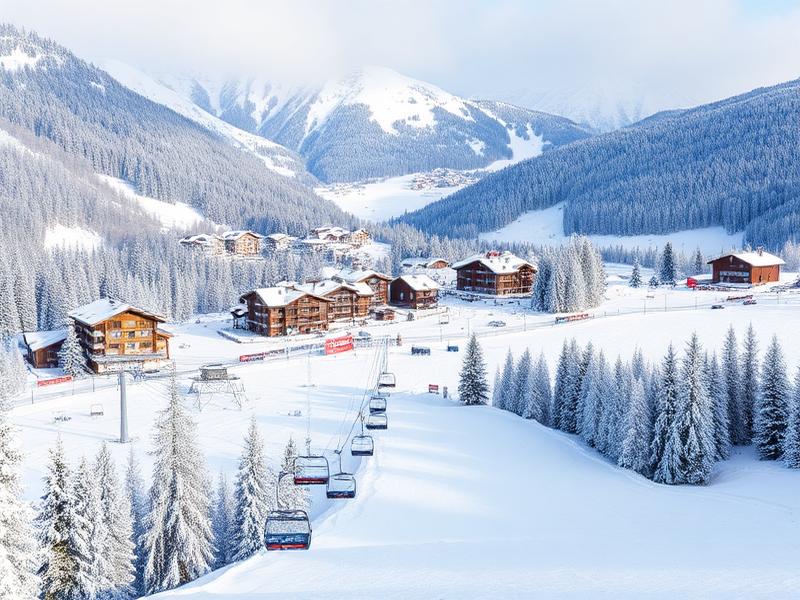
Kvinnherad, Vestland, Norway
day pass
Opens in 167 days
published season date
Lom, Innlandet, Norway
day pass
Opens in 167 days
published season date
Stryn, Vestland, Norway
day pass
Opens in 187 days
published season date
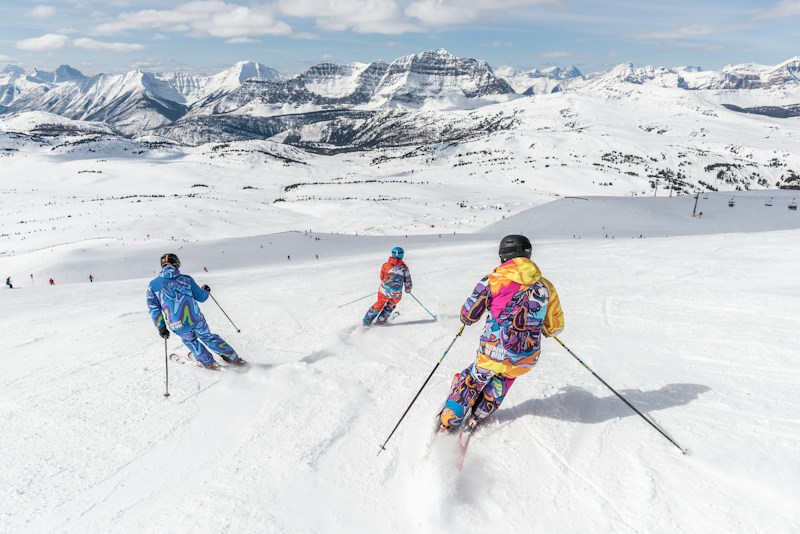
Voss, Vestland, Norway
day pass
Opens in 22 days
published season date
Målselv, Troms, Norway
day pass
Opens in 16 days
published season date
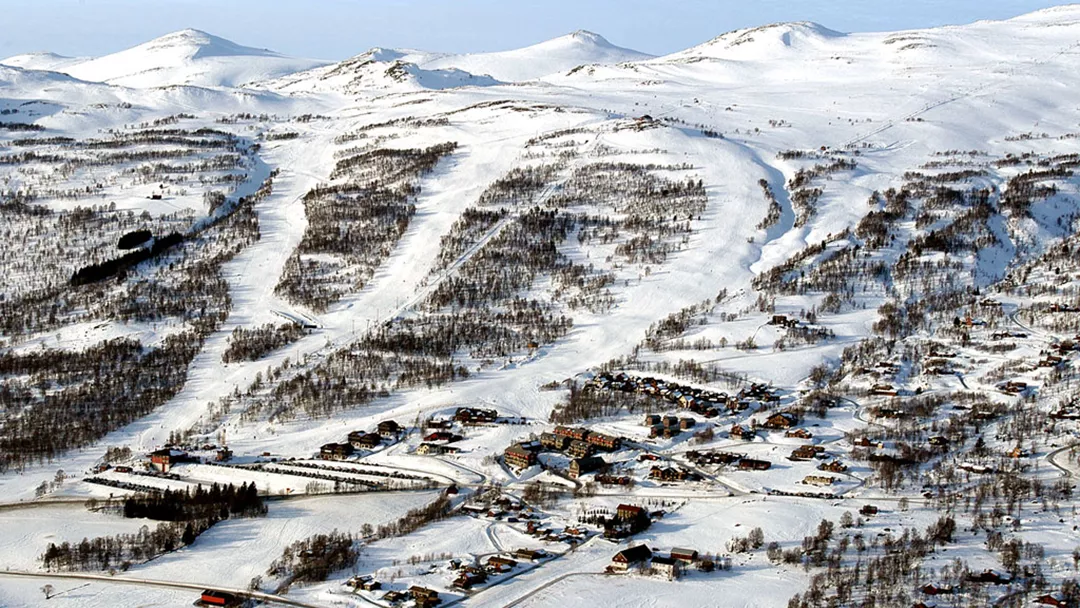
Trøndelag, Norway
day pass
Opens in 6 days
published season date
Jämtland, Sweden
day pass
Opens in 23 days
published season date
Kvam, Vestland, Norway
day pass
Opens in 23 days
published season date
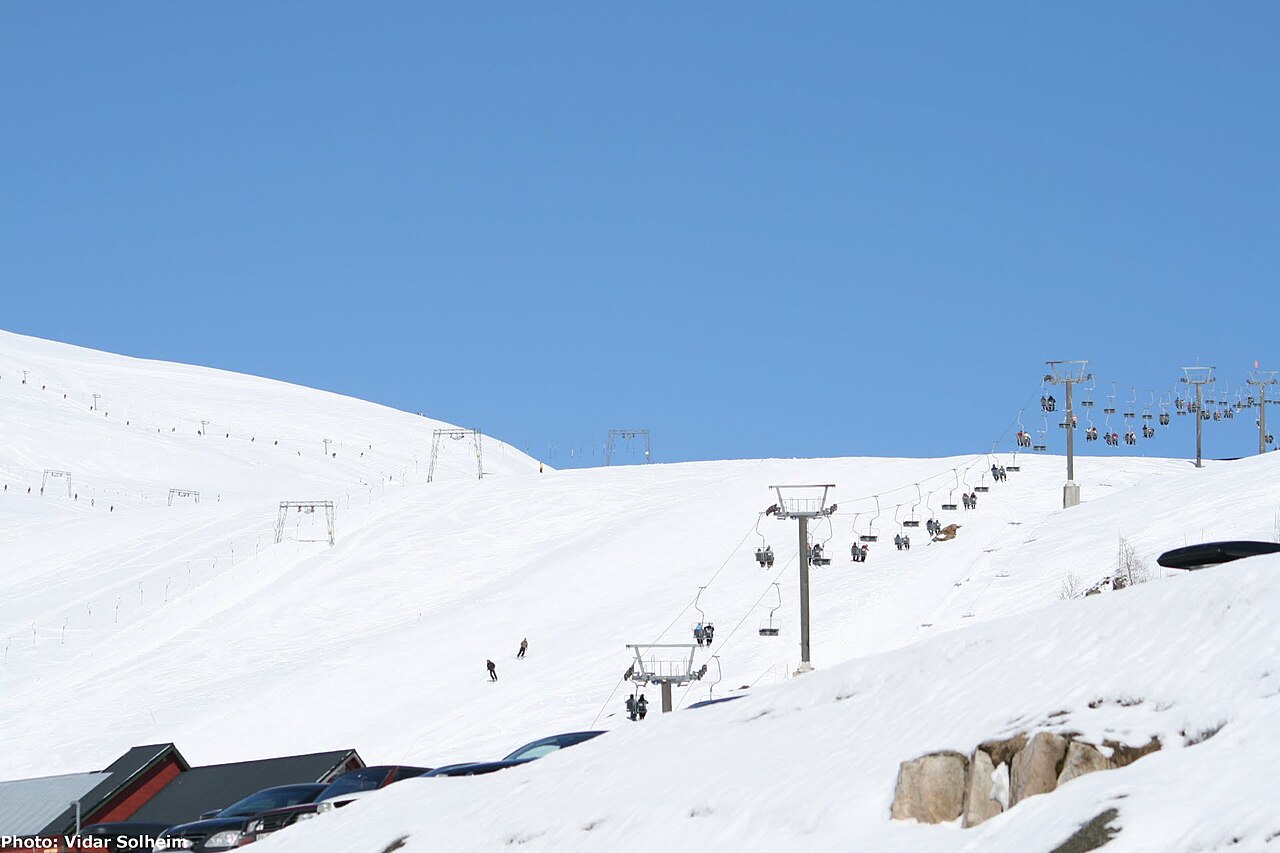
Rogaland, Norway
day pass
Opens in 37 days
published season date
Sauda, Rogaland, Norway
day pass
Opens in 6 days
published season date
Tromsø, Troms, Norway
day pass
Opens in 26 days
published season date
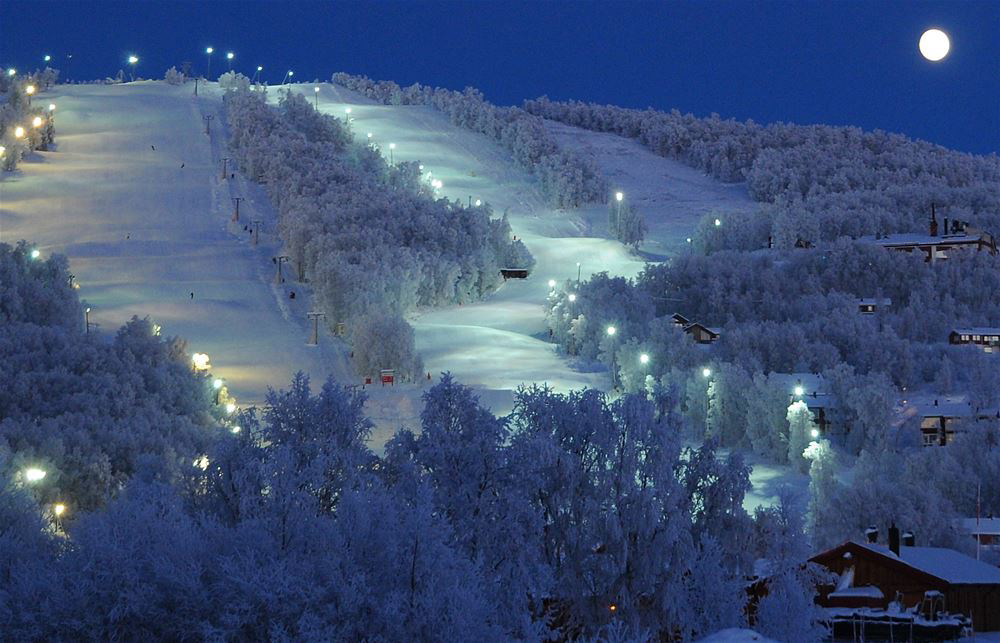
Västerbotten, Sweden
day pass
Opens in 8 days
published season date
Valdres, Innlandet, Norway
day pass
Opens in 16 days
published season date
Funäsdalen, Härjedalen, Sweden
day pass
Opens in 30 days
published season date
Stad, Vestland, Norway
day pass
Opens in 26 days
published season date
Rana, Nordland, Norway
day pass
Opens in 6 days
published season date
Nordland, Norway
day pass
Opens in 25 days
published season date
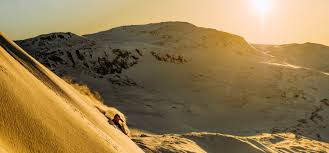
Lapland, Sweden
day pass
Opens in 91 days
published season date
Sirdal, Agder, Norway
day pass
Opens in 37 days
published season date
Sirdal, Agder, Norway
day pass
Opens in 37 days
published season date
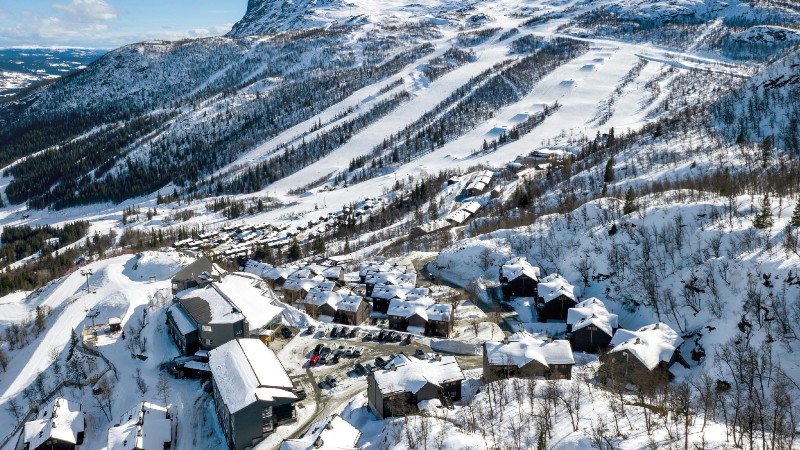
Buskerud, Norway
day pass
Opens in 22 days
published season date
Lesja, Innlandet, Norway
day pass
Opens in 5 days
published season date
Bodø, Nordland, Norway
day pass
Opens in 47 days
published season date
For optimal snow conditions and a more tranquil, sustainable experience, target the shoulder seasons. Early December and late March/early April often provide reliable snow without the peak holiday crowds, reducing your environmental impact related to congestion and resource use. Resorts like Funäsdalen and Storlien offer exceptionally long seasons extending into May, allowing for spring skiing. Mid-January to mid-February also sees good snow, but can be colder and slightly busier. Always check individual resort opening and closing dates, as these can vary slightly year to year based on snow conditions.
Not necessarily. While some eco-friendly initiatives might incur costs, many Scandinavian resorts, especially those listed here, are budget-conscious options. For example, Kongsberg in Norway offers a 6-day pass around €91, and Ellivuori in Finland is around €160. Many sustainable practices, like energy efficiency or local sourcing, can actually lead to cost savings for resorts, which may be passed on to visitors. Focus on resorts that are transparent about their sustainability efforts and also fit your budget, such as Lofsdalen or Kungsberget, both offering affordable 6-day passes around €180.
When selecting a sustainable resort, look for commitments to renewable energy sources, comprehensive recycling programs, and efficient snowmaking technologies. Resorts that prioritize local and organic food sourcing in their restaurants, offer public transport links, and have clear policies on waste reduction are excellent choices. Some resorts actively participate in environmental certifications or carbon offset programs. Also, consider resorts that invest in environmental education for guests and staff, demonstrating a holistic approach to sustainability beyond just basic compliance.
To minimize your carbon footprint, prioritize train travel over flying, especially for inter-country journeys within Scandinavia. Once at your destination, utilize resort shuttle services, local buses, or carpool with other guests. Choose accommodations that are centrally located or offer good public transport access to the slopes. Pack light to reduce fuel consumption during travel, and opt for a longer stay rather than multiple short trips. Supporting resorts like Idre Fjäll or Narvik, which are often accessible by a combination of train and bus, can significantly reduce your environmental impact.
Absolutely. Many Scandinavian resorts excel in both sustainability and catering to beginners and families. Messilä in Finland and Kungsberget in Sweden are excellent examples, offering gentle slopes and dedicated learning areas. These resorts often have a more relaxed atmosphere, which naturally encourages a slower, more mindful pace. Look for resorts that emphasize nature-based activities beyond skiing, such as snowshoeing or cross-country trails (like Storlien), which are inherently low-impact. Choosing resorts with comprehensive family programs often means they are also invested in maintaining a healthy, safe, and sustainable environment for future generations.