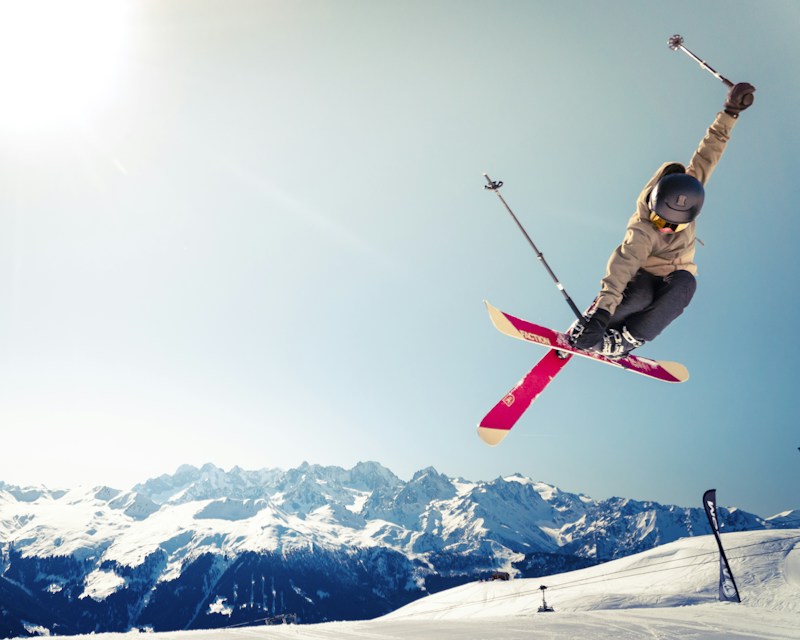
Myrkdalen
Voss, Vestland, Norway
€62
day pass
Opens in 8 days
published season date
Our top picks for best ski resorts at high altitude in scandinavia 2027 are Myrkdalen, Fonna Glacier Ski Resort, Galdhøpiggen Sommerskisenter, Stryn Sommerski and Voss Resort, ranked from live snow depth, verified 2026/27 lift-pass prices and confirmed opening dates.
Scandinavia offers a unique high-altitude skiing experience, distinct from the Alps or Rockies. While peak elevations might be lower, the high latitudes mean exceptional snow reliability and extended seasons, often stretching into the summer months. This guide focuses on resorts that leverage their elevation for optimal conditions, whether for early-season powder, mid-winter stability, or late-spring glacier skiing. Understanding the nuances of Scandinavia's high-altitude terrain is key to planning a successful trip, offering everything from challenging off-piste to family-friendly slopes, all set against breathtaking Nordic landscapes.
The resorts highlighted here are chosen for their consistent snow records and varied offerings, catering to different preferences and skill levels. From the extensive off-piste opportunities at Myrkdalen to the unique summer skiing at Fonna Glacier and Galdhøpiggen, high-altitude Scandinavian destinations provide diverse options. We'll explore how to best utilize these elevated locations throughout the ski season, considering factors like snow quality, resort accessibility, and specific activities, ensuring you make informed choices for your high-altitude Scandinavian ski adventure.
For reliable early-season snow, target resorts known for their elevation and cold temperatures. Myrkdalen, opening late November, is a prime example, often benefiting from significant early snowfall due to its location. Similarly, Oppdal, also opening late November, offers snow-sure conditions and advanced terrain early in the season. These resorts provide a solid base for powder and off-piste adventures before many lower-altitude options are fully operational, ensuring excellent conditions from the outset.
Mid-winter (December to March) is ideal for deep powder and challenging off-piste at high-altitude Scandinavian resorts. Myrkdalen is renowned for its powder and off-piste access, consistently delivering excellent conditions through the core winter months. Oppdal also stands out for advanced skiers seeking off-piste terrain and snow-sure conditions. For those looking for a truly wild experience, Røldal offers advanced off-piste opportunities, often with significant snowfall, making it a top choice for experienced skiers during peak winter.
Embrace the extended season with spring skiing, especially at glacier resorts. From May, Fonna Glacier Ski Resort, Galdhøpiggen Sommerskisenter, and Stryn Sommerski open for unique summer skiing experiences. These high-altitude glaciers offer freestyle parks and scenic runs well into August or September, long after other resorts have closed. This provides a distinct opportunity to ski under the Midnight Sun, making for memorable trips focused on glacier-skiing and summer-skiing.
High-altitude doesn't mean sacrificing family amenities. Voss Resort, open from late November to late April, is an excellent choice for families, offering slopes for beginners and intermediates. Oppdal also caters well to families, providing diverse terrain alongside advanced options. For a budget-conscious family trip with cross-country options, Storlien in Sweden, open from late November, offers a good value proposition, ensuring a fun and accessible high-altitude experience for all ages.
For those mindful of budget, high-altitude Scandinavian skiing can still be accessible. Storlien, with a day pass around €39 and a 6-day pass around €165, offers one of the most economical options for a full winter season. Målselv Fjellandsby, while further north, provides good value with a day pass around €43 and a 6-day pass around €210, alongside unique arctic experiences and ski-touring. These resorts prove that excellent high-altitude skiing doesn't always require a premium price tag.
Live prices and weather — click any resort to see the full forecast, lift status, and trail map.
Voss, Vestland, Norway
day pass
Opens in 8 days
published season date
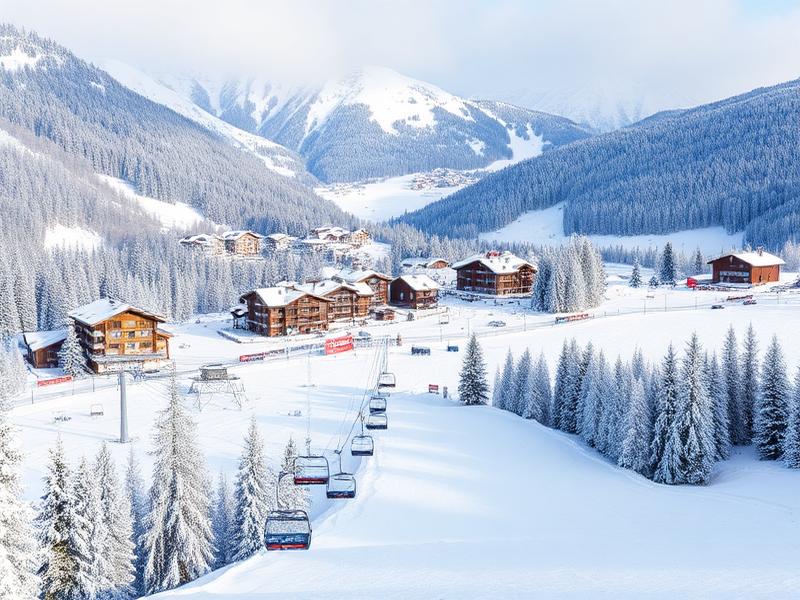
Kvinnherad, Vestland, Norway
day pass
Opens in 167 days
published season date
Lom, Innlandet, Norway
day pass
Opens in 167 days
published season date
Stryn, Vestland, Norway
day pass
Opens in 187 days
published season date
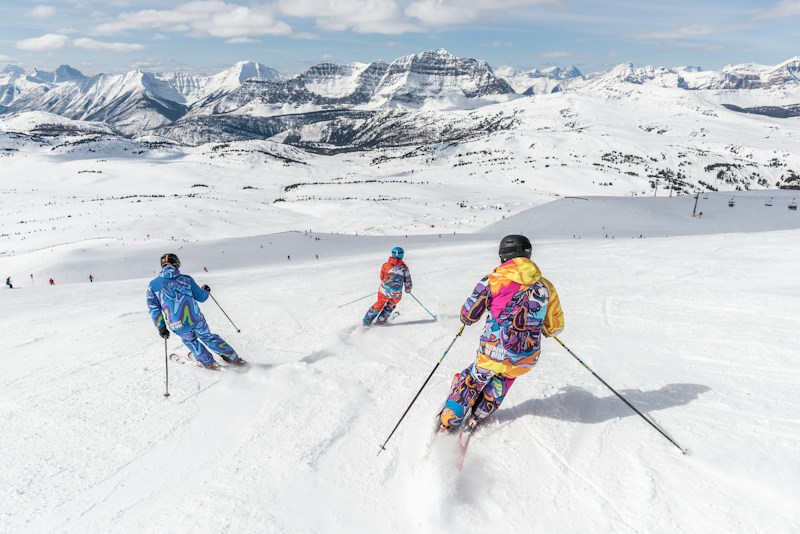
Voss, Vestland, Norway
day pass
Opens in 22 days
published season date
Målselv, Troms, Norway
day pass
Opens in 16 days
published season date
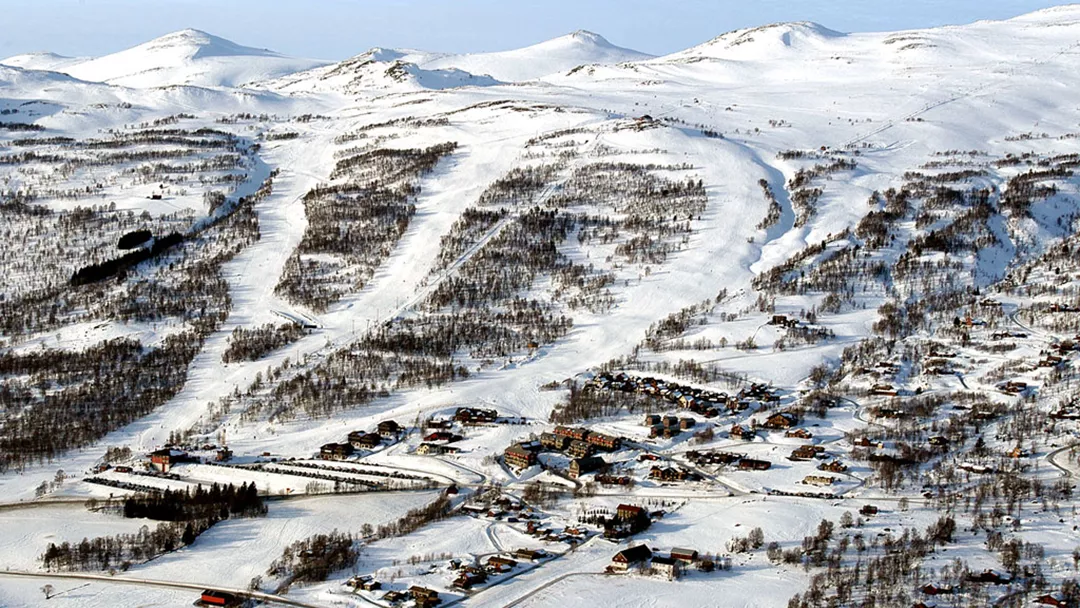
Trøndelag, Norway
day pass
Opens in 6 days
published season date
Jämtland, Sweden
day pass
Opens in 23 days
published season date
Kvam, Vestland, Norway
day pass
Opens in 23 days
published season date
Rogaland, Norway
day pass
Opens in 37 days
published season date
Sauda, Rogaland, Norway
day pass
Opens in 6 days
published season date
Tromsø, Troms, Norway
day pass
Opens in 26 days
published season date
Västerbotten, Sweden
day pass
Opens in 8 days
published season date
Valdres, Innlandet, Norway
day pass
Opens in 16 days
published season date
Funäsdalen, Härjedalen, Sweden
day pass
Opens in 30 days
published season date
Stad, Vestland, Norway
day pass
Opens in 26 days
published season date
Rana, Nordland, Norway
day pass
Opens in 6 days
published season date
Nordland, Norway
day pass
Opens in 25 days
published season date
Lapland, Sweden
day pass
Opens in 91 days
published season date
Sirdal, Agder, Norway
day pass
Opens in 37 days
published season date
Sirdal, Agder, Norway
day pass
Opens in 37 days
published season date
Buskerud, Norway
day pass
Opens in 22 days
published season date
Lesja, Innlandet, Norway
day pass
Opens in 5 days
published season date
Bodø, Nordland, Norway
day pass
Opens in 47 days
published season date
In Scandinavia, 'high-altitude' refers more to latitude and local topography than sheer peak elevation, which is typically lower than in the Alps. The northern location results in colder temperatures and more consistent snowfall, meaning resorts at moderate elevations often enjoy snow reliability comparable to much higher resorts elsewhere. For instance, resorts like Myrkdalen and Oppdal, while not reaching extreme heights, benefit from their regional climate to offer extensive, snow-sure seasons. This distinction is crucial for understanding why Scandinavian 'high-altitude' skiing delivers such reliable winter conditions and extended seasons, including summer glacier opportunities.
Optimal snow conditions at Scandinavian high-altitude resorts vary by season. For early-season powder and a long winter, late November through March is ideal, with resorts like Myrkdalen and Oppdal offering excellent snow-sure conditions. Mid-winter (December-February) provides the deepest snow. For unique spring skiing and glacier experiences, May to August is prime. Fonna Glacier Ski Resort and Galdhøpiggen Sommerskisenter open in May and can run into August/September, offering summer skiing. Planning depends on whether you seek fresh powder, stable winter conditions, or a summer ski adventure.
Absolutely. Many high-altitude Scandinavian resorts are very family-friendly and cater to beginners. Voss Resort, for example, is specifically categorized for beginners, intermediates, and families, with a season running from late November to late April. Storlien in Sweden is another excellent budget-conscious option for families and beginners, also open from late November. These resorts often feature dedicated learning areas, gentle slopes, and a relaxed atmosphere, ensuring a positive experience for new skiers and children, despite their high-altitude designation.
The cost for a high-altitude Scandinavian ski trip can vary significantly. Day passes typically range from around €39 to €62, with 6-day passes falling between approximately €165 and €320. For example, Storlien offers a 6-day pass around €165, while Myrkdalen is around €320. Summer glacier resorts like Fonna and Galdhøpiggen are slightly less expensive, with 6-day passes around €255-€265. These prices cover lift access, but accommodation, food, and other activities will add to the overall budget. Scandinavia is generally more expensive than some other ski regions, but options like Storlien offer better value.
Yes, summer skiing is a unique and popular offering at several high-altitude Scandinavian resorts. Fonna Glacier Ski Resort, Galdhøpiggen Sommerskisenter, and Stryn Sommerski are prime examples, all opening their seasons in May and running through August or even September. These resorts leverage their glacier locations to provide skiing during the warmer months, often featuring freestyle parks and stunning scenic runs. This allows for an extended ski season, offering a distinct experience from traditional winter skiing, often under bright, long daylight hours, and is a major draw for those seeking year-round snow.