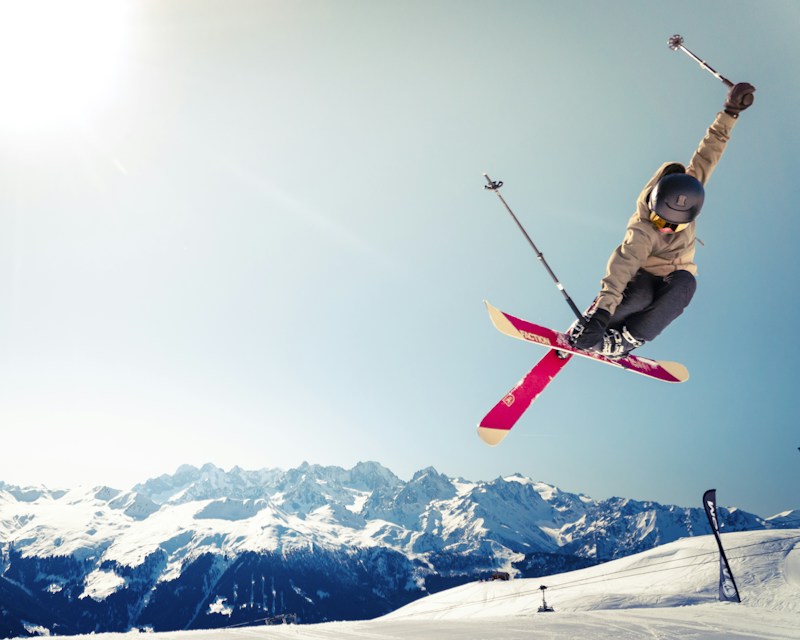
Myrkdalen
Voss, Vestland, Norway
€62
day pass
Opens in 8 days
published season date
Our top picks for best ski resorts in norway 2027 are Myrkdalen, Fonna Glacier Ski Resort, Galdhøpiggen Sommerskisenter, Stryn Sommerski and Voss Resort, ranked from live snow depth, verified 2026/27 lift-pass prices and confirmed opening dates.
Norway offers an exceptional environment for adaptive and inclusive skiing, with many resorts actively supporting skiers of all abilities. This guide focuses on destinations that provide dedicated services, accessible infrastructure, and a welcoming atmosphere, ensuring a fulfilling experience for everyone. From specialized equipment rental to tailored instruction, Norwegian resorts are increasingly recognizing the importance of making the slopes accessible. Understanding the seasonal variations in conditions and resort offerings is key to planning a successful adaptive ski trip, whether you're seeking early season calm or late spring sunshine.
When selecting a resort for adaptive skiing in Norway, consider factors beyond just snow quality, such as the availability of adaptive ski schools, specialized equipment, and accessible accommodation. Many resorts, particularly those catering to families and beginners, naturally possess features that benefit adaptive skiers, including gentle slopes and well-maintained facilities. Our curated list highlights resorts known for their commitment to inclusivity, providing practical advice to help you navigate your choices. We'll delve into specific resorts and their offerings, ensuring your adaptive ski holiday in Norway is both enjoyable and well-prepared.
For adaptive skiers seeking focused instruction, the early season offers quieter slopes and dedicated attention. Resorts like Kongsberg, opening early December, are excellent choices for beginners, providing a less crowded environment to learn and practice. This period allows adaptive ski schools to offer more personalized sessions without the mid-winter rush, ensuring a calm and supportive learning experience before the peak holiday periods begin.
Mid-winter provides reliable snow conditions perfect for family adaptive ski trips. Resorts such as Geilo and Hafjell, both known for their family-friendly categories, are ideal. They offer a good mix of gentle slopes and accessible facilities, ensuring all family members can enjoy the experience together. Check for specific adaptive programs and equipment availability in advance to secure your spot during this popular period.
As spring approaches, resorts like Myrkdalen, with its extended season into May and reputation for powder, can be fantastic for advanced adaptive skiers. The softer snow and longer daylight hours create excellent conditions for exploring off-piste areas with appropriate guidance. Even beginners can enjoy the warmer temperatures and forgiving snow, making it an ideal time for progression in a comfortable setting.
Adaptive skiing doesn't have to break the bank. Resorts like Narvik and Sogn offer competitive day and 6-day pass prices, making them excellent choices for budget-conscious adaptive skiers. With day passes around €41 and €38 respectively, these resorts provide access to a full range of slopes, including options for beginners and advanced skiers, ensuring a quality experience without excessive cost.
For advanced adaptive skiers looking for a challenge, Oppdal and Myrkdalen stand out. Both are categorized for advanced skiers and off-piste opportunities, with seasons extending well into spring. These resorts offer varied terrain and reliable snow, allowing adaptive skiers with specialized equipment and guides to explore more demanding slopes and even powder stashes, particularly during late winter and early spring.
Live prices and weather — click any resort to see the full forecast, lift status, and trail map.
Voss, Vestland, Norway
day pass
Opens in 8 days
published season date
Kvinnherad, Vestland, Norway
day pass
Opens in 167 days
published season date
Lom, Innlandet, Norway
day pass
Opens in 167 days
published season date
Stryn, Vestland, Norway
day pass
Opens in 187 days
published season date
Voss, Vestland, Norway
day pass
Opens in 22 days
published season date
Målselv, Troms, Norway
day pass
Opens in 16 days
published season date
Trøndelag, Norway
day pass
Opens in 6 days
published season date
Kvam, Vestland, Norway
day pass
Opens in 23 days
published season date
Rogaland, Norway
day pass
Opens in 37 days
published season date
Sauda, Rogaland, Norway
day pass
Opens in 6 days
published season date
Tromsø, Troms, Norway
day pass
Opens in 26 days
published season date
Valdres, Innlandet, Norway
day pass
Opens in 16 days
published season date
Stad, Vestland, Norway
day pass
Opens in 26 days
published season date
Rana, Nordland, Norway
day pass
Opens in 6 days
published season date
Nordland, Norway
day pass
Opens in 25 days
published season date
Sirdal, Agder, Norway
day pass
Opens in 37 days
published season date
Sirdal, Agder, Norway
day pass
Opens in 37 days
published season date
Buskerud, Norway
day pass
Opens in 22 days
published season date
Lesja, Innlandet, Norway
day pass
Opens in 5 days
published season date
Bodø, Nordland, Norway
day pass
Opens in 47 days
published season date
Buskerud, Norway
day pass
Opens in 9 days
published season date
Møre og Romsdal, Norway
day pass
Opens in 16 days
published season date
Buskerud, Norway
day pass
Opens in 16 days
published season date
Hedmark, Norway
day pass
Opens in 8 days
published season date
The best time for adaptive skiing in Norway depends on your preferences. Early season (late November to mid-December) offers quieter slopes and more personalized instruction, ideal for beginners or those seeking focused learning. Mid-winter (January to March) provides the most reliable snow conditions and vibrant resort atmospheres, suitable for families. Spring (April to May) brings warmer weather, softer snow, and longer daylight hours, which can be excellent for advanced adaptive skiers or those looking for a more relaxed experience. Resorts like Myrkdalen and Oppdal offer extended spring seasons, ensuring good conditions well into May.
Many Norwegian ski resorts are increasingly focusing on accessibility for adaptive skiers. Resorts categorized as 'Families' or 'Beginners' often have gentler slopes, well-maintained facilities, and accessible amenities that benefit adaptive skiers. It's crucial to contact resorts directly or check their websites for specific information on adaptive ski schools, equipment rental (e.g., sit-skis), accessible accommodation, and lift access. Resorts like Geilo, Hafjell, and Voss Resort are known for their family-friendly environments, which often translates to better overall accessibility. Always confirm specific adaptive services in advance of your trip.
The costs for adaptive skiing in Norway can vary. Day passes generally range from around €33 to €62, with 6-day passes from approximately €91 to €320. Resorts like Jølster and Sogn offer some of the most budget-friendly options, with day passes around €33 and €38 respectively. Beyond lift tickets, consider costs for specialized adaptive equipment rental, which may be higher than standard gear, and adaptive ski instruction, often requiring private lessons. Booking in advance and inquiring about any adaptive discounts or packages can help manage expenses. Travel and accommodation costs will also factor into your overall budget.
While many Norwegian resorts are inclusive, some stand out for their adaptive ski programs. Resorts that cater strongly to families and beginners, such as Geilo, Hafjell, and Voss Resort, often have the infrastructure and instructors to support adaptive skiers. However, specific adaptive programs and equipment availability can vary significantly. It is highly recommended to contact the ski schools at your chosen resort directly to inquire about their adaptive offerings, including specialized instructors, sit-ski availability, and tailored lessons. Resorts with a strong community focus, like Kongsberg, may also offer excellent, supportive environments for adaptive learners.
Norwegian resorts that cater to adaptive skiing typically offer a range of specialized equipment, including sit-skis (mono-skis and bi-skis) for those with lower limb mobility impairments, and outriggers for balance. Some may also offer adaptive snowboards or specialized guides for visually impaired skiers. Instruction is usually provided by certified adaptive ski instructors who are trained to teach various adaptive techniques. It's essential to pre-book both equipment and instruction, especially during peak season, to ensure availability. Resorts with comprehensive ski schools, often found at larger destinations or those focused on families, are more likely to have a wider array of adaptive services.