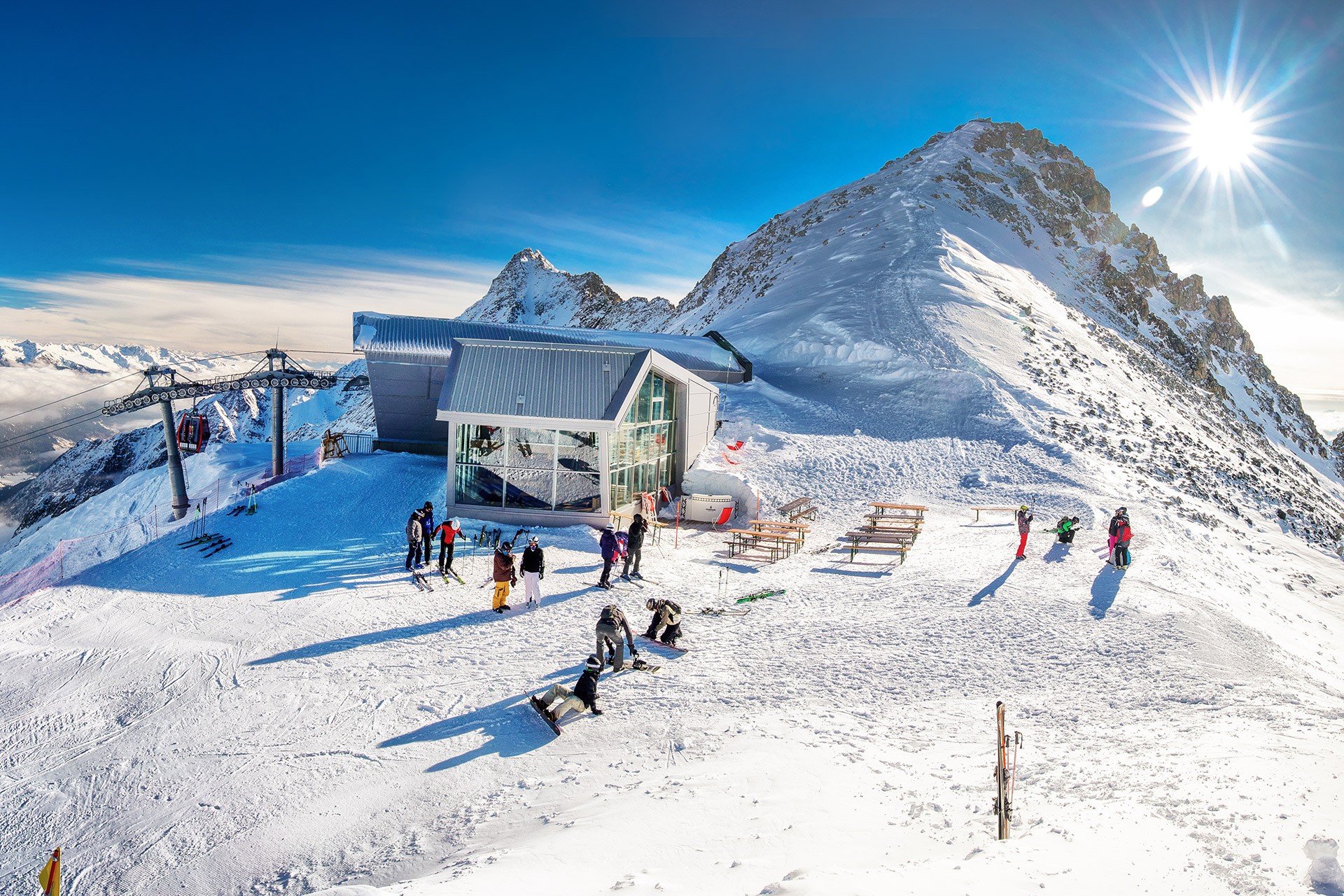
Ponte di Legno-Tonale
Lombardy-Trentino, Italy
€70
day pass
Opens in 15 days
published season date
Our top picks for best ski resorts at high altitude in italy 2027 are Ponte di Legno-Tonale, Alagna Valsesia, Passo Tonale, Monterosa Ski and Breuil-Cervinia, ranked from live snow depth, verified 2026/27 lift-pass prices and confirmed opening dates.
Italy's high-altitude ski resorts offer an unparalleled experience, blending breathtaking alpine scenery with reliable snow conditions. These elevated destinations, often reaching well over 2,000 meters, provide a longer ski season and a greater chance of pristine powder, even when lower resorts are struggling. From the dramatic peaks of the Aosta Valley to the expansive terrain of Lombardy and Trentino, Italian high-altitude skiing caters to a diverse range of preferences, from challenging freeride zones to gentle glacier slopes suitable for beginners. Understanding the nuances of each resort and the best times to visit is key to maximizing your high-alpine adventure.
Choosing a high-altitude resort in Italy means prioritizing snow security and an extended season. Many of these resorts are interconnected, offering vast ski domains and varied terrain. Whether you're seeking the extensive slopes of Breuil-Cervinia, the off-piste challenges of Alagna Valsesia, or the family-friendly glaciers of Passo Tonale, the options are rich and rewarding. This guide focuses on maximizing your experience at these elevated Italian gems, providing seasonal advice and practical insights to help you plan your ideal high-altitude ski trip, ensuring you make the most of Italy's stunning mountain landscapes and reliable snowpack.
For reliable early-season skiing, target resorts with glacier access. Breuil-Cervinia and Passo Tonale, both opening in late October/early November, offer excellent snow security thanks to their high-altitude and glacier skiing categories. Their extended seasons, stretching into May, make them prime choices for getting your ski legs under you before the main winter rush, often with fewer crowds and crisp conditions.
Midwinter (late December to February) is ideal for deep powder and challenging terrain at high-altitude. Alagna Valsesia and Monterosa Ski are renowned for their off-piste and freeride opportunities during this period. With reliable snow depths, advanced skiers can explore vast, untracked areas. Courmayeur also shines for advanced skiers and off-piste enthusiasts in these prime months.
Embrace spring skiing from March through April at resorts like Breuil-Cervinia or Livigno. The days are longer, the sun is warmer, and the snow often softens into enjoyable corn snow. Look for resorts with south-facing slopes for comfortable sunbathing and extended lunch breaks on mountain terraces, combining excellent skiing with a relaxed atmosphere before the season concludes.
For budget-conscious travelers seeking high-altitude value, consider Madesimo or Santa Caterina Valfurva. Their 6-day passes are around €240 and €225 respectively, offering significant savings compared to larger resorts. Even Passo Tonale provides good value with a 6-day pass around €305. These resorts provide excellent snow conditions without the premium price tag, particularly during mid-season.
To maximize your time on the snow, target resorts with the longest seasons. Ponte di Legno-Tonale, Passo Tonale, and Breuil-Cervinia all boast seasons extending from late October/November through early May. This allows for both early-bird trips and late-season spring skiing, ensuring you can find snow when many other resorts have already closed for the year, thanks to their high elevation and glacier access.
Live prices and weather — click any resort to see the full forecast, lift status, and trail map.
Lombardy-Trentino, Italy
day pass
Opens in 15 days
published season date
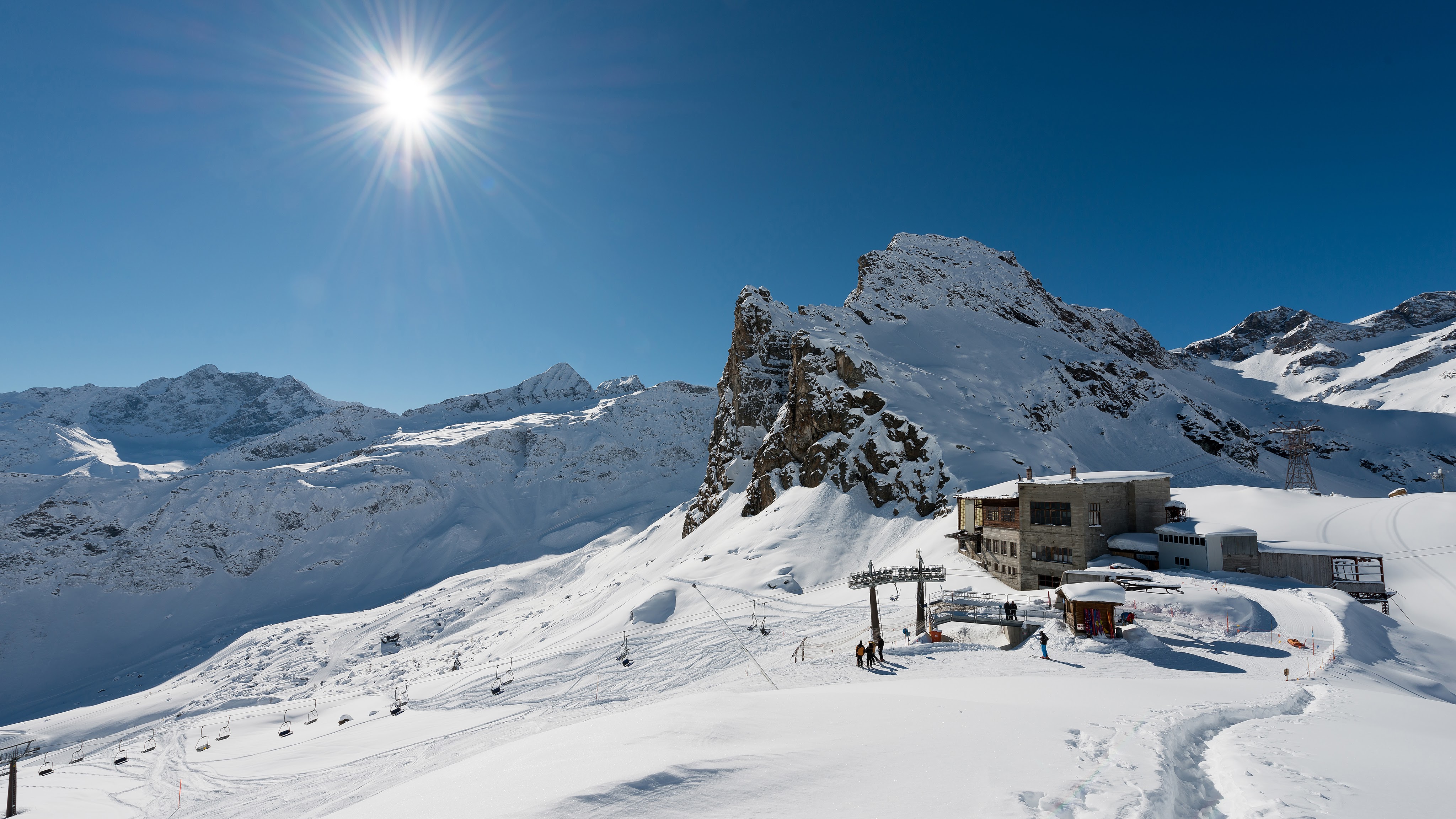
Monte Rosa, Piedmont, Italy
day pass
Opens in 9 days
published season date
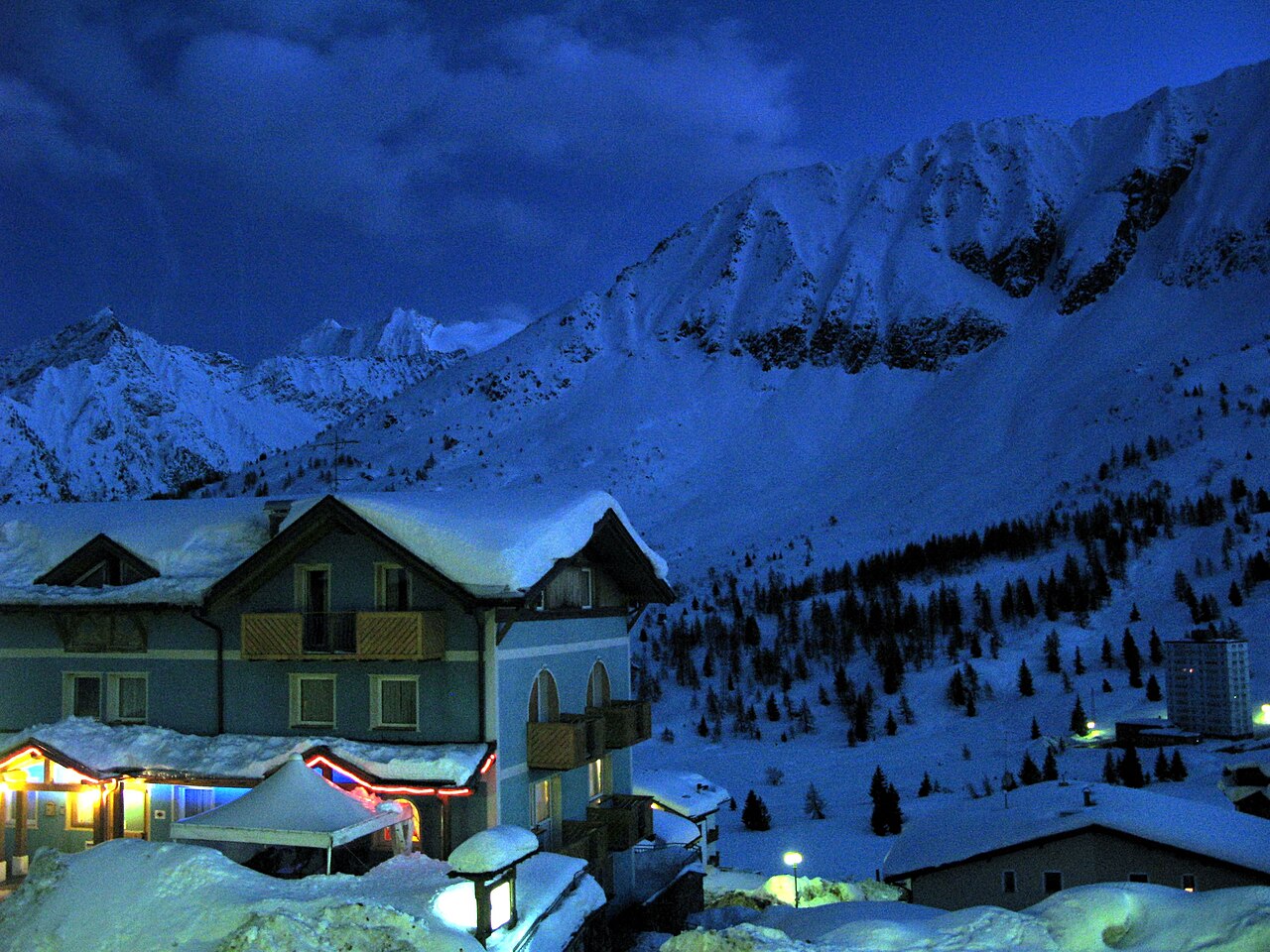
Trentino, Italy
day pass
Snow report pending
updates in season

Aosta Valley, Italy
day pass
Opens in 9 days
published season date
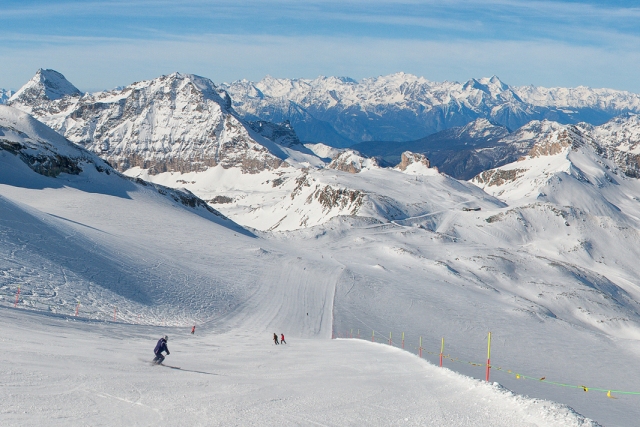
Valle d Aosta, Italy
day pass
Snow report pending
updates in season
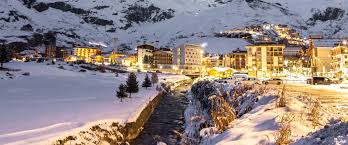
Valle d'Aosta, Italy
day pass
Snow report pending
updates in season
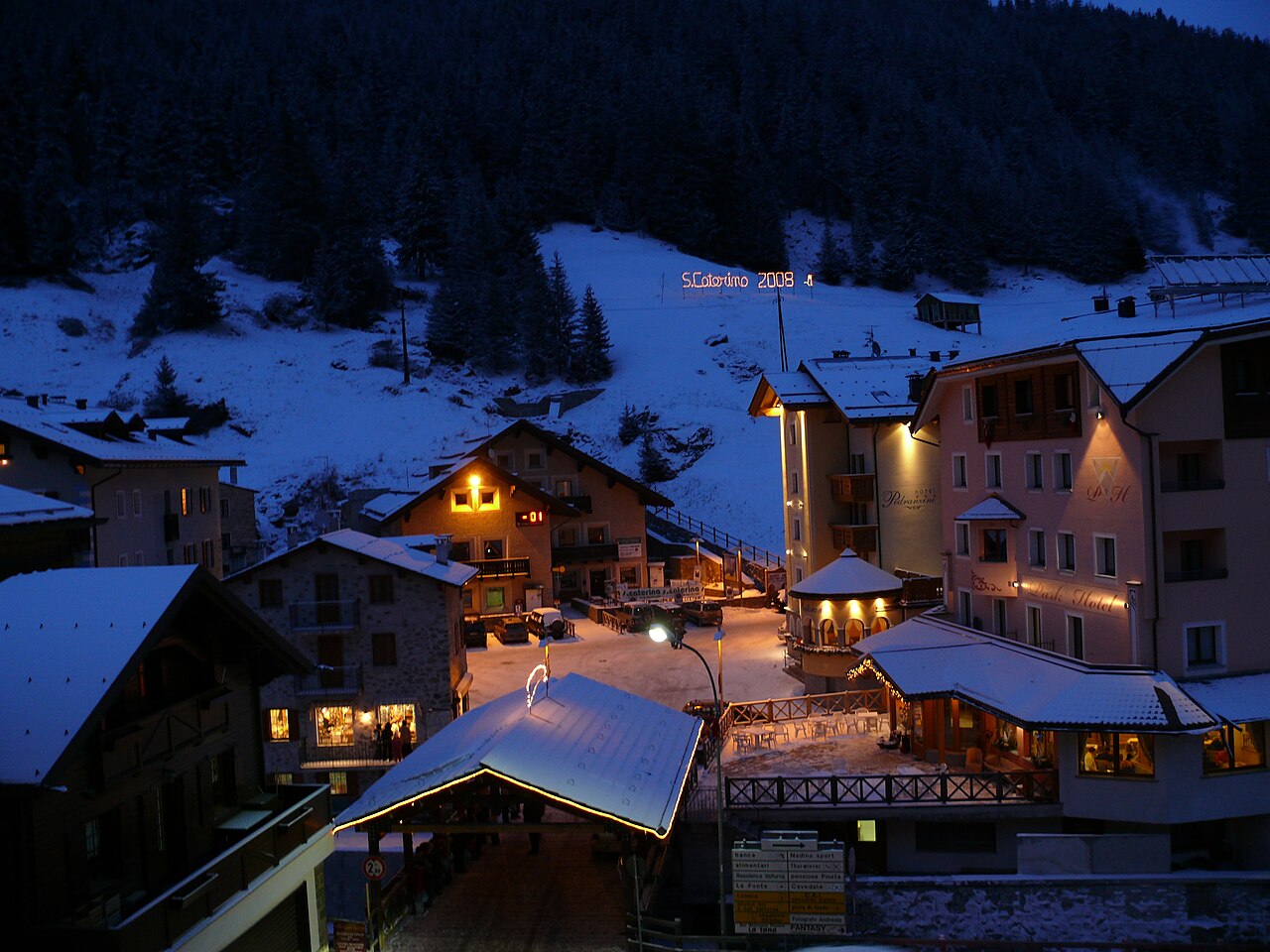
Lombardy, Italy
day pass
Opens in 15 days
published season date
Lombardy, Italy
day pass
Opens in 9 days
published season date
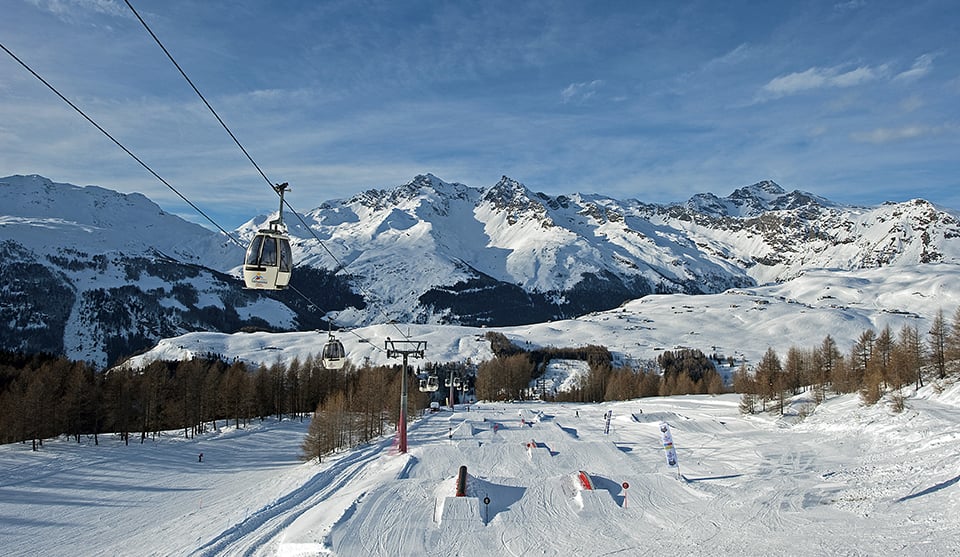
Lombardy, Italy
day pass
Opens in 8 days
published season date
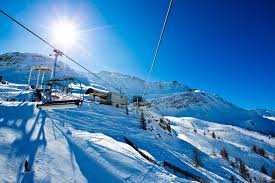
Valle d'Aosta, Italy
day pass
Opens in 9 days
published season date
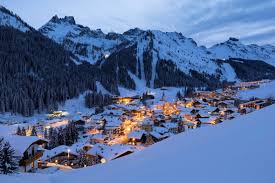
Veneto, Italy
day pass
Opens in 15 days
published season date
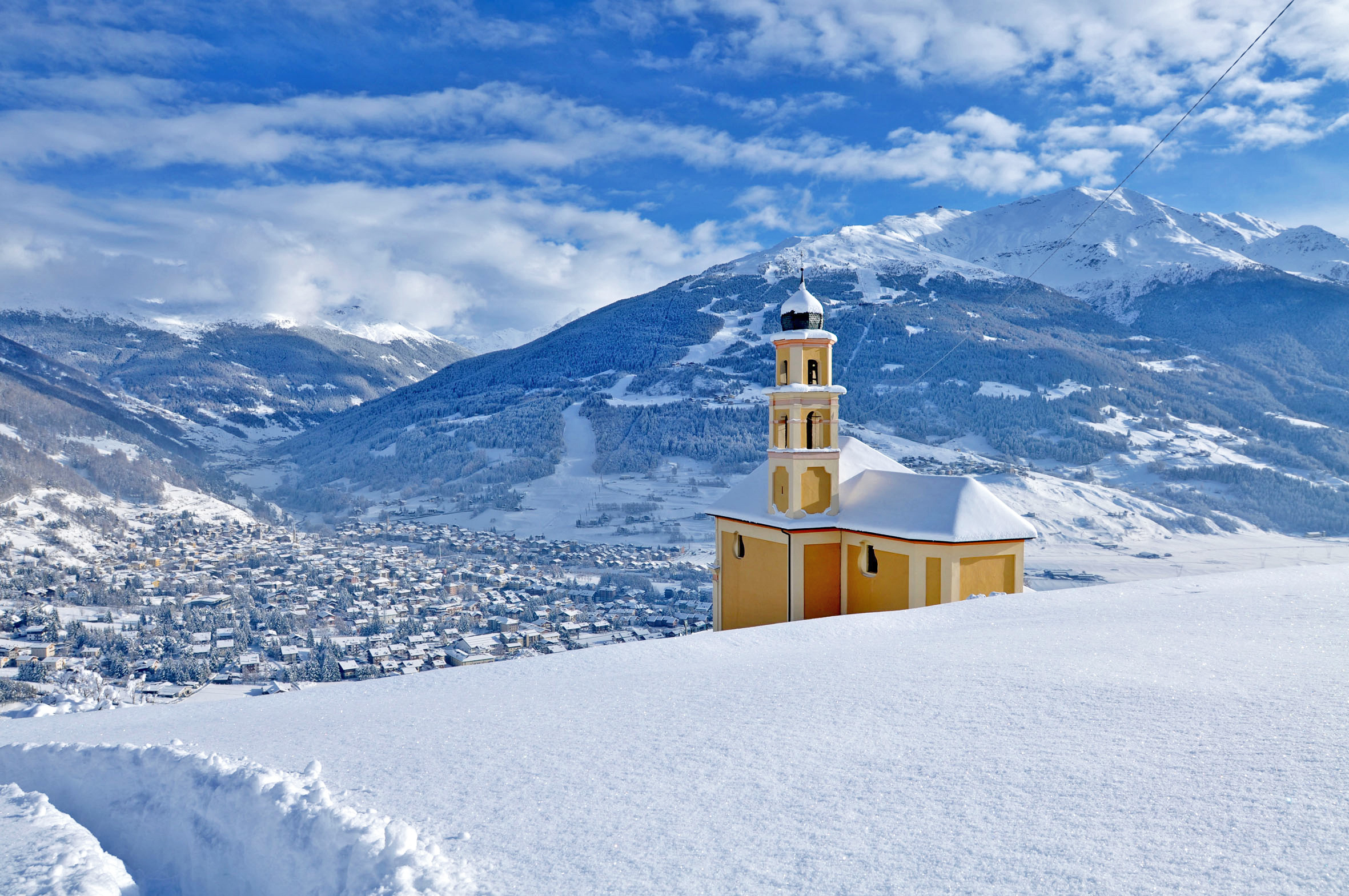
Lombardy, Italy
day pass
Opens in 15 days
published season date
Trentino, Italy
day pass
Opens in 15 days
published season date
Valle d'Aosta, Italy
day pass
Opens in 9 days
published season date
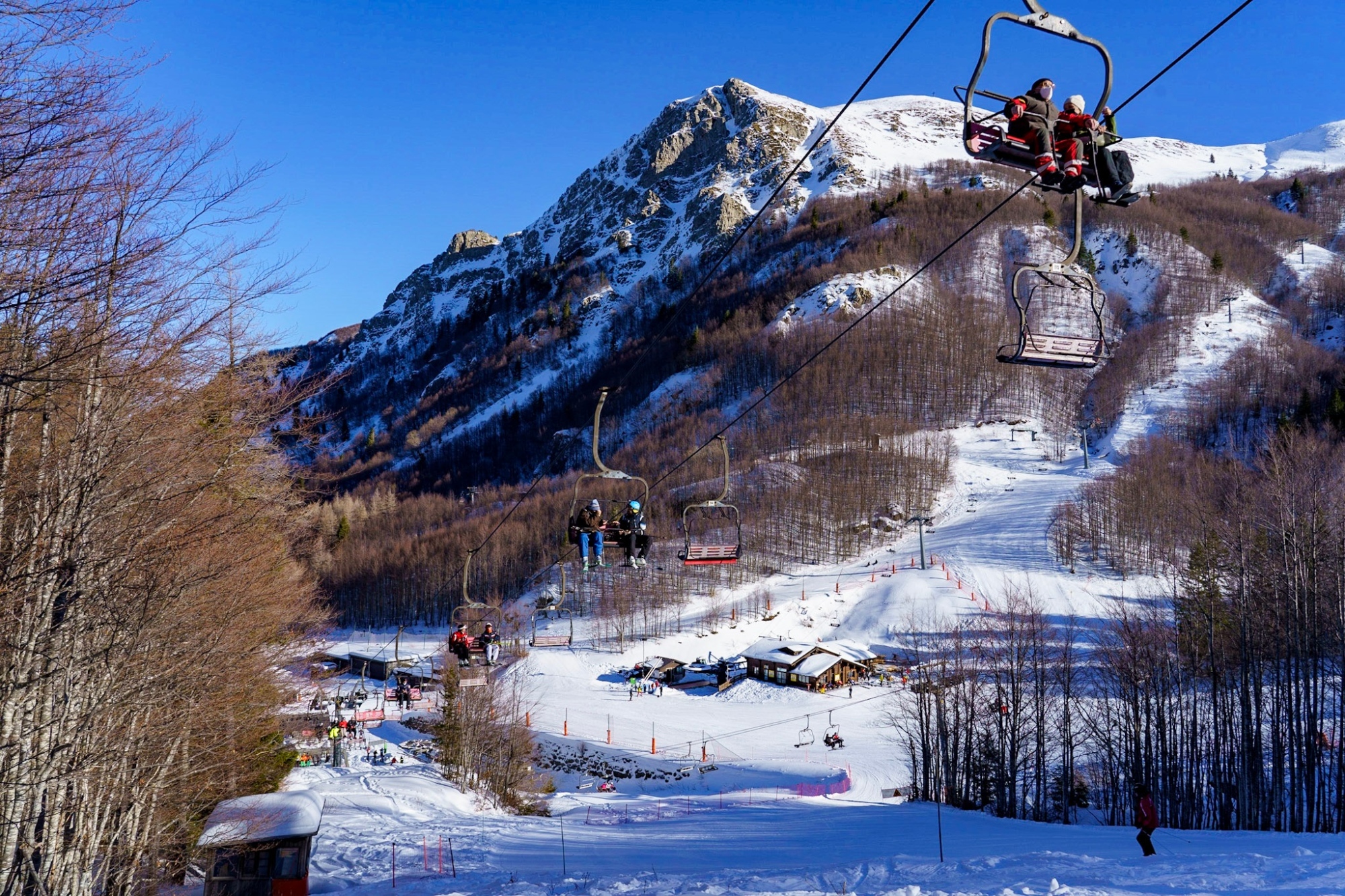
Tuscany, Italy
day pass
Opens in 16 days
published season date
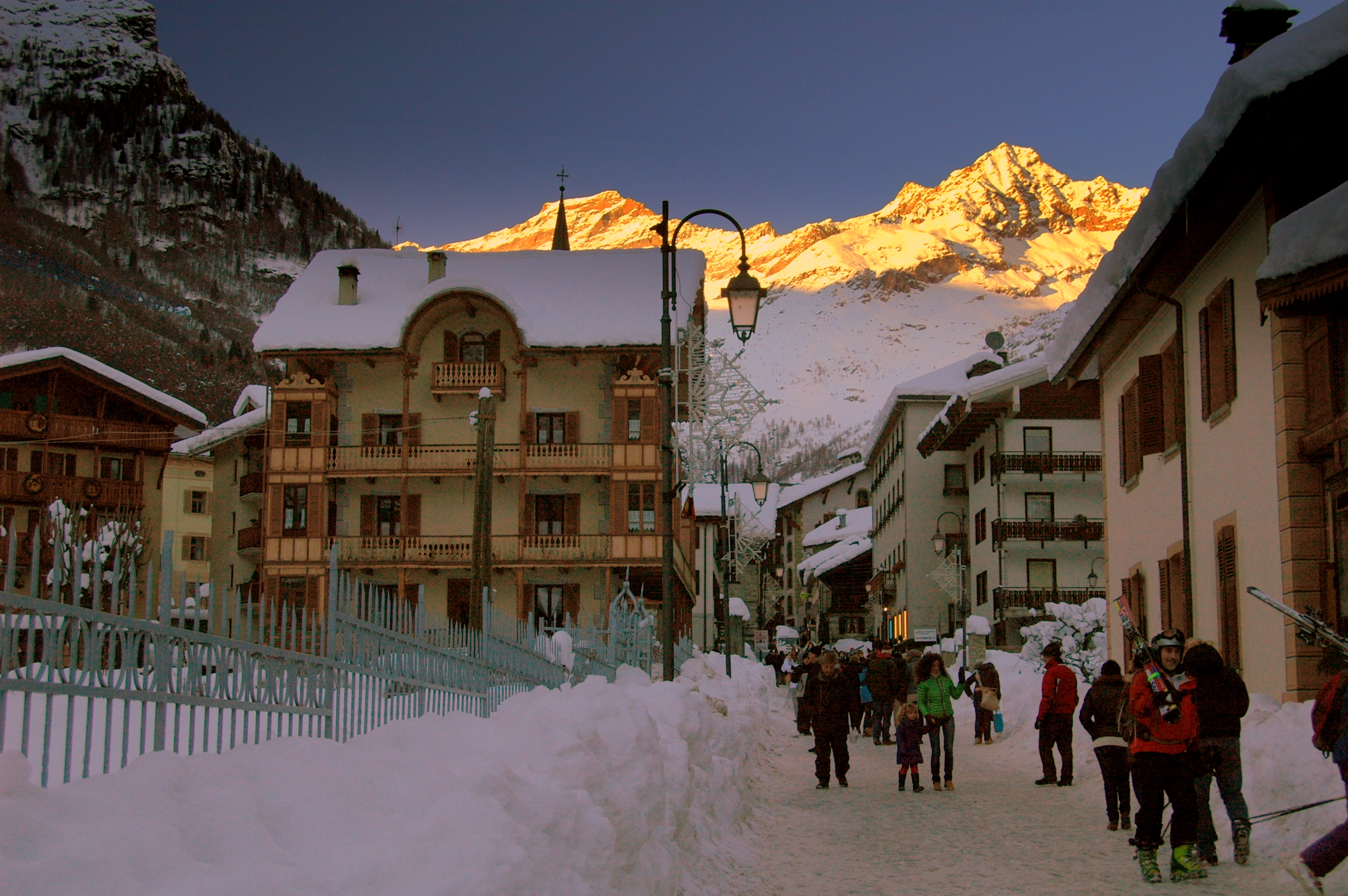
Piedmont, Italy
day pass
Opens in 9 days
published season date
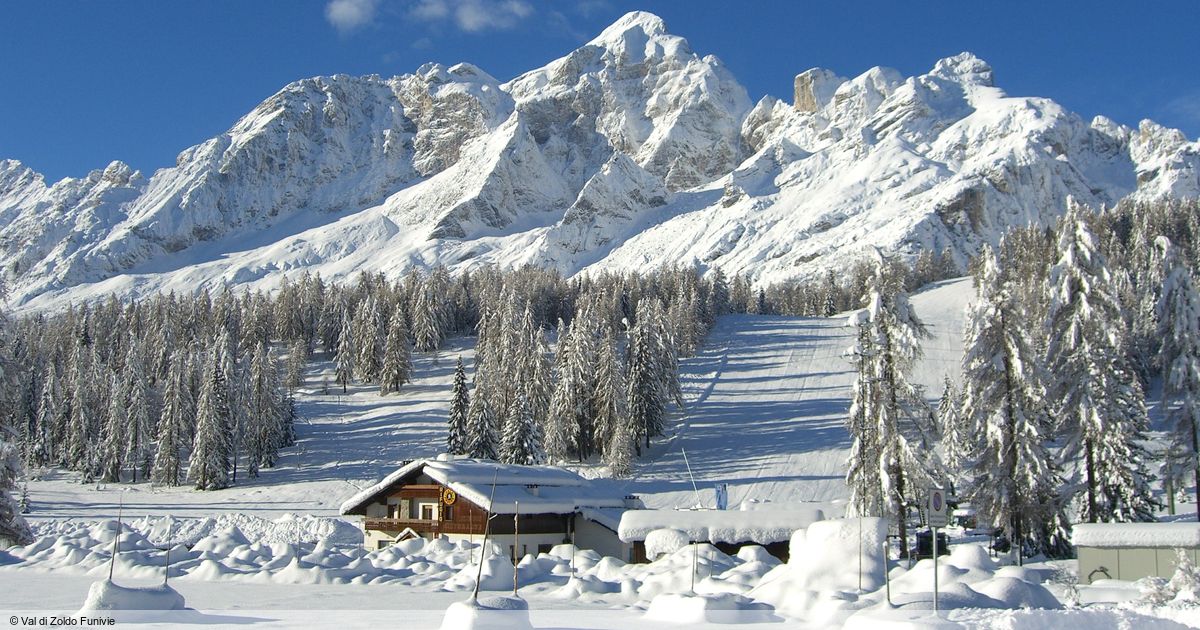
Veneto, Italy
day pass
Opens in 16 days
published season date
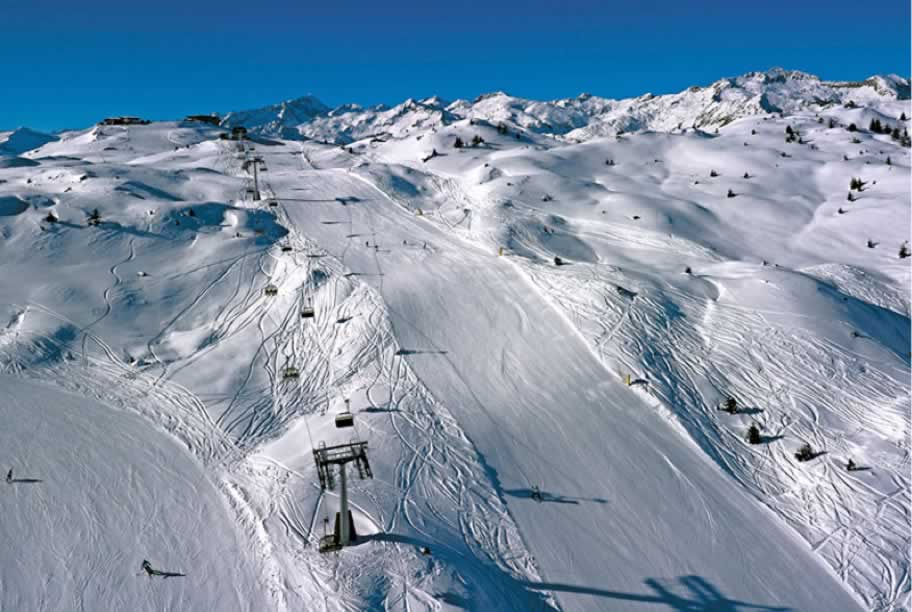
Trentino, Italy
day pass
Opens in 12 days
published season date
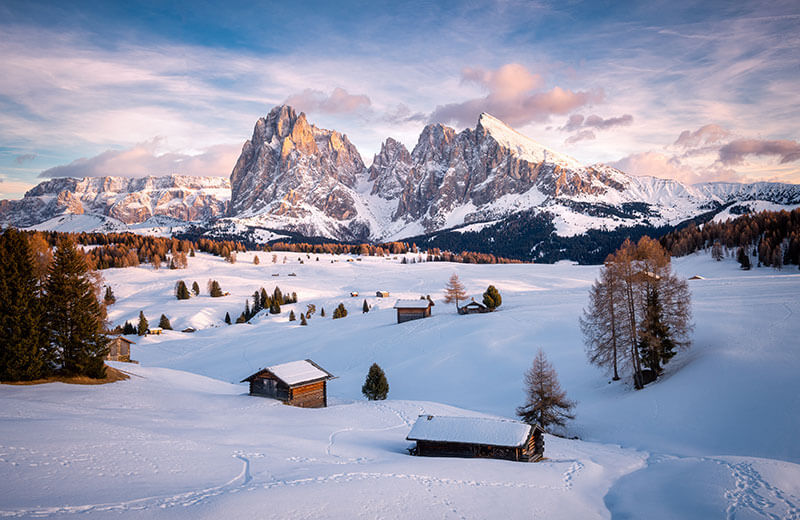
South Tyrol, Italy
day pass
Opens in 15 days
published season date
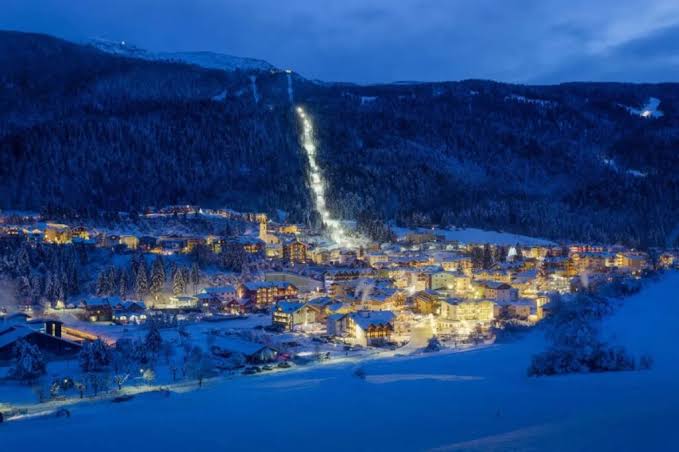
Trentino, Italy
day pass
Opens in 9 days
published season date
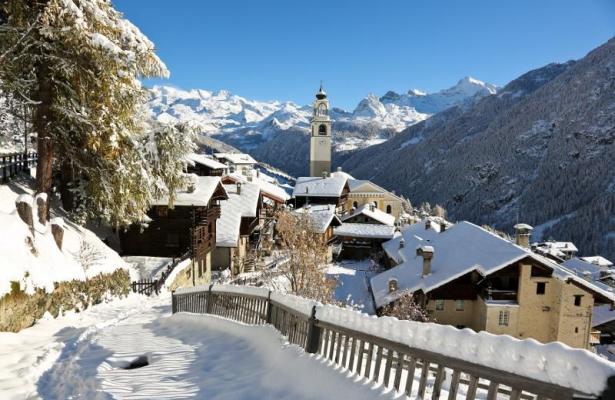
Aosta Valley, Italy
day pass
Opens in 16 days
published season date
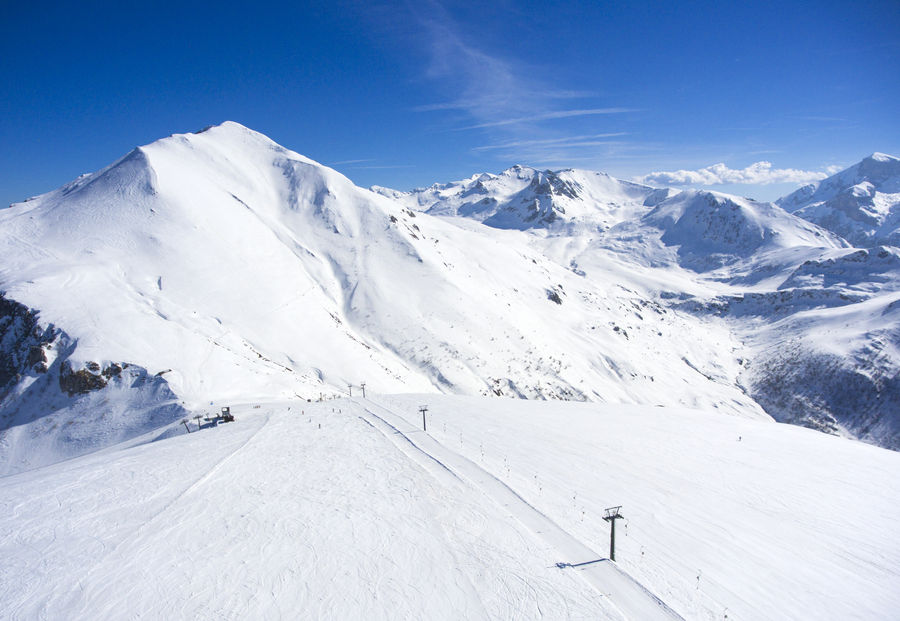
Piedmont, Italy
day pass
Opens in 16 days
published season date
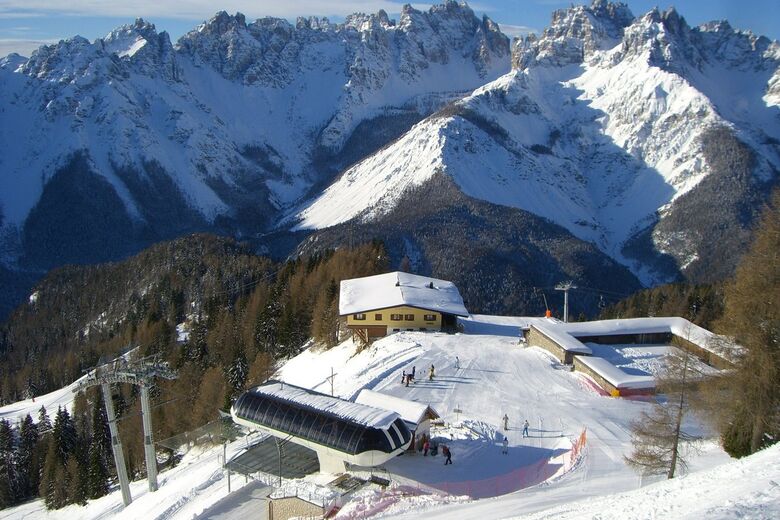
Veneto, Italy
day pass
Opens in 26 days
published season date
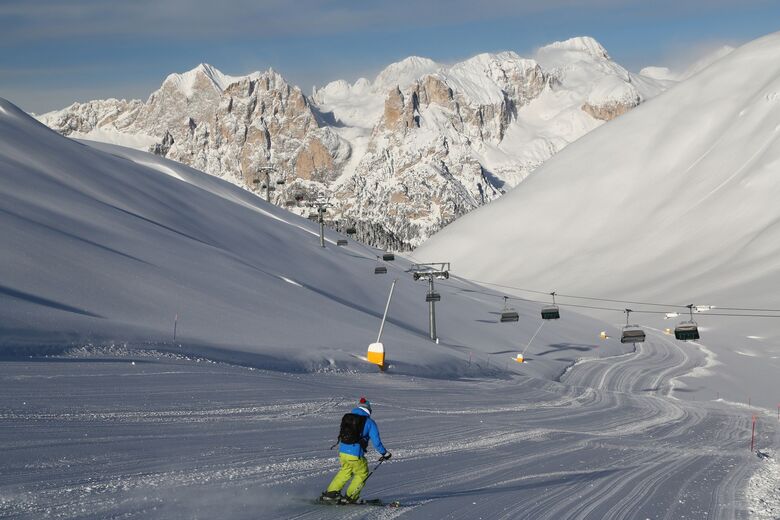
Trentino, Italy
day pass
Opens in 15 days
published season date
For optimal snow reliability, the best time to visit high-altitude Italian resorts is typically from mid-December through late March. Resorts like Breuil-Cervinia and Ponte di Legno-Tonale, with their glacier skiing and high elevations, offer excellent conditions throughout this period. Early season (late October/November) can also be surprisingly good, especially on glaciers, while spring (April/early May) provides sunnier days and softer snow, still with good coverage at the highest points. Always check specific resort snow reports closer to your travel dates, but these high-altitude options generally guarantee a longer and more reliable season.
Absolutely. While many high-altitude resorts offer challenging terrain, several are very welcoming to beginners and families. Passo Tonale and Ponte di Legno-Tonale are excellent examples, featuring gentle, wide slopes and dedicated learning areas, often with glacier access that provides consistent snow. Cervinia also caters well to families and beginners with its extensive blue runs and ski schools. Santa Caterina Valfurva is another family-friendly option. Always check a resort's specific categories, but high altitude doesn't automatically mean expert-only terrain; many have well-designed areas for all skill levels.
Costs at high-altitude Italian resorts can vary, but generally offer good value compared to some other alpine nations. Day passes typically range from around €48 to €72, and 6-day passes from around €225 to €362. Resorts like Madesimo and Santa Caterina Valfurva are particularly budget-conscious, with 6-day passes around €240 and €225 respectively. Even larger, more renowned resorts like Breuil-Cervinia or Livigno offer competitive pricing for the quality and extent of skiing. Prices tend to be highest during peak season (Christmas/New Year and February half-term), so consider off-peak weeks for potential savings.
For advanced skiers and freeride enthusiasts, Italy's high-altitude terrain offers exceptional opportunities. Alagna Valsesia, part of the Monterosa Ski area (which also includes Gressoney and Champoluc), is world-renowned for its extensive off-piste and heli-skiing options, with vast, challenging descents. Breuil-Cervinia and Courmayeur also provide excellent advanced terrain and off-piste access, particularly when conditions are good. Livigno is another strong contender for advanced skiers and snowboarders looking for varied challenges. These resorts combine significant vertical drops with diverse natural features, ensuring a thrilling experience for expert riders.
When skiing at high altitude in Italy, layering is crucial due to potential rapid weather changes and colder temperatures at elevation. Essential items include a waterproof and windproof outer shell, insulated mid-layers, and moisture-wicking base layers. Don't forget high-quality sunglasses or goggles with good UV protection, as the sun's intensity is much stronger at altitude. A high-factor sunscreen and lip balm are also vital to prevent sunburn. Given the potential for colder conditions, a warm hat, neck gaiter, and insulated gloves are more important here than at lower resorts. Consider a small backpack for extra layers and water.