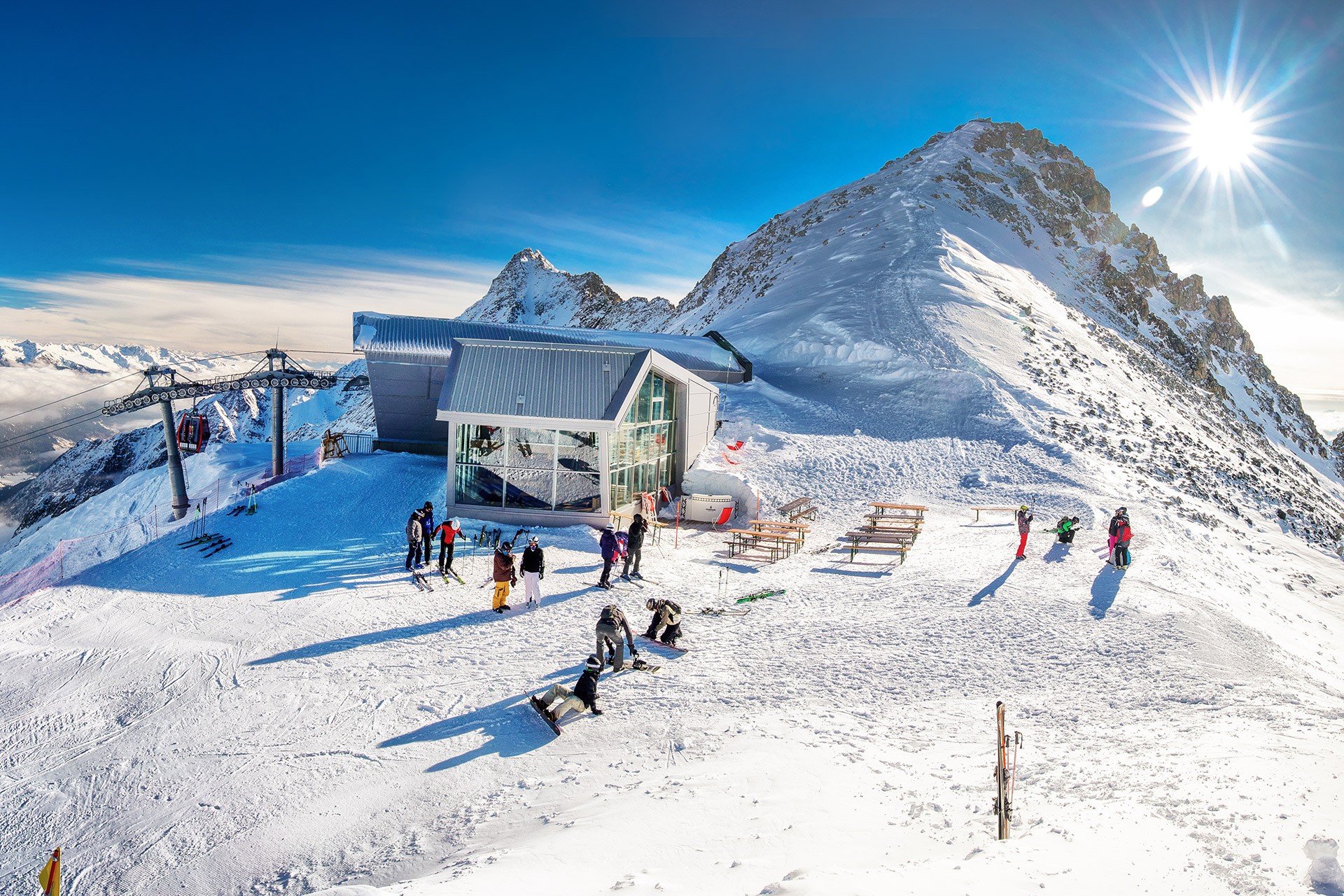
Ponte di Legno-Tonale
Lombardy-Trentino, Italy
€70
day pass
Opens in 15 days
published season date
Our top picks for best ski resorts in italy 2027 are Ponte di Legno-Tonale, Alagna Valsesia, Passo Tonale, Monterosa Ski and Breuil-Cervinia, ranked from live snow depth, verified 2026/27 lift-pass prices and confirmed opening dates.
Italy offers an exceptional cat-skiing experience, combining the thrill of untouched powder with the stunning alpine scenery of the Dolomites and Aosta Valley. Unlike helicopter skiing, cat-skiing uses a snowcat to access remote, unpisted terrain, making it a more accessible and often more affordable option for advanced skiers seeking fresh lines. This guided adventure provides a unique way to explore expansive backcountry areas, ensuring safety while maximizing your time in deep snow away from crowded slopes. It's an ideal choice for those looking to elevate their off-piste skills and discover Italy's wilder side.
While cat-skiing itself isn't widespread at every Italian resort, the regions known for extensive off-piste and freeride opportunities often serve as excellent bases for these operations. Resorts like Monterosa Ski and Courmayeur, renowned for their challenging terrain and deep snow, are prime locations to connect with cat-skiing guides and services. Understanding the seasonal nuances is crucial for planning; early season offers fresh snow and often fewer crowds, midwinter delivers consistent powder, and spring can provide stable conditions for high-altitude adventures. Always prioritize safety and local expertise when venturing into the backcountry.
For early season cat-skiing, target resorts known for good snow accumulation from late November into December. Courmayeur or Monterosa Ski, both opening around November 29th/December 6th respectively, offer excellent starting points. Early season often means pristine, untracked snow and fewer crowds. Be prepared for variable conditions and ensure your chosen cat-skiing operator prioritizes safety and terrain assessment as the snowpack develops.
Midwinter (January-February) is prime time for consistent powder. Focus on resorts with a strong freeride reputation like Monterosa Ski or Courmayeur, which offer extensive off-piste access. Cat-skiing during this period typically yields the best snow depths and quality. Consult with local guides to find the most reliable snow pockets and ensure you have the appropriate avalanche safety gear and training for deep powder conditions.
As spring approaches (March-April), consider higher-altitude resorts for more reliable snow. Breuil-Cervinia, open until early May, is an excellent choice for late-season cat-skiing, benefiting from its glacier and high-altitude terrain. Spring often brings longer daylight hours and more stable snowpacks, though slushier conditions can occur at lower elevations. Focus on morning descents for optimal corn snow before it softens too much.
Cat-skiing in Italy requires advance booking, especially during peak season. While specific cat-skiing operations might not be directly tied to a resort, using a resort like Monterosa Ski or Courmayeur as a base provides access to local guides. Inquire about group sizes, safety briefings, and required equipment. Day passes at these resorts range from around €58 to €69, which would be separate from cat-skiing costs.
Cat-skiing is best suited for advanced skiers comfortable with varied off-piste terrain. Resorts like Courmayeur and Monterosa Ski are categorized for advanced skiers and off-piste, making them ideal training grounds. Before committing to a cat-skiing trip, spend time refining your technique in ungroomed areas within these resorts. This preparation will significantly enhance your enjoyment and safety during a cat-skiing excursion.
Live prices and weather — click any resort to see the full forecast, lift status, and trail map.
Lombardy-Trentino, Italy
day pass
Opens in 15 days
published season date
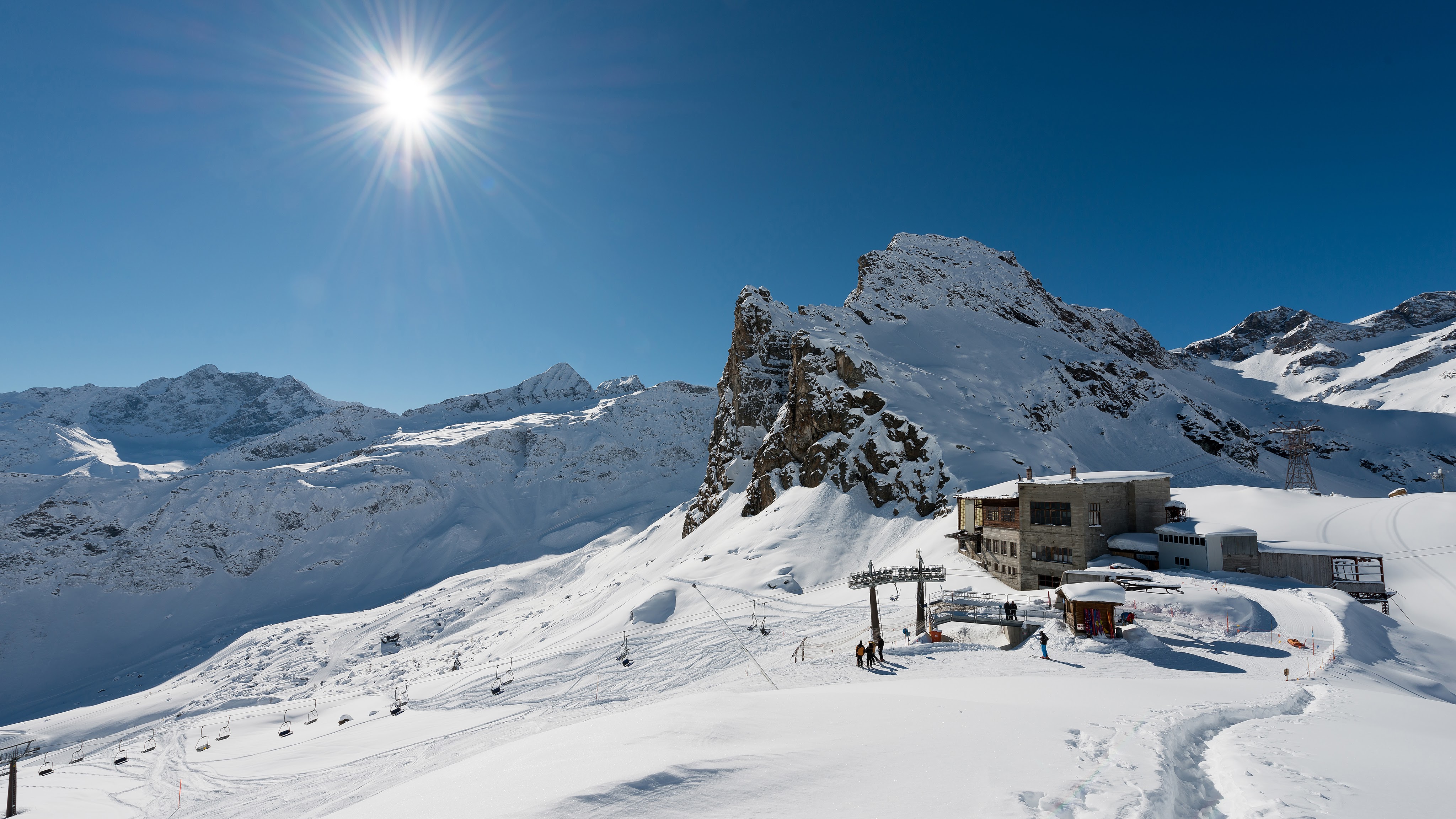
Monte Rosa, Piedmont, Italy
day pass
Opens in 9 days
published season date
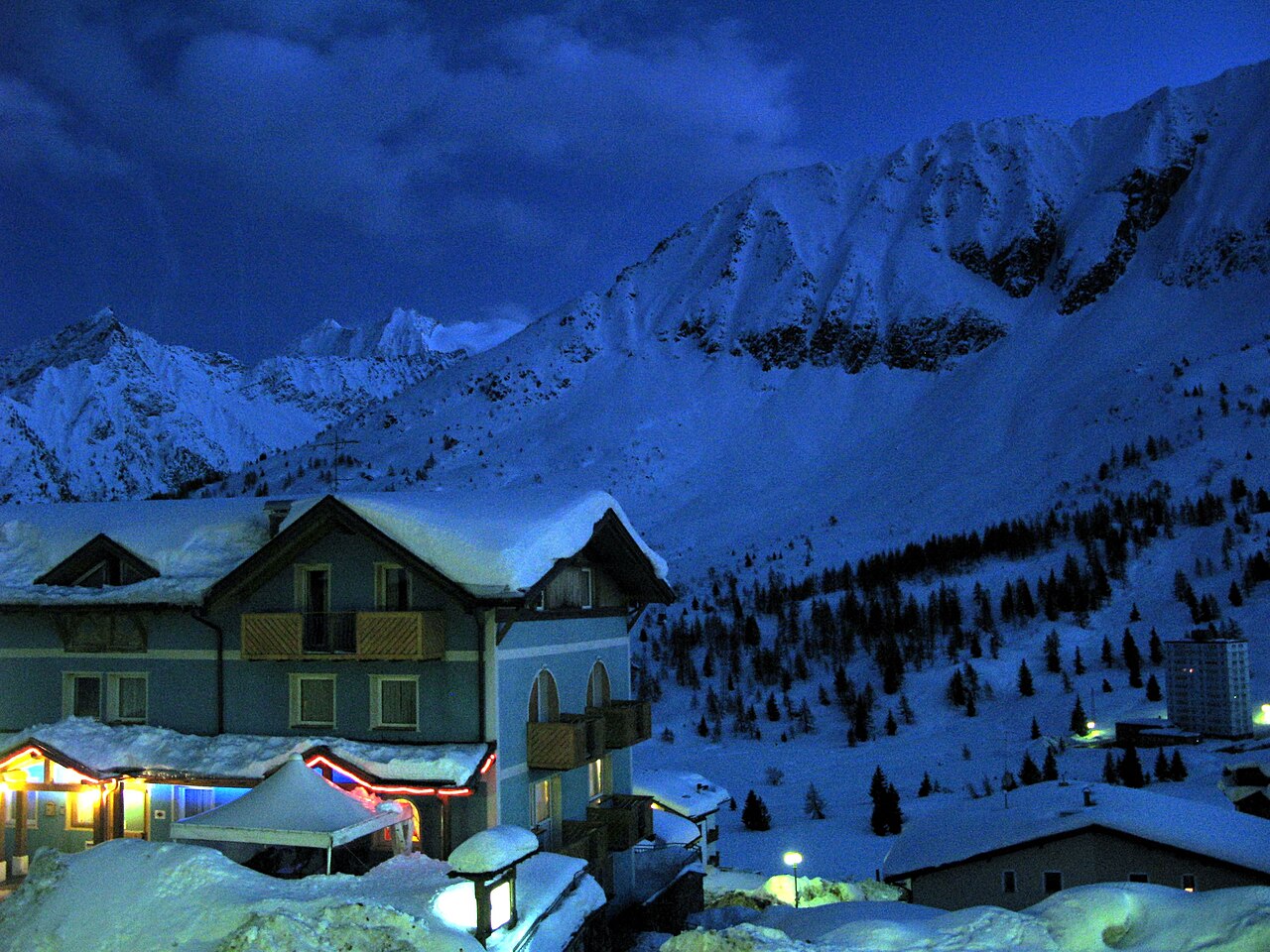
Trentino, Italy
day pass
Snow report pending
updates in season

Aosta Valley, Italy
day pass
Opens in 9 days
published season date
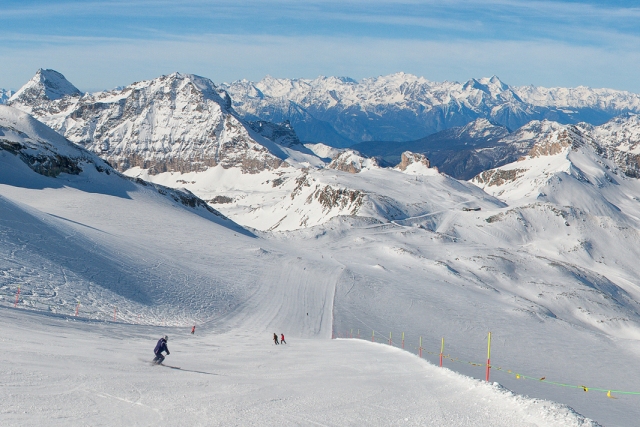
Valle d Aosta, Italy
day pass
Snow report pending
updates in season
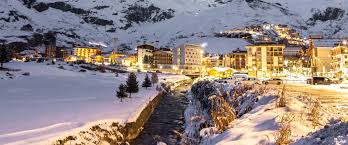
Valle d'Aosta, Italy
day pass
Snow report pending
updates in season
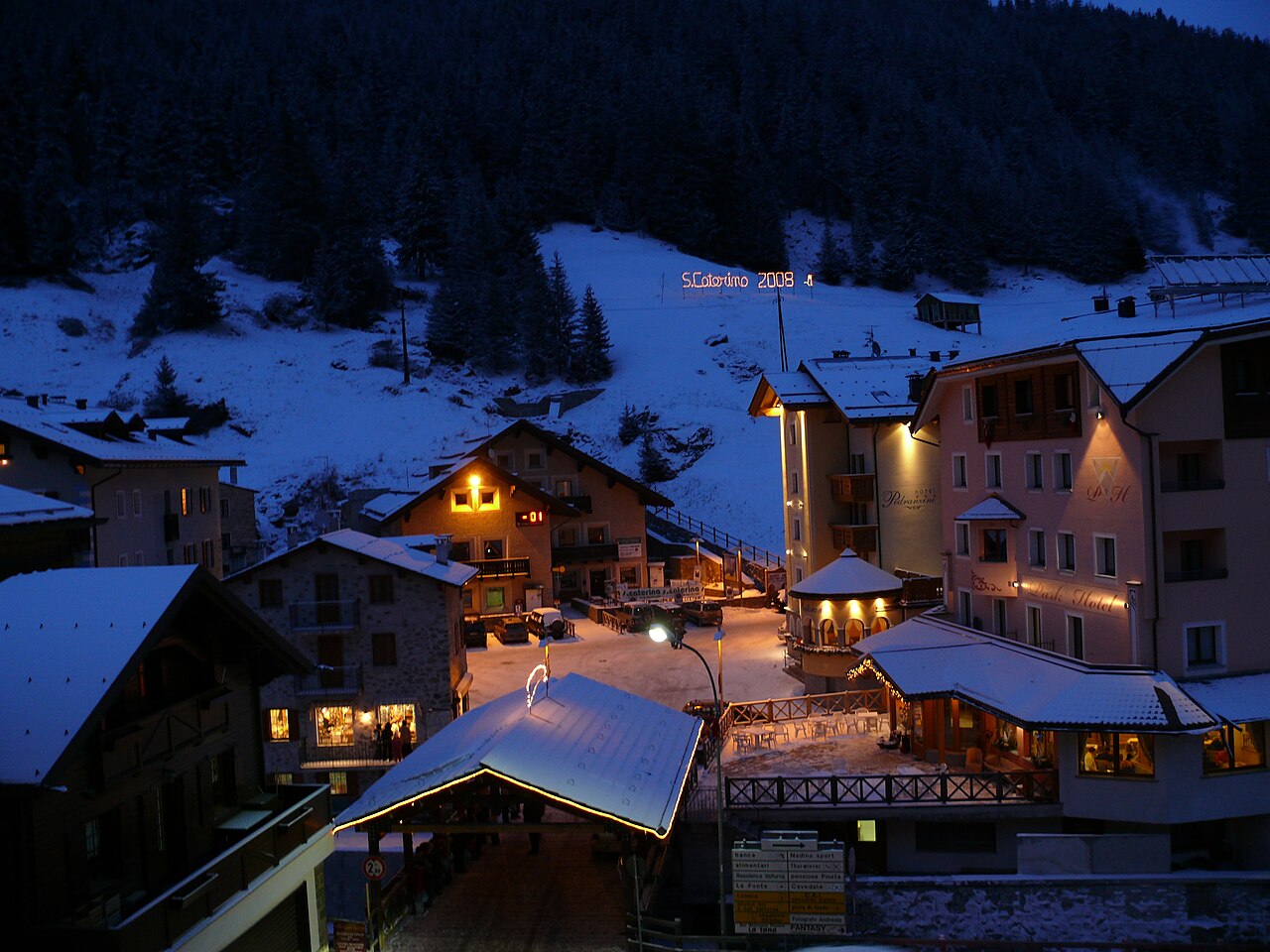
Lombardy, Italy
day pass
Opens in 15 days
published season date
Lombardy, Italy
day pass
Opens in 9 days
published season date
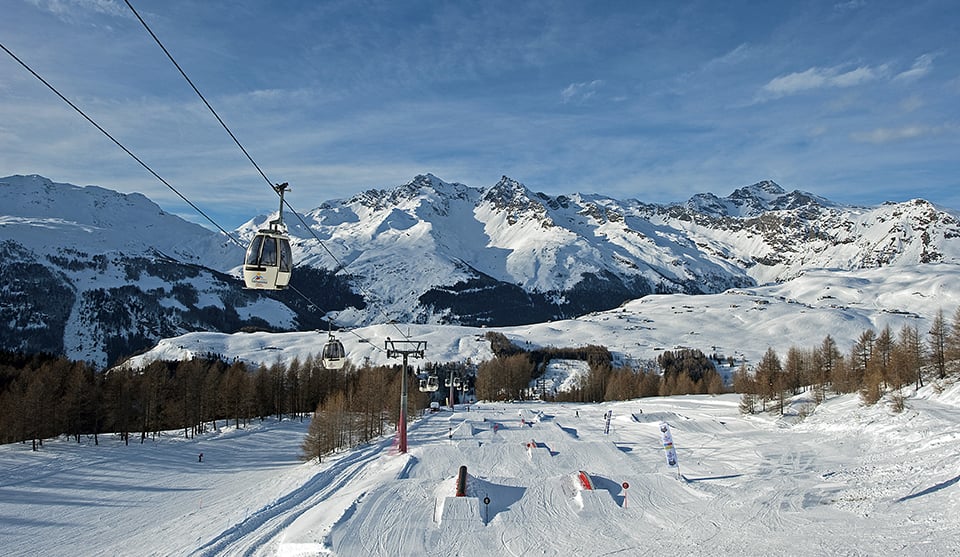
Lombardy, Italy
day pass
Opens in 8 days
published season date
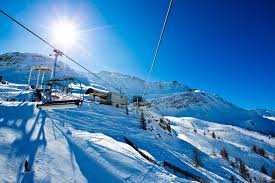
Valle d'Aosta, Italy
day pass
Opens in 9 days
published season date
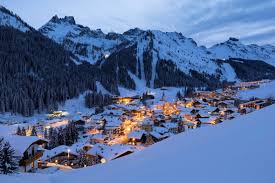
Veneto, Italy
day pass
Opens in 15 days
published season date
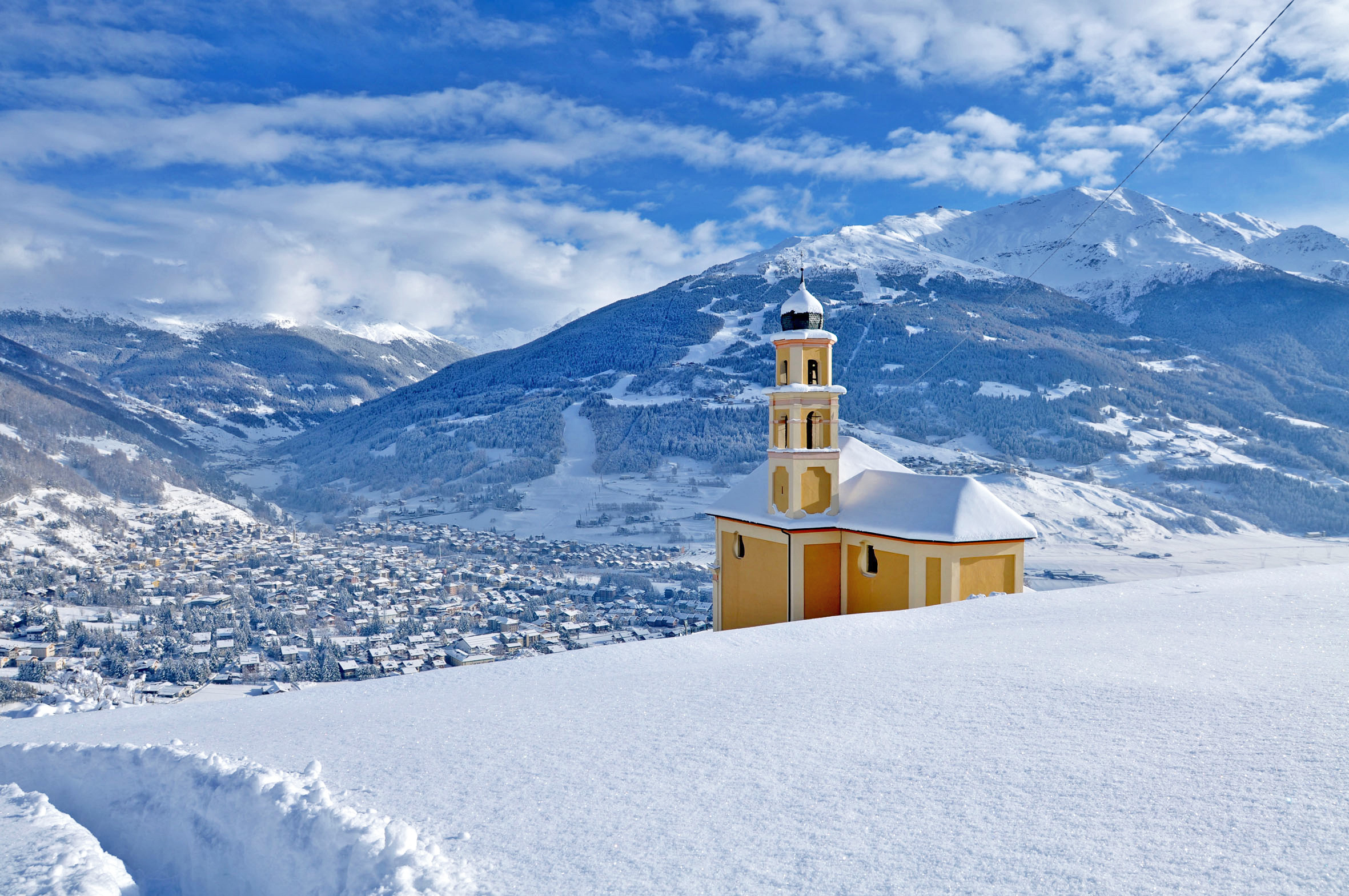
Lombardy, Italy
day pass
Opens in 15 days
published season date
Trentino, Italy
day pass
Opens in 15 days
published season date
Valle d'Aosta, Italy
day pass
Opens in 9 days
published season date
Tuscany, Italy
day pass
Opens in 16 days
published season date
Piedmont, Italy
day pass
Opens in 9 days
published season date
Veneto, Italy
day pass
Opens in 16 days
published season date
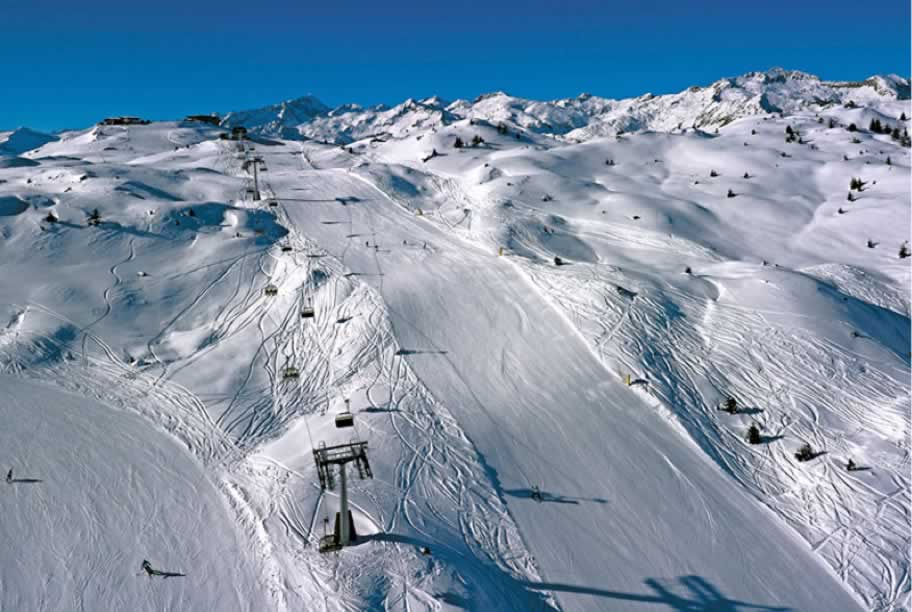
Trentino, Italy
day pass
Opens in 12 days
published season date
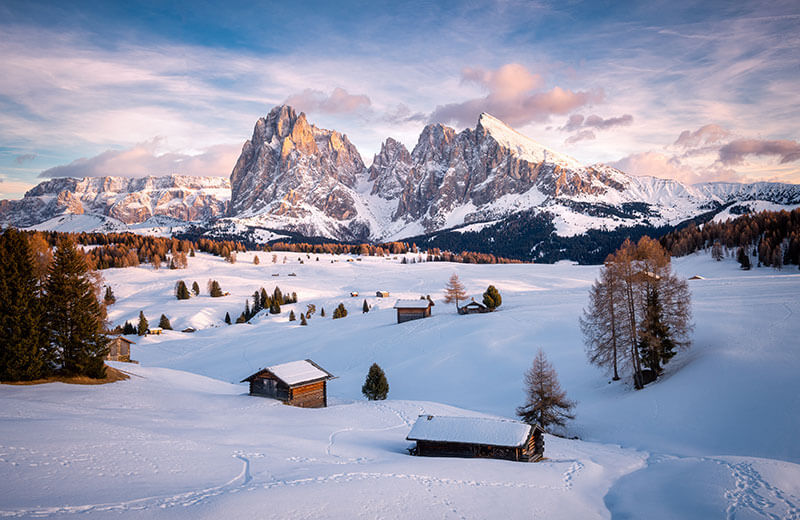
South Tyrol, Italy
day pass
Opens in 15 days
published season date
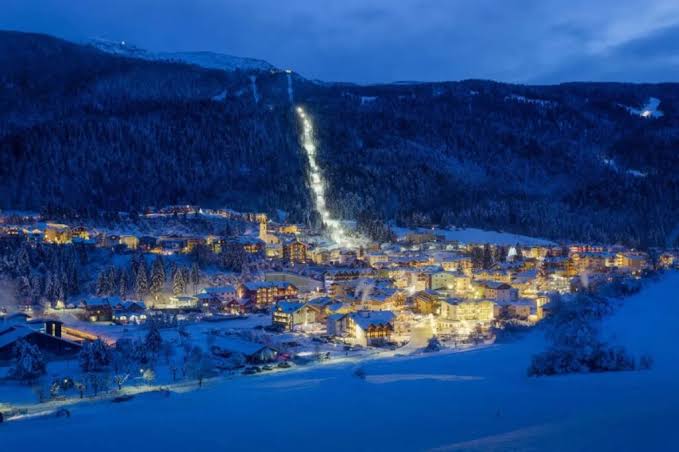
Trentino, Italy
day pass
Opens in 9 days
published season date
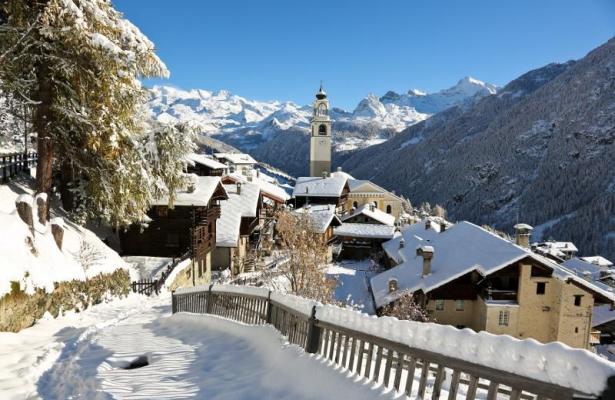
Aosta Valley, Italy
day pass
Opens in 16 days
published season date
Piedmont, Italy
day pass
Opens in 16 days
published season date
Veneto, Italy
day pass
Opens in 26 days
published season date
Trentino, Italy
day pass
Opens in 15 days
published season date
Cat-skiing involves using a snowcat, a tracked vehicle, to transport skiers up remote mountain terrain, providing access to untracked powder runs that are otherwise inaccessible. It differs from heli-skiing primarily in the mode of transport and cost. Cat-skiing is generally more affordable and often less weather-dependent than heli-skiing, which uses helicopters. Both offer guided backcountry experiences, but cat-skiing allows for more continuous laps and a different type of scenic journey up the mountain. In Italy, cat-skiing is a growing option for those seeking deep snow without the higher price point of a helicopter.
The Aosta Valley and parts of the Dolomites are excellent regions for cat-skiing in Italy, leveraging their extensive backcountry and reliable snowfall. Resorts like Monterosa Ski and Courmayeur in Aosta Valley are often hubs for such operations due to their challenging terrain and off-piste reputation. The prime season for cat-skiing generally runs from mid-December through March, coinciding with the deepest and most consistent snowpacks. However, early season (late November/early December) can offer fresh powder, and late season (April) at high-altitude spots like Breuil-Cervinia can yield stable spring snow conditions.
Cat-skiing is generally recommended for advanced skiers who are comfortable in varied off-piste conditions, including deep powder, ungroomed terrain, and potentially steep slopes. While some operations might cater to strong intermediates, the nature of backcountry skiing often demands solid technical skills, endurance, and an ability to adapt to changing snow conditions. Resorts like Monterosa Ski and Courmayeur are categorized for advanced skiers and off-piste enthusiasts, indicating the level of challenge. It's crucial to be honest about your skill level and communicate with the cat-skiing provider to ensure a safe and enjoyable experience.
The cost of a cat-skiing trip in Italy can vary significantly based on the operator, duration, and inclusions, but it generally ranges from a few hundred euros for a day trip to over a thousand for multi-day packages. This cost is separate from resort day passes, which can be around €58 at Monterosa Ski or €69 at Courmayeur. Typically, cat-skiing packages include guided services, snowcat transportation, and often avalanche safety equipment (transceiver, shovel, probe). Some may also include lunch or accommodation. Always clarify what is included before booking, as lift passes to access the cat-skiing zone might be an additional expense.
Essential gear for cat-skiing includes wide powder skis, appropriate bindings, and comfortable ski boots. It's also vital to have an avalanche safety kit: a transceiver, shovel, and probe, which are often provided or available for rent by the operator. Warm, waterproof outerwear, layers, a helmet, goggles, and a backpack with water and snacks are also critical. Safety precautions are paramount; always ski with certified guides who are knowledgeable about local terrain and snow conditions. They will conduct safety briefings, provide instructions on backcountry protocols, and assess avalanche risks throughout the day. Never venture into unpatrolled terrain without expert guidance.