Oberstdorf
Bavaria, Germany
€73
day pass
Opens in 15 days
published season date
Our top picks for best ski resorts for off-piste in germany 2027 are Oberstdorf, Feldberg and Imbergbahn Steibis, ranked from live snow depth, verified 2026/27 lift-pass prices and confirmed opening dates.
Germany's off-piste terrain offers surprising variety for those willing to explore beyond the groomed trails. While perhaps not as vast as the Alps in neighboring countries, dedicated freeriders can discover challenging descents, tree runs, and open bowls, particularly in the Bavarian Alps and the Black Forest. Understanding the specific characteristics of each resort is key to maximizing your off-piste experience, with snow conditions and local knowledge being paramount for safety and enjoyment.
This guide focuses on resorts known for their freeride potential, providing practical advice tailored to the unique German winter season. From early-season powder stashes to spring corn snow, we'll help you navigate the best times and locations for off-piste adventures. Always prioritize safety: check local avalanche warnings, carry appropriate gear, and consider hiring a local guide, especially when exploring new or complex terrain. German resorts offer accessible entry points into off-piste skiing for various skill levels.
For early season off-piste, target resorts with higher elevations or those known for reliable early snowfall. Oberstdorf, with its season starting in early December, can offer promising conditions if a good cold front has passed through. Focus on north-facing slopes and sheltered areas where snow accumulates and stays colder. Always check local snow reports and avalanche bulletins before venturing out, as early season snowpack can be unstable and thin in places.
Midwinter, typically January and February, is prime time for powder. Resorts like Oberstdorf and Feldberg often receive significant snowfall during this period. Seek out tree runs and less-trafficked zones where powder can linger longer. Feldberg, in the Black Forest, can be an excellent option after fresh snow, offering diverse terrain. Always ski with a partner, carry avalanche safety gear, and respect local regulations regarding closed areas.
As the season progresses into March and April, spring off-piste skiing becomes an option, primarily at higher-altitude resorts. Oberstdorf, with its season extending into early May, is your best bet for spring corn snow. Look for slopes that get morning sun to soften the snow, then move to shadier aspects later in the day. Be aware of warming temperatures and the potential for increased avalanche risk, particularly on south-facing slopes.
Feldberg in the Black Forest offers accessible off-piste terrain, particularly appealing to snowboarders and advanced skiers. Its season runs from mid-December to late March. After fresh snowfall, explore the areas adjacent to the marked runs, but always be mindful of hidden obstacles like tree stumps or rocks. The resort's relatively lower altitude means snow conditions can vary, so monitor forecasts closely for optimal powder days. A day pass is around €41.
For a more budget-conscious off-piste experience, Imbergbahn Steibis, near Oberstaufen, offers designated freeride zones. With a day pass around €35 and a 6-day pass around €168, it provides excellent value. Its season is typically from mid-December to late March. While smaller, it can deliver enjoyable powder days, especially after fresh snow. It's a great option for families with intermediate skiers who want to explore freeride in a more controlled environment.
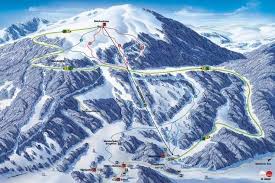
Live prices and weather — click any resort to see the full forecast, lift status, and trail map.
The optimal time for off-piste skiing in Germany generally spans from mid-January through February, when snow depths are typically at their peak and cold temperatures preserve powder conditions. However, early season (December) can offer fresh snow, particularly at higher resorts like Oberstdorf, while spring (March-April) can provide excellent corn snow conditions. Always check specific resort snow reports and avalanche forecasts before planning your trip. Resorts like Feldberg and Imbergbahn Steibis have reliable mid-winter conditions within their season windows.
Snow reliability for off-piste in German resorts varies significantly by altitude and region. Higher resorts in the Bavarian Alps, such as Oberstdorf, generally offer more consistent snow depths throughout the season, extending into May. Lower-lying areas, like parts of the Black Forest (e.g., Feldberg), are more susceptible to warmer temperatures and rain, making fresh snowfall crucial for good off-piste conditions. Always consult current snow reports and consider mid-winter visits for the best chances of powder. Imbergbahn Steibis also benefits from consistent winter snowfall in Bavaria.
The costs for off-piste skiing in Germany are primarily driven by lift passes, gear rental, and potentially guide fees. Day passes range from around €35 at Imbergbahn Steibis to around €69 at Oberstdorf. A 6-day pass can be around €168 to around €409. While off-piste doesn't incur extra lift fees, essential safety gear (transceiver, shovel, probe) is mandatory and can be rented or purchased. Hiring a local guide, highly recommended for safety and finding the best terrain, will add to the cost, typically a few hundred euros per day depending on group size.
For beginners looking to transition into off-piste skiing, resorts with accessible, less extreme terrain adjacent to marked pistes are ideal. While not explicitly for beginners, resorts like Imbergbahn Steibis, with its designated freeride zones, can offer a good starting point in a somewhat controlled environment. Feldberg also has varied terrain that can allow for progression. The key is to start small, ideally with a guide or experienced friend, and focus on understanding snow conditions and safety protocols before tackling more challenging routes. Oberstdorf has more advanced options.
Essential safety equipment for off-piste skiing in Germany includes an avalanche transceiver, a shovel, and a probe. These items are non-negotiable for anyone venturing beyond marked and secured pistes. Additionally, a suitable backpack, helmet, and potentially an avalanche airbag system are highly recommended. Always check the local avalanche forecast (Lawinenlagebericht) and understand the current snowpack stability. Consider taking an avalanche safety course and, for unfamiliar terrain, hiring a certified local guide from resorts like Oberstdorf or Feldberg is strongly advised.