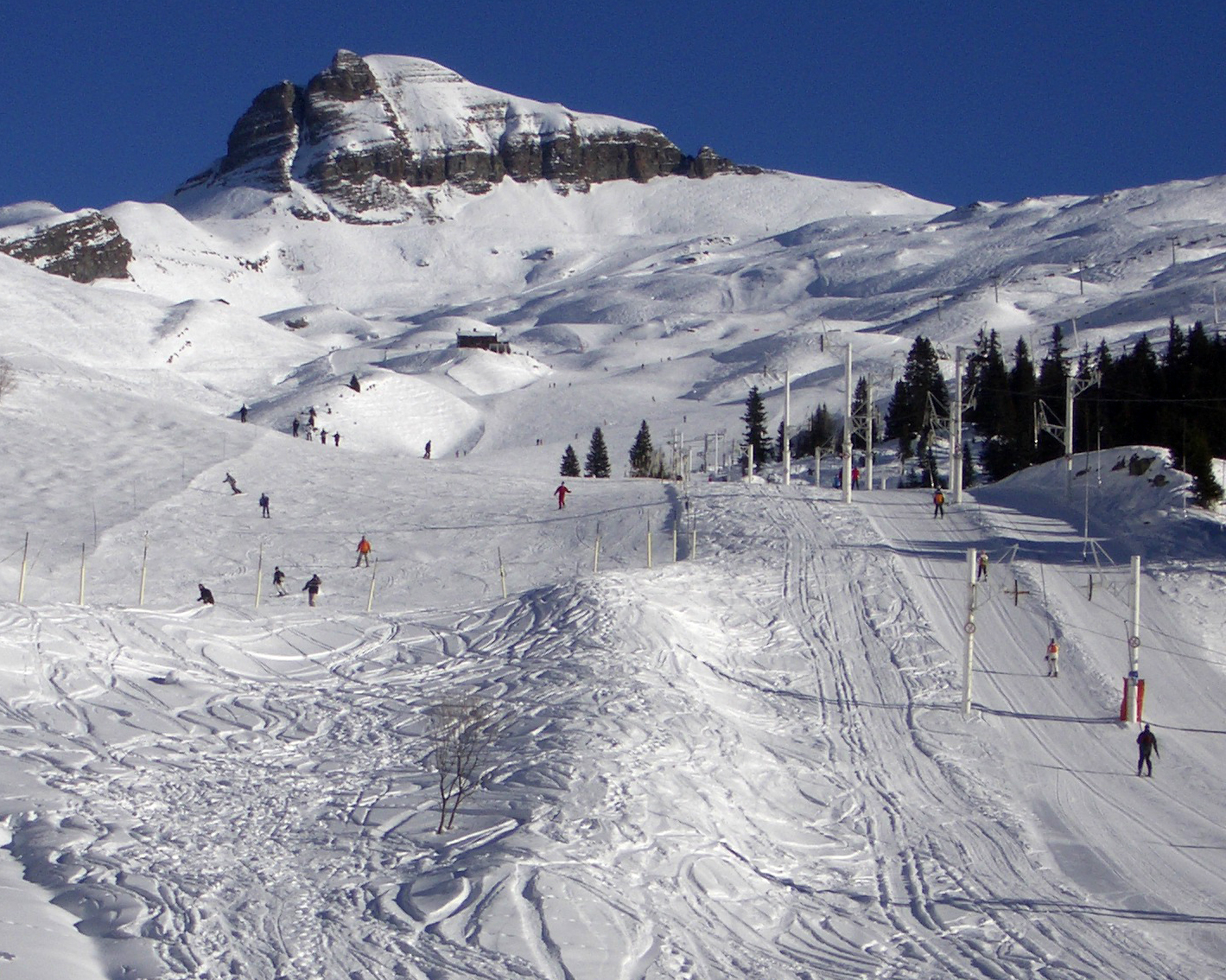
Flaine
Grand Massif, Haute-Savoie, France
€61
day pass
Opens in 16 days
published season date
The deepest snow in France is currently at Flaine, Les Menuires, Val Thorens, Tignes and La Rosière — 220 cm at the base.
For powder hounds, France's Alpine resorts offer some of the most exhilarating off-piste experiences and deep snow conditions in the world. The vast and varied terrain, combined with high-altitude locations and often generous snowfall, creates a playground for those seeking untouched lines. This guide focuses specifically on French resorts renowned for their powder potential, helping you navigate the best times and places to chase fresh snow. We'll delve into options that cater to advanced skiers and snowboarders, highlight snow-sure destinations, and provide practical advice for maximizing your powder days across the season.
While finding powder often relies on recent snowfall, choosing resorts with inherent advantages significantly increases your chances. High-altitude resorts, those with extensive off-piste areas, and locations known for their microclimates are prime candidates. This guide leverages real data on resort categories and season dates to pinpoint the top French destinations for powder. From the extensive backcountry of Tignes and Flaine to the high-alpine bowls of Val Thorens, we'll help you plan your trip to coincide with the best powder opportunities, ensuring a memorable and snow-filled adventure.
For those eager to hit fresh snow early, target high-altitude resorts known for their early openings and glacial terrain. Val Thorens, opening as early as November 22nd, and Les Deux Alpes, from November 29th, are excellent choices. These resorts benefit from higher elevations, increasing the likelihood of significant early-season dumps. Focus on higher-elevation bowls and north-facing slopes which tend to hold snow longer, providing prime conditions before the main crowds arrive.
Mid-winter, typically January and February, offers the most consistent and deepest powder. Resorts like Tignes and Flaine, both noted for their off-piste potential and snow-sure reputations, are excellent picks. Tignes, with its advanced and off-piste categories, provides vast terrain for exploration. Flaine, open until late April, also offers consistent snowfall. During this period, be prepared for colder temperatures and utilize local guides to safely explore the best stashes.
Don't overlook spring for incredible powder days, especially in high-altitude resorts. Val Thorens and Les Deux Alpes, both open until early May, can still receive significant late-season snowfall. Tignes, closing late April, also offers excellent spring powder, often followed by sunny slush skiing. The key is to monitor forecasts closely and be flexible. Higher, north-facing aspects are your best bet for finding cold, dry powder even into April.
When venturing off-piste for powder, safety is paramount. Always carry essential avalanche safety gear: transceiver, shovel, and probe. Consider hiring a local guide who knows the terrain and current snowpack conditions. Resorts like Tignes and Flaine, explicitly listed for off-piste, have extensive areas that demand respect. Never ski alone in unmarked terrain. Proper preparation ensures a safer and more enjoyable powder experience.
To maximize your powder days, stay flexible with your resort choice and monitor snow forecasts. Resorts like Val Thorens and Tignes, categorized for 'powder' and 'advanced' skiing respectively, are often the first to report significant snowfall. Consider staying in a resort with direct access to extensive off-piste terrain. Waking up early and being on the first lift can make all the difference in securing fresh tracks before they're skied out.
Live prices and weather — click any resort to see the full forecast, lift status, and trail map.
Grand Massif, Haute-Savoie, France
day pass
Opens in 16 days
published season date
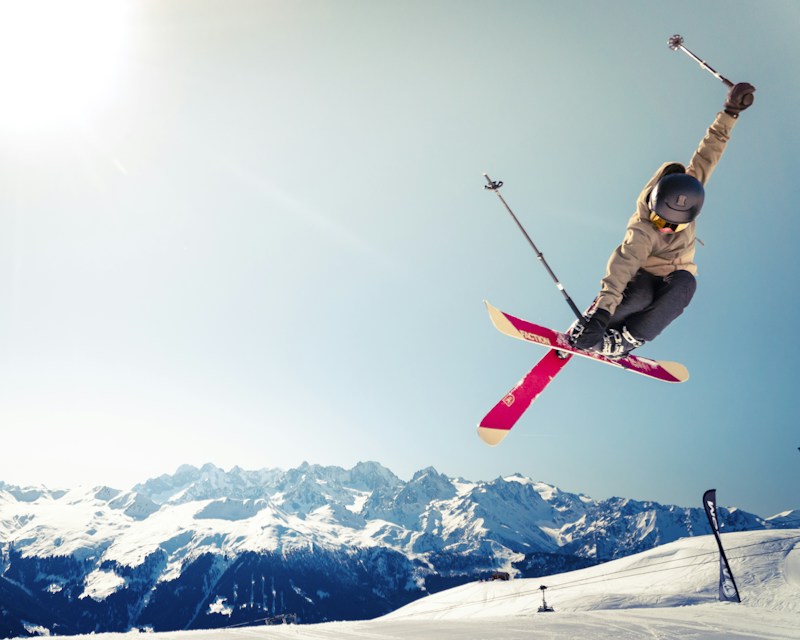
3 Vallées, Savoie, France
day pass
Opens in 16 days
published season date
Savoie, France
day pass
Opens in 2 days
published season date
Savoie, France
day pass
Opens in 2 days
published season date
Espace San Bernardo, Savoie, France
day pass
Opens in 23 days
published season date
Isère, France
day pass
Opens in 9 days
published season date
Haute-Savoie, France
day pass
Opens in 22 days
published season date
Savoie, France
day pass
Opens in 23 days
published season date
Savoie, France
day pass
Opens in 15 days
published season date
Portes du Soleil, Haute-Savoie, France
day pass
Opens in 30 days
published season date
Savoie, France
day pass
Opens in 16 days
published season date
Savoie, France
day pass
Opens in 23 days
published season date
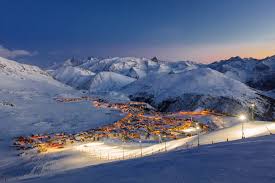
Isère, France
day pass
Opens in 16 days
published season date
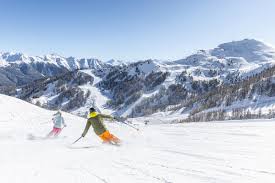
Hautes-Alpes, France
day pass
Opens in 16 days
published season date
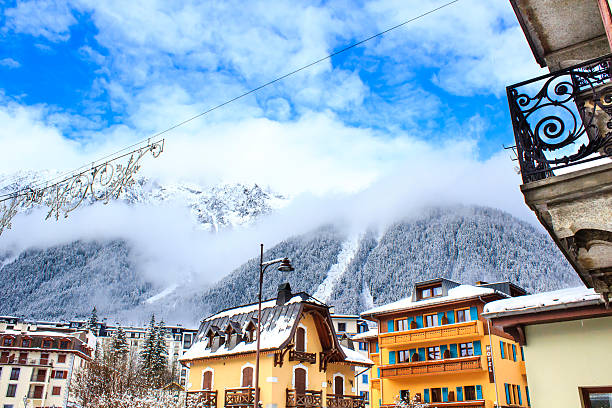
Haute-Savoie, France
day pass
Opens in 9 days
published season date
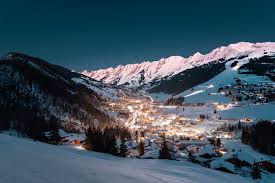
Haute-Savoie, France
day pass
Opens in 24 days
published season date
Savoie, France
day pass
Opens in 9 days
published season date

Pyrénées Catalanes, Occitanie, France
day pass
Opens in 15 days
published season date
Savoie, France
day pass
Opens in 30 days
published season date
Hautes-Pyrénées, France
day pass
Opens in 6 days
published season date
Haute-Savoie, France
day pass
Opens in 23 days
published season date
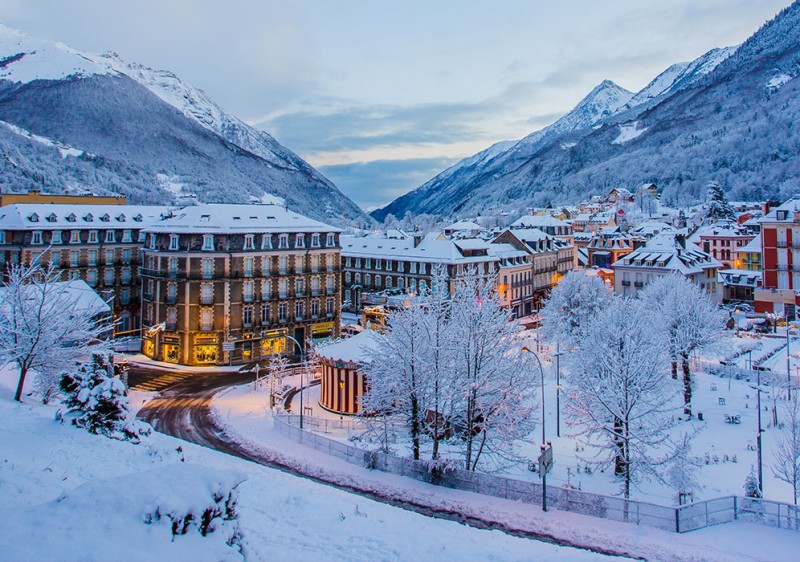
Hautes-Pyrénées, France
day pass
Opens in 8 days
published season date
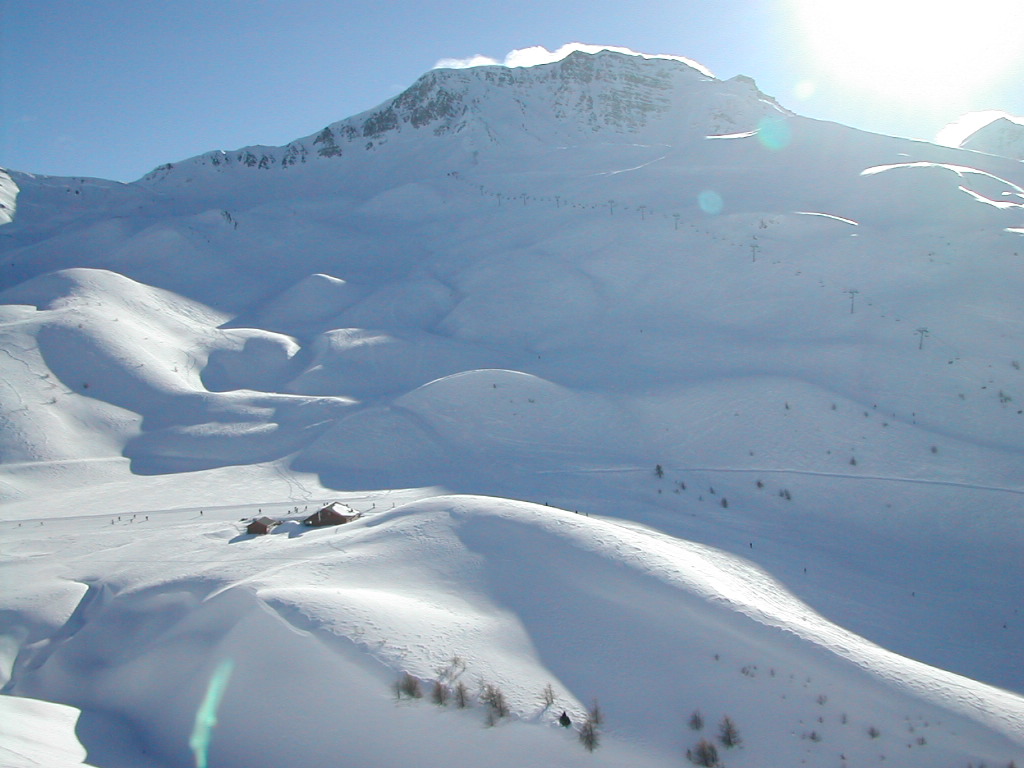
Hautes-Alpes, France
day pass
Opens in 16 days
published season date
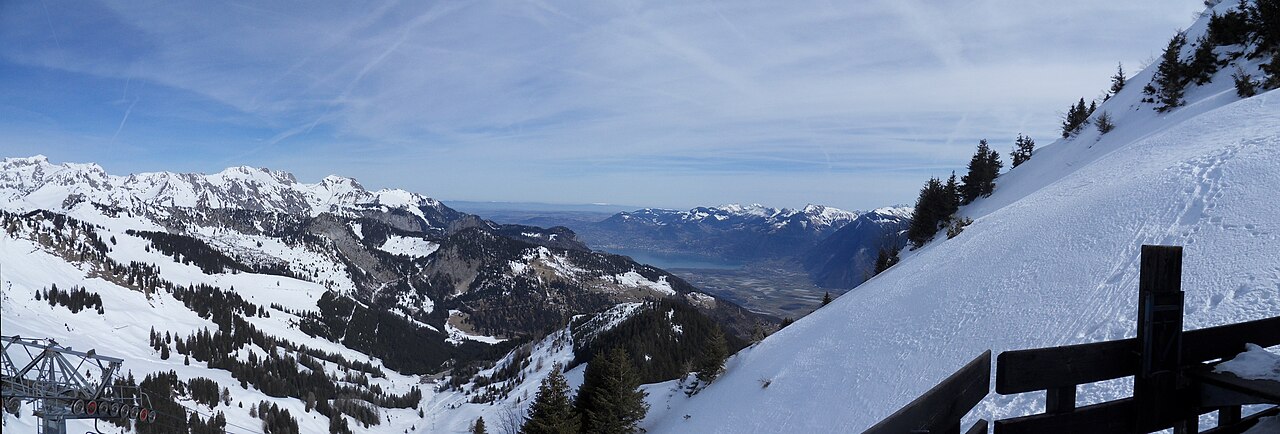
Haute-Savoie, France
day pass
Opens in 16 days
published season date
For consistent powder, focus on high-altitude and snow-sure resorts. Val Thorens (Savoie) is a top choice, opening early and closing late (22 Nov 2026 – 3 May 2027) with a 'powder' category. Tignes (Savoie), open until late April, is renowned for its 'advanced' and 'off-piste' terrain, often benefiting from excellent snowfall. Flaine (Haute-Savoie), also categorized as 'Snow-sure' and 'Off-piste', offers reliable conditions throughout its season (21 Dec 2026 – 21 Apr 2027). These resorts' elevation and geographical positions typically receive more frequent and heavier snowfalls.
The prime time for finding deep powder in France is generally mid-winter, from mid-January through February. During this period, temperatures are consistently low, and snowfall is often at its heaviest, ensuring fresh, light powder. However, excellent powder can also be found in the early season (late November/December) at high-altitude resorts like Val Thorens or Les Deux Alpes, and even into spring (March/April) where late-season storms can deliver significant dumps, particularly on higher slopes.
True powder skiing, especially off-piste, is generally not recommended for beginners. It requires specific techniques, strength, and an understanding of avalanche safety. Resorts like Flaine and La Plagne, while great for 'Beginners' on-piste, have 'Off-piste' areas that are better suited for experienced skiers. Intermediates might enjoy lighter powder days on gentler, groomed slopes after fresh snow. Always progress cautiously and consider lessons with an off-piste guide before venturing into deep, ungroomed snow.
Costs for a powder trip vary significantly. Lift passes are a major expense; a 6-day pass can range from around €275 at La Rosière to around €450 at Tignes. Day passes typically cost from around €54 to €82. Accommodation, lessons, and equipment rental add to this. Resorts like Les Menuires and La Rosière are more 'Budget conscious' options. Hiring an off-piste guide, highly recommended for safety and finding the best snow, is an additional cost but invaluable for a successful powder experience.
Yes, specialized equipment greatly enhances the powder experience and is crucial for safety. Wider skis (100mm+ underfoot) are recommended for better floatation. For off-piste, avalanche safety gear – transceiver, shovel, and probe – is mandatory. A backpack to carry these items, along with water and extra layers, is also essential. Consider renting powder-specific skis upon arrival. Resorts like Tignes and Val Thorens cater to 'advanced' skiers and 'snowboarders' who often prioritize specialized gear for deep snow.