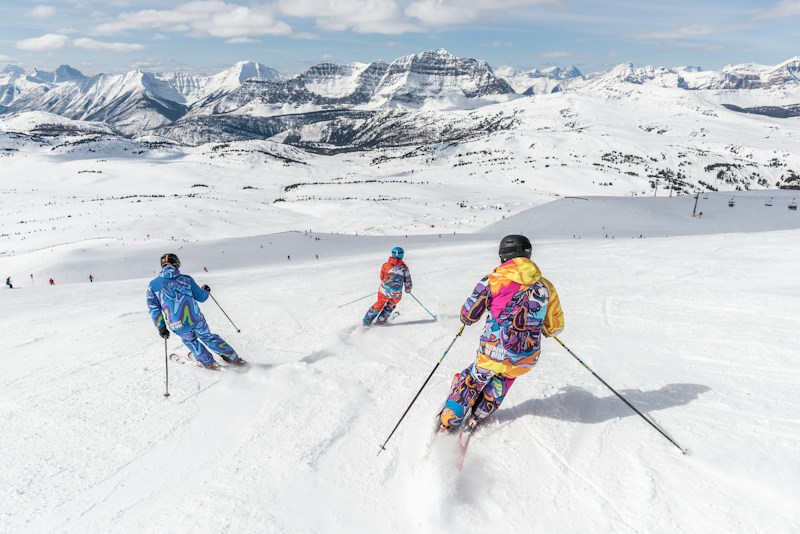
Kicking Horse
Golden, British Columbia, Canada
€126
day pass
Opens in 16 days
published season date
Our top picks for best ski resorts in canada 2027 are Kicking Horse, Banff Sunshine, Panorama, Revelstoke Mountain Resort and Fernie Alpine Resort, ranked from live snow depth, verified 2026/27 lift-pass prices and confirmed opening dates.
Heliskiing in Canada offers unparalleled access to vast, untracked terrain, a dream for any advanced skier or snowboarder seeking the ultimate powder experience. While the provided resort list doesn't explicitly feature heliskiing operators, many of these destinations, particularly those in British Columbia known for deep snow and expert terrain, serve as gateways or bases for such adventures. The Kootenay region, home to resorts like Whitewater and Red Mountain, is particularly renowned for its abundant snowfall and rugged landscapes, making it a prime location for heli-drops into pristine bowls and glades. Planning your trip around optimal snow conditions and operational windows is key to maximizing your heliskiing investment.
Canadian heliskiing typically spans from late November through late April, with specific windows offering distinct advantages. Early season can deliver light, deep powder, while mid-winter often brings the most consistent snowfall. Spring offers longer daylight hours and more stable snowpacks, ideal for high-alpine exploration. Given that many resorts in our database, such as Whitewater and Red Mountain, highlight categories like 'powder' and 'deep snow', they naturally align with the conditions sought by heliskiers. Understanding these seasonal nuances will help you select the best time and region for your Canadian heliskiing expedition, ensuring an unforgettable journey into the backcountry.
For those chasing early season powder, target resorts known for consistent snowfall from late November. Whitewater Ski Resort, opening around December 5, 2026, is a prime example, often benefiting from significant early dumps. While heliskiing operations might have limited terrain access initially, basing yourself near such a resort allows for excellent warm-up skiing and provides flexibility if early season conditions dictate. Look for operators that can access lower-elevation, tree-sheltered terrain.
Mid-winter, typically from late December through February, is peak season for deep, consistent powder. Resorts like Red Mountain, with its 'deep snow' and 'off-piste' categories, are excellent indicators of the conditions you can expect in the surrounding heliskiing zones. This period offers the highest probability of fresh snowfall and stable temperatures. Booking heliskiing trips during this window ensures you capitalize on Canada's legendary powder, with vast terrain available.
Spring heliskiing, from March into April, offers longer daylight hours and often more stable snowpacks, ideal for high-alpine exploration and corn skiing. Resorts like Mt. Norquay, which remains open until April 19, 2027, indicate the extended season potential in some regions. While powder might be less frequent, spring heliskiing can provide access to expansive, sun-softened bowls and breathtaking scenic flights. Confirm specific operator dates, as some may conclude operations earlier.
Heliskiing is a premium experience, and budgeting is crucial. While day passes at resorts like Stoneham Mountain Resort are around €65, heliskiing packages are significantly higher. Expect costs to be in the thousands for multi-day trips. Research operators near resorts like Castle Mountain Resort or Apex Mountain Resort, known for their powder, as they might offer more competitive rates for smaller groups or specific packages. Factor in accommodation and travel to your base resort.
Proper gear and safety knowledge are paramount. Ensure you have appropriate avalanche safety equipment (transceiver, shovel, probe) and know how to use it. Many heliskiing operations provide these, but verify in advance. Resorts like Whitewater and Red Mountain, catering to 'expert' skiers, are excellent places to fine-tune your skills on challenging terrain before tackling the untracked backcountry. Always follow your guide's instructions meticulously.
Live prices and weather — click any resort to see the full forecast, lift status, and trail map.
Golden, British Columbia, Canada
day pass
Opens in 16 days
published season date
Alberta, Canada
day pass
Snow report pending
updates in season
Invermere, British Columbia, Canada
day pass
Opens in 15 days
published season date
British Columbia, Canada
day pass
Opens in 9 days
published season date
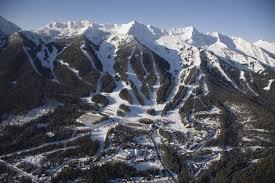
British Columbia, Canada
day pass
Opens in 15 days
published season date
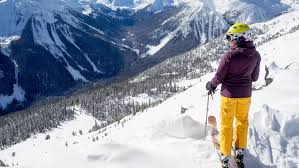
British Columbia, Canada
day pass
Opens in 16 days
published season date
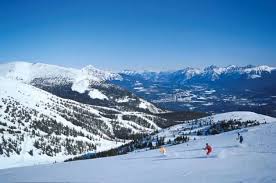
Alberta, Canada
day pass
Opens in 135 days
published season date
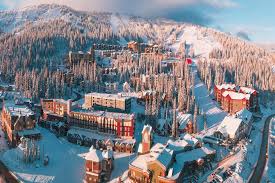
British Columbia, Canada
day pass
Opens in 7 days
published season date
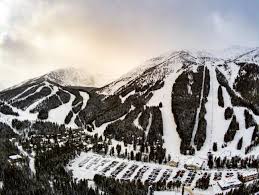
Alberta, Canada
day pass
Opens in 15 days
published season date
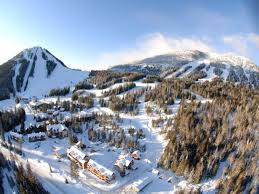
British Columbia, Canada
day pass
Opens in 23 days
published season date
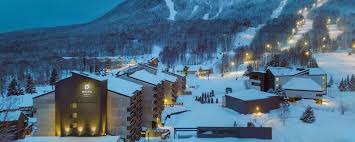
Quebec, Canada
day pass
Opens in 16 days
published season date
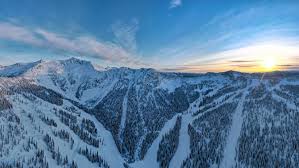
British Columbia, Canada
day pass
Opens in 15 days
published season date

Jasper, Alberta, Canada
day pass
Opens in 135 days
published season date
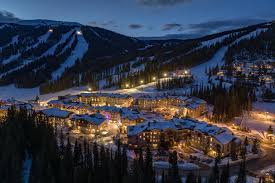
British Columbia, Canada
day pass
Opens in 2 days
published season date
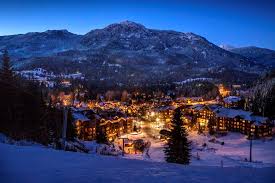
British Columbia, Canada
day pass
Snow report pending
updates in season
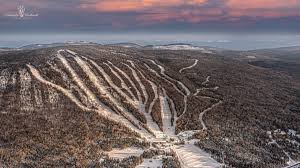
Quebec, Canada
day pass
Opens in 16 days
published season date
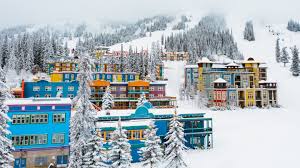
British Columbia, Canada
day pass
Snow report pending
updates in season
British Columbia, Canada
day pass
Opens in 42 days
published season date
Alberta, Canada
day pass
Snow report pending
updates in season
Quebec, Canada
day pass
Opens in 6 days
published season date
British Columbia, Canada
day pass
Opens in 22 days
published season date
British Columbia, Canada
day pass
Opens in 16 days
published season date
Alberta, Canada
day pass
Snow report pending
updates in season
Quebec, Canada
day pass
Opens in 7 days
published season date
The best time for heliskiing in Canada largely depends on your preference. Early season (late November to mid-December) can offer light, dry powder but with potentially less terrain open. Mid-winter (late December to February) is peak season for consistent, deep powder and is generally considered the prime window. Spring (March to April) brings longer days, more stable snowpacks for high-alpine access, and often warmer temperatures, ideal for corn skiing. Resorts like Sun Peaks, opening November 21, 2026, and Mt. Norquay, closing April 19, 2027, highlight the full seasonal range available across Canada.
The cost of a Canadian heliskiing trip varies significantly based on the operator, duration, and package inclusions. Expect to pay anywhere from around €1,000 for a single-day package to well over €10,000 for multi-day, all-inclusive trips. These prices typically cover helicopter flights, guide services, safety equipment, and sometimes accommodation and meals. For comparison, a 6-day pass at a resort like Big White is around €654, demonstrating the premium nature of heliskiing. Always confirm what is included in your chosen package to avoid surprises.
Heliskiing is generally reserved for advanced to expert skiers and snowboarders. You should be comfortable skiing or riding in varied, untracked snow conditions, including deep powder, crud, and potentially steep, challenging terrain. Resorts like Whitewater and Red Mountain, categorized as 'expert' and 'advanced' respectively, provide excellent training grounds for developing the necessary skills. While athletic ability is important, a strong sense of adventure and the ability to follow guide instructions are equally crucial for a safe and enjoyable experience.
British Columbia is by far the most renowned region for heliskiing in Canada, particularly the Kootenay and Coast Mountain ranges. Areas around resorts like Whitewater, Red Mountain, and Sun Peaks benefit from abundant snowfall and vast, accessible backcountry terrain. Alberta also offers options, often leveraging the proximity to the Rockies near resorts like Castle Mountain. These regions boast a high concentration of experienced operators and diverse terrain, from open bowls to gladed tree runs, catering to various preferences and conditions throughout the season.
Essential gear for heliskiing includes powder-specific skis or a snowboard, a comfortable backpack, and appropriate layers for varying weather conditions. Many operators provide powder skis as part of the package. Crucially, you'll need avalanche safety equipment: a transceiver, shovel, and probe. Most heliskiing companies provide these and require their use, often including a safety briefing. While resorts like Mt. Washington Alpine Resort offer rental options for resort skiing, specialized heliskiing gear should be sourced through your operator or brought from home for optimal performance and safety.