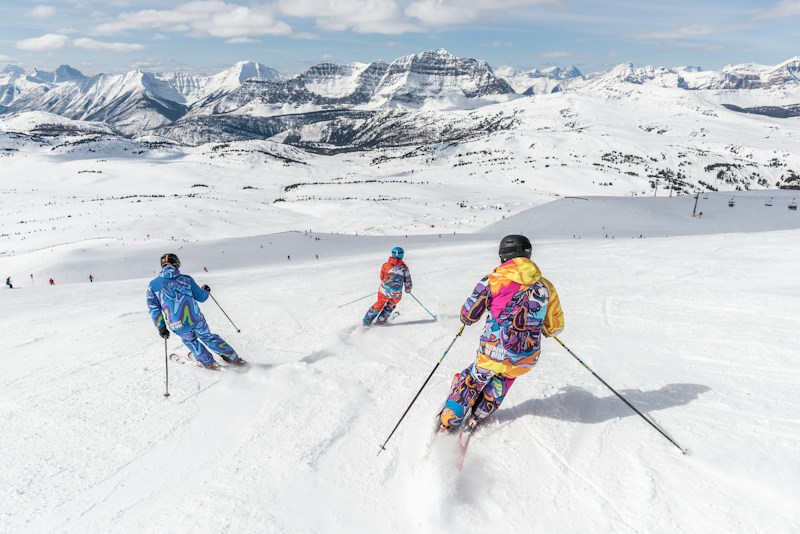
Kicking Horse
Golden, British Columbia, Canada
€126
day pass
Opens in 16 days
published season date
Our top picks for best ski resorts in canada 2027 are Kicking Horse, Banff Sunshine, Panorama, Revelstoke Mountain Resort and Fernie Alpine Resort, ranked from live snow depth, verified 2026/27 lift-pass prices and confirmed opening dates.
Canada offers a remarkable array of ski resorts dedicated to adaptive and inclusive winter sports, ensuring everyone can experience the joy of the slopes. With 81 resorts across the country matching this category, the focus is on accessibility, specialized instruction, and appropriate terrain. From British Columbia's vast mountain ranges to Quebec's historic peaks, these destinations are equipped with programs and facilities designed to support skiers and snowboarders of all abilities. Planning is key, as specialized services often require advance booking, particularly during peak seasons, to secure instructors and adaptive equipment.
When selecting a resort, consider factors beyond just snow quality, such as dedicated adaptive ski schools, accessible lodging, and suitable terrain. Many resorts boast diverse runs, from gentle greens ideal for learning to challenging blacks for advanced adaptive athletes. The provided data highlights several excellent options, including family-friendly destinations and those known for powder. Understanding the seasonal variations in conditions and program availability will help optimize your adaptive ski trip, ensuring a fulfilling and accessible experience in Canada's stunning winter landscapes.
For adaptive skiers, securing specialized instructors and equipment early is crucial. Many resorts, like Big White and Sun Peaks, open in late November, offering excellent early-season conditions. Book your adaptive lessons and equipment rentals well in advance of the season start to ensure availability, especially if you plan to visit during December, when demand for accessible services begins to rise. This proactive approach guarantees a smooth start to your ski trip.
Midwinter brings consistent snow and prime conditions for adaptive skiing. Resorts like SilverStar and Apex Mountain Resort, known for their family-friendly and intermediate terrain, are ideal. Their well-groomed runs and varied slopes provide excellent environments for adaptive athletes to progress. Look for resorts with clearly marked accessible routes and dedicated support staff to maximize your midwinter experience, ensuring safety and enjoyment on the snow.
As spring approaches, longer days and softer snow can be advantageous for adaptive skiers. Resorts like Mt. Norquay, with its season extending into April, often have reduced crowds, making it easier to navigate the slopes and access facilities. While some resorts may begin to close, those with higher elevations or extended seasons continue to offer excellent conditions. Confirm adaptive program availability as the season winds down, as schedules may change.
Adaptive skiing can involve additional costs for specialized instruction and equipment. Resorts like Stoneham Mountain Resort, with day passes around €65, and Mt. Washington Alpine Resort, around €77, offer more budget-friendly options. Compare 6-day pass prices, such as Apex Mountain Resort at around €395, to find the best value. Inquire about adaptive program pricing well ahead of time, as some resorts offer discounted rates for participants or their support persons.
Selecting a resort with suitable terrain is paramount for adaptive skiing. For beginners, Big White and Sun Peaks offer extensive, gentle slopes. Intermediate adaptive skiers might enjoy SilverStar or Mt. Washington Alpine Resort's diverse runs. For more advanced adaptive athletes, Whitewater Ski Resort provides challenging powder and tree skiing. Always consult with the adaptive program staff to match your skill level with the resort's terrain offerings for a safe and enjoyable experience.
Live prices and weather — click any resort to see the full forecast, lift status, and trail map.
Golden, British Columbia, Canada
day pass
Opens in 16 days
published season date
Alberta, Canada
day pass
Snow report pending
updates in season
Invermere, British Columbia, Canada
day pass
Opens in 15 days
published season date
British Columbia, Canada
day pass
Opens in 9 days
published season date
British Columbia, Canada
day pass
Opens in 15 days
published season date
British Columbia, Canada
day pass
Opens in 16 days
published season date
Alberta, Canada
day pass
Opens in 135 days
published season date
British Columbia, Canada
day pass
Opens in 7 days
published season date
Alberta, Canada
day pass
Opens in 15 days
published season date
British Columbia, Canada
day pass
Opens in 23 days
published season date
Quebec, Canada
day pass
Opens in 16 days
published season date
British Columbia, Canada
day pass
Opens in 15 days
published season date

Jasper, Alberta, Canada
day pass
Opens in 135 days
published season date
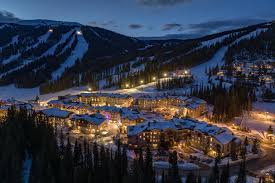
British Columbia, Canada
day pass
Opens in 2 days
published season date
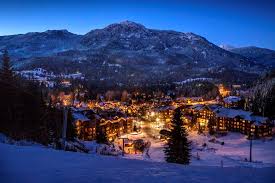
British Columbia, Canada
day pass
Snow report pending
updates in season
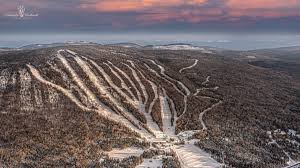
Quebec, Canada
day pass
Opens in 16 days
published season date
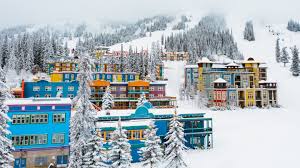
British Columbia, Canada
day pass
Snow report pending
updates in season
British Columbia, Canada
day pass
Opens in 42 days
published season date
Alberta, Canada
day pass
Snow report pending
updates in season
Quebec, Canada
day pass
Opens in 6 days
published season date
British Columbia, Canada
day pass
Opens in 22 days
published season date
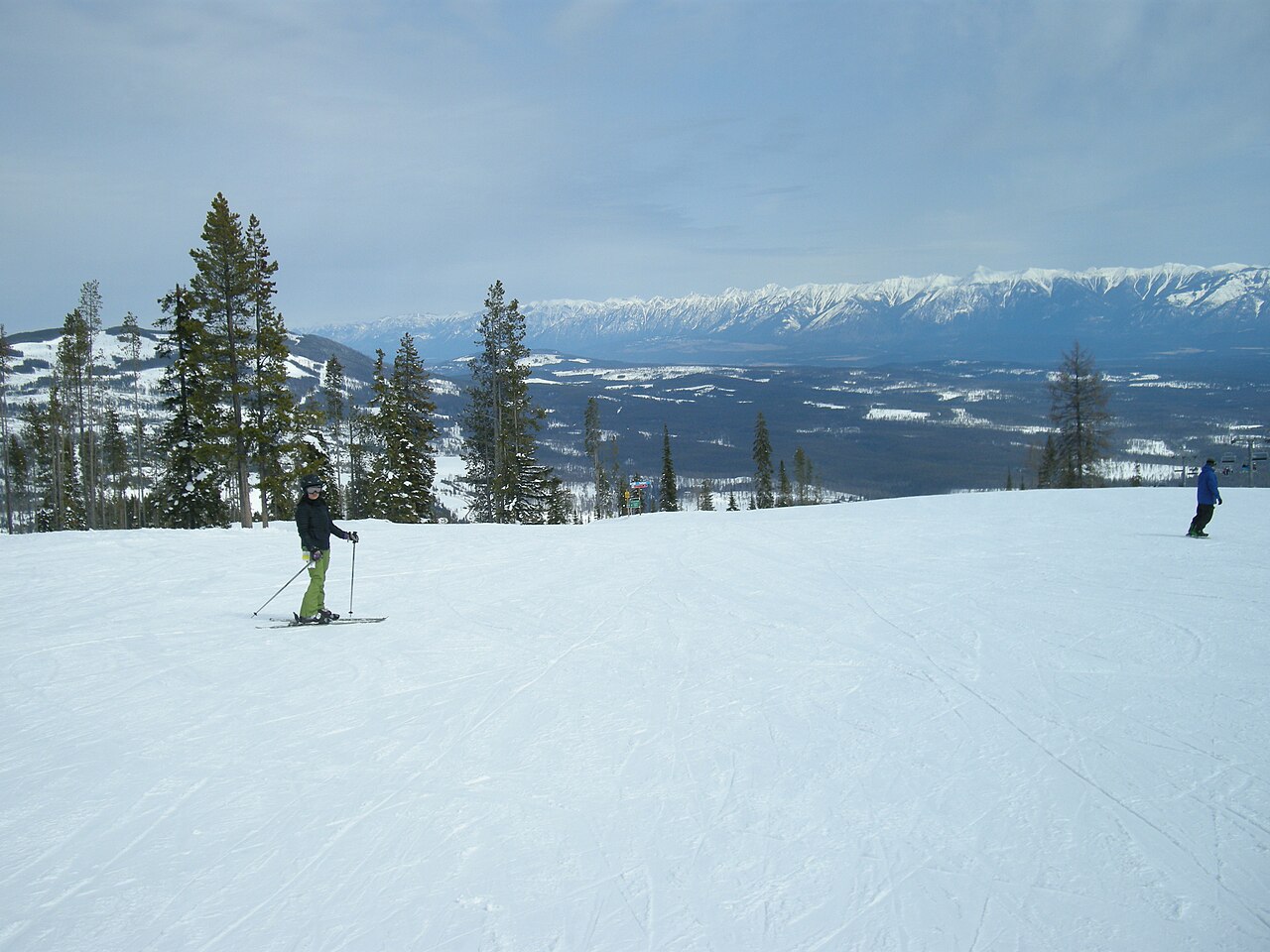
British Columbia, Canada
day pass
Opens in 16 days
published season date
Alberta, Canada
day pass
Snow report pending
updates in season
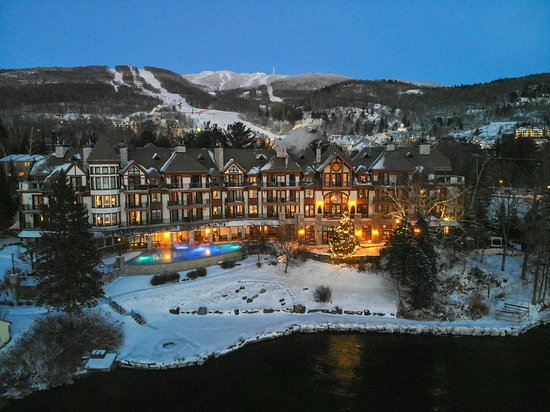
Quebec, Canada
day pass
Opens in 7 days
published season date
When choosing an adaptive-friendly resort in Canada, prioritize dedicated adaptive ski schools with certified instructors trained in various adaptive techniques (e.g., sit-skiing, stand-up skiing). Check for accessible facilities, including lodges, restrooms, and on-mountain dining. Terrain variety is also crucial; look for resorts with a good mix of groomed runs suitable for different skill levels. Resorts like Big White and SilverStar are known for their family-friendly environments, which often translates to good accessibility. Always contact the resort's adaptive program directly to confirm their offerings and book services in advance, especially for specific equipment or instructor needs.
Booking adaptive lessons and equipment typically requires direct contact with the resort's adaptive sports program or a partner organization. It's highly recommended to book several weeks, or even months, in advance, especially for peak season dates or if specific equipment (like a bi-ski or mono-ski) is needed. Many resorts, such as Sun Peaks and Apex Mountain Resort, have established adaptive programs. Provide details about the skier's abilities and needs during booking to ensure the best match with instructors and equipment. Confirm pricing, lesson duration, and any required waivers ahead of your arrival.
The 'best' time depends on individual preferences and adaptive needs. Early season (late November to mid-December) can offer good snow and fewer crowds, but some programs might have limited availability. Midwinter (January to February) generally provides the most reliable snow depths and full program schedules, though resorts like Whitewater Ski Resort or Castle Mountain Resort can be busier. Spring skiing (March to early April) often brings warmer temperatures, softer snow, and longer daylight hours, which can be very comfortable for adaptive skiers, and resorts like Mt. Norquay extend their season well into April. Always check specific resort opening and closing dates and program availability.
Yes, several Canadian resorts offer more affordable options for adaptive skiers. While specialized adaptive programs can incur additional costs, comparing day pass and 6-day pass prices can help. Stoneham Mountain Resort, with a day pass around €65, and Mt. Washington Alpine Resort, around €77, are examples of more budget-friendly destinations. Look for resorts that might offer discounts for adaptive participants or their accompanying support persons. Traveling during off-peak times (early December or late March/early April) can also lead to savings on accommodation and lift tickets. Always inquire directly about adaptive program costs and any potential financial aid or grants available.
Canadian adaptive ski programs offer a range of specialized equipment to cater to various disabilities. Common adaptive equipment includes sit-skis (mono-skis and bi-skis) for individuals with lower limb impairments, outriggers for balance, and adaptive snowboards. Some programs may also provide specialized harnesses or tethers for guided skiing. Resorts often have a limited inventory of each type of equipment, so reserving what you need well in advance is critical. Always discuss your specific requirements with the adaptive ski school when booking to ensure they can accommodate your needs, particularly at resorts like Red Mountain which caters to advanced adaptive skiers.