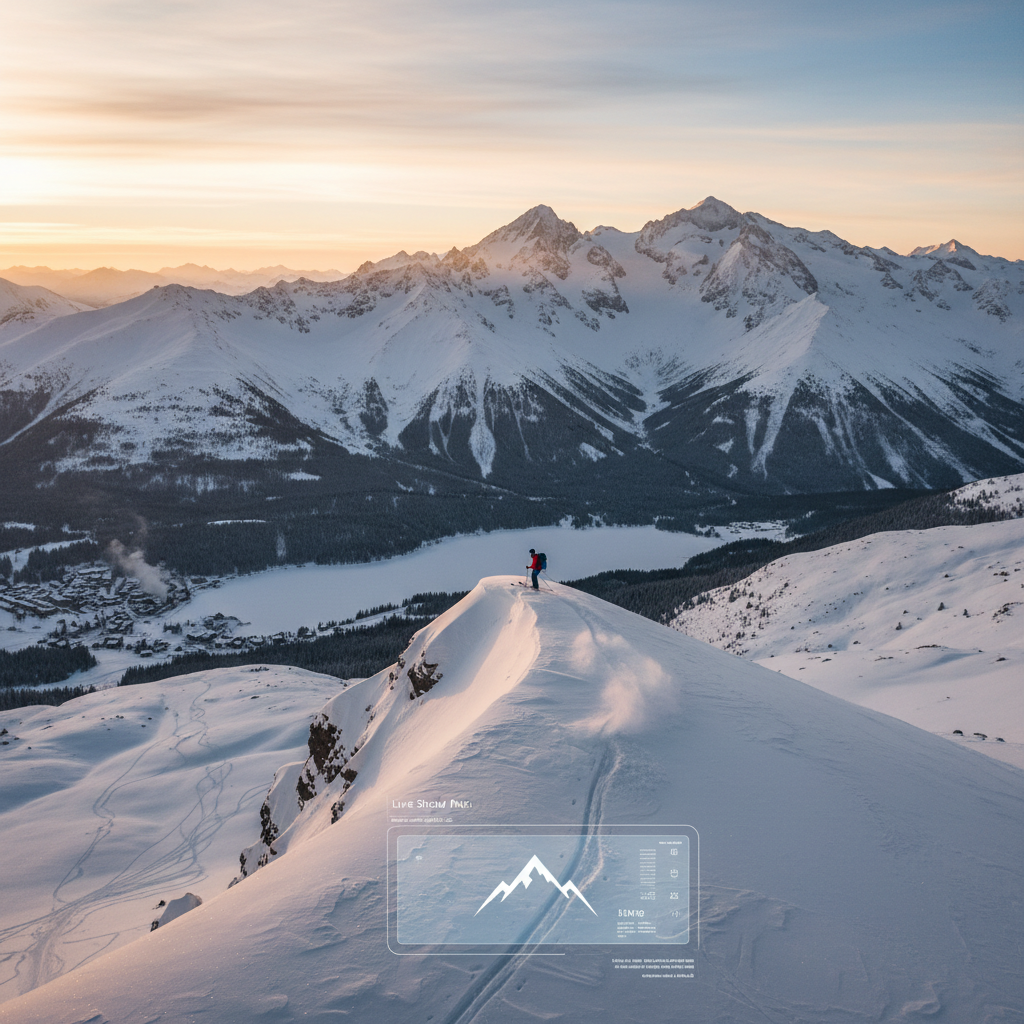
Top 50 Questions Our AI Ski Concierge Gets Asked — and the Answers Using Live Snow Data
# Top 50 Questions Our AI Ski Concierge Gets Asked — and the Answers Using Live Snow Data
If you have ever asked a generic chatbot where to ski in March, whether the snow is better in the Alps or North America, or if a resort is good for first-timers, you have probably noticed the problem: the answer sounds polished, but it is not actually ski-smart. Ski trip planning is one of those travel decisions where context matters enormously. Snow depth, lift status, altitude, aspect, wind, avalanche risk, queue times, family terrain, and village layout can all change the answer completely.
That is exactly why a domain-specific tool beats a generic chatbot. Our AI Ski Concierge is built to answer ski questions the way an experienced resort specialist would: by combining resort knowledge, live conditions, and skier intent. Instead of guessing, it can pull from live weather and snow data sources such as Snow-Forecast, OnTheSnow, Skiinfo, and freeride-oriented reports to help skiers make better decisions. If you want to see the product in action, try the AI Ski Concierge and compare it against a general-purpose AI.
Below, we have grouped the 50 most common questions into themed sections. Each answer is short, practical, and designed like a real trip-planning response — the kind of thing skiers actually search for. Wherever useful, we reference popular resorts and regions such as Austria, France, Switzerland, Italy, the Rockies, and Scandinavia.
1) Snow conditions: the questions skiers ask first
1. Where is the best snow in Europe right now?
Our AI Ski Concierge compares snow depth, snowfall history, elevation, and aspect before making a recommendation. In practice, the best snow usually clusters in high-altitude, glacier-assisted, or north-facing resorts in the Alps, especially places like Val Thorens, Zermatt, and St. Anton when a fresh cycle hits. For live-planning, the concierge checks current snowfall forecasts from sources like Snow-Forecast and recent condition reports from resort trackers before ranking options.2. Which resorts are most snow-sure in April?
Snow-sure spring skiing is about altitude, glacier exposure, and reliable overnight freezes. Our AI typically points toward the Alps high points and can also recommend resources like snow-sure resorts for April when users want the safest late-season bets. In general, higher bases and north-facing terrain beat lower, sun-exposed villages once temperatures rise.3. Is there enough snow for a family ski trip in February?
February is usually a strong month, but the answer depends on the region and the exact week. The AI checks recent snowfall totals, base depth trends, and open-terrain percentages, then suggests family-friendly resorts such as Whistler Blackcomb or Courchevel if conditions are stable. For a broader view, our family ski resorts guide helps you pair snow reliability with easy logistics.4. How much snow is actually on the mountain today?
This is one of the most common live-data questions, and it is exactly where generic AI falls short. The concierge pulls the latest reported snow depths and recent snowfall numbers, then flags whether the headline figure is base depth, summit depth, or a combined mountain average. That matters because a resort may advertise big totals while only part of the mountain is skiing well.5. Which resorts have the best powder potential?
Powder is about storm track, elevation, and terrain shape as much as total snowfall. The concierge typically highlights freeride-friendly destinations like Chamonix, Verbier, and top terrain in the Rocky Mountains when the forecast supports it. For deeper trip planning, check our off-piste skiing guide before booking.6. Are snow conditions better in the Alps or the Rockies?
That depends on what kind of skiing you want. The Alps often win for density of resorts, lift infrastructure, and short transfer times, while the Rockies can deliver lower humidity, excellent powder retention, and bigger vertical. For a full side-by-side breakdown, see our Alps vs Rockies comparison, which the AI uses as a baseline before refining the answer with live conditions.7. Which resorts are best for guaranteed early-season snow?
The answer usually favors high-altitude or glacier-linked destinations. The concierge often recommends Val Thorens, Zermatt, and select resorts listed in our early season destinations guide. The key is not just snowfall; it is whether enough terrain can open safely and consistently in November and December.8. Is there a good budget resort with reliable snow?
Yes — but budget and snow-sure do not always overlap. The AI often points users toward budget ski resorts in Europe and then filters by altitude and recent snowfall to avoid false bargains. In many cases, the best value comes from lesser-known resorts in Austria or higher villages in Italy.2) Budget and value: how to ski smart without overspending
9. What is the cheapest way to ski the Alps?
The cheapest trip is usually a combination of shoulder-season travel, self-catering accommodation, and a resort with efficient lift access. Our concierge routinely compares lift pass value, ski-in/ski-out premiums, and village prices, then suggests places featured in cheapest Alps resorts. Big-name resorts can be worth it, but only if you ski enough to justify the cost.10. Which country offers the best value for money?
For many skiers, Austria remains the value leader because it balances lift quality, village charm, and competitive pricing. Italy is also excellent for food value, while parts of France can be surprisingly strong in larger linked areas if you book early. Our budget ski resorts Europe guide is the easiest place to compare the economics.11. Are lift passes getting more expensive?
Yes, and that is one reason live-data planning matters. The concierge checks published pass prices where available and compares them with mountain size and current snow coverage, because a cheaper pass is not good value if half the area is closed. If you are deciding between premium and mid-market destinations, the AI can highlight the resorts where lift cost per skiable kilometer looks strongest.12. Is it worth paying for a famous resort?
Sometimes absolutely, sometimes not at all. If you are advanced and want long runs, glacier access, or top-tier après, paying more for places like Zermatt or Courchevel can make sense. But if your goal is simply to ski a lot for less, the concierge often points you toward less famous but high-performing resorts in Austria or Sweden.13. What is the best cheap family ski destination?
The best family value combines affordable lodging, short transfer times, and beginner-friendly terrain. The AI often recommends resorts from our family-friendly ski resorts and then filters them by ski school reputation and snow reliability. That usually beats choosing a famous but overpriced resort that is hard work with children.14. Can I ski a major resort on a small budget?
Yes, if you are strategic. The concierge suggests booking off-peak, staying in a nearby village, and using a smaller access sector instead of full-area lift passes every day. In France and Switzerland, that can make a dramatic difference to total trip cost.15. What is the best value in North America?
North America is broad, but the Rockies often offer the strongest mix of snow quality and terrain scale. The concierge compares U.S. and Canadian options via our North America overview and then narrows things down based on trip length, airfare, and whether you want bowls, trees, or family terrain.3) Families, beginners, and confidence-building
16. What are the best resorts for first-time skiers?
The best beginner resorts have gentle learning zones, intuitive lift systems, and calm village layouts. Our AI Ski Concierge favors resorts listed in the beginner-friendly resorts guide and often points to areas with dedicated beginner zones rather than just “easy” runs hidden in large mountains. Convenience matters as much as slope angle when you are learning.17. Which resorts are best for kids?
The best kids’ resorts combine ski school quality, compact accommodation, and reliable snow near the nursery slopes. The concierge usually prioritizes family-friendly destinations with simple logistics and enough variety for mixed-ability groups, which is why places like Courchevel and several Austrian resorts often rank well. For a wider shortlist, start with our family ski resorts overview.18. Are Scandinavian resorts good for families?
Yes, especially if you want calm terrain, easy navigation, and less intimidation. Resorts in Scandinavia such as Åre and Trysil are often excellent for family groups because the atmosphere is relaxed and ski schools are well organized. The trade-off is usually a shorter season and a different snow profile than the Alps.19. Which resorts are best for nervous intermediate skiers?
Nervous intermediates need wide blues, good signage, and lifts that reduce pressure. The concierge often recommends resorts with extensive cruising terrain rather than steep expert zones, and it can use live open-piste data to confirm that the easiest sectors are actually skiing well today. That is where a ski-specific AI outperforms a generic travel bot.20. Is France or Austria better for families?
Both are strong, but they suit different priorities. France tends to win for purpose-built ski villages and huge linked terrain, while Austria often feels warmer, more traditional, and better value. If you are weighing options, the AI can pair destination style with snow conditions and school age requirements.21. What is the easiest resort for a mixed-ability family?
The easiest resort is not always the biggest one; it is the one where everyone can access the right terrain without stress. Whistler Blackcomb works well for breadth, while a compact European resort may be simpler for short transfers and childcare logistics. The concierge’s job is to match the resort to the family, not force the family into the resort.4) Lift queues, terrain access, and “what is open today?”
22. Where are the shortest lift queues right now?
Queue times are one of the most important live-data use cases, especially on powder days and school holidays. The concierge checks mountain-scale patterns, holiday calendars, and current open terrain to predict bottlenecks, then flags alternatives like less crowded sectors or earlier start times. If you want to avoid standing in line, ask the AI before you book and again the night before you ski.23. Which resorts have the best lift systems?
Modern lift infrastructure can transform a trip. The AI often highlights major Austrian, French, and Swiss resorts where gondolas, high-speed chairs, and logical linkages minimize downtime, especially in places like St. Anton or Verbier. Good lifts matter even more in bad weather or when visibility is poor.24. How much of the mountain is open today?
The concierge looks at live open-lift and open-run information to answer this properly. A resort with 60% of terrain open at high altitude can be a better choice than a lower resort with 80% open but slushy conditions. This is why we built the product around live ski-operational data rather than static resort descriptions.25. Which resorts are best when visibility is poor?
When storms roll in, tree skiing, clear signage, and efficient gondolas become critical. The AI tends to recommend places with strong intermediate-friendly lift networks or sheltered terrain, and it can also suggest conservative lines when weather turns. In many cases, resorts in Austria and some Canadian mountains perform especially well in flat-light conditions.26. Which resorts are best for advanced skiers who hate crowds?
Crowd avoidance is a mix of terrain spread, access style, and timing. The concierge often suggests expert-focused zones from our expert ski resorts overview and combines that with live weather and holiday data to find quieter windows. Bigger is not always better, but bigger usually gives you more ways to disappear.27. Should I ski weekends or weekdays?
If you have the choice, weekdays are usually better for queues and piste quality. The AI can compare holiday periods, forecast snowfall, and opening patterns to tell you whether a Friday arrival or Tuesday departure will materially improve your experience. That kind of advice is exactly why an AI concierge should behave like a trip strategist, not a search engine.5) Off-piste, powder chasing, and advanced terrain
28. Where should powder hunters go after a storm?
The best answer depends on storm direction, wind loading, and lift protection. The concierge often points to freeride hubs like Chamonix, Verbier, and selected destinations in the Rockies, then cross-checks the latest snowfall and wind forecasts before making a call. Always pair this with local mountain guidance and avalanche awareness.29. Which resorts are safest for off-piste beginners?
The safest off-piste learning environments are not just about powder; they are about approachable terrain and access to guides. Our AI often recommends resorts with strong instruction ecosystems and refers users to our off-piste destinations guide when they are ready to progress. If the snowpack is unstable, the answer should always be: hire a guide and stay conservative.30. Is there good freeride skiing in Italy?
Yes, especially in the high Alps and in the Dolomites when conditions align. The concierge often considers Italy and the Dolomites for skiers who want scenic terrain with strong mountain culture. It will also temper enthusiasm with live snowfall and wind data, because pretty mountains do not guarantee safe powder.31. Which Swiss resort is best for experts?
Zermatt and Verbier are frequent expert picks because they combine vertical, serious terrain, and high-end infrastructure. The AI can compare them in real time based on snowfall, open terrain, and weather windows. For many advanced skiers, the deciding factor is not which resort is “best” in the abstract, but which one is best today.32. Where should advanced skiers go in Austria?
Austria has a deep bench of expert terrain, and St. Anton is one of the best-known examples. The concierge can also steer skiers toward best Austrian ski resorts depending on snow quality, off-piste access, and whether the group wants nightlife or pure skiing. Austria often gives strong value to confident skiers who want challenging terrain without Swiss price levels.33. What is the best resort for steep skiing and big vertical?
For steep skiing, the AI looks for altitude, lift access to high terrain, and enough snow to keep the good lines skiable. In Europe, that usually means the high Alps; in North America, it often means the Rockies or top-end Canadian terrain. The answer changes by day, which is why live data is so important.6) Travel logistics, transfer times, and planning realities
34. Which resorts are easiest to reach from the airport?
Easy access is often the hidden factor that makes a trip feel smooth or stressful. The concierge weighs transfer time, road complexity, train options, and weather exposure, then suggests resorts with practical arrival patterns rather than just famous names. This is especially useful for short breaks in France or Austria.35. Should I choose a train-access resort?
If you want lower hassle and a smaller carbon footprint, yes. The AI can prioritize resorts with efficient rail links and recommend simple transfers into major Alpine destinations, especially across the Alps. Train-access becomes even more compelling for weekend trips where airport transfers eat too much of your skiing time.36. What is the best resort for a short ski break?
Short breaks work best in resorts with fast transfers and a compact ski area you can learn quickly. The concierge usually recommends destinations where you can arrive, settle, and ski the same day, rather than fighting a massive, complex mountain. In practical terms, that often means a smart choice in France or Austria.37. How far in advance should I book?
For peak weeks, earlier is almost always better, especially if you want the best location and lift-pass pricing. The AI uses seasonal demand patterns to tell you when to book lodgings, when to watch for flight deals, and when a resort is likely to sell out. That advice is especially useful for popular destinations like Val Thorens and Zermatt.38. What is the best resort for a late decision trip?
If you are booking late, you need a resort with reliable snow and flexible accommodation inventory. The concierge often defaults to high-altitude resorts in the Alps or snow-strong options in Canada and the Rockies where conditions are most likely to still be strong. Live data becomes critical here because the best late-booking choice changes with every storm cycle.7) Country and resort comparisons: the questions people actually debate
39. France or Switzerland — which is better?
France often wins for huge linked domains and purpose-built ski infrastructure, while Switzerland wins for scenery, precision, and polished mountain towns. The concierge can compare both through our best Swiss ski resorts guide and best French ski resorts guide before layering in current conditions. The right answer depends on your budget and your definition of “best.”40. Is Austria better than France for value?
Often, yes. Austria frequently offers a friendlier price-to-experience ratio, especially for skiers who want charming villages and good dining without paying ultra-premium resort prices. Our AI tends to recommend best Austrian ski resorts when value, atmosphere, and efficient skiing are the priorities.41. Are Swiss resorts worth the money?
If you want reliability, high-altitude skiing, and a polished overall product, they often are. The concierge can justify that premium by comparing snow security, mountain quality, and transfer convenience — not just reputation. For many skiers, Switzerland is a “worth it” destination when conditions are good and the trip is short but important.42. Is Italy underrated?
Absolutely. Italy can deliver excellent skiing, better food value, and a more relaxed pace, especially in the Dolomites and in classic resorts like Cortina d'Ampezzo. The concierge often recommends best Italian ski resorts to skiers who want style and substance without the biggest prices.43. What about Sweden vs Norway?
For Nordic skiing, the comparison is nuanced: Sweden is often praised for smooth resort layouts and broad appeal, while Norway can excel for family friendliness and scenic winter experiences. Our Sweden vs Norway comparison helps readers understand the differences, and the concierge uses it when someone wants a Northern Europe ski trip with fewer crowds.44. Is North America better for powder?
If your priority is consistent powder culture, the answer is often yes — especially in the Rockies and select Canadian mountains. But the Alps can absolutely outperform on a given week if the storm track lines up. That is why the concierge is designed to compare regions dynamically rather than rely on clichés.8) What our AI Ski Concierge adds beyond a normal search
45. Can the AI recommend a resort based on my skiing level?
Yes, and it should. The concierge asks about ability, confidence, and terrain preferences, then narrows the shortlist to resorts that actually match your style. This is more useful than sorting resorts by fame because a skier’s best resort depends on the terrain they enjoy, not the one everyone else is posting about.46. Can it help me choose between two resorts?
That is one of its strongest use cases. If you are choosing between, say, Chamonix and Verbier, it can compare current snow, likely crowding, access style, and terrain type in a structured way. It is like having a ski editor in your pocket.47. Can it explain open lifts and snow reports in plain English?
Yes, and that matters more than people think. Many skiers can see a wall of numbers but do not know whether the mountain is genuinely skiing well or merely technically open. The concierge turns live operational data into actionable advice, which saves time and avoids bad decisions.48. Can it build a trip around families, beginners, and advanced skiers together?
Definitely. This is where a ski-specific assistant shines: it can optimize for mixed groups, finding a resort with nursery slopes, intermediate cruising, and enough expert terrain to keep stronger skiers happy. That is exactly the kind of planning challenge that static resort pages alone cannot solve.49. Does it use live snow and weather data?
Yes — that is central to the product. The concierge is designed to interpret current snowfall, temperature, wind, and terrain status from ski-industry sources such as Snow-Forecast, OnTheSnow, Skiinfo, and resort reports, then convert those inputs into usable trip advice. It is not magic; it is just much more relevant than generic AI.50. Why is a ski-specific AI better than a general chatbot?
Because ski trip planning is a high-context decision. A generic chatbot can describe a resort, but our AI Ski Concierge can help you choose the right one based on live snow, lift access, skier type, budget, and timing — then back it up with practical recommendations. If you want a smarter way to plan your next trip, use our ski-specific AI assistant and compare the answers yourself.Final takeaways: how to use the AI Ski Concierge well
The best ski planning happens when you combine three things: live conditions, honest skier profiling, and smart regional comparison. That is why our concierge works best when you ask it detailed questions like “best snow-sure family resort in the Alps this week” or “which intermediate resort has the shortest queues today?” rather than vague prompts.
If you are planning a trip now, start with the region pages for France, Austria, Switzerland, Italy, and the Rockies, then use our guides to refine the shortlist. For budget-focused trips, check budget European ski resorts and our country-specific budget guides. For snow reliability, compare guaranteed snow resorts with the live forecast before you book.
The short version: ski travel is too dynamic for generic AI. If you want answers that reflect the mountain as it is today — not last season, not a brochure, and not a guess — the AI Ski Concierge is built for exactly that.