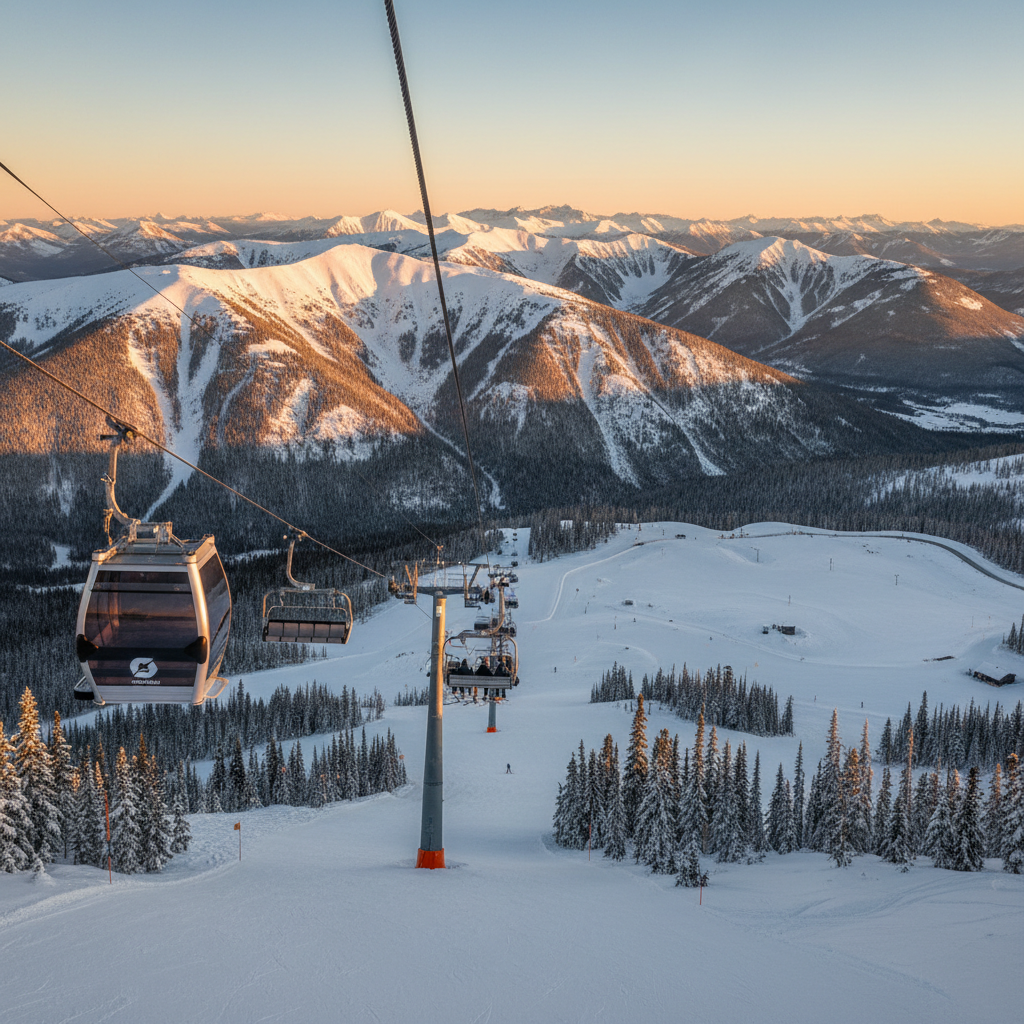
The Big Lift Revolution: New Ski Lifts and Terrain Expansions Transforming North America's Mountains
# The Big Lift Revolution: New Ski Lifts and Terrain Expansions Transforming North America's Mountains
The ski industry is experiencing an unprecedented wave of capital investment, with resorts across North America undertaking massive infrastructure upgrades and terrain expansions that will transform the skiing experience for years to come. Whether you're a seasoned powder hound or a family looking for beginner-friendly runs, the 2025-26 season promises exciting developments that will change how you experience your favorite mountains. In this comprehensive guide, we'll explore the most significant new ski lifts and terrain expansions happening right now, and we'll help you understand how these improvements benefit different types of skiers.
Why Ski Resorts Are Investing Heavily in New Lifts and Terrain
Before diving into the specific projects, it's worth understanding why resorts are making these massive capital commitments. New ski lifts and expanded terrain serve multiple purposes that benefit the entire skiing community. Modern high-speed lifts reduce wait times during peak periods, allowing more skiers to access terrain quickly and efficiently. They also provide better capacity management, distributing crowds across the mountain more effectively.
Terrain expansion is equally important because it accommodates the growing number of skiers while maintaining the quality of the experience. By increasing skiable acres, resorts can reduce crowding on popular runs and provide more variety for different skill levels. Additionally, strategic terrain development opens up new opportunities for advanced and expert skiers who crave challenging descents and off-piste options.
Utah's Mountain Transformation: Deer Valley and Park City Lead the Charge
Deer Valley's Historic Expansion
Deer Valley is undertaking one of the most ambitious expansion projects in North American ski history. The resort is literally doubling in size by adding over 2,300 acres of new terrain and opening 100 new ski runs. This transformation is being executed through the addition of 10 new chairlifts and one gondola, marking a fundamental shift in what Deer Valley offers to its guests.
The crown jewel of this expansion is the East Village Express Gondola, a 10-passenger gondola that runs from the base of the new East Village development to the top of Park Peak. This impressive piece of infrastructure will ferry skiers through a mix of beginner through expert runs, making it accessible to the entire ability spectrum. The gondola is complemented by six additional lifts, including the Pinyon Express and the Galena Express, which provide crucial access to the eastern portions of the expanded terrain.
What makes Deer Valley's expansion particularly noteworthy is the integrated approach to development. The resort isn't just adding terrain and lifts; it's building an entire new base village complete with hotels, dining options, and skier amenities. This holistic approach means that visitors will find improved infrastructure and services alongside the expanded skiing opportunities.
Park City Resort's Capacity Boost
Just down the road, Park City Resort is making significant improvements through the Sunrise Gondola project. This new 6,500-foot, 10-person gondola will replace the old Sunrise triple chairlift, dramatically increasing capacity from the Canyons base to mid-mountain. The capacity improvement is substantial—the new gondola can handle many more skiers per hour compared to the old triple chair.
Beyond pure capacity, the Sunrise Gondola offers important operational advantages. Unlike the old chair, it's able to operate on windy days, eliminating the frequent wind holds that plagued skiers in past seasons. This reliability improvement means more consistent access to mid-mountain terrain and faster throughput during peak skiing periods.
Colorado's Bold Lift Upgrades
Aspen Snowmass's High-Speed Investment
Aspen Snowmass is upgrading its Elk Camp quad with a high-speed six-person lift, significantly improving access to intermediate terrain in the Elk Camp area. This upgrade demonstrates the resort's commitment to reducing wait times and improving the overall user experience. The increased capacity is particularly beneficial during busy periods when intermediate skiers represent a large portion of the crowd.
Interestingly, this lift serves double duty in summer as a bike haul, and the upgrade will double the number of mountain bikes it can carry. This investment in year-round infrastructure shows how modern resorts are thinking strategically about seasonal operations and revenue diversification.
Purgatory Mountain's Terrain Strategy
Purgatory Mountain Resort is taking a different approach by combining a new lift with strategic terrain development. The new Gelande triple chairlift opens up five new runs and trail connectors, expanding both advanced and expert skiable acres on the frontside of the mountain. This development provides another summit access route that bypasses the Columbine and Village bases, improving traffic flow across the resort.
New England's Lift Revolution
Wachusett Mountain's Modernization
Wachusett Mountain is breathing new life into aging infrastructure by upgrading its 30-year-old Polar Express lift into a high-speed six-pack. The original lift had been faithfully serving skiers since 1994, but its replacement offers modern conveniences and operational flexibility. The new lift will have the ability to run at variable speeds to manage crowds effectively, and it features automatic restraint bars that lock for the entire ride, improving safety.
Loon Mountain's Connectivity Play
Loon Mountain in New Hampshire is addressing a different problem with its innovative Pulse Gondola. This lift is the first pulse gondola in New England and serves a unique purpose: it connects two base areas and provides transportation over the East Branch Pemigewasset River. While it doesn't directly serve terrain, the improved connectivity between base areas makes the resort easier to navigate and provides better access to the newly expanded South Peak terrain and the Timbertown Quad chair.
Montana's Modern Lift System Build-out
Big Sky continues its march toward having North America's most modern lift system by replacing its 1973-era Explorer double chair with a two-stage, 10-passenger gondola. This is a transformational upgrade that will carry an impressive 3,200 skiers per hour when completed. The new gondola will run from the village to the base of the Lone Peak Tram, offering improved access to the Explorer and Swift Current terrain.
Big Sky's systematic approach to lift modernization demonstrates long-term thinking about resort infrastructure. By progressively upgrading older lifts to modern standards, the resort is creating a cohesive system that enhances the overall experience.
Rising Stars: Regional Resorts Making Major Moves
Angel Fire Resort's Trail Explosion
Angel Fire Resort in New Mexico is experiencing significant growth with seven new trails added this winter, including the resort's first-ever double black diamonds. Beyond terrain, the resort added a new fixed-grip quad chairlift serving The Steeps, a new covered conveyor lift, snowmaking upgrades, and new snow groomers. For next winter, Angel Fire has plans for a new detachable high-speed six-pack chairlift from the base area, plus new ticketing and rental facilities.
Black Mountain's Resurrection Story
New Hampshire's Black Mountain represents an inspiring turnaround story. After nearly closing in 2023, the resort was revitalized by new ownership and has undergone extensive improvements. Recent additions include lift refurbishments, vast snowmaking enhancements, and new dining experiences. Most intriguingly, Black Mountain is developing new hike-to expert terrain pods that have increased the resort's vertical drop and appeal to advanced skiers.
Burke Mountain's Modest Growth
Burke Mountain in Vermont is pursuing a more modest but meaningful expansion with a $20 million CAD investment. The project includes renovating their chalet, modernizing the snowmaking system, and adding summer activities like a mountain biking park. With 44 trails, 18 glades, and 7 lifts spread across 245 skiable acres, Burke represents the kind of budget-friendly option that provides excellent value and a solid skiing experience.
Skeetawk's Ambitious Alaska Plans
Alaska's Skeetawk, which opened in 2020, is on an exciting growth trajectory. Currently featuring 30 skiable acres, two lifts, and 300 feet of vertical, the resort has made noteworthy investments including installing snowmaking, improving access roads, and adding a magic carpet lift. Their master plan includes securing funding for a new mid-mountain lift—potentially a gondola—followed by additional lifts for technical terrain. If fully completed, Skeetawk would become Alaska's largest ski area.
Western Canada's Back-Country Integration
Castle Mountain's Game-Changing Expansion
Castle Mountain in Alberta has brought back-country terrain into its lift-served portfolio through the new Stagecoach expansion. This addition increases the resort's existing 1,800 acres of lift-served terrain by 25%, a substantial boost that opens new possibilities for skiers seeking adventure. This strategic development shows how Canadian ski resorts are innovating to offer unique experiences and access previously inaccessible terrain.
Practical Advice for Planning Your Ski Trip Around New Developments
Timing Your Visit
When planning a ski vacation around newly opened terrain and lifts, timing is crucial. Early in the season, new terrain may not be fully developed or snow-covered. Mid-season (typically January through March) usually offers the best combination of complete terrain openings and solid snow conditions. However, during peak holiday periods, new lifts may still experience higher wait times as crowds take advantage of improved capacity.
Researching Current Status
Before booking your trip, check each resort's official mountain report and terrain status maps. Many resorts update these daily, providing real-time information about which new runs are open and lift operational status. This prevents disappointment and helps you plan your day effectively.
Taking Advantage of Capacity Improvements
New high-speed lifts dramatically change how you can experience a resort. With faster access to terrain, you can ski more runs in a single day. During peak times, hit newly-expanded terrain early in the day before crowds build up. The improved capacity management means your lunch break lines and afternoon descents should be smoother than in previous seasons.
Exploring New Terrain Types
When new runs open, they often represent additions to specific skill categories. Before your visit, research what types of new terrain have been added. Are they mostly beginner-friendly runs, or do they cater to advanced skiers? This knowledge helps you plan a day that matches your preferences and skill level.
The Broader Industry Picture
These widespread improvements across North America signal strong confidence in the ski industry's future. Resorts are investing hundreds of millions in new infrastructure, suggesting they anticipate strong demand and a vibrant skiing community for decades to come. From the Alps model of integrated lift systems to North American innovations in capacity management, the global ski industry is learning from best practices.
For skiers, this means the sport's infrastructure is evolving to become more efficient, accessible, and enjoyable. Whether you're an expert seeking new challenging terrain or a beginner looking for smoother progression through beginner areas, these developments improve your experience.
Planning Your Visit to Upgraded Resorts
If you're considering which resorts to visit based on new developments, consider your priorities:
For terrain variety: Deer Valley is the obvious choice with 100 new runs, offering something for everyone.
For capacity and crowd management: Park City, Aspen Snowmass, and Big Sky have made significant capacity improvements.
For value and emerging destinations: Consider Angel Fire or Burke Mountain, which are expanding their offerings at more accessible price points.
For adventure seekers: Castle Mountain in Canada offers exciting back-country access through new lift infrastructure.
Key Takeaways: What These Upgrades Mean for Your Next Ski Trip
The 2025-26 ski season represents an inflection point for North American skiing, with unprecedented investment in new lifts and terrain. Here's what you should remember:
1. Reduced wait times: High-speed lifts are replacing older chairs, meaning faster access to terrain and less time standing in line.
2. More terrain diversity: New runs are expanding options for all skill levels, reducing crowding on popular routes.
3. Better operational reliability: Modern lifts operate in windier conditions and offer improved weather tolerance.
4. Strategic access improvements: New lifts are opening previously difficult-to-access terrain and improving traffic flow.
5. Long-term investment: These expensive projects signal that resorts are committed to the sport's future and expect strong skiing for decades.
6. Emerging destinations: Smaller resorts like Skeetawk and revitalized properties like Black Mountain are becoming more competitive alternatives.
Whether you're planning a trip to a major destination like Aspen or exploring an emerging resort, the 2025-26 season offers exciting new reasons to get on the mountain. Check the latest trail maps, plan your visits strategically, and take advantage of these new developments that make skiing better than ever. The lift revolution is here, and it's transforming how we experience the mountains.