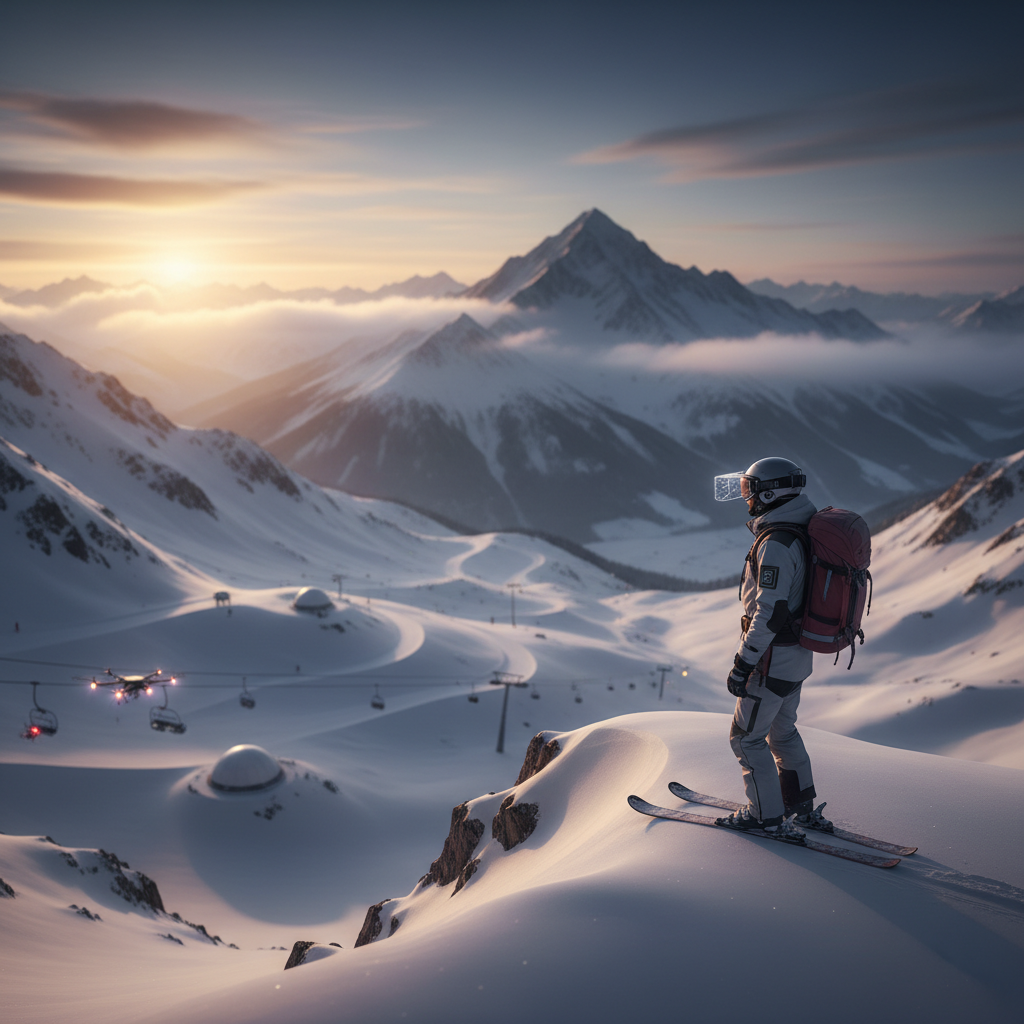
Ski Industry Trends and Innovations: How Modern Tech Is Changing Your Time on the Mountain
The Future of Skiing: Trends and Innovations Every Skier Should Know
If you still think of ski holidays as paper lift passes, clunky rental gear and reading the weather off a bar thermometer, you’re in for a surprise.
Over the past decade, the ski industry has quietly gone through a technology and sustainability revolution. Resorts are using data-driven snow forecasting, investing in greener infrastructure, and reimagining everything from lift design to on-mountain services. The result: skiing is becoming smarter, cleaner and more personalised.
In this guide, we’ll break down the key ski industry trends and innovations shaping your next trip, highlight real resorts embracing change, and give you practical tips to make the most of these developments – whether you’re chasing powder in the Alps or planning a big bucket-list trip to the Rockies.
1. Climate Pressure and the Rise of Snow-Sure Thinking
Warmer winters are reshaping ski planning
Most of the major ski news platforms now treat climate variability as a central topic. Warmer, more unpredictable winters mean resorts have to work harder to guarantee snow coverage, especially at low and mid-altitudes. For skiers, this is driving a clear trend:
- More demand for high-altitude, snow-sure resorts
- Longer spring seasons in glacier and northern resorts
- Growth in early-season trips to destinations that can open reliably in November
Artificial snow: smarter and more efficient
Snowmaking has existed for decades, but the innovation now lies in efficiency and precision:
- Modern snowmaking systems integrate real-time weather data, only running when temperature and humidity are optimal.
- Resorts invest in low-energy snow guns, reducing electricity and water usage.
- Some, particularly in the Italian Dolomites, run their systems off renewables and carefully managed reservoirs.
Practical advice:
- When browsing resorts in France, Austria or Switzerland, use our country pages – like French ski resorts or Austrian ski resorts – to compare altitude and snowmaking stats.
- If you’re tied to school holidays or Easter, favour destinations from our guaranteed snow resorts guide.
2. Sustainability: From Greenwashing to Real Change
Renewable energy and low-impact lifts
As snow reliability becomes a political and economic issue, leading resorts are now competing to show genuinely sustainable operations:
- Upgraded gondolas and chairlifts with energy-efficient motors.
- Resort-wide investments in solar, small-scale hydro, and wind power.
- Reduced use of heating oil in favour of district heating and modern insulation.
In Scandinavia, resorts in Norway and Sweden benefit from high national shares of renewable energy and strong rail connections. Our Scandinavia ski overview highlights options like Åre in Sweden and Hemsedal in Norway, both of which lean into sustainable branding and easy access by train or bus.
Beyond energy: ecosystems and water
The more nuanced innovations are happening in less obvious areas:
- Snowmaking water management – closed-loop systems that return meltwater to the reservoir.
- Slope maintenance designed to protect soil and vegetation, reducing erosion.
- Encouraging skiers to use reusable bottles, public transport, and shared transfers rather than private cars.
Practical advice:
- Want to align your skiing with greener choices? Consider rail-friendly hubs like Chamonix in France or Verbier in Switzerland – both featured on our French resorts and Swiss resorts pages.
- When comparing destinations for your next trip, weigh access options (train vs. flight), car-free villages, and renewables usage alongside traditional metrics like vertical and snow record.
3. Digital Transformation: Apps, Data and Smart Lift Passes
Mobile apps as your on-mountain command centre
Almost every major resort now offers a dedicated mobile app that packs an increasing amount of functionality:
- Interactive trail maps and live lift status
- GPS tracking of your runs, vertical and distance skied
- Real-time weather, avalanche reports and grooming information
- In-app restaurant reservations and ski school bookings
Cashless, contactless and dynamic pricing
Post-pandemic, the move to fully digital lift passes accelerated:
- You can buy an electronic pass online, load it to a card or phone, and go straight to the lift.
- Many areas introduced dynamic pricing, where midweek or off-peak days are cheaper, encouraging a smoother spread of visitors.
- On-mountain purchases – from coffee to rental upgrades – are increasingly cashless, improving speed and reducing queues.
Practical advice:
- Before you travel, download the official resort app for any large ski area. Use it to check wind closures, plan routes, and keep an eye on grooming.
- If you’re budget-conscious, look at our budget ski resorts in Europe guide and then check whether your chosen resort offers dynamic pricing or online discounts for early purchase.
4. Gear and Rental Innovations: Better Skiing with Less Hassle
Lighter gear, wider choice
The ski industry’s gear innovation continues at pace:
- All-mountain skis are now genuinely versatile, letting recreational skiers manage powder, crud and groomers with a single setup.
- Lighter materials in both skis and boots reduce fatigue and make it easier for intermediates to progress.
- Backcountry equipment – from pin bindings to avalanche airbags – has trickled down to mainstream rental fleets.
Premium rental and tailor-made setups
Resorts across the Alps and North America increasingly offer:
- Tiered rental categories: economy, performance, and premium.
- Pre-booked, in-chalet boot fitting and equipment delivery.
- The option to swap gear mid-week as conditions change.
Practical advice:
- When booking, provide honest information about your ability level and preferred terrain – rental shops can now match you to highly specific gear categories.
- Consider switching from a basic package to performance skis if you’re spending time in off-piste zones or tackling steeper reds and blacks.
5. The Boom in Backcountry and Off-Piste – And the Safety Tech Behind It
More skiers exploring beyond the pistes
One of the biggest recent trends has been the growth of *off-piste and backcountry interest:
- Skiers in advanced resorts like St. Anton, Verbier, and Chamonix increasingly book guided freeride days.
- North American destinations such as Whistler Blackcomb or Vail offer accessible sidecountry terrain just beyond lift-served boundaries.
- Better avalanche awareness campaigns
- Clearly marked controlled vs. uncontrolled terrain
- Integration of real-time avalanche bulletins into apps and screens in lift stations
Avalanche airbag backpacks and connected safety devices
Safety innovation has raced to keep up with this trend:
- Airbag backpacks reduce burial severity in certain avalanche conditions.
- Light, reliable digital transceivers have become standard in guided freeride groups.
- Some brands experiment with connected devices that can relay location data or send SOS signals.
- If you’re curious about off-piste, start in a resort with strong safety culture and accessible guiding – our off-piste destinations guide is a good first stop.
- Never venture into avalanche-prone terrain without the full triad of
6. Family and Beginner Focus: Making Skiing More Inclusive
Kinder slopes, better signage and smarter progression
To grow the sport, resorts are investing in making skiing
less intimidating for newcomers:- Expanded
Childcare, ski schools and non-ski activities
The modern family ski resort is no longer just about nursery slopes:
- Dedicated
- If you’re travelling with kids, use our family-friendly ski resorts guide to shortlist destinations that offer robust childcare and gentle terrain.
- Check resort apps or websites in advance for
7. The Experience Economy: Beyond Skiing
Food, wellness and events
Another major trend: resorts are competing not just on terrain but on
overall experience.You’ll see:
- More
Summer diversification
To reduce dependence on winter revenue, many resorts now push
all-season tourism:- Mountain biking, hiking and trail running.
- Climbing, via ferrata and zip-lines.
- Scenic lift rides and alpine co-working spaces.
- If you value good food and spa time as much as steep runs, shortlist premium destinations like
8. Regional Trends: Alps vs Rockies vs Scandinavia
The Alps: scale and innovation
The
Alps remain the epicentre of global ski innovation:- Huge interconnected domains like the
Rockies and North America: service and snow culture
In the
Rockies, resorts like Vail, Aspen and Whistler Blackcomb lead the way in guest service and snow culture:- Strong emphasis on grooming, signage and wayfinding.
- A long history of
Scandinavia and the North: cold-weather reliability
Resorts in
Sweden, Norway and Finland benefit from colder average temperatures, making them increasingly attractive as climate change bites:- Long seasons with stable snow in places like
- Use our Alps vs Rockies comparison guide if you’re torn between a European road trip and a long-haul North American adventure.
- For late-season skiing, consider a mix of
9. Pricing, Accessibility and the Push to Keep Skiing Affordable
Rising costs and creative solutions
Lift pass prices, accommodation and travel costs have all risen in recent years, making skiing feel more exclusive than in the past. In response, the industry is experimenting with:
Budget resorts and strategic planning
For skiers, the key trend is learning to work around price spikes rather than giving up on skiing altogether. Our budget ski resorts in Austria, budget French resorts and budget Italian ski resorts guide highlight destinations where you can still find value.
Practical advice:- Travel
10. Actionable Takeaways: How to Use These Trends on Your Next Trip
Trends and innovations are only useful if they help you make better decisions. Here’s how to take advantage of the ski industry’s evolution when planning your next holiday.
1. Prioritise snow reliability intelligently
- Combine
2. Factor sustainability into your choice
- Look for
3. Take full advantage of digital tools
- Download the
4. Upgrade your rental strategy
- Be honest with your
5. Respect the off-piste safety ecosystem
- Never rely purely on technology; safety still depends on
6. Make the most of family and beginner-focused resorts
- When travelling with children or first-timers, choose resorts from our beginner ski resorts theme or family-friendly guide.
- Plan
7. Balance price, experience and innovation
- Use comparison guides (Alps vs Rockies, budget vs premium resorts) to match your