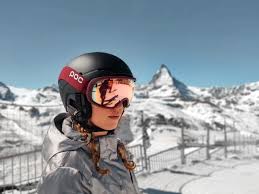
Italy’s New Ski Helmet And Insurance Rules For 2025–26: What Every Skier Must Know
Italy’s ski laws are changing fast, and for winter 2025–26 the country has introduced some of the strictest slope safety rules in Europe. All skiers and snowboarders now have to wear CE‑certified helmets and hold liability insurance if they want to use the lifts and pistes in Italian resorts. For anyone planning a ski holiday in the Dolomites, the Aosta Valley, or the Milky Way area, understanding these new regulations is essential to avoid fines, ski‑pass confiscation and ruined days on the mountain.
Why Italy changed the rules Italy has been tightening ski safety for several years, starting with a 2022 law that made third‑party liability insurance compulsory for all skiers and snowboarders on alpine slopes. For 2025–26, legislators have gone further, updating the slope safety code so helmet use is now mandatory for everyone, not just children and teenagers. The goal is to reduce head injuries, clarify who pays when accidents happen, and bring behaviour on the slopes in line with other “road‑like” environments where protection and insurance are already standard.
Hotels near Italy ski resorts
Italian resorts report that a large majority of visitors were already wearing helmets voluntarily, especially in big destinations like Dolomiti Superski. The new law is designed to close the remaining gap, so that beginners, occasional skiers and day‑trippers follow the same safety standards as experienced locals. At the same time, the insurance requirement gives injured parties a clear route to compensation when collisions happen on busy pistes.
Mandatory CE‑certified helmets The most headline‑grabbing change is that helmets are now compulsory for all winter sports participants using Italy’s marked slopes. That includes alpine skiers, snowboarders, telemark skiers, sledgers and tobogganers, regardless of age or skill level. Italian law specifies that the helmet must be CE‑certified, meaning it carries the “Conformité Européenne” mark and complies with relevant EU health and safety standards for impact protection.
There are two main CE protection categories for ski helmets: Class A, which typically includes full ear coverage and offers more extensive impact protection, and Class B, which tends to be lighter and more ventilated but leaves the ears exposed. Both classes are acceptable under the Italian rules as long as the helmet is properly certified and designed for snow sports rather than cycling, skateboarding or other activities. Families should double‑check older helmets, as very old or uncertified models may not meet the current standards and could be refused by slope police.
Enforcement and penalties on the slopes Italy backs up these new regulations with active enforcement by ski and slope police. Officers can check whether you are wearing a helmet, ask for proof of insurance and carry out random breathalyser tests if they suspect alcohol or drug use. If you are found skiing or snowboarding without a helmet or without valid liability insurance, you face on‑the‑spot fines and the risk of having your ski pass temporarily suspended.
Reported penalty ranges vary by offence, but information from official and resort sources indicates that skiing without mandatory insurance can trigger fines in the region of €100–150, plus confiscation of your pass. Failing to comply with helmet rules can lead to fines up to about €200 and multi‑day pass suspensions in some areas, especially where slope police run targeted checks. Resorts emphasise education and signage, but repeat or deliberate offenders should expect less leniency as the system beds in.
Alcohol, drugs and behaviour rules Italy’s slope code does not stop at helmets and insurance. Skiing or snowboarding under the influence of alcohol or drugs is explicitly banned, with a legal blood‑alcohol limit set at 0.5 g/l – similar to drink‑driving limits in many European countries. Exceeding this limit can bring fines typically between €250 and €1,000, and higher levels (around 0.8 g/l or more) may be treated as a criminal offence under Italian law.
In addition, the regulations include behavioural rules such as restrictions on climbing slopes with snowshoes outside emergencies and bans on eating and drinking while boarding or riding ski lifts. These provisions aim to keep loading areas flowing smoothly and reduce avoidable accidents in queues, on chairs and on busy piste intersections. For visiting skiers, the key takeaway is that lifts and slopes are treated more like regulated transport infrastructure than amusement rides.
How to comply with the insurance requirement Since January 2022, every skier and snowboarder on Italian alpine slopes must have third‑party liability insurance that covers damage or injury caused to others while skiing. This type of cover is often included as “personal liability” in comprehensive ski travel insurance policies, but not all basic policies meet the Italian requirements or cover off‑piste or park riding. Visitors should check the small print to ensure winter sports liability is explicitly included, not just medical expenses or baggage protection.
For those who arrive without suitable cover, many Italian resorts offer add‑on insurance at the ticket office for a small daily fee – often just a few euros per day when buying or recharging a ski pass. This can be an easy way to comply with the law, though cover levels and conditions vary, so more demanding skiers may still prefer a dedicated travel insurance policy with higher liability limits. In all cases, you must be able to show proof of insurance (digital or paper) if asked by patrols.
Practical tips for holidaymakers If you are planning a ski holiday in Italy this winter, there are a few practical steps that will keep you compliant and stress‑free. First, ensure everyone in your group has a modern CE‑certified ski helmet that fits well and is specifically designed for snow sports. Renting is fine as long as the rental shop offers certified models; reputable rental outlets across the Dolomites and other major ski areas already stock compliant helmets and are accustomed to the new rules.
Second, arrange winter sports travel insurance well before departure and confirm that it includes third‑party liability cover valid for Italy. Print a summary of your policy or save it offline on your phone so it is easy to produce if slope police perform spot checks. Third, treat the slopes with the same respect you would a road: avoid skiing after long lunches with heavy drinking, follow piste markings and slow down near lift stations, schools and crowded intersections.
Impact on families and beginners For families, these regulations bring extra peace of mind, especially on busy school‑holiday weeks when pistes are crowded with mixed‑ability skiers. Children and teenagers have had to wear helmets in Italy for some time, and extending the rule to adults creates a consistent safety culture where young skiers see everyone around them protected. Insurance requirements also help parents feel more secure when their children are learning, knowing that any collision they cause is backed by a formal liability framework.
Beginners and occasional skiers sometimes underestimate how quickly speeds build up, even on “easy” blue runs. Mandatory helmet laws help normalise protective gear from day one, reducing resistance from those who might otherwise skip helmets due to cost or style concerns. For ski schools and instructors, clear legal standards make it easier to set expectations and insist that all clients arrive with proper kit and insurance.
What this means for Italian ski resorts Italian resorts are working hard to communicate the new rules through websites, booking confirmations, on‑mountain signage and staff training. Major areas such as Dolomiti Superski have indicated that helmet use was already very high among their guests, but they have updated messaging and pricing structures to reflect the legal changes. Ticket offices often highlight the optional daily insurance add‑on and remind guests that helmets are non‑negotiable on the slopes.
In the medium term, Italy’s strict approach could become a model for other alpine countries, especially if accident statistics show a reduction in severe head injuries and costly liability disputes. For now, Italy stands out as one of the most regulated ski destinations in Europe, particularly in the way it combines compulsory helmets, mandatory liability insurance and active policing of alcohol and drug use on the mountain.
Key takeaways before you travel For skiers and snowboarders, the checklist before heading to Italy is now clear. You need a CE‑certified helmet, valid third‑party liability insurance that covers skiing or snowboarding, and a willingness to respect local rules on speed, behaviour and alcohol. Keeping digital copies of your insurance and ID on your phone, hiring compliant gear where necessary, and staying informed via resort websites will help you avoid fines and ensure more time enjoying the snow.
Ultimately, Italy’s new regulations align with a broader trend across the ski industry towards better safety standards and clearer responsibilities on the slopes. For holidaymakers, adapting to these rules is a small price to pay for safer pistes, fewer serious accidents and ski trips that are memorable for the right reasons.
Explore Italian Ski Resorts
Ready to plan your compliant Italian ski trip? Browse our resort guides:
- All Italian Ski Resorts - Compare prices and conditions
- Dolomites Ski Resorts - UNESCO World Heritage skiing
- Best Ski Resorts in Italy - Top-rated destinations
- Budget Ski Resorts in Italy - Affordable options
- The Alps - Explore the wider Alpine region
Planning a ski trip to Italy?
Compare hotels, chalets & apartments near the slopes on Hotels.com