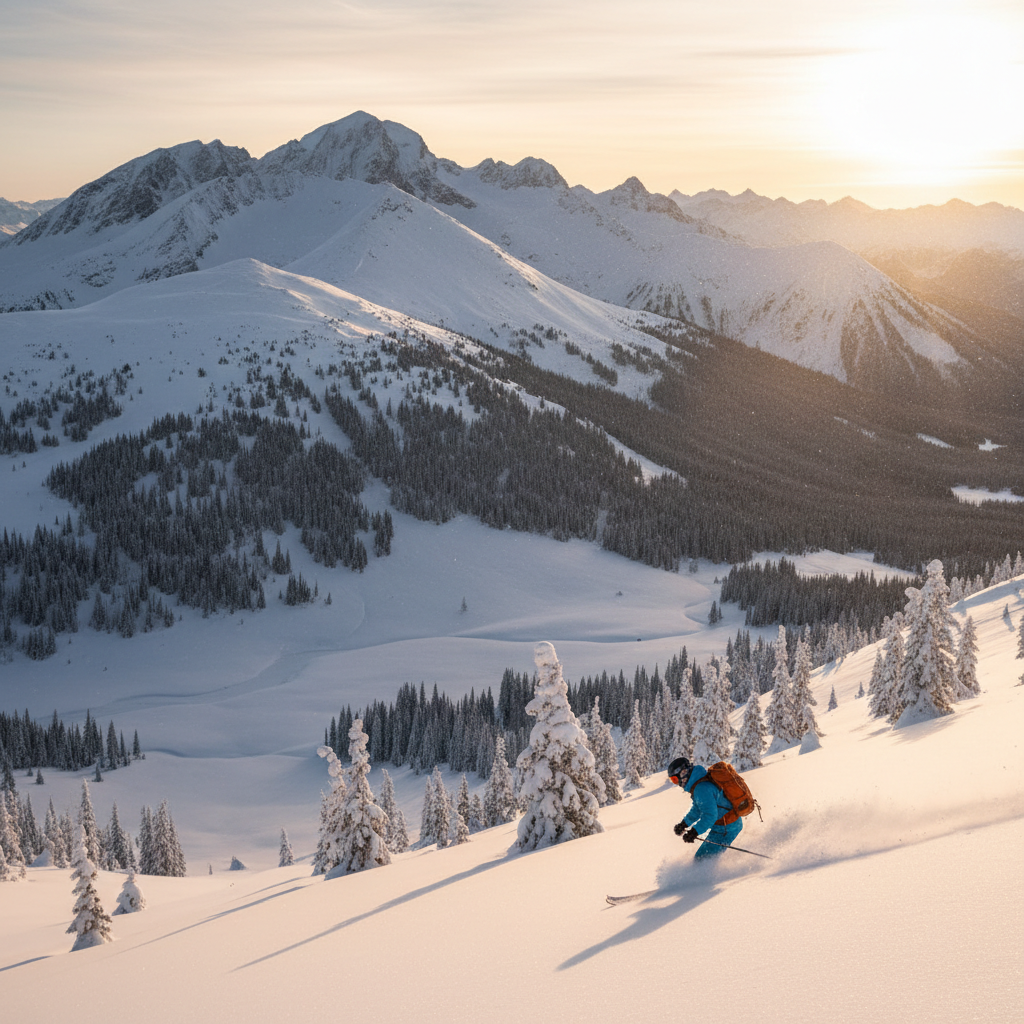
Best Powder Skiing Destinations: Where to Chase Deep Snow Around the World
If your perfect ski day means face shots, floating turns, and that unmistakable whoosh of light, dry snow, then you’re a powder skier at heart.
In this guide, we’re diving deep into the best powder skiing destinations on the planet – from storm-chasing in North America to bottomless blower in Japan and high‑altitude dumps in the Alps. You’ll find practical advice on when to go, what type of terrain to expect, and how to pick the right resort (or region) for your skill level and budget.
Hotels near Japan ski resorts
Whether you’re hunting one big bucket‑list trip or planning seasons of powder pilgrimages, this is your roadmap to the world’s most reliable deep‑snow destinations.
What Makes a Great Powder Skiing Destination?
Before we zoom into specific resorts, it helps to understand what separates occasional powder from consistently deep days.
Key ingredients of a true powder destination:
- High and reliable snowfall: Ideally 8–12 m (300–450+ inches) per season, with regular storm cycles.
- Cold, dry climate: Keeps snow light and fluffy rather than heavy or rain‑affected.
- Varied terrain: Open bowls, glades, and steeps where powder keeps accumulating.
- Good elevation and aspect: North‑facing slopes and high altitude hold powder longer between storms.
- Efficient lifts (or touring access): So you can rack up vertical when it’s on.
North America: Legendary Powder in the Rockies and Beyond
North America is a powder skier’s playground, particularly the Rockies and the Pacific storm belt. For an overview of the continent, start with our North America ski resorts guide, then drill down into the specific hot spots below.
Utah: The Greatest Snow on Earth®
Utah markets itself as having “The Greatest Snow on Earth®”, and it’s not just a slogan – the high desert climate and lake‑effect storms frequently deliver extremely light, dry powder.[4] Resorts in the Cottonwood Canyons often tally well over 500 inches (12–13 m) of snowfall per winter.[4]
Standout Utah powder destinations:
- Alta & Snowbird (Little Cottonwood Canyon) – Steep, deep, and unapologetically skier‑focused (Alta is skiers‑only). Classic powder bowls, chutes, and high‑alpine faces.
- Brighton & Solitude (Big Cottonwood Canyon) – Slightly more low‑key, but still snow‑rich with excellent tree skiing.
Practical tip: Storm days here can mean road closures for avalanche control in the canyons. Build some flexibility into your travel days, and if you can, stay up‑canyon during big cycles.
For more inspiration and resort comparisons in this region, check our best ski resorts USA guide.
Colorado Rockies: Deep Snow in Big Mountain Terrain
Colorado’s high elevation and consistent winter make it another top contender for powder lovers. Iconic resorts like Vail and Aspen are not just about après and glam; they also score plenty of big storm cycles.
- Vail – Famous for its vast Back Bowls, which turn into an off‑piste playground after a fresh dump. When storms roll through, you can spend entire days lapping soft, open terrain.
- Aspen Snowmass – Four mountains on one pass. Aspen Highlands and Snowmass offer serious steeps, hike‑to terrain, and excellent tree skiing, especially on storm days.
When to go: Mid‑January through early March is the sweet spot for both snow quality and coverage.
Practical tip: At these elevations, sunny days can quickly bake south‑facing slopes. When chasing powder a day or two after a storm, focus on north‑facing aspects and sheltered glades.
For a deeper dive into the region, our best Colorado resorts guide and best Utah resorts guide are worth bookmarking.
Canada & the Rockies North: Consistency and Storm Cycles
Head north and you hit another powder powerhouse: Canada’s Rocky Mountains and the Pacific ranges. Check our Canada ski resorts overview for the big picture, but a few names stand out.
#### Whistler Blackcomb: Pacific Storm Magnet
Whistler Blackcomb sits directly in the path of Pacific storms, and that means big snowfall totals most seasons. You’ll find:
- Huge vertical and expansive high‑alpine bowls
- Gulley and tree lines that stay soft for days
- Reliable mid‑winter storm cycles
When to go: January and February are best for quality; March can be excellent higher up.
#### The Interior Rockies: Colder, Drier Snow
Move inland toward the Canadian Rockies and interior ranges and you typically find colder temperatures and lighter snow, along with famous powder hubs like Banff and Revelstoke.[1] Some areas, such as Banff Sunshine, even offer late‑season skiing into June when snowpacks are strong.[1]
Practical tip: If you’re combining Whistler with interior Canada, plan a flexible itinerary – use the coast as your “storm base” and jump inland when cold, clear spells hit.
For trip planning across the region, visit our Rockies resorts section.
Japan: The Home of Bottomless Powder
Ask any powder obsessive where they’d go if they could only pick one trip, and Japan comes up again and again. Colder Siberian air colliding with moisture from the Sea of Japan produces extraordinary snowfall – in some areas, 12–18 m per season is common.[6]
Niseko and Hokkaido: Deep and Consistent
On the northern island of Hokkaido, resorts like Niseko, Rusutsu, and Furano are synonymous with bottomless days.
- Niseko United – Four interconnected resorts, renowned for Japow: deep, dry snow, glades, off‑piste bowls, and accessible sidecountry.
- Rusutsu – Slightly quieter than Niseko, with superb trees and frequent storms.
Practical tips for Japan powder trips:
- Bring a wider ski (105–120 mm underfoot) with a bit of rocker; this snow is truly deep.
- Expect some lift‑served terrain to be mellow in pitch – much of the magic is in the trees and sidecountry.
- Book accommodation early; peak powder season is popular worldwide.
Honshu: Steeper Lines and Storm Chasing
On the main island, areas like Hakuba and Myoko also see excellent snowfall, combined with steeper alpine terrain. The trade‑off is more variable weather and occasional rain at lower elevations, so planning around storm windows is key.
The European Alps: Storm‑Rich Bowls and High‑Alpine Steeps
The Alps aren’t as consistently deep as Japan or the snowiest parts of North America, but with the right timing you can enjoy phenomenal powder skiing, especially at high‑altitude and north‑facing resorts. For a regional overview, start with our Alps ski resorts page.
France: High-Altitude Powder Havens
France boasts some of the highest lift‑accessed terrain in Europe, giving you direct access to powder in glacier bowls, couloirs, and vast off‑piste zones. Explore the full country in our France ski resorts guide.
#### Val Thorens: Europe’s Highest Major Resort
Val Thorens sits at 2,300 m, making it the highest major ski resort in Europe. High altitude and a mostly north‑facing layout help preserve snow well after storms.
- Extensive freeride options off the Cime de Caron and surrounding peaks
- Access to the full Three Valleys area – meaning more terrain to find untracked snow
#### Chamonix: Steep, Serious, and Legendary
Chamonix is the spiritual home of European off‑piste skiing. While the valley can experience variable conditions, when a storm cycle hits cold, you’re looking at world‑class powder skiing:
- Huge vertical drops and glaciated terrain off the Aiguille du Midi
- Classic runs like the Vallée Blanche
For more French options and value picks, see our best French resorts guide.
Switzerland: Deep Snow in High Alpine Bowls
Switzerland combines big mountain backdrops with serious powder potential. Explore the country-wide overview at our Switzerland ski resorts page.
#### Zermatt: High, Snow-Sure, and Scenic
Zermatt, under the iconic Matterhorn, offers extremely high lift‑served terrain and a link to Cervinia over the Italian border. Glaciers and north‑facing slopes keep powder in good condition after storms.
- Excellent long powder descents from the Klein Matterhorn
- Vast off‑piste and touring options, especially with a guide
Verbier is famed for its freeride culture and is a regular stop on the Freeride World Tour.
- Steep off‑piste lines, cliff drops, and couloirs
- High‑alpine bowls that ski beautifully after fresh snow
For a curated list of top destinations here, read our best Swiss resorts guide.
Austria and Italy: Storm-Dependent but Rewarding
The Austrian and Italian Alps can deliver exceptional powder, especially during cold, active winters. You’ll find more detail in our Austria resorts overview and Italy ski resorts page.
#### St. Anton am Arlberg: Austria’s Powder Capital
St. Anton and the wider Arlberg area are legendary among powder hunters.
- Frequent storms from multiple directions
- Huge connected ski area with endless off‑piste routes
- A strong guiding scene to help you safely find the goods
#### Cortina d’Ampezzo and the Dolomites
The Dolomites aren’t as snow‑sure as some western Alps zones, but when cold storms line up, resorts like Cortina d’Ampezzo offer sublime powder days amid dramatic limestone peaks.
For more on this region’s mix of scenery and skiing, check the Dolomites resort overview.
Scandinavia & the Nordics: Arctic Powder and Empty Slopes
Scandinavia may not be the first place that comes to mind for deep snow, but its colder temperatures and maritime influences can produce excellent powder, especially in northern Norway and central Sweden.[4][6]
Explore the region more broadly via our Scandinavia ski resorts page, and zoom into specific countries:
Åre, Trysil, and Hemsedal
- Åre (Sweden) – Scandinavia’s biggest resort, with varied terrain, night skiing, and plenty of cold‑snow days.
- Trysil (Norway) – Family‑friendly yet with enough off‑piste stashes for storm days.
- Hemsedal (Norway) – Sometimes dubbed the “Scandinavian Alps”, with respectable vertical and freeride options.
For a helpful comparison of Swedish vs. Norwegian skiing, have a look at our Sweden vs Norway guide.
How to Choose the Right Powder Destination for You
With so many great options, how do you pick your best powder destination? Start with these core questions.
1. What’s Your Skill Level and Terrain Preference?
Use our beginner‑friendly resorts guide if you’re still getting comfortable but want a soft‑snow experience; many powder hubs also have mellow terrain.
- Intermediates: Look for resorts with well‑spaced trees and gentle off‑piste bowls (Whistler, parts of Vail, Niseko’s lower slopes).
- Advanced/Expert skiers: Head to steeper freeride meccas like Chamonix, Verbier, St. Anton, or the Cottonwood Canyons in Utah. For targeted ideas, see our expert terrain theme page.
2. What Time of Year Are You Travelling?
Timing is everything in powder skiing.
- Early season (Nov–Dec): Focus on high, snow‑sure resorts like Val Thorens, Zermatt, or interior Rockies resorts. Our early season guide offers more options.
- Mid‑winter (Jan–Feb): Best window for Japan (Niseko, Hakuba) and for the coldest, driest powder in Utah, Colorado, and interior Canada.
- Spring (Mar–Apr): Combine powder chasing with longer days; target high‑altitude Alpine resorts and the deeper parts of the Rockies. Use our guaranteed snow guide to stack the odds.
3. Budget and Crowd Tolerance
Powder hotspots can be pricey and busy – but there are smart ways to work around that.
- Consider cheaper European resorts with solid snowfall patterns in good years; see our budget resorts in Europe guide.
- Drill down further with regional budget guides, like budget ski resorts in France or budget ski resorts in Austria.
- Travel mid‑week and avoid local holiday periods to reduce lift lines and improve your chances of untracked runs.
Practical Powder Skiing Tips: Gear, Safety, and Strategy
Even the best snow in the world can be wasted without the right preparation. A few practical tips will help you make the most of your powder trip.
Gear for Deep Snow
- Skis: Aim for an all‑mountain or freeride ski in the 100–115 mm range underfoot, with rocker in the tip (and possibly tail) to help you float.
- Bindings: Strong, reliable alpine bindings or hybrid touring bindings if you plan to hike/skin for turns.
- Boots: Prioritise fit and support. For powder days you may be standing in variable snow; a precise yet comfortable fit is key.
- Safety equipment: If you’re going off‑piste, always carry a modern avalanche transceiver, shovel, and probe – and know how to use them.
Avalanche Awareness
The best powder is often found in un‑groomed terrain, but that also means you’re operating in avalanche country.
- Check the local avalanche bulletin every day.
- Take at least a basic avalanche course if you plan to ski off‑piste regularly.
- Consider hiring a local guide, especially in complex terrain like Chamonix, Verbier, or the Arlberg.
Storm-Chasing Strategy
If your schedule is flexible, you can dramatically increase your odds of deep snow by chasing storm cycles.
- In North America, watch storm tracks across the Rockies and West Coast; decide between regions like Utah, Colorado, or British Columbia based on the 5–10 day forecast.
- In Europe, follow incoming Atlantic lows and cold fronts that will hit the western and northern Alps especially hard.
- In Japan, once you’re on Hokkaido or in the Hakuba valley, storms are frequent in mid‑winter – focus more on wind direction and avalanche risk than whether it will snow at all.
Actionable Takeaways: How to Plan Your Powder Trip
To wrap things up, here’s a practical checklist to turn all this information into an unforgettable powder holiday.
1. Pick your region based on your priorities: - For the highest odds of deep snow: Japan (Niseko, Hokkaido) or the snowiest parts of the Rockies (Utah, interior BC). - For a mix of powder and classic European culture: the Alps resorts, especially Val Thorens, Chamonix, Zermatt, Verbier, and St. Anton. - For something different and less crowded: Scandinavia (Åre, Trysil, Hemsedal) via our Scandinavia overview.
2. Time your trip for mid‑winter if possible: - January–February is the prime window for the lightest, deepest snow in most northern‑hemisphere destinations. - Use our snow‑sure resorts theme page and guaranteed snow guide to narrow down reliable options.
3. Match the resort to your ability: - Use the family‑friendly resorts guide if you’re travelling with mixed‑ability groups. - Check the expert resorts theme if you want steep couloirs and big‑mountain freeride lines.
4. Dial in your gear before you travel: - Rent powder‑specific skis at your destination if you don’t own a wider pair. - Make sure your avalanche gear is up to date and practice with it before you go.
5. Stay flexible and watch the forecasts: - Powder skiing is all about timing. - If your itinerary allows, keep your plans semi‑open and follow storm cycles – especially in larger regions like the Rockies or across multiple countries in the Alps.
6. Consider value as well as snow: - Combine our budget resorts theme with powder‑rich regions to stretch your ski budget without sacrificing snow quality.
By combining smart destination choice, careful timing, the right equipment, and a focus on safety, you can transform your next ski holiday into the kind of powder trip people talk about for years. Use the internal guides and resort pages linked throughout this article to compare options, build your shortlist, and start planning where you’ll chase deep snow next winter.
Sources
This article was researched using data from OnTheSnow, Skiinfo, Freeride, and other leading ski industry sources.Planning a ski trip to Japan?
Compare hotels, chalets & apartments near the slopes on Hotels.com