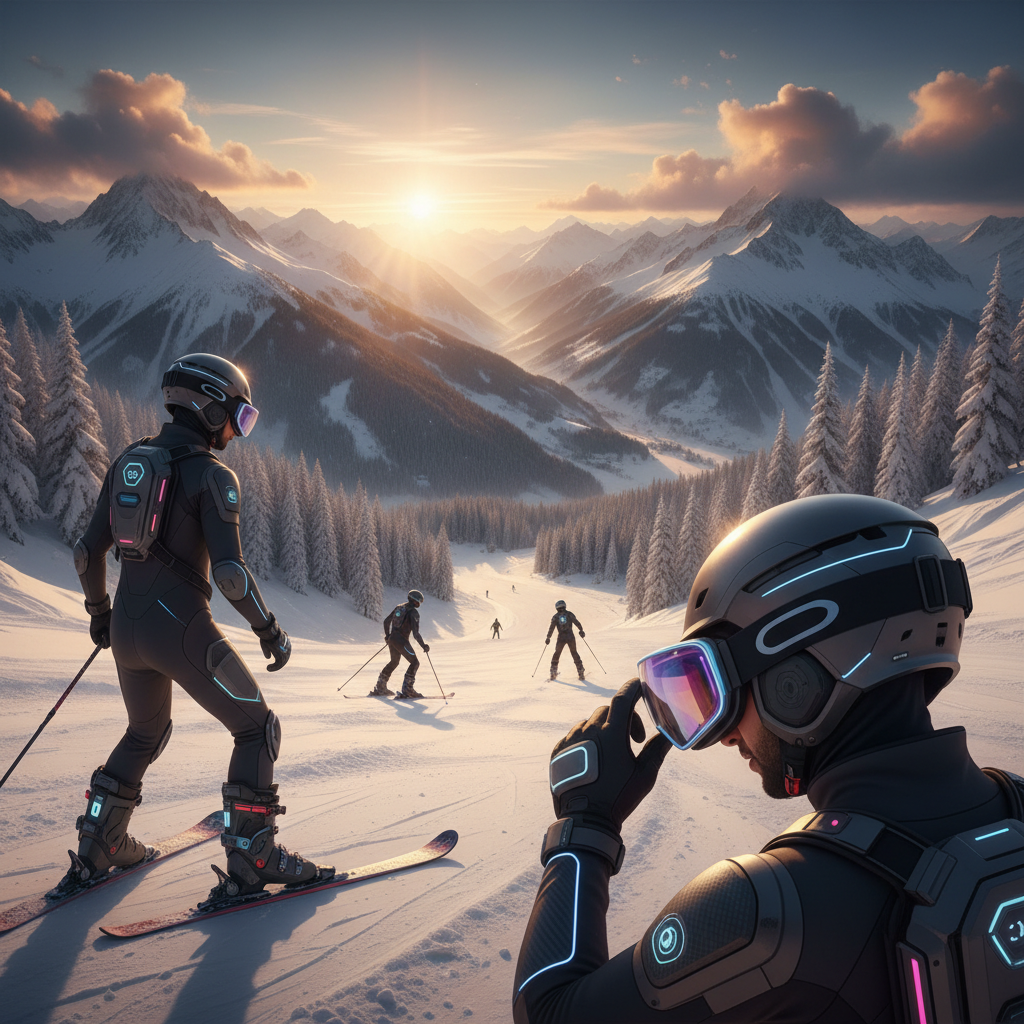
2026 Ski Industry Trends and Innovations: What's Revolutionizing Winter Sports
# 2026 Ski Industry Trends and Innovations: What's Revolutionizing Winter Sports
The ski industry is experiencing a technological renaissance. If you've been hitting the slopes for the past few years, you might have noticed that ski equipment today bears little resemblance to what we were using just a decade ago. From intelligent goggle systems to boots engineered specifically for women's biomechanics, the 2025-2026 ski season represents a genuine turning point in how we approach winter sports equipment.
Whether you're a casual recreational skier or someone who spends half the season chasing powder, understanding these innovations can help you make smarter equipment choices and get more enjoyment from your time on the mountain. Let's break down the biggest trends reshaping the ski industry right now.
The Goggle Revolution: From Simple Eye Protection to Wearable Technology
Remember when ski goggles were just tinted plastic with a foam frame? Those days are long gone. Modern ski goggles are becoming what industry insiders call "a platform"—essentially wearable technology designed to enhance your entire skiing experience.
The most significant innovation gaining industry-wide adoption is the magnetic lens swap system. Brands like Anon, Smith Optics, and Oakley have perfected magnetic retention technology that allows skiers to swap lenses in under 10 seconds, even in cold weather conditions.[1] This might sound like a small detail, but it's genuinely revolutionary. No more fumbling with frozen tabs or struggling with stiff frames. No more dropping your goggles and losing them (as one unlucky skier learned the hard way on their final day at a resort). You can smoothly transition between different light conditions without removing your helmet or dealing with complicated mechanisms.
What makes this innovation particularly valuable is that it's secure enough to withstand crashes—something that matters if you ever venture off-piste or into more technical terrain. The magnetic systems maintain retention even during falls, giving skiers confidence that their goggles will stay put when things get exciting.
Photochromic and AI-Adaptive Lens Technology
While magnetic systems are becoming the industry standard for lens swapping, the real future of goggle technology lies in photochromic and AI-adaptive lenses. These lenses automatically adjust their tint based on changing light conditions, potentially eliminating the need to carry multiple lenses at all.[1]
Companies like Smith Optics with their ChromaPop technology and Oakley with Prizm are leading this charge. These aren't just brightness controls—they're terrain-enhancing systems that preserve clarity while adapting to your environment. The key features include:
- Automatic tint adjustment as you move between sun exposure, clouds, and tree cover
- Wider VLT (Visible Light Transmission) ranges for more versatility
- Faster transition speeds even in cold temperatures
- Enhanced contrast that helps define terrain in flat light conditions
Augmented Reality Takes the Slopes
If photochromic lenses are the present, augmented reality goggles are undoubtedly the future. Startups like Provuu are developing AR-enabled goggles that overlay real-time data directly into your field of vision.[1] Imagine having access to:
- Real-time speed measurements
- Vertical descent tracking
- Navigation cues for navigation
- Avalanche alerts and terrain information
- Environmental data relevant to current conditions
The Anti-Fog Problem Gets Serious Engineering Solutions
Here's something every skier relates to: fogging goggles are absolutely maddening. The ski industry recognizes this pain point and is applying serious engineering to solve it.[1] Modern anti-fog systems include:
- Dual-pane thermal lenses that prevent condensation
- Advanced moisture-wicking foam linings
- Frame-integrated vent channels for optimized airflow
- Helmet-designed airflow pairing (goggles engineered to work with specific helmet models)
Revolutionary Boot Technology: Finally Designing for Women
One of the most significant developments in the 2025-2026 season is a shift in how boot manufacturers approach design—particularly regarding women's boots. For years, the industry standard was simply scaling down men's boot designs for women. It was lazy engineering that ignored biomechanical realities.
That's changing. New women-specific boot designs like the Anthem from Nordica feature constructions tailored specifically for women skiers.[2] These boots address real biomechanical differences including:
- Narrower heels for better fit and control
- Wider toe boxes for natural foot positioning
- Steeper internal ramp angles optimized for women's lower leg anatomy
- Increased forward lean to put skiers in optimal stance for pressuring the front of their skis
Additionally, high-performance boots like Nordica's Promachine 3 are incorporating advanced technologies like the new 3Force Frame construction.[2] This technology surrounds a lightweight, rigid frame with softer, more pliable plastic in the cuff and shell, creating the perfect blend of power, response, and comfort. Custom-molding liners that form around your heel keep you locked in all day, providing the precise, performance-focused fit that serious skiers demand.
Ski Construction: Materials and Performance Evolution
The 2025-2026 ski season marks a technological and stylistic turning point in ski design itself.[4] We're seeing reinforced ski construction using titanium, carbon fiber, and innovative Trueblend cores aimed at delivering enhanced performance across different skiing styles.
Lightweight Carbon Fiber and Advanced Materials
The ski gear industry is embracing lightweight carbon fiber construction, which delivers multiple benefits: increased responsiveness, better energy transfer, and reduced fatigue during long days on the mountain.[5] Brands dominating the competitive landscape—including Burton, Atomic, and Rossignol—are incorporating these materials into their latest designs.
Beyond carbon fiber, manufacturers are experimenting with various core materials and laminate constructions. For example, Armada's latest freeride skis combine Speedmetal Titanal laminate construction with innovative shapes and playful characters designed to encourage flow and creativity.[2] Nordica's Unleashed 106 features Drift Lock Technology—a single strip of metal tailored to the waist of the ski—combined with fresh rocker profiles designed to encourage playfulness and flow.
These aren't just marketing buzzwords. The actual construction differences translate to how skis perform on snow: how they carve, how they absorb vibration, how responsive they feel in variable conditions, and how forgiving they are for different skill levels.
Sustainability: The Environmental Shift in Ski Manufacturing
Environmental consciousness is reshaping the ski industry. Over 40% of major manufacturers now offer products using recycled plastics and biodegradable components.[5] Brands like POC and Zeal Optics are incorporating plant-based materials into frames and straps, while manufacturers are adopting recycled packaging and reducing plastic lens construction.
Goggles are following this trend, with sustainable materials and bio-based frames becoming increasingly common.[1] While the industry isn't achieving full circularity yet, the shift toward environmental responsibility has definitively begun. If sustainability matters to you, the 2026 market offers legitimate options that align your equipment purchases with your environmental values.
Smart Gear and Connected Technology
The integration of wearable technology into ski equipment is accelerating. The market is seeing growth in several connected gear categories:
Smart Textiles and Heated Gear: Heated jackets and GPS-enabled gear are gaining significant traction, particularly among professional and enthusiast segments.[5] Combined with moisture-wicking fabrics and improved insulation technologies, these innovations enhance both performance and safety.
Goggle Electronics: Emerging trends in goggle technology include Bluetooth audio integration, built-in microphones, companion apps, and even crash detection concepts.[1] While battery-heated lenses exist, they've seen limited adoption. The ski industry is still in early-stage experimentation with integrated electronics, but convergence with broader wearable technology is accelerating.
Training and Performance Technology: For competitive and serious skiers, AI-driven wearables and augmented reality systems are becoming valuable training tools. These technologies help athletes refine form, optimize performance, and stay safe in demanding conditions.[3] While these cutting-edge systems won't make it to competition day, their impact on actual competition performance is undeniable.
Market Growth Drivers: Why the Industry is Investing in Innovation
The ski gear and accessories market is experiencing steady growth driven by several factors. Increasing participation in winter sports globally—particularly in North America and Europe—has created higher demand for quality equipment.[5] Rising disposable incomes in emerging economies are expanding the customer base, while technological advancements in material sciences continue improving product durability and performance.
Specialty stores maintain critical importance in the industry distribution ecosystem, serving as the primary channel where skiers can access expert advice and hands-on equipment evaluation. European and North American brands dominate the global ski gear market, though competition is intensifying as international manufacturers enter the space.
What Actually Matters: Practical Advice for Equipment Selection
With all this innovation happening, it's easy to get caught up in the hype. However, for 90% of skiers, the most meaningful innovations focus on practical performance:
Magnetic Lens Swapping: This genuinely improves your mountain experience by eliminating lens-swapping frustration. If you're buying new goggles, prioritize this feature.
High-Contrast Lens Technology: Whether photochromic or fixed, lenses that enhance terrain definition make skiing safer and more enjoyable, especially in variable light conditions.
Wide VLT Range: Goggles that work across a spectrum of light conditions mean you'll need fewer pairs overall.
Reliable Anti-Fog Performance: This matters every single run. Don't underestimate the importance of goggles that stay clear.
Proper Helmet Integration: Ensure your goggles integrate well with your specific helmet model. This isn't always obvious until you use them together.
Choosing Your Next Ski Adventure with Innovation in Mind
As you consider your next ski trip, remember that where you ski matters as much as what equipment you bring. Different resorts offer varying terrain that rewards different equipment choices. For example, resorts in the Alps with variable snow conditions benefit from adaptive lens technology, while powder-focused destinations benefit from the lighter, more responsive ski construction dominating 2026 designs.
If you're planning a trip to Austria, you'll find terrain that rewards precise, responsive equipment. St. Anton am Arlberg particularly rewards skiers with high-performance boots and advanced goggle technology. Similarly, French resorts like Chamonix and Val Thorens offer diverse terrain where smart equipment choices enhance the experience.
For North American skiers, resorts across the Rockies offer powder conditions that benefit from lighter ski construction and high-visibility goggle technology. Vail and Aspen both offer the terrain variety where adaptive goggle technology truly shines.
Before investing in new equipment, consider consulting our guides on budget-friendly European options or family-friendly resorts to ensure your equipment investment serves your actual skiing destinations and style.
The Road Ahead: Where Innovation is Heading
Based on current industry trajectories, expect these developments in the coming years:
- Wider adoption of AR overlays in goggles as the technology matures and costs decrease
- Smarter automatic tint adjustment becoming standard rather than premium
- Enhanced helmet-goggle ecosystem integration as manufacturers recognize the benefits
- Lightweight modular frame systems that allow easier customization and repair
- Integration with avalanche safety platforms for backcountry and off-piste skiers
Final Takeaways: Making Smart Equipment Decisions in 2026
The 2025-2026 ski season presents genuine opportunities to upgrade your equipment with technology that actually improves your mountain experience. Here's how to approach it:
Start with the Fundamentals: Magnetic lens systems, high-contrast lenses, and proper boot fit deliver the biggest practical benefits. These innovations work for every skier, every day.
Invest in Fit First: Whether boots or goggles, proper fit matters more than cutting-edge features. Try equipment on multiple times and test it on actual terrain before committing.
Consider Your Terrain: Different mountains and different skiing styles benefit from different equipment choices. If you're planning a trip to explore new terrain, ensure your equipment matches your destination's characteristics.
Don't Chase Every Trend: AR goggles and heated lenses are exciting, but they're not necessary for 99% of skiers. Focus on innovations that solve real problems you actually experience.
Factor in Sustainability: If environmental impact matters to you, the 2026 market offers legitimate sustainable options. Support manufacturers making genuine efforts toward responsible production.
The ski industry's innovation boom reflects genuine attempts to make skiing better, safer, and more accessible. By understanding what's actually changed and why, you can make equipment decisions that truly enhance your time on the mountain—whether you're exploring Swiss resorts like Zermatt, enjoying Scandinavian terrain, or pursuing backcountry adventures in the North American Rockies.
The future of skiing isn't just about faster skis or higher mountains. It's about smarter equipment that understands your needs and adapts to help you perform better, stay safer, and enjoy the mountain experience more fully.